- Addiction
- Mental Health
- About Us
Find Treatment By
Rehabs by Location


Find Treatment By
Learn
About Us
Recovery.com combines independent research with expert guidance on addiction and mental health treatment. Our mission is to help everyone find the best path to recovery through the most comprehensive, helpful network of treatment providers worldwide.
Advisory Council
Our advisory council brings together leaders in behavioral health, technology, and business. Their diverse expertise ensures our resources and product are innovative, evidence-based, and effective. They guide our mission as accomplished individuals dedicated to improving the landscape of addiction recovery and mental wellness.

AdCare Rhode Island
Verified Center
This provider's information has been quality-checked by Recovery.com's Research Team for accuracy and completeness, including center verification through appropriate third-party organizations.
Treatment Focus
This center treats substance use disorders and co-occurring mental health conditions. Your treatment plan addresses each condition at once with personalized, compassionate care for comprehensive healing.
Primary Level of Care
Offering intensive care with 24/7 monitoring, residential treatment is typically 30 days and can cover multiple levels of care. Length can range from 14 to 90 days typically.
Treatment Focus
This center treats substance use disorders and co-occurring mental health conditions. Your treatment plan addresses each condition at once with personalized, compassionate care for comprehensive healing.
Primary Level of Care
Offering intensive care with 24/7 monitoring, residential treatment is typically 30 days and can cover multiple levels of care. Length can range from 14 to 90 days typically.
Provider's Policy
AdCare facilities, located in Massachusetts and Rhode Island, provide various levels of care, with some facilities offering medical detox and inpatient rehab and others providing outpatient therapy. Your insurance plan may cover one or more of these levels of care, depending on your plan.
AdCare Rhode Island
AdCare Rhode Island
About AdCare Rhode Island
AdCare Rhode Island has several locations for both residential and outpatient services. Using the 12-Steps and evidence-based practices, AdCare helps men and women struggling with substance use or mental health conditions find recovery. AdCare Rhode Island’s evidence-based therapies include cognitive behavioral therapy (CBT), dialectical behavior therapy (DBT), expressive arts, group and individual therapy, and medication-assisted therapies.
Specialized, Professional Care
AdCare Rhode Island leads addiction and mental health treatment with a team of professionals. Clients receive expert, professional care at each step of their treatment, inpatient and outpatient. A crisis stabilization program helps clients with dual-diagnosis get quick care for presenting psychiatric symptoms and addiction. AdCare Rhode Island provides daily AA meetings on-site. They also have a special program for Veterans and First Responders, which houses clients among other Veterans or First Responders and caters to their needs.
Integrative Treatment for Each Client
A combination of evidence-based and 12-Step treatments help address the needs of each unique client. AdCare seeks to involve and support family during treatment, inviting them to family therapy sessions and a virtual educational session, held once a month. Their 90-day promise welcomes back clients who relapse after completing AdCare’s 90-day treatment program for a complimentary stay of 30 days.
Recovery in The Suburbs
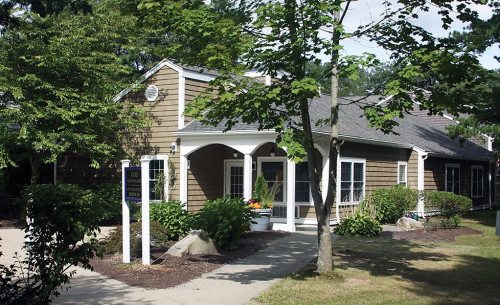
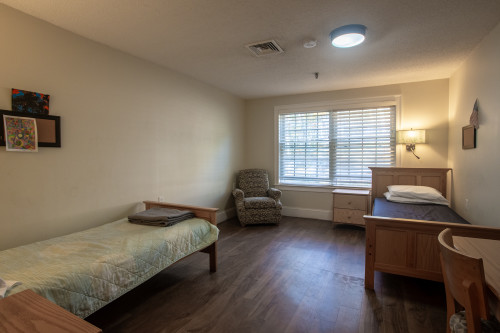
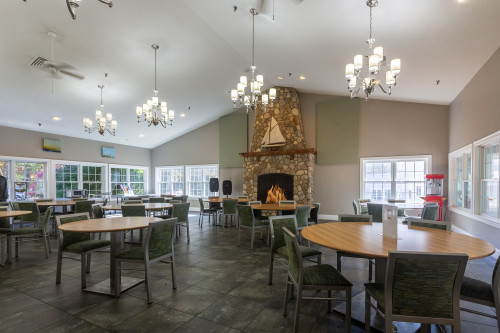
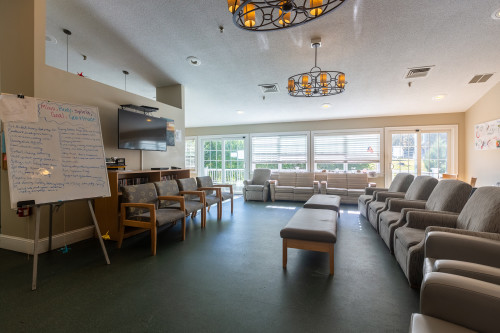
AdCare Rhode Island is located in a peaceful woodland area, just a few minutes from an international airport and downtown Providence. Their newly renovated facility has 59 beds with semi-private rooms and private bathrooms. Amenities include a fitness center, basketball court, outdoor patio, and access to electronics. AdCare Rhode Island is accredited by the Joint Commission and accepts most major insurances.

Highlights from the Center
Highlights
These highlights are provided by and paid for by the center.
Customized Treatment Plans
Medically Assisted Detox
Certified Professionals
Trauma-Informed Care
Center Overview
Treatment Focus
This center treats substance use disorders and co-occurring mental health conditions. Your treatment plan addresses each condition at once with personalized, compassionate care for comprehensive healing.
Joint Commission Accredited
The Joint Commission accreditation is a voluntary, objective process that evaluates and accredits healthcare organizations (like treatment centers) based on performance standards designed to improve quality and safety for patients. To be accredited means the treatment center has been found to meet the Commission's standards for quality and safety in patient care.

Insurance Accepted













Recovery.com Verified Listing
Recovery.com verified that the name, location, contact information and license to operate for this treatment provider are valid and up-to-date.
Joint Commission Accredited

Licensed
Recovery.com is an independent, third-party mental health resource. Verification does not imply endorsement and does not guarantee the quality of treatment services.
Meet Your Care Team

Fred Trapassi
CEO
Roger Williams University Public Administration, Johnson and Whales University Science and Technology, Institute of Labor Studies and Research (Certificate Program), RI State Trained Mediator

Sarah Horgan
Chief Operating Officer and Director of Admissions

Marcella Rivard
Chief Financial Officer and Corporate Treasurer
C.P.A, M.B.A.

Dr. Mohammad Alhabbal
Medical Director
C.P.A, M.B.A., Certified by the American Academy of Family Physicians (AAFP), Certified by the American Board of Addiction Medicine (ABAM)

Chelsea Lomastro
Director of Clinical Services
MS, LMHC, LCDP, LCDCS, LADC I, CAASC, CCS, CADC-II

John N. Copeland
Executive Director
Master’s in Mental Health Counseling
Your Care Options
Specializations
Trauma-Specific Therapy
This form of talk therapy addresses any childhood trauma at the root of a patient's current diagnosis.
Alcohol
Using alcohol as a coping mechanism, or drinking excessively throughout the week, signals an alcohol use disorder.
Drug Addiction
Drug addiction is the excessive and repetitive use of substances, despite harmful consequences to a person's life, health, and relationships.
Family Therapy
Family therapy addresses group dynamics within a family system, with a focus on improving communication and interrupting unhealthy relationship patterns.
Medication-Assisted Treatment
Combined with behavioral therapy, prescribed medications can enhance treatment by relieving withdrawal symptoms and focus patients on their recovery.
Veterans
Patients who completed active military duty receive specialized treatment focused on trauma, grief, loss, and finding a new work-life balance.
Stress Management
Patients learn specific stress management techniques, like breathing exercises and how to safely anticipate triggers.
First Responders Program
Paramedics, police officers, firefighters, and others join in a specific First Responders program, usually focused on trauma, grief, and work-life balance.
Who We Treat
Older Adults
Addiction and mental health treatment caters to adults 55+ and the age-specific challenges that can come with recovery, wellness, and overall happiness.
Young Adults
Emerging adults ages 18-25 receive treatment catered to the unique challenges of early adulthood, like college, risky behaviors, and vocational struggles.
LGBTQ+
Addiction and mental illnesses in the LGBTQ+ community must be treated with an affirming, safe, and relevant approach, which many centers provide.
Men and Women
Men and women attend treatment for addiction in a co-ed setting, going to therapy groups together to share experiences, struggles, and successes.
Midlife Adults
For adults ages 40+, treatment shifts to focus on the unique challenges, blocks, and risk factors of their age group, and unites peers in a similar community.
Mild Disabilities
Adults with mild physical or intellectual disabilities receive treatment catered to their specific needs in a safe and clinically supportive environment.
Professionals
Busy, high-ranking professionals get the personalized treatment they need with greater accommodations for work, privacy, and outside communication.
Treatment Services
Accepts Patients with Prescribed Medications for Alcohol Use Disorder
The provider accepts patients with prescribed medications for addiction treatment, also known as Medication-Assisted Treatment (MAT), for alcohol use.
Accepts Patients with Prescribed Medications for Opioid Use Disorder
The provider accepts patients with prescribed medications for addiction treatment, also known as Medication-Assisted Treatment (MAT), for opioid use.
Detox
Detox fully and safely removes toxic substances from the body, allowing the next steps in treatment to begin with a clean slate.
Detox (on-site with residential)
This is often the first step of addiction treatment. For many people, it's dangerous to detox without proper medical support.
Intensive Outpatient Program
In an IOP, patients live at home or a sober living, but attend treatment typically 9-15 hours a week. Most programs include talk therapy, support groups, and other methods.
Outpatient
During outpatient rehab, patients attend a structured treatment program while continuing to live at home.
Prescribes Medications for Alcohol Use Disorder
The provider prescribes medications for addiction treatment, also known as Medication-Assisted Treatment (MAT), for alcohol use.
Prescribes Medications for Opioid Use Disorder
The provider prescribes medications for addiction treatment, also known as Medication-Assisted Treatment (MAT), for opioid use.
Approaches
Evidence-Based
A combination of scientifically rooted therapies and treatments make up evidence-based care, defined by their measured and proven results.
Family Involvement
Providers involve family in the treatment of their loved one through family therapy, visits, or both–because addiction is a family disease.
Personalized Treatment
The specific needs, histories, and conditions of individual patients receive personalized, highly relevant care throughout their recovery journey.
Therapies
1-on-1 Counseling
Patient and therapist meet 1-on-1 to work through difficult emotions and behavioral challenges in a personal, private setting.
Art Therapy
Visual art invites patients to examine the emotions within their work, focusing on the process of creativity and its gentle therapeutic power.
Expressive Arts
Creative processes like art, writing, or dance use inner creative desires to help boost confidence, emotional growth, and initiate change.
Family Therapy
Family therapy addresses group dynamics within a family system, with a focus on improving communication and interrupting unhealthy relationship patterns.
Languages
Conditions We Treat
ADHD, ADD
ADHD is a common mental health condition caused by dopamine imbalance. Common symptoms include inattention, hyperactivitiy, and impulsivity.
Anger
Although anger itself isn't a disorder, it can get out of hand. If this feeling interferes with your relationships and daily functioning, treatment can help.
Anxiety
Anxiety is a common mental health condition that can include excessive worry, panic attacks, physical tension, and increased blood pressure.
Bipolar
This mental health condition is characterized by extreme mood swings between depression, mania, and remission.
Burnout
Burnout entails mental and physical exhaustion, and leads to a severe lack of fulfillment. This condition is often caused by overwork.
Chronic Pain Management
Long-term physical pain can have an affect on mental health. Without support, it can also impact your daily life and even lead to addiction.
Codependency
Codependency is a pattern of emotional dependence and controlling behavior. It's most common among people with addicted loved ones.
Depression
Symptoms of depression may include fatigue, a sense of numbness, and loss of interest in activities. This condition can range from mild to severe.
Gambling
Excessive, repetitive gambling causes financial and interpersonal problems. This addiction can interfere with work, friendships, and familial relationships.
Substances We Treat
Alcohol
Using alcohol as a coping mechanism, or drinking excessively throughout the week, signals an alcohol use disorder.
Benzodiazepines
Benzodiazepines are prescribed to treat anxiety and sleep issues. They are highly habit forming, and their abuse can cause mood changes and poor judgement.
Chronic Relapse
Consistent relapse occurs repeatedly, after partial recovery from addiction. This condition requires long-term treatment.
Co-Occurring Disorders
A person with multiple mental health diagnoses, such as addiction and depression, has co-occurring disorders also called dual diagnosis.
Cocaine
Cocaine is a stimulant with euphoric effects. Agitation, muscle ticks, psychosis, and heart issues are common symptoms of cocaine abuse.
Drug Addiction
Drug addiction is the excessive and repetitive use of substances, despite harmful consequences to a person's life, health, and relationships.
Ecstasy
Ecstasy is a stimulant that causes intense euphoria and heightened awareness. Abuse of this drug can trigger depression, insomnia, and memory problems.
Heroin
Heroin is a highly addictive and illegal opioid. It can cause insomnia, collapsed veins, heart issues, and additional mental health issues.
Aftercare
Care Designed for Your Needs
Personal Amenities
Amenities
Special Considerations
Religion-Based Track
Patients can join faith-based recovery tracks to approach recovery with others in their faith, healing in a like-minded group with similar goals.
First Responders Program
Paramedics, police officers, firefighters, and others join in a specific First Responders program, usually focused on trauma, grief, and work-life balance.
Young Adults Program
Programs for young adults bring teens 18+ together to discuss age-specific challenges, vocational and educational progress, and successes in treatment.
LGBTQ group
Group therapy unites LGBTQ+ patients in a safe and culturally competent setting, encouraging peer support under the expert leadership of a therapist.
Activities
Yoga
Yoga is both a physical and spiritual practice. It includes a flow of movement, breathing techniques, and meditation.
Off-Site Activities
Off-Site Amenities
Smoking and Vaping Policy
Learn More About the Center
Take a Virtual Tour
See AdCare’s Rhode Island inpatient facility to get a better idea of their accommodations and serene location.
Featured Piece from AdCare Rhode Island’s CEO
The Providence Journal features an opinion piece on opioids and harm reduction, written by AdCare Rhode Island’s CEO Fred Trapassi.
WPRI.COM Feature
Nicole Wolfe, from AdCare, discusses the importance of virtual care in AdCare’s feature in WPRI.com.
AdCare RI Recognized for Growth
Provincetown recognized AdCare as one of the fastest growing companies in 2022, and in 2021
What people are saying
Treatment
4.8
Accommodations
4.6
Food & Nutrition
4.5
Value
4.6
John
Reviewed 04/03/24
Review from Rehabs.com
natasha
Reviewed 08/21/24
Review from Rehabs.com
Brianna
Reviewed 08/08/24
Review from Rehabs.com
Natasha
Reviewed 08/08/24
Review from Rehabs.com
Kathy
Reviewed 04/12/24
Review from Rehabs.com