- Addiction
- Mental Health
- About Us
Find Treatment By
Rehabs by Location


Find Treatment By
Learn
About Us
Recovery.com combines independent research with expert guidance on addiction and mental health treatment. Our mission is to help everyone find the best path to recovery through the most comprehensive, helpful network of treatment providers worldwide.
Advisory Council
Our advisory council brings together leaders in behavioral health, technology, and business. Their diverse expertise ensures our resources and product are innovative, evidence-based, and effective. They guide our mission as accomplished individuals dedicated to improving the landscape of addiction recovery and mental wellness.

Alina Lodge
Verified Center
This provider's information has been quality-checked by Recovery.com's Research Team for accuracy and completeness, including center verification through appropriate third-party organizations.
Treatment Focus
This center treats substance use disorders and co-occurring mental health conditions. Your treatment plan addresses each condition at once with personalized, compassionate care for comprehensive healing.
Primary Level of Care
Offering intensive care with 24/7 monitoring, residential treatment is typically 30 days and can cover multiple levels of care. Length can range from 14 to 90 days typically.
Treatment Focus
This center treats substance use disorders and co-occurring mental health conditions. Your treatment plan addresses each condition at once with personalized, compassionate care for comprehensive healing.
Primary Level of Care
Offering intensive care with 24/7 monitoring, residential treatment is typically 30 days and can cover multiple levels of care. Length can range from 14 to 90 days typically.
Provider's Policy
Alina Lodge works with most major private insurance and is proudly in network with United Healthcare. If you have questions about insurance coverage or whether your insurance provider is accepted, contact our admissions team today. We can guide you through the process of determining what your policy covers and answer any questions you may have about our detox, residential, and extended care treatment services.
Alina Lodge
Alina Lodge
About Alina Lodge
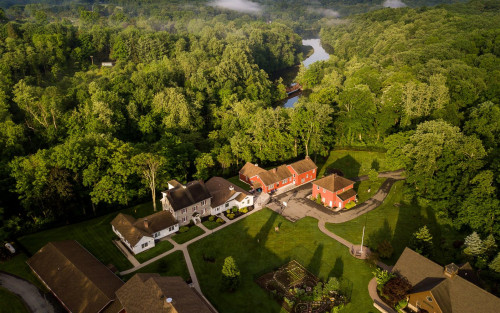
Established in 1957, Alina Lodge is a non-profit campus for addiction and co-occurring mental health conditions, including eating disorders. Their 12-Step, abstinence-based approach addresses the mind, body, and spirit focused on truth and compassion. Alina Lodge offers monitored detox and a minimum residential stay of 28 days. They additionally have a sober living home for women and invite all clients to join their robust alumni program.
Evidence-Based and Innovative Care
Alina Lodge offers various evidence-based therapies provided by psychologists, therapists, and counselors. These include cognitive behavioral therapy (CBT), dialectical behavioral therapy (DBT), eye movement desensitization and reprocessing (EMDR), mindfulness-based relapse prevention, family therapy, and grief therapy. Clients receive a medical and psychiatric evaluation to determine their mental health and detox needs. Staff address the truths of behaviors and lovingly guide clients towards self-reflection and healing.
Dual-Diagnosis Recovery and Family Therapy
Alina Lodge treats co-occurring mental health conditions along with addiction. These include depression, anxiety, trauma, and anger issues. They also address eating disorders with care from their nutritionist and eating disorder counselor. Other specialized groups focus on young adults, grief, gambling, sexual compulsions, spiritual counseling (led by an on-staff priest) and relationship issues. Alina Lodge additionally offers a robust family program with family therapy, education, and peer support with other families.
Loved ones meet with Alina Lodge’s clinical team for an initial 2-hour meeting to discuss their situation, goals, and needs. Families also attend weekly process groups with other families, some of whom with loved ones graduated from the program. On weekends, families can visit their loved ones and participate in 12-Step meetings.
Gender-Specific Treatment and Women’s Sober Living
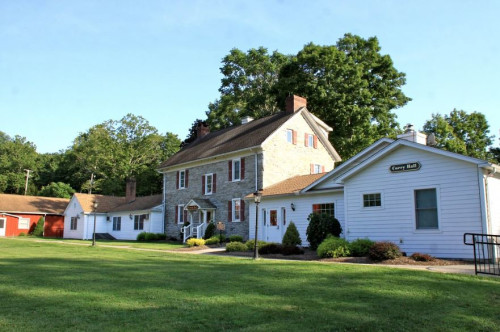
Alina Lodge’s campus offers a serene and private space to focus on recovery. They offer a 28+ day residential program, with the option to stay longer depending on individual needs. Men and women reside in separate lodges and receive treatment separately. In some cases, clients can have limited access to work. Dedicated discharge planners connect clients to the next steps in their treatment, setting up appointments, referrals, or longer stays at Alina Lodge as needed. After treatment, clients join a thriving alumni program and can attend regular events with staff and other alumni. Alina Lodge’s sober living home for women provides gender-specific care, a structured living environment, and a community for women in recovery.
Highlights from the Center
Highlights
These highlights are provided by and paid for by the center.
Joint Commission Accredited
Co-Occurring Disorders Treatment
Certified Professionals
Eating Disorders Program
Center Overview
Treatment Focus
This center treats substance use disorders and co-occurring mental health conditions. Your treatment plan addresses each condition at once with personalized, compassionate care for comprehensive healing.
Joint Commission Accredited
The Joint Commission accreditation is a voluntary, objective process that evaluates and accredits healthcare organizations (like treatment centers) based on performance standards designed to improve quality and safety for patients. To be accredited means the treatment center has been found to meet the Commission's standards for quality and safety in patient care.
Insurance Accepted






Cash Pay Rates
Estimated Cash Pay Rate
Center pricing can vary based on program and length of stay. Contact the center for more information. Recovery.com strives for price transparency so you can make an informed decision.
Meet Your Care Team

William Robbins
Executive Director
LCSW, CCS

Thérèse Smerklo
Clinical Director
MA, LPC, LCADC

Megan Hein
Senior Lead Clinician
MA, LCSW, LCADC
Alexander Kudryk
Medical Director
MD, ABIM, ABAM, FASAM
Michelle Cilibrasi
Counselor
CADC
Anthony Doran
Counselor
LCSW, LCADC
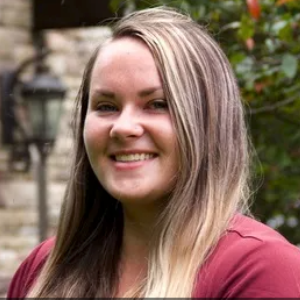
Kimberly Gross
Counselor
LCSW, LCADC
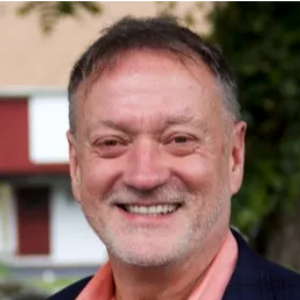
Reverend Robert Griner
Spiritual Advisor
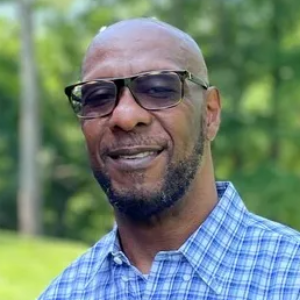
Benny McKinney
Counselor
CADC
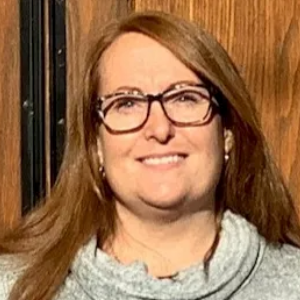
Nancy McGovern
Assistant Director of Nursing
RN
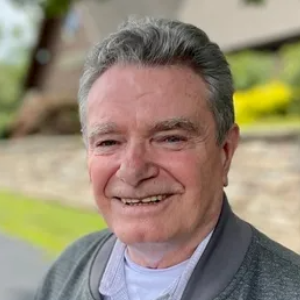
Bernard Newns
Counselor
CADC
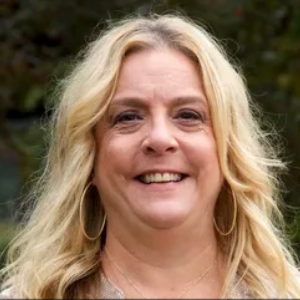
Marlene Racz
Clinical Administrative Assistant
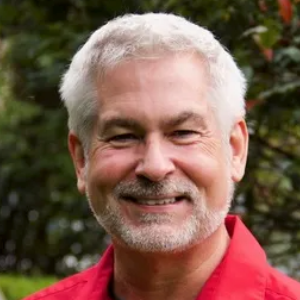
Bill Rust
Counselor
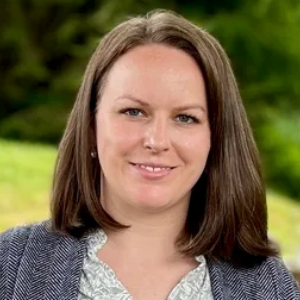
Jane Smith
Counselor
MA
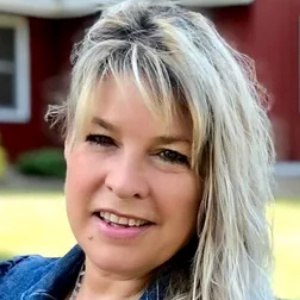
Agnes Weiss
Case Manager
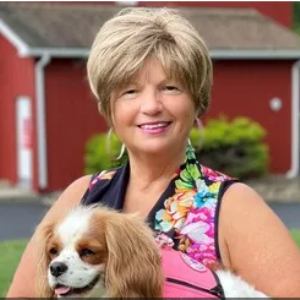
Donna Pittala & Jackie O.
Counselor
MA, LCADC, CCS, AAT
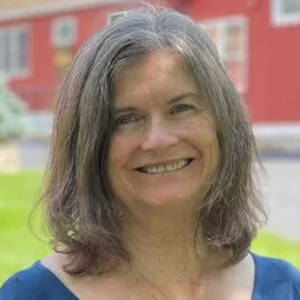
Eileen Reuter
Counselor
LCADC, LPC, CTT
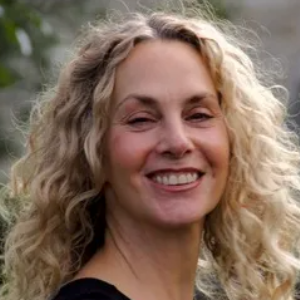
Bobbi Bolcato
Health Coach
Registered Dietician
Liz Strouse
Dietary

Joi Honer
Alumni Coordinator
BA CADC CCDP


Levels of Care


Your Care Options
Specializations
Alcohol
Using alcohol as a coping mechanism, or drinking excessively throughout the week, signals an alcohol use disorder.
Anxiety
Anxiety is a common mental health condition that can include excessive worry, panic attacks, physical tension, and increased blood pressure.
Chronic Relapse
Consistent relapse occurs repeatedly, after partial recovery from addiction. This condition requires long-term treatment.
Co-Occurring Disorders
A person with multiple mental health diagnoses, such as addiction and depression, has co-occurring disorders also called dual diagnosis.
Cocaine
Cocaine is a stimulant with euphoric effects. Agitation, muscle ticks, psychosis, and heart issues are common symptoms of cocaine abuse.
Drug Addiction
Drug addiction is the excessive and repetitive use of substances, despite harmful consequences to a person's life, health, and relationships.
Family Therapy
Family therapy addresses group dynamics within a family system, with a focus on improving communication and interrupting unhealthy relationship patterns.
Twelve Step
Incorporating spirituality, community, and responsibility, 12-Step philosophies prioritize the guidance of a Higher Power and a continuation of 12-Step practices.
Who We Treat
Older Adults
Addiction and mental health treatment caters to adults 55+ and the age-specific challenges that can come with recovery, wellness, and overall happiness.
Executives
Executive treatment programs typically directly support the needs of people who manage businesses and may provide flexible schedules and office space to allow work during treatment.
Young Adults
Emerging adults ages 18-25 receive treatment catered to the unique challenges of early adulthood, like college, risky behaviors, and vocational struggles.
LGBTQ+
Addiction and mental illnesses in the LGBTQ+ community must be treated with an affirming, safe, and relevant approach, which many centers provide.
Midlife Adults
For adults ages 40+, treatment shifts to focus on the unique challenges, blocks, and risk factors of their age group, and unites peers in a similar community.
Professionals
Busy, high-ranking professionals get the personalized treatment they need with greater accommodations for work, privacy, and outside communication.
Veterans
Patients who completed active military duty receive specialized treatment focused on trauma, grief, loss, and finding a new work-life balance.
Approaches
Family Involvement
Providers involve family in the treatment of their loved one through family therapy, visits, or both–because addiction is a family disease.
Personalized Treatment
The specific needs, histories, and conditions of individual patients receive personalized, highly relevant care throughout their recovery journey.
Twelve Step
Incorporating spirituality, community, and responsibility, 12-Step philosophies prioritize the guidance of a Higher Power and a continuation of 12-Step practices.
Therapies
1-on-1 Counseling
Patient and therapist meet 1-on-1 to work through difficult emotions and behavioral challenges in a personal, private setting.
Eye Movement Therapy (EMDR)
Lateral, guided eye movements help reduce the emotional reactions of retelling and reprocessing trauma, allowing intense feelings to dissipate.
Family Therapy
Family therapy addresses group dynamics within a family system, with a focus on improving communication and interrupting unhealthy relationship patterns.
Medication-Assisted Treatment
Combined with behavioral therapy, prescribed medications can enhance treatment by relieving withdrawal symptoms and focus patients on their recovery.
Motivational Interviewing and Enhancement Therapy (MET)
This approach is based on idea that motivation to change comes from within. Providers use a conversational framework that may help you commit to recovery.
Languages
Conditions We Treat
Anxiety
Anxiety is a common mental health condition that can include excessive worry, panic attacks, physical tension, and increased blood pressure.
Codependency
Codependency is a pattern of emotional dependence and controlling behavior. It's most common among people with addicted loved ones.
Depression
Symptoms of depression may include fatigue, a sense of numbness, and loss of interest in activities. This condition can range from mild to severe.
Eating Disorders
An eating disorder is a long-term pattern of unhealthy behavior relating to food. Most people with eating disorders have a distorted self-image.
Gambling
Excessive, repetitive gambling causes financial and interpersonal problems. This addiction can interfere with work, friendships, and familial relationships.
Personality Disorders
Personality disorders destabilize the way a person thinks, feels, and behaves. If untreated, they can undermine relationships and lead to severe distress.
Pornography Addiction
A person with a porn addiction is emotionally dependent on pornography to the point that it interferes with their daily life and relationships.
Trauma
Some traumatic events are so disturbing that they cause long-term mental health problems. Those ongoing issues can also be referred to as "trauma."
Substances We Treat
Alcohol
Using alcohol as a coping mechanism, or drinking excessively throughout the week, signals an alcohol use disorder.
Benzodiazepines
Benzodiazepines are prescribed to treat anxiety and sleep issues. They are highly habit forming, and their abuse can cause mood changes and poor judgement.
Chronic Relapse
Consistent relapse occurs repeatedly, after partial recovery from addiction. This condition requires long-term treatment.
Co-Occurring Disorders
A person with multiple mental health diagnoses, such as addiction and depression, has co-occurring disorders also called dual diagnosis.
Cocaine
Cocaine is a stimulant with euphoric effects. Agitation, muscle ticks, psychosis, and heart issues are common symptoms of cocaine abuse.
Drug Addiction
Drug addiction is the excessive and repetitive use of substances, despite harmful consequences to a person's life, health, and relationships.
Heroin
Heroin is a highly addictive and illegal opioid. It can cause insomnia, collapsed veins, heart issues, and additional mental health issues.
Methamphetamine
Methamphetamine, or meth, increases energy, agitation, and paranoia. Long-term use can result in severe physical and mental health issues.
Aftercare
Care Designed for Your Needs
Personal Amenities
Amenities
Special Considerations
Gender-specific groups
Patients in gender-specific groups gain the opportunity to discuss challenges unique to their gender in a comfortable, safe setting conducive to healing.
Family Member Stays
Treatment providers welcome family members to stay on-site to better the experience and success of patients and their families as a whole.
Activities
Yoga
Yoga is both a physical and spiritual practice. It includes a flow of movement, breathing techniques, and meditation.
What people are saying
Treatment
4.3
Accommodations
4.0
Food & Nutrition
3.9
Value
4.3
Pros
- Easy to Work With (2)
- Smooth Transition (2)
- Communicates Client's Progress (2)
- Quality Programming (2)
SK
Treatment in 2025 • (7 days) • Reviewed 06/23/25
Former Client
•Accountant
Erica
Reviewed 11/30/23
Referring Professional
•Admissions
A.M.
Reviewed 01/03/20
Review from Rehabs.com
Brendan
Reviewed 12/30/19
Review from Rehabs.com
Jayna
Reviewed 04/10/24
Review from Rehabs.com