- Addiction
- Mental Health
- About Us
Find Treatment By
Rehabs by Location


Find Treatment By
Learn
About Us
Recovery.com combines independent research with expert guidance on addiction and mental health treatment. Our mission is to help everyone find the best path to recovery through the most comprehensive, helpful network of treatment providers worldwide.
Advisory Council
Our advisory council brings together leaders in behavioral health, technology, and business. Their diverse expertise ensures our resources and product are innovative, evidence-based, and effective. They guide our mission as accomplished individuals dedicated to improving the landscape of addiction recovery and mental wellness.


AMFM Mental Health Treatment
Verified Center
This provider's information has been quality-checked by Recovery.com's Research Team for accuracy and completeness, including center verification through appropriate third-party organizations.
Treatment Focus
This center treats mental health conditions and co-occurring substance use. You receive collaborative, individualized treatment that addresses both issues for whole-person healing.
Primary Level of Care
Offering intensive care with 24/7 monitoring, residential treatment is typically 30 days and can cover multiple levels of care. Length can range from 14 to 90 days typically.
Treatment Focus
This center treats mental health conditions and co-occurring substance use. You receive collaborative, individualized treatment that addresses both issues for whole-person healing.
Primary Level of Care
Offering intensive care with 24/7 monitoring, residential treatment is typically 30 days and can cover multiple levels of care. Length can range from 14 to 90 days typically.
Provider's Policy
AMFM is in-network with many providers and works with most PPO insurance plans, which can cover 100% of treatment costs after deductibles are met. Our insurance experts offer a free, confidential benefit verification to provide you with a clear understanding of the potential costs at our facility and how to make the most of your insurance benefits.
AMFM Mental Health Treatment
AMFM Mental Health Treatment
About AMFM Mental Health Treatment
AMFM Mental Health Treatment provides gender-specific residential care that helps clients break free from the weight of mental health challenges and rediscover balance in their lives. They focus on treating conditions such as anxiety, depression, trauma-related disorders, and mood disorders through a blend of evidence-based therapies and personalized care. Guided by a team of skilled clinicians, AMFM empowers clients to take control of their mental health and build a future grounded in strength and clarity.
Develop Skills for Long-Term Stability
AMFM clients receive 60 hours of weekly clinical programming designed to support their unique needs. Each client’s treatment plan integrates both individual and group therapy, ensuring they receive 1-on-1 guidance as well as the benefits of gender-specific shared experiences. Clients also receive thorough psychiatric evaluations, regular sessions with a psychiatrist, and continuous medication management and education. To support mind and body, AMFM blends clinically proven interventions with holistic practices such as guided meditation.
Settle into Peaceful Gender-Specific Housing
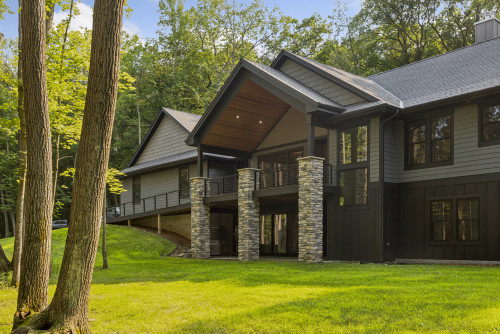
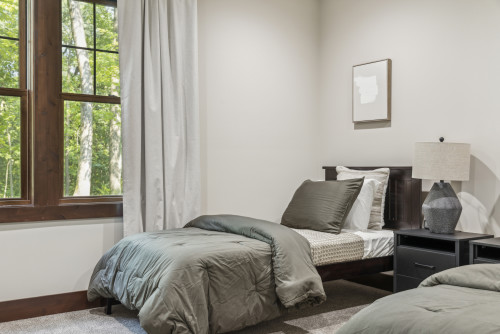
AMFM’s men’s and women’s facilities are each thoughtfully designed spaces where comfort, safety, and peace come together to support recovery. From modern, well-appointed private and shared bedrooms to inviting lounges for rest and camaraderie, every area is crafted to encourage connection and calm. Clients also enjoy tranquil outdoor areas perfect for reflection and mindfulness practices, and on-site fitness and wellness spaces. Meals are chef-prepared and nutrient-rich.
Receive a Long-Term Support Plan
A client’s aftercare plan may include ongoing support groups to expand their support network, check-ins with ongoing therapy, additional coping strategies, or medication management. Beyond personalized aftercare plans, AMFM may recommend stepping down to an outpatient program, allowing clients to transition more slowly back into their day-to-day schedules.
Highlights from the Center
Highlights
These highlights are provided by and paid for by the center.
Trauma-Informed Care
Master's Level Therapists
Tech Friendly
Gender Separate Housing
Center Overview
Treatment Focus
This center treats mental health conditions and co-occurring substance use. You receive collaborative, individualized treatment that addresses both issues for whole-person healing.
Joint Commission Accredited
The Joint Commission accreditation is a voluntary, objective process that evaluates and accredits healthcare organizations (like treatment centers) based on performance standards designed to improve quality and safety for patients. To be accredited means the treatment center has been found to meet the Commission's standards for quality and safety in patient care.

Insurance Accepted















Recovery.com Verified Listing
Recovery.com verified that the name, location, contact information and license to operate for this treatment provider are valid and up-to-date.
Joint Commission Accredited

Licensed by Minnesota
Recovery.com is an independent, third-party mental health resource. Verification does not imply endorsement and does not guarantee the quality of treatment services.
Meet Your Care Team

Angeleena Francis
Vice President of Operations
LMHC

Dr. William Dodge
Chief Medical Officer
MD

Dr. Geoffery Phillips
Psychiatrist
ABPN

Dr. Meghan Marcum
Chief Psychologist
PsyD, ABPP
Your Care Options
Specializations
Schizophrenia
Schizophrenia is a serious mental health condition that causes hallucinations, delusions, and disordered thinking.
Anxiety
Anxiety is a common mental health condition that can include excessive worry, panic attacks, physical tension, and increased blood pressure.
Bipolar
This mental health condition is characterized by extreme mood swings between depression, mania, and remission.
Depression
Symptoms of depression may include fatigue, a sense of numbness, and loss of interest in activities. This condition can range from mild to severe.
Obsessive Compulsive Disorder (OCD)
OCD is characterized by intrusive and distressing thoughts that drive repetitive behaviors. This pattern disrupts daily life and relationships.
Post Traumatic Stress Disorder
PTSD is a long-term mental health issue caused by a disturbing event or events. Symptoms include anxiety, dissociation, flashbacks, and intrusive thoughts.
Trauma
Some traumatic events are so disturbing that they cause long-term mental health problems. Those ongoing issues can also be referred to as "trauma."
Gender-Specific
Separate treatment for men or women can create strong peer connections and remove barriers related to trauma, shame, and gender-specific nuances.
Who We Treat
Men and Women
Men and women attend treatment for addiction in a co-ed setting, going to therapy groups together to share experiences, struggles, and successes.
Women only
Women attend treatment in a gender-specific facility, with treatment delivered in a safe, nourishing, and supportive environment for greater comfort.
Treatment Services
Licensed Primary Mental Health
Some primary care providers offer mental health diagnosis and treatment. This can prevent patients from developing more serious conditions.
Residential
In a residential rehab program, patients live onsite, with access to daily treatment and 24-hour care. An average stay is 30-90 days.
Approaches
Evidence-Based
A combination of scientifically rooted therapies and treatments make up evidence-based care, defined by their measured and proven results.
Family Involvement
Providers involve family in the treatment of their loved one through family therapy, visits, or both–because addiction is a family disease.
Medical
Medical addiction treatment uses approved medications to manage withdrawals and cravings, and to treat contributing mental health conditions.
Therapies
1-on-1 Counseling
Patient and therapist meet 1-on-1 to work through difficult emotions and behavioral challenges in a personal, private setting.
Acceptance and Commitment Therapy (ACT)
This cognitive behavioral therapy teaches patients to accept challenging feelings and make the appropriate changes to reach personal goals.
Animal Therapy
Animals can inspire trust and self-worth. In this experiential therapy, guided interactions are used to improve social skills and emotion regulation.
Art Therapy
Visual art invites patients to examine the emotions within their work, focusing on the process of creativity and its gentle therapeutic power.
Attachment-Based Family Therapy
ABFT is a trauma-focused therapy that teaches you to form healthy relationships by rebuilding trust and healing attachment issues formed in childhood.
Equine Therapy
Guided interactions with trained horses, their handler, and a therapist can help patients improve their self-esteem, trust, empathy, and social skills.
Experiential Therapy
With this approach, patients heal by doing. Therapists help patients process difficult emotions to speak, using guided activities like art or dance.
Languages
Conditions We Treat
ADHD, ADD
ADHD is a common mental health condition caused by dopamine imbalance. Common symptoms include inattention, hyperactivitiy, and impulsivity.
Anxiety
Anxiety is a common mental health condition that can include excessive worry, panic attacks, physical tension, and increased blood pressure.
Bipolar
This mental health condition is characterized by extreme mood swings between depression, mania, and remission.
Burnout
Burnout entails mental and physical exhaustion, and leads to a severe lack of fulfillment. This condition is often caused by overwork.
Codependency
Codependency is a pattern of emotional dependence and controlling behavior. It's most common among people with addicted loved ones.
Depression
Symptoms of depression may include fatigue, a sense of numbness, and loss of interest in activities. This condition can range from mild to severe.
Grief and Loss
Grief is a natural reaction to loss, but severe grief can interfere with your ability to function. You can get treatment for this condition.
Obsessive Compulsive Disorder (OCD)
OCD is characterized by intrusive and distressing thoughts that drive repetitive behaviors. This pattern disrupts daily life and relationships.
Substances We Treat
Co-Occurring Disorders
A person with multiple mental health diagnoses, such as addiction and depression, has co-occurring disorders also called dual diagnosis.
Aftercare
Care Designed for Your Needs
Personal Amenities
Amenities
Special Considerations
Activities
Yoga
Yoga is both a physical and spiritual practice. It includes a flow of movement, breathing techniques, and meditation.
Off-Site Activities
Off-Site Amenities
Learn More About the Center
PTSD Brain vs Normal Brain
Discover how trauma reshapes brain structure and impacts everyday emotional regulation.
How to Deal With Trauma Triggers
Learn practical strategies to reduce distress and regain control when triggers appear.
How to Manage Hearing Voices in Schizophrenia
Explore evidence-based tools that can lessen distress and improve daily functioning.
7 Signs of High-Functioning Depression You Shouldn’t Ignore
Recognize subtle symptoms that often hide behind a seemingly well-balanced life.