- Addiction
- Mental Health
- About Us
Find Treatment By
Rehabs by Location


Find Treatment By
Learn
About Us
Recovery.com combines independent research with expert guidance on addiction and mental health treatment. Our mission is to help everyone find the best path to recovery through the most comprehensive, helpful network of treatment providers worldwide.
Advisory Council
Our advisory council brings together leaders in behavioral health, technology, and business. Their diverse expertise ensures our resources and product are innovative, evidence-based, and effective. They guide our mission as accomplished individuals dedicated to improving the landscape of addiction recovery and mental wellness.
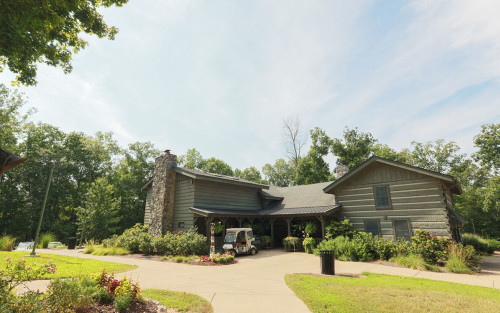
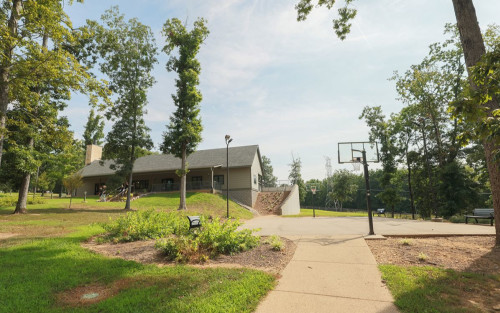


ARCH Academy Harpeth Campus
Treatment Focus
This center treats substance use disorders and co-occurring mental health conditions. Your treatment plan addresses each condition at once with personalized, compassionate care for comprehensive healing.
Primary Level of Care
Offering intensive care with 24/7 monitoring, residential treatment is typically 30 days and can cover multiple levels of care. Length can range from 14 to 90 days typically.
Claimed
Recovery.com has connected directly with this treatment provider to validate the information in their profile.
Treatment Focus
This center treats substance use disorders and co-occurring mental health conditions. Your treatment plan addresses each condition at once with personalized, compassionate care for comprehensive healing.
Primary Level of Care
Offering intensive care with 24/7 monitoring, residential treatment is typically 30 days and can cover multiple levels of care. Length can range from 14 to 90 days typically.
Provider's Policy
ARCH Academy is in network with over 40 commercial insurance companies, and they also have a self-pay option. Phase 1 is 30 days and runs $22,500, phase 2 is 4-6 months and runs $9,000 a month, and phase 3 is 1-2 months and runs $9,000 a month.
ARCH Academy Harpeth Campus
ARCH Academy Harpeth Campus
About ARCH Academy Harpeth Campus
ARCH (Adolescent Recovery of Cumberland Heights) is dedicating to serving teen boys 14-17 and their families as they overcome substance use disorders and co-occurring mental health disorders. Rooted in the 12-Step philosophy with a focus on family involvement, ARCH is dedicated to restoring lives and providing hope to teens and their loved ones.
Founding the Teen Program
They launched their first adolescent program in 1985. In 2020, they expanded their commitment to teen recovery by opening ARCH Academy’s Harpeth Campus in Kingston Springs, TN where adolescent boys can heal through evidence-based therapy, academics, and adventure-based experiences. In 2025, they expanded the ARCH program to include treatment for adolescent girls with the opening of their Ridgeview Campus in Pegram, TN. They also broadened their services by launching the Music Row intensive outpatient program (IOP), offering outpatient treatment options for teens who need flexible care.
Comprehensive 3-Phase Treatment
They have a comprehensive program that addresses the addiction, underlying co-occurring disorder, family difficulties, relational barriers, and low academic confidence. At ARCH Academy, they have medical detox, cognitive behavioral therapy (CBT), family system therapy, 12-Step group and education, experiential therapies, medication management for co-occurring disorders, psychiatric care, daily group therapy, individual and group therapy, a treatment progress incentive program, and a community service projects. ARCH Academy has a 3-phase clinical program.
Phase 1 is 30-45 days long, and they focus on getting a clear assessment of the teen through a variety of evaluations that are conducted by therapist, physicians, and psychiatric. During phase 1, the family will participate in an intensive program so that ARCH Academy can get a better understanding of the addiction and family dynamic.
During phase 2, the program length is between 90-120 days. This stage is progress-dependent, since the client has been clean long enough to dig deeper into the 12-Step program. During phase 2, the client works on the core reason behind the addiction and focuses on coping skills. At the end of phase 2, clients focus on the transition plan of returning home or the next phase.
Next is phase 3, the transition phase, and this phase is generally 2-4 weeks. Clients work on their transition plan during phase 3 with clear academic goals and 12-Step home recovery plan. Some experiential therapies include art therapy, music therapy, yoga and mindfulness, and recreational therapy like ropes courses.
Scenic Location
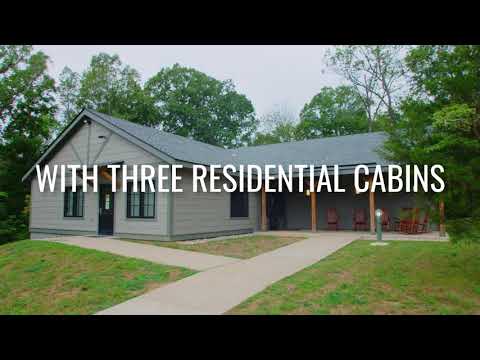
ARCH Academy is nestled in a lush, wooded area just outside Nashville and within walking distance to hiking trails and the Harpeth River. Clients can roam on over 67 acres of land at ARCH Academy. They have shared and private rooms with shared bathrooms. Clients can enjoy fishing, hiking, walking the trails, a ropes course, swimming in the local river, and off-site adventurous outings.
Center Overview
Treatment Focus
This center treats substance use disorders and co-occurring mental health conditions. Your treatment plan addresses each condition at once with personalized, compassionate care for comprehensive healing.
Insurance Accepted






Cash Pay Rates
Estimated Cash Pay Rate
Center pricing can vary based on program and length of stay. Contact the center for more information. Recovery.com strives for price transparency so you can make an informed decision.
Levels of Care


Your Care Options
Specializations
Adolescents
Teens receive the treatment they need for mental health disorders and addiction, with the added support of educational and vocational services.
Co-Occurring Disorders
A person with multiple mental health diagnoses, such as addiction and depression, has co-occurring disorders also called dual diagnosis.
Drug Addiction
Drug addiction is the excessive and repetitive use of substances, despite harmful consequences to a person's life, health, and relationships.
Experiential Therapy
With this approach, patients heal by doing. Therapists help patients process difficult emotions to speak, using guided activities like art or dance.
Who We Treat
Adolescents
Teens receive the treatment they need for mental health disorders and addiction, with the added support of educational and vocational services.
Approaches
Evidence-Based
A combination of scientifically rooted therapies and treatments make up evidence-based care, defined by their measured and proven results.
Experiential
Expressive tools and therapies help patients process past situations, learn more about themselves, and find healing through action.
Twelve Step
Incorporating spirituality, community, and responsibility, 12-Step philosophies prioritize the guidance of a Higher Power and a continuation of 12-Step practices.
Therapies
1-on-1 Counseling
Patient and therapist meet 1-on-1 to work through difficult emotions and behavioral challenges in a personal, private setting.
Adventure Therapy
This experiential approach uses the physical and emotional challenges of outdoor activities as tools for personal growth.
Art Therapy
Visual art invites patients to examine the emotions within their work, focusing on the process of creativity and its gentle therapeutic power.
Equine Therapy
Guided interactions with trained horses, their handler, and a therapist can help patients improve their self-esteem, trust, empathy, and social skills.
Experiential Therapy
With this approach, patients heal by doing. Therapists help patients process difficult emotions to speak, using guided activities like art or dance.
Eye Movement Therapy (EMDR)
Lateral, guided eye movements help reduce the emotional reactions of retelling and reprocessing trauma, allowing intense feelings to dissipate.
Family Therapy
Family therapy addresses group dynamics within a family system, with a focus on improving communication and interrupting unhealthy relationship patterns.
Languages
Conditions We Treat
Anxiety
Anxiety is a common mental health condition that can include excessive worry, panic attacks, physical tension, and increased blood pressure.
Depression
Symptoms of depression may include fatigue, a sense of numbness, and loss of interest in activities. This condition can range from mild to severe.
Trauma
Some traumatic events are so disturbing that they cause long-term mental health problems. Those ongoing issues can also be referred to as "trauma."
Substances We Treat
Alcohol
Using alcohol as a coping mechanism, or drinking excessively throughout the week, signals an alcohol use disorder.
Benzodiazepines
Benzodiazepines are prescribed to treat anxiety and sleep issues. They are highly habit forming, and their abuse can cause mood changes and poor judgement.
Co-Occurring Disorders
A person with multiple mental health diagnoses, such as addiction and depression, has co-occurring disorders also called dual diagnosis.
Cocaine
Cocaine is a stimulant with euphoric effects. Agitation, muscle ticks, psychosis, and heart issues are common symptoms of cocaine abuse.
Drug Addiction
Drug addiction is the excessive and repetitive use of substances, despite harmful consequences to a person's life, health, and relationships.
Heroin
Heroin is a highly addictive and illegal opioid. It can cause insomnia, collapsed veins, heart issues, and additional mental health issues.
Methamphetamine
Methamphetamine, or meth, increases energy, agitation, and paranoia. Long-term use can result in severe physical and mental health issues.
Opioids
Opioids produce pain-relief and euphoria, which can lead to addiction. This class of drugs includes prescribed medication and the illegal drug heroin.
Aftercare
Care Designed for Your Needs
Personal Amenities
Amenities
Special Considerations
Gender-specific groups
Patients in gender-specific groups gain the opportunity to discuss challenges unique to their gender in a comfortable, safe setting conducive to healing.