- Addiction
- Mental Health
- About Us
Find Treatment By
Rehabs by Location


Find Treatment By
Learn
About Us
Recovery.com combines independent research with expert guidance on addiction and mental health treatment. Our mission is to help everyone find the best path to recovery through the most comprehensive, helpful network of treatment providers worldwide.
Advisory Council
Our advisory council brings together leaders in behavioral health, technology, and business. Their diverse expertise ensures our resources and product are innovative, evidence-based, and effective. They guide our mission as accomplished individuals dedicated to improving the landscape of addiction recovery and mental wellness.

Aurora Belmont Private Clinic
Treatment Focus
This center treats mental health conditions and co-occurring substance use. You receive collaborative, individualized treatment that addresses both issues for whole-person healing.
Primary Level of Care
Offering intensive care with 24/7 monitoring, residential treatment is typically 30 days and can cover multiple levels of care. Length can range from 14 to 90 days typically.
This provider hasn't verified their profile's information. Are you the owner of this center? Claim your listing to better manage your presence on Recovery.com.
Treatment Focus
This center treats mental health conditions and co-occurring substance use. You receive collaborative, individualized treatment that addresses both issues for whole-person healing.
Primary Level of Care
Offering intensive care with 24/7 monitoring, residential treatment is typically 30 days and can cover multiple levels of care. Length can range from 14 to 90 days typically.
Provider's Policy
We have contracts with the majority of private health insurance funds. Before admission, we will check your fund details. If your private health insurance does not fully cover your stay, we will let you know your estimated out-of-pocket expenses. You will need to pay this before admission.
Aurora Belmont Private Clinic
Aurora Belmont Private Clinic
About Aurora Belmont Private Clinic
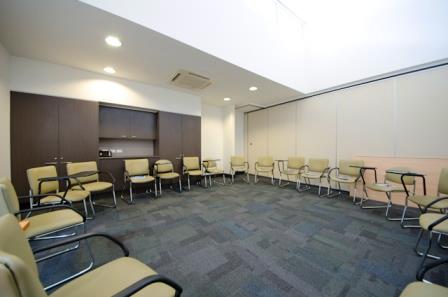
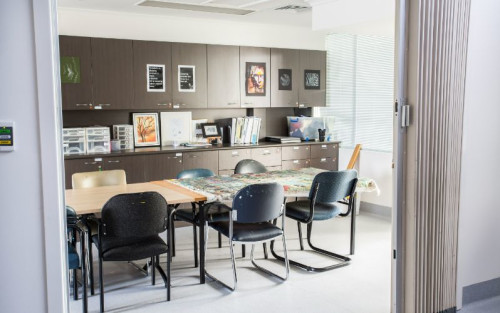
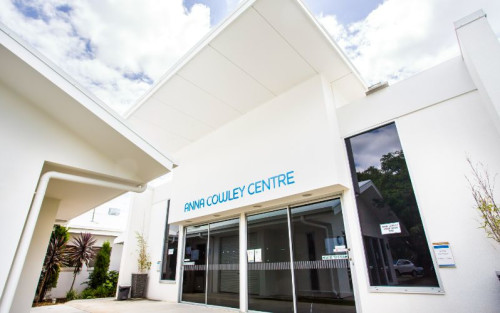
Set in the southeast part of Brisbane, near Whatmore Street Park, Aurora Belmont Private Hospital is accredited by the Australian Council on Healthcare Standards to treat adolescents and adults for mental health and substance use disorders with residential and day treatment. Their private 185-bed facility offers free WiFi, a bedside phone, a TV with Foxtel, and snacks.
Aurora Belmont Private Hospital admits clients using referrals from their GP or treating doctor to a psychiatrist at Aurora. Conditions they treat include addictive disorders, anxiety, ADHD, autism, bipolar disorder, borderline personality disorder, depression, mood disorders, OCD, PTSD, psychopharmacology, psychosis, trauma, and disassociation.
Visits
Aurora welcomes and encourages visitors. Their onsite cafe for visitors and caretakers operates Monday to Friday from 7:30 a.m. to 1:30 p.m. and Saturday and Sunday from 9 a.m. to 12 p.m.
There is some onsite parking for visitors and staff. Clients leaving an inpatient stay cannot drive off the facility, so Aurora recommends having a caretaker drop off and pick up the client. During the admission process, they ask caretakers to drop off the client at the door and then return during visiting hours.
Programs
Aurora Belmont Private Hospital programs include acceptance and commitment therapy (ACT), cognitive behavioral therapy (CBT), specialized CBT for mothers, dialectical behavior therapy (DBT), radically open DBT, experiential art therapy, disassociation therapy, medication management, positive parenting coaching, PTSD for veterans and first responders, hormonal balances, nutrition therapy, transcranial magnetic stimulation (TMS), and electroconvulsive therapy (ECT). They even have therapy geared to young adults 18-25 and therapy geared to older adults 65+ with aging-related challenges like Alzheimer's and dementia.
TMS treatment lasts for about 4 weeks with 20-30 treatments. To track the progress of TMS, Aurora administers questionnaires to clients on their mental state at the beginning of treatment, after 2 weeks of treatment, after all 4 weeks of treatment, and 2 weeks after treatment was completed.
Aurora Belmont Private Hospital's stabilization unit cares for clients who need intensive monitoring before they can participate in other programs.
Their treatment for substance use disorders is abstinence-based.
Although Aurora Belmont Private Hospital isn't a religious facility, they can incorporate religious care by clergy upon request.
Amenities
Each client has a private room with free WiFi, a bedside phone, and a TV with Foxtel. They can grab snacks in the lobby. The facility includes a basketball court and gardens.
Aurora Belmont Private Hospital organizes offsite excursions for coffee, beach walks, shopping, and visiting local parks.
Additional Locations
Aurora operates 16 clinics across Australia that offer similar treatments with specialized tracks for older and younger adults.
Inside Aurora Belmont Private Hospital, independent clinics Belmont Consulting Suites and Belmont Psychology Clinic offer additional services and operate independently.

Center Overview
Treatment Focus
This center treats mental health conditions and co-occurring substance use. You receive collaborative, individualized treatment that addresses both issues for whole-person healing.
Insurance Accepted
Cash Pay Rates
Estimated Cash Pay Rate
Center pricing can vary based on program and length of stay. Contact the center for more information. Recovery.com strives for price transparency so you can make an informed decision.
Levels of Care


Your Care Options
Specializations
Older Adults
Addiction and mental health treatment caters to adults 55+ and the age-specific challenges that can come with recovery, wellness, and overall happiness.
Bio-Medical
A philosophy focusing on the biomechanics behind mental health disorders, using prescribed medications as a supplement to behavioral therapy.
Expressive Arts
Creative processes like art, writing, or dance use inner creative desires to help boost confidence, emotional growth, and initiate change.
Young Adults
Emerging adults ages 18-25 receive treatment catered to the unique challenges of early adulthood, like college, risky behaviors, and vocational struggles.
Veterans
Patients who completed active military duty receive specialized treatment focused on trauma, grief, loss, and finding a new work-life balance.
Who We Treat
Young Adults
Emerging adults ages 18-25 receive treatment catered to the unique challenges of early adulthood, like college, risky behaviors, and vocational struggles.
Men and Women
Men and women attend treatment for addiction in a co-ed setting, going to therapy groups together to share experiences, struggles, and successes.
Veterans
Patients who completed active military duty receive specialized treatment focused on trauma, grief, loss, and finding a new work-life balance.
Approaches
Bio-Medical
A philosophy focusing on the biomechanics behind mental health disorders, using prescribed medications as a supplement to behavioral therapy.
Evidence-Based
A combination of scientifically rooted therapies and treatments make up evidence-based care, defined by their measured and proven results.
Family Involvement
Providers involve family in the treatment of their loved one through family therapy, visits, or both–because addiction is a family disease.
Holistic
A non-medicinal, wellness-focused approach that aims to align the mind, body, and spirit for deep and lasting healing.
Individual Treatment
Individual care meets the needs of each patient, using personalized treatment to provide them the most relevant care and greatest chance of success.
Therapies
1-on-1 Counseling
Patient and therapist meet 1-on-1 to work through difficult emotions and behavioral challenges in a personal, private setting.
Acceptance and Commitment Therapy (ACT)
This cognitive behavioral therapy teaches patients to accept challenging feelings and make the appropriate changes to reach personal goals.
Art Therapy
Visual art invites patients to examine the emotions within their work, focusing on the process of creativity and its gentle therapeutic power.
Expressive Arts
Creative processes like art, writing, or dance use inner creative desires to help boost confidence, emotional growth, and initiate change.
Interpersonal Therapy
This brief and structured therapy addresses present relationships and improves overall communication at work, home, and other social settings.
Life Skills
Teaching life skills like cooking, cleaning, clear communication, and even basic math provides a strong foundation for continued recovery.
Languages
Conditions We Treat
ADHD, ADD
ADHD is a common mental health condition caused by dopamine imbalance. Common symptoms include inattention, hyperactivitiy, and impulsivity.
Anger
Although anger itself isn't a disorder, it can get out of hand. If this feeling interferes with your relationships and daily functioning, treatment can help.
Anxiety
Anxiety is a common mental health condition that can include excessive worry, panic attacks, physical tension, and increased blood pressure.
Bipolar
This mental health condition is characterized by extreme mood swings between depression, mania, and remission.
Depression
Symptoms of depression may include fatigue, a sense of numbness, and loss of interest in activities. This condition can range from mild to severe.
Personality Disorders
Personality disorders destabilize the way a person thinks, feels, and behaves. If untreated, they can undermine relationships and lead to severe distress.
Post Traumatic Stress Disorder
PTSD is a long-term mental health issue caused by a disturbing event or events. Symptoms include anxiety, dissociation, flashbacks, and intrusive thoughts.
Trauma
Some traumatic events are so disturbing that they cause long-term mental health problems. Those ongoing issues can also be referred to as "trauma."
Substances We Treat
Alcohol
Using alcohol as a coping mechanism, or drinking excessively throughout the week, signals an alcohol use disorder.
Co-Occurring Disorders
A person with multiple mental health diagnoses, such as addiction and depression, has co-occurring disorders also called dual diagnosis.
Drug Addiction
Drug addiction is the excessive and repetitive use of substances, despite harmful consequences to a person's life, health, and relationships.
Care Designed for Your Needs
Personal Amenities
Amenities
Special Considerations
Young Adults Program
Programs for young adults bring teens 18+ together to discuss age-specific challenges, vocational and educational progress, and successes in treatment.
Gender-specific groups
Patients in gender-specific groups gain the opportunity to discuss challenges unique to their gender in a comfortable, safe setting conducive to healing.
First Responders Program
Paramedics, police officers, firefighters, and others join in a specific First Responders program, usually focused on trauma, grief, and work-life balance.