- Addiction
- Mental Health
- About Us
Find Treatment By
Rehabs by Location


Find Treatment By
Learn
About Us
Recovery.com combines independent research with expert guidance on addiction and mental health treatment. Our mission is to help everyone find the best path to recovery through the most comprehensive, helpful network of treatment providers worldwide.
Advisory Council
Our advisory council brings together leaders in behavioral health, technology, and business. Their diverse expertise ensures our resources and product are innovative, evidence-based, and effective. They guide our mission as accomplished individuals dedicated to improving the landscape of addiction recovery and mental wellness.


EHN Bellwood Toronto
Verified Center
This provider's information has been quality-checked by Recovery.com's Research Team for accuracy and completeness, including center verification through appropriate third-party organizations.
Treatment Focus
This center treats substance use disorders and mental health conditions. You'll receive individualized care catered to your unique situation and diagnosis, learn practical skills for recovery, and make new connections in a restorative environment.
Primary Level of Care
Offering intensive care with 24/7 monitoring, residential treatment is typically 30 days and can cover multiple levels of care. Length can range from 14 to 90 days typically.
Treatment Focus
This center treats substance use disorders and mental health conditions. You'll receive individualized care catered to your unique situation and diagnosis, learn practical skills for recovery, and make new connections in a restorative environment.
Primary Level of Care
Offering intensive care with 24/7 monitoring, residential treatment is typically 30 days and can cover multiple levels of care. Length can range from 14 to 90 days typically.
Provider's Policy
EHN Bellwood Toronto’s treatment programs can vary in coverage depending on your insurance plan. Contact the EHN Bellwood team so they can help understand your coverage.
EHN Bellwood Toronto
EHN Bellwood Toronto
About EHN Bellwood Toronto
EHN Bellwood Toronto provides addiction treatment, co-occurring mental health disorders, and primary mental health conditions. They offer multiple treatment tracks for specific diagnoses or conditions. They provide inpatient treatment and a Virtual Intensive Treatment Program (VITP), an online rehab program available through their app.
Whole-Person Approach to Recovery
EHN Bellwood Toronto uses a biopsychosocial (mind and body) approach for comprehensive recovery. EHN Bellwood Toronto has talented therapists, counselors, clinicians, nutritionists, occupational therapists, and family therapists. Nurses monitor treatment 24/7, during and after detox. EHN Bellwood Toronto implements a strengths-based treatment method to help clients realize their power in their long-term recovery.
Evidence-Based And Holistic Treatment
EHN Bellwood Toronto offers a variety of evidence-based therapies for addiction and mental health. These include cognitive behavioral therapy (CBT), dialectical behavioral therapy (DBT), cognitive processing therapy (CPT), accelerated resolution therapy (ART), and 12-Step peer groups. EHN Bellwood Toronto also offers recovery Dharma groups and SMART (Self-Management and Recovery Training) recovery groups. Their wellness services include yoga, hiking, fitness, mindfulness activities, art therapy, and group acupuncture.
EHN Bellwood Toronto also includes family, with family therapy sessions and a two-day educational workshop to help families become supportive allies for their loved ones.
Comfortable And Rejuvenating
Clients at EHN Bellwood Toronto can enjoy a shared or single room, an on-site café run by alumni, a gym, and a basketball and volleyball court. After treatment, clients can access a full year of aftercare services from EHN Bellwood Toronto. This includes in-person and online sessions and lifelong access to a strong alumni network. Clients can move into an IOP after residential treatment and ultimately return home with a uniquely tailored relapse prevention plan.

Highlights from the Center
Highlights
These highlights are provided by and paid for by the center.
Co-Occurring Disorders Treatment
Holistic Approach
Trauma-Informed Care
Addiction Recovery
Center Overview
Treatment Focus
This center treats substance use disorders and mental health conditions. You'll receive individualized care catered to your unique situation and diagnosis, learn practical skills for recovery, and make new connections in a restorative environment.

Insurance Accepted




Recovery.com Verified Listing
Recovery.com verified that the name, location, contact information and license to operate for this treatment provider are valid and up-to-date.

Accreditation Canada Accredited

Licensed by Ontario
Recovery.com is an independent, third-party mental health resource. Verification does not imply endorsement and does not guarantee the quality of treatment services.
Meet Your Care Team

Rochelle Hildebrand
Vice President, Operations and Outpatient

Kristen Cleary
Director, National Operations

Omer Vandevyvere
Clinical Director
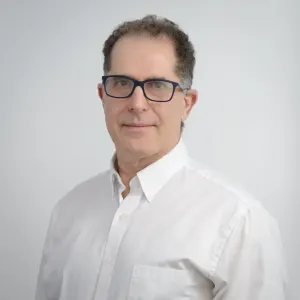
Dr. Mark Weiss
Medical Director
MD, MCFP

Dr. Kalam Sutandar
Psychiatrist
MD, MSc, FRCPC

Tanya Do
Nurse Practitioner
MN, NP-PHC

Judy Dixon
Clinical Nurse Manager
MSN, RN
Amy Kohl
Dietician
RD
Margaret Fieldhouse
Nutritionist
Your Care Options
Specializations
Alcohol
Using alcohol as a coping mechanism, or drinking excessively throughout the week, signals an alcohol use disorder.
Co-Occurring Disorders
A person with multiple mental health diagnoses, such as addiction and depression, has co-occurring disorders also called dual diagnosis.
Drug Addiction
Drug addiction is the excessive and repetitive use of substances, despite harmful consequences to a person's life, health, and relationships.
Heroin
Heroin is a highly addictive and illegal opioid. It can cause insomnia, collapsed veins, heart issues, and additional mental health issues.
Opioids
Opioids produce pain-relief and euphoria, which can lead to addiction. This class of drugs includes prescribed medication and the illegal drug heroin.
Who We Treat
Young Adults
Emerging adults ages 18-25 receive treatment catered to the unique challenges of early adulthood, like college, risky behaviors, and vocational struggles.
LGBTQ+
Addiction and mental illnesses in the LGBTQ+ community must be treated with an affirming, safe, and relevant approach, which many centers provide.
Men and Women
Men and women attend treatment for addiction in a co-ed setting, going to therapy groups together to share experiences, struggles, and successes.
Treatment Services
Intensive Outpatient Program
In an IOP, patients live at home or a sober living, but attend treatment typically 9-15 hours a week. Most programs include talk therapy, support groups, and other methods.
Licensed Primary Mental Health
Some primary care providers offer mental health diagnosis and treatment. This can prevent patients from developing more serious conditions.
Residential
In a residential rehab program, patients live onsite, with access to daily treatment and 24-hour care. An average stay is 30-90 days.
Approaches
Evidence-Based
A combination of scientifically rooted therapies and treatments make up evidence-based care, defined by their measured and proven results.
Family Involvement
Providers involve family in the treatment of their loved one through family therapy, visits, or both–because addiction is a family disease.
Holistic
A non-medicinal, wellness-focused approach that aims to align the mind, body, and spirit for deep and lasting healing.
Personalized Treatment
The specific needs, histories, and conditions of individual patients receive personalized, highly relevant care throughout their recovery journey.
Wellness
Wellness philosophies focus on the physical, mental, and spiritual wellness of each patient, helping them restore purpose with natural remedies.
Therapies
1-on-1 Counseling
Patient and therapist meet 1-on-1 to work through difficult emotions and behavioral challenges in a personal, private setting.
Acceptance and Commitment Therapy (ACT)
This cognitive behavioral therapy teaches patients to accept challenging feelings and make the appropriate changes to reach personal goals.
Art Therapy
Visual art invites patients to examine the emotions within their work, focusing on the process of creativity and its gentle therapeutic power.
Body Image Therapy
Therapists use cognitive behavior techniques to challenge how patients perceive their body and their worth, rewriting negative thoughts and attitudes.
Family Therapy
Family therapy addresses group dynamics within a family system, with a focus on improving communication and interrupting unhealthy relationship patterns.
Languages
Conditions We Treat
Anxiety
Anxiety is a common mental health condition that can include excessive worry, panic attacks, physical tension, and increased blood pressure.
Depression
Symptoms of depression may include fatigue, a sense of numbness, and loss of interest in activities. This condition can range from mild to severe.
Eating Disorders
An eating disorder is a long-term pattern of unhealthy behavior relating to food. Most people with eating disorders have a distorted self-image.
Post Traumatic Stress Disorder
PTSD is a long-term mental health issue caused by a disturbing event or events. Symptoms include anxiety, dissociation, flashbacks, and intrusive thoughts.
Trauma
Some traumatic events are so disturbing that they cause long-term mental health problems. Those ongoing issues can also be referred to as "trauma."
Substances We Treat
Alcohol
Using alcohol as a coping mechanism, or drinking excessively throughout the week, signals an alcohol use disorder.
Benzodiazepines
Benzodiazepines are prescribed to treat anxiety and sleep issues. They are highly habit forming, and their abuse can cause mood changes and poor judgement.
Chronic Relapse
Consistent relapse occurs repeatedly, after partial recovery from addiction. This condition requires long-term treatment.
Co-Occurring Disorders
A person with multiple mental health diagnoses, such as addiction and depression, has co-occurring disorders also called dual diagnosis.
Cocaine
Cocaine is a stimulant with euphoric effects. Agitation, muscle ticks, psychosis, and heart issues are common symptoms of cocaine abuse.
Drug Addiction
Drug addiction is the excessive and repetitive use of substances, despite harmful consequences to a person's life, health, and relationships.
Ecstasy
Ecstasy is a stimulant that causes intense euphoria and heightened awareness. Abuse of this drug can trigger depression, insomnia, and memory problems.
Heroin
Heroin is a highly addictive and illegal opioid. It can cause insomnia, collapsed veins, heart issues, and additional mental health issues.
Aftercare
Care Designed for Your Needs
Personal Amenities
Amenities
Special Considerations
First Responders Program
Paramedics, police officers, firefighters, and others join in a specific First Responders program, usually focused on trauma, grief, and work-life balance.
Activities
Yoga
Yoga is both a physical and spiritual practice. It includes a flow of movement, breathing techniques, and meditation.
Off-Site Activities
Learn More About the Center
Featured in The Globe And Mail
The Globe And Mail describes how EHN Canada and Bellwood Health Services bring heart and compassion to treatment.
Featured in Best Health
Best Health featured one of EHN Canada’s recreational therapists, Ashley Roth, for her advice on stress management and priotizing time.
The History of EHN Bellwood Toronto
Learn more about the founder of Bellwood Health Services and what their facility offers.
CBT And DBT: What Are They?
Bellwood Health Services explains what CBT and DBT are, and how they can help with recovery.