- Addiction
- Mental Health
- About Us
Find Treatment By
Rehabs by Location


Find Treatment By
Learn
About Us
Recovery.com combines independent research with expert guidance on addiction and mental health treatment. Our mission is to help everyone find the best path to recovery through the most comprehensive, helpful network of treatment providers worldwide.
Advisory Council
Our advisory council brings together leaders in behavioral health, technology, and business. Their diverse expertise ensures our resources and product are innovative, evidence-based, and effective. They guide our mission as accomplished individuals dedicated to improving the landscape of addiction recovery and mental wellness.




CMC Berkshires (Center for Motivation and Change)
Verified Center
This provider's information has been quality-checked by Recovery.com's Research Team for accuracy and completeness, including center verification through appropriate third-party organizations.
Treatment Focus
This center treats substance use disorders and co-occurring mental health conditions. Your treatment plan addresses each condition at once with personalized, compassionate care for comprehensive healing.
Primary Level of Care
Offering intensive care with 24/7 monitoring, residential treatment is typically 30 days and can cover multiple levels of care. Length can range from 14 to 90 days typically.
Treatment Focus
This center treats substance use disorders and co-occurring mental health conditions. Your treatment plan addresses each condition at once with personalized, compassionate care for comprehensive healing.
Primary Level of Care
Offering intensive care with 24/7 monitoring, residential treatment is typically 30 days and can cover multiple levels of care. Length can range from 14 to 90 days typically.
Private Pay
You pay directly for treatment out of pocket. This approach can offer enhanced privacy and flexibility, without involving insurance. Exact costs vary based on program and length of stay. Contact the center for specific details.
CMC Berkshires (Center for Motivation and Change)
CMC Berkshires (Center for Motivation and Change)
About CMC Berkshires (Center for Motivation and Change)
Through compassion, collaboration, and the best science has to offer, the Center for Motivation and Change (CMC) helps people with addiction and co-occurring mental health conditions make lasting, life-enhancing changes. They use evidence-based approaches to address substance use, compulsive behaviors, and other mental health issues, including trauma. Their 12-person clinical team comprising a board-certified psychiatrist, psychologists, master’s-level clinicians, and social workers, which enables CMC:Berkshires to provide truly individualized care for clients and their families.
Engage in Motivational Therapies
CMC:Berkshire’s approach helps clients identify their own compelling reasons for change and map out a path they can endorse, not just endure. Rather than focusing solely on stopping unwanted behaviors, their team motivates clients to accomplish their goals and develop a fulfilling life. Clients receive 3+ weekly 1:1 sessions with their primary clinician, 3 daily group sessions, and at least 2 weekly sessions with their family therapist. These therapies include cognitive behavioral therapy (CBT), dialectical behavioral therapy (DBT), trauma-focused therapies, and more. CMC:Berkshires offers non-12-Step care and incorporates 12-Step principles only as desired.
Make Sense of Traumatic Experiences
CMC:Berkshires’ clinicians are trained in gold-standard protocols for treating trauma and PTSD, working with clients to select the most effective treatment for them. They offer Prolonged Exposure therapy (PE & COPE), Skills Training in Affective and Interpersonal Regulation (STAIR), Cognitive Processing Therapy (CPT), Somatic Experiencing (SE), Written Exposure Therapy (WET), and Eye Movement Desensitization and Reprocessing (EMDR).
Practice New Skills in a Peaceful Setting
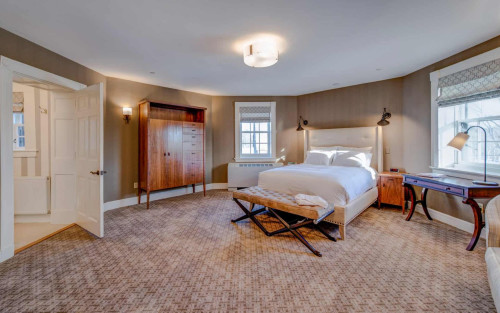
CMC:Berkshires is a 15-resident community in a stunning manor house less than 3 hours from New York City and Boston. Each client enjoys a private, spacious bedroom with an en suite bathroom. In addition to comfortable living, dining, and therapy areas, the spectacular patio offers 50-mile views. On their 200-acre property, a pond provides fishing and kayaking opportunities, and additional features include a driving range, sledding hill, and outdoor yoga deck. Flexible technology policies and office spaces allow clients to use devices outside therapy hours.
Highlights from the Center
Highlights
These highlights are provided by and paid for by the center.
Doctorate Level One-On-One Therapy
Utmost Confidentiality
Private Rooms Only
Tech Friendly
Center Overview
Treatment Focus
This center treats substance use disorders and co-occurring mental health conditions. Your treatment plan addresses each condition at once with personalized, compassionate care for comprehensive healing.

Pricing and Program Length
Estimated Center Costs
The cost listed here ($79,000-$86,000), is an estimate of program cost. Center price can vary based on program and length of stay. Contact the center for more information. Recovery.com strives for price transparency so you can make an informed decision.


Recovery.com Verified Listing
Recovery.com verified that the name, location, contact information and license to operate for this treatment provider are valid and up-to-date.

Licensed by Massachusetts
Recovery.com is an independent, third-party mental health resource. Verification does not imply endorsement and does not guarantee the quality of treatment services.
Meet Your Care Team

Jeffrey Foote
Co-founder and Executive Director
PhD
Carrie Wilkens
Co-founder and Clinical Director
PhD

Ed Bevan
Senior Clinician
PsyD

Elisabeth Fonseca
Senior Clinician
PhD

Melanie Podsiadlo
Senior Clinician
PsyD

Tanya Beecher
Senior Clinician
MSW, LICSW
Nicole Kosanke
Director of Family Services
PhD

Kenneth Carpenter
Director of Training
PhD
Julie Jarvis
Director of Intensive Services
PhD
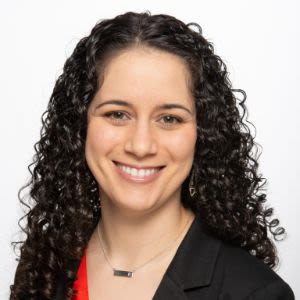
Rachel Proujansky
Director of Trauma Services
PsyD

Rebecca Barber
Senior Clinician
PhD
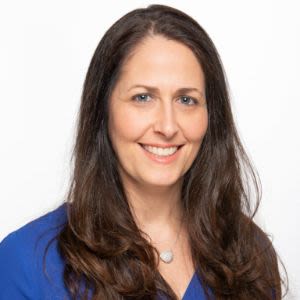
Nicole Heitler
Senior Clinician
PsyD

Dan Rayhill
Senior Clinician
PhD

Amy Sugarman
Senior Clinician
PhD

Jami Wolf
Senior Clinical Supervisor - Trauma Team
PsyD

Dana Gruber
Clinical Director
PhD

Dr. Jeoffrey Hill
Medical Director
MD

Anthony Giovanone
Psychiatric Director
D.O.

Megan King
Admissions Director
LMHC

Jarell Myers
Director of Adolescent Services
PhD
Your Care Options
Specializations
Alcohol
Using alcohol as a coping mechanism, or drinking excessively throughout the week, signals an alcohol use disorder.
Co-Occurring Disorders
A person with multiple mental health diagnoses, such as addiction and depression, has co-occurring disorders also called dual diagnosis.
Depression
Symptoms of depression may include fatigue, a sense of numbness, and loss of interest in activities. This condition can range from mild to severe.
Drug Addiction
Drug addiction is the excessive and repetitive use of substances, despite harmful consequences to a person's life, health, and relationships.
Executives
Executive treatment programs typically directly support the needs of people who manage businesses and may provide flexible schedules and office space to allow work during treatment.
Prescription Drugs
It's possible to abuse any drug, even prescribed ones. If you crave a medication, or regularly take it more than directed, you may have an addiction.
Trauma
Some traumatic events are so disturbing that they cause long-term mental health problems. Those ongoing issues can also be referred to as "trauma."
Who We Treat
Older Adults
Addiction and mental health treatment caters to adults 55+ and the age-specific challenges that can come with recovery, wellness, and overall happiness.
Executives
Executive treatment programs typically directly support the needs of people who manage businesses and may provide flexible schedules and office space to allow work during treatment.
Men and Women
Men and women attend treatment for addiction in a co-ed setting, going to therapy groups together to share experiences, struggles, and successes.
Midlife Adults
For adults ages 40+, treatment shifts to focus on the unique challenges, blocks, and risk factors of their age group, and unites peers in a similar community.
Professionals
Busy, high-ranking professionals get the personalized treatment they need with greater accommodations for work, privacy, and outside communication.
Treatment Services
Outpatient
During outpatient rehab, patients attend a structured treatment program while continuing to live at home.
Residential
In a residential rehab program, patients live onsite, with access to daily treatment and 24-hour care. An average stay is 30-90 days.
Approaches
Evidence-Based
A combination of scientifically rooted therapies and treatments make up evidence-based care, defined by their measured and proven results.
Family Involvement
Providers involve family in the treatment of their loved one through family therapy, visits, or both–because addiction is a family disease.
Individual Treatment
Individual care meets the needs of each patient, using personalized treatment to provide them the most relevant care and greatest chance of success.
Therapies
1-on-1 Counseling
Patient and therapist meet 1-on-1 to work through difficult emotions and behavioral challenges in a personal, private setting.
Acceptance and Commitment Therapy (ACT)
This cognitive behavioral therapy teaches patients to accept challenging feelings and make the appropriate changes to reach personal goals.
Couples Counseling
Partners work to improve their communication patterns, using advice from their therapist to better their relationship and make healthy changes.
Eye Movement Therapy (EMDR)
Lateral, guided eye movements help reduce the emotional reactions of retelling and reprocessing trauma, allowing intense feelings to dissipate.
Family Therapy
Family therapy addresses group dynamics within a family system, with a focus on improving communication and interrupting unhealthy relationship patterns.
Languages
Conditions We Treat
Anger
Although anger itself isn't a disorder, it can get out of hand. If this feeling interferes with your relationships and daily functioning, treatment can help.
Anxiety
Anxiety is a common mental health condition that can include excessive worry, panic attacks, physical tension, and increased blood pressure.
Codependency
Codependency is a pattern of emotional dependence and controlling behavior. It's most common among people with addicted loved ones.
Depression
Symptoms of depression may include fatigue, a sense of numbness, and loss of interest in activities. This condition can range from mild to severe.
Obsessive Compulsive Disorder (OCD)
OCD is characterized by intrusive and distressing thoughts that drive repetitive behaviors. This pattern disrupts daily life and relationships.
Personality Disorders
Personality disorders destabilize the way a person thinks, feels, and behaves. If untreated, they can undermine relationships and lead to severe distress.
Post Traumatic Stress Disorder
PTSD is a long-term mental health issue caused by a disturbing event or events. Symptoms include anxiety, dissociation, flashbacks, and intrusive thoughts.
Stress
Stress is a natural reaction to challenges, and it can even help you adapt. However, chronic stress can cause physical and mental health issues.
Trauma
Some traumatic events are so disturbing that they cause long-term mental health problems. Those ongoing issues can also be referred to as "trauma."
Substances We Treat
Alcohol
Using alcohol as a coping mechanism, or drinking excessively throughout the week, signals an alcohol use disorder.
Benzodiazepines
Benzodiazepines are prescribed to treat anxiety and sleep issues. They are highly habit forming, and their abuse can cause mood changes and poor judgement.
Co-Occurring Disorders
A person with multiple mental health diagnoses, such as addiction and depression, has co-occurring disorders also called dual diagnosis.
Cocaine
Cocaine is a stimulant with euphoric effects. Agitation, muscle ticks, psychosis, and heart issues are common symptoms of cocaine abuse.
Drug Addiction
Drug addiction is the excessive and repetitive use of substances, despite harmful consequences to a person's life, health, and relationships.
Ecstasy
Ecstasy is a stimulant that causes intense euphoria and heightened awareness. Abuse of this drug can trigger depression, insomnia, and memory problems.
Heroin
Heroin is a highly addictive and illegal opioid. It can cause insomnia, collapsed veins, heart issues, and additional mental health issues.
Methamphetamine
Methamphetamine, or meth, increases energy, agitation, and paranoia. Long-term use can result in severe physical and mental health issues.
Aftercare
Care Designed for Your Needs
Personal Amenities
Amenities
Special Considerations
Healthy Meals are provided
Great food meets great treatment, with providers serving healthy meals to restore nutrition, wellbeing, and health.
Flexible technology policies
Centers with flexible technology policies allow professionals to stay in touch with work and give patients a greater sense of connection and normalcy.
Activities
Yoga
Yoga is both a physical and spiritual practice. It includes a flow of movement, breathing techniques, and meditation.
Off-Site Activities
Learn More About the Center
The Invitation to Change®
Learn how this compassionate, practical approach reduces shame and stigma, while providing tools to foster growth and promote change.
Community Reinforcement and Family Training
Find out more about CRAFT, a skills-based program for families of people who struggle with addiction.
The Beyond Addiction Show
Listen to episodes of CMC’s weekly podcast with leaders in the fields of treatment and research.
CMC in the News
Discover podcasts, articles, and video appearances by CMC clinicians.
What people are saying
Treatment
4.0
Accommodations
5.0
Food & Nutrition
5.0
Value
3.5
Michael D
Treatment in 2020 • (45 days) • Reviewed 05/04/24
Former Client
•Graphic Designer
Anonymous
Treatment in 2025 • (60 days) • Reviewed 01/09/25
Loved One of a Former Client
•New England