- Addiction
- Mental Health
- About Us
Find Treatment By
Rehabs by Location


Find Treatment By
Learn
About Us
Recovery.com combines independent research with expert guidance on addiction and mental health treatment. Our mission is to help everyone find the best path to recovery through the most comprehensive, helpful network of treatment providers worldwide.
Advisory Council
Our advisory council brings together leaders in behavioral health, technology, and business. Their diverse expertise ensures our resources and product are innovative, evidence-based, and effective. They guide our mission as accomplished individuals dedicated to improving the landscape of addiction recovery and mental wellness.


Connections Mental Health
Verified Center
This provider's information has been quality-checked by Recovery.com's Research Team for accuracy and completeness, including center verification through appropriate third-party organizations.
Treatment Focus
This center treats mental health conditions and co-occurring substance use. You receive collaborative, individualized treatment that addresses both issues for whole-person healing.
Primary Level of Care
Offering intensive care with 24/7 monitoring, residential treatment is typically 30 days and can cover multiple levels of care. Length can range from 14 to 90 days typically.
Treatment Focus
This center treats mental health conditions and co-occurring substance use. You receive collaborative, individualized treatment that addresses both issues for whole-person healing.
Primary Level of Care
Offering intensive care with 24/7 monitoring, residential treatment is typically 30 days and can cover multiple levels of care. Length can range from 14 to 90 days typically.
Provider's Policy
Yes, your treatment for mental health can be covered by an insurance provider. We work with most PPC insurance through employers. Call our helpful team now at (844) 413-0009 to find out what your coverage will be.
Connections Mental Health
Connections Mental Health
About Connections Mental Health
Connections Mental Health provides a compassionate environment where clients work through complex mental health disorders with a blend of science-backed therapies and holistic care. With only six clients at a time, the experience feels deeply personal, backed by 24/7 support from a staff that’s present, responsive, and invested in each client’s healing. Their home-like setting provides a calming foundation, allowing clients to focus entirely on healing while laying the groundwork for lasting stability.
Have Confidence in Science-Backed Healing
Connections offers evidence-based care rooted in the latest psychiatric science. Their therapeutic approach is personalized, with one-on-one support tailored to each client’s needs. Through proven methods, clients learn to shift harmful thought patterns, regulate emotions, find motivation within themselves, and build resilience. Medication management is available to ensure safe use of psychiatric prescriptions.
Feel Safe & at Home in a Peaceful Setting
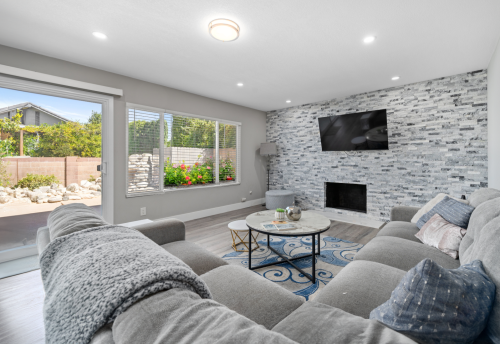
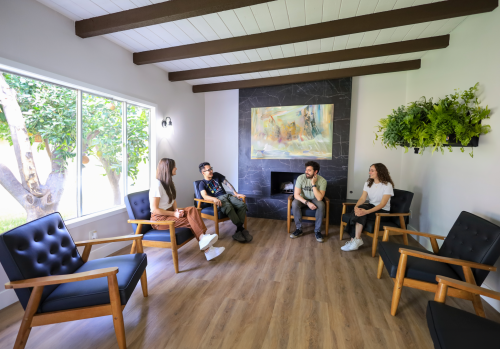
Connections’ founders have experienced mental health concerns themselves and are passionate about creating an atmosphere where clients can connect with like-minded individuals and feel part of a family. Their residential spaces are bright, modern, and arranged for comfort, featuring open layouts and both private and shared bedrooms. With 24/7 support and secure outdoor spaces for reflection and connection, clients experience a safe, home-like environment.

Highlights from the Center
Highlights
These highlights are provided by and paid for by the center.
Insurance Accepted
Joint Commission Accredited
Customized Treatment Plans
Mental Health Disorder Treatment
Center Overview
Treatment Focus
This center treats mental health conditions and co-occurring substance use. You receive collaborative, individualized treatment that addresses both issues for whole-person healing.
Joint Commission Accredited
The Joint Commission accreditation is a voluntary, objective process that evaluates and accredits healthcare organizations (like treatment centers) based on performance standards designed to improve quality and safety for patients. To be accredited means the treatment center has been found to meet the Commission's standards for quality and safety in patient care.

Insurance Accepted






Cash Pay Rates
Estimated Cash Pay Rate
Center pricing can vary based on program and length of stay. Contact the center for more information. Recovery.com strives for price transparency so you can make an informed decision.


Levels of Care


Your Care Options
Specializations
Schizophrenia
Schizophrenia is a serious mental health condition that causes hallucinations, delusions, and disordered thinking.
Anxiety
Anxiety is a common mental health condition that can include excessive worry, panic attacks, physical tension, and increased blood pressure.
Bipolar
This mental health condition is characterized by extreme mood swings between depression, mania, and remission.
Depression
Symptoms of depression may include fatigue, a sense of numbness, and loss of interest in activities. This condition can range from mild to severe.
Post Traumatic Stress Disorder
PTSD is a long-term mental health issue caused by a disturbing event or events. Symptoms include anxiety, dissociation, flashbacks, and intrusive thoughts.
Suicidality
With suicidality, a person fantasizes about suicide, or makes a plan to carry it out. This is a serious mental health symptom.
Trauma
Some traumatic events are so disturbing that they cause long-term mental health problems. Those ongoing issues can also be referred to as "trauma."
Who We Treat
Older Adults
Addiction and mental health treatment caters to adults 55+ and the age-specific challenges that can come with recovery, wellness, and overall happiness.
Executives
Executive treatment programs typically directly support the needs of people who manage businesses and may provide flexible schedules and office space to allow work during treatment.
Young Adults
Emerging adults ages 18-25 receive treatment catered to the unique challenges of early adulthood, like college, risky behaviors, and vocational struggles.
LGBTQ+
Addiction and mental illnesses in the LGBTQ+ community must be treated with an affirming, safe, and relevant approach, which many centers provide.
Men and Women
Men and women attend treatment for addiction in a co-ed setting, going to therapy groups together to share experiences, struggles, and successes.
Midlife Adults
For adults ages 40+, treatment shifts to focus on the unique challenges, blocks, and risk factors of their age group, and unites peers in a similar community.
Approaches
Evidence-Based
A combination of scientifically rooted therapies and treatments make up evidence-based care, defined by their measured and proven results.
Individual Treatment
Individual care meets the needs of each patient, using personalized treatment to provide them the most relevant care and greatest chance of success.
Therapies
1-on-1 Counseling
Patient and therapist meet 1-on-1 to work through difficult emotions and behavioral challenges in a personal, private setting.
Couples Counseling
Partners work to improve their communication patterns, using advice from their therapist to better their relationship and make healthy changes.
Eye Movement Therapy (EMDR)
Lateral, guided eye movements help reduce the emotional reactions of retelling and reprocessing trauma, allowing intense feelings to dissipate.
Medication-Assisted Treatment
Combined with behavioral therapy, prescribed medications can enhance treatment by relieving withdrawal symptoms and focus patients on their recovery.
Meditation & Mindfulness
A practiced state of mind that brings patients to the present. It allows them to become fully aware of themselves, their feelings, and the present moment.
Mindfulness Therapy
This ancient practice can be mental, emotional, and even spiritual. In meditation, you focus your attention on the present moment without judgement.
Motivational Interviewing and Enhancement Therapy (MET)
This approach is based on idea that motivation to change comes from within. Providers use a conversational framework that may help you commit to recovery.
Languages
Conditions We Treat
ADHD, ADD
ADHD is a common mental health condition caused by dopamine imbalance. Common symptoms include inattention, hyperactivitiy, and impulsivity.
Anger
Although anger itself isn't a disorder, it can get out of hand. If this feeling interferes with your relationships and daily functioning, treatment can help.
Anxiety
Anxiety is a common mental health condition that can include excessive worry, panic attacks, physical tension, and increased blood pressure.
Bipolar
This mental health condition is characterized by extreme mood swings between depression, mania, and remission.
Burnout
Burnout entails mental and physical exhaustion, and leads to a severe lack of fulfillment. This condition is often caused by overwork.
Codependency
Codependency is a pattern of emotional dependence and controlling behavior. It's most common among people with addicted loved ones.
Depression
Symptoms of depression may include fatigue, a sense of numbness, and loss of interest in activities. This condition can range from mild to severe.
Gambling
Excessive, repetitive gambling causes financial and interpersonal problems. This addiction can interfere with work, friendships, and familial relationships.
Gaming
Compulsive gaming is most often a problem for children and teens. The disorder can affect physical health, sleep, and the ability to focus at school.
Substances We Treat
Co-Occurring Disorders
A person with multiple mental health diagnoses, such as addiction and depression, has co-occurring disorders also called dual diagnosis.
Care Designed for Your Needs
Personal Amenities
Amenities
Special Considerations
Young Adults Program
Programs for young adults bring teens 18+ together to discuss age-specific challenges, vocational and educational progress, and successes in treatment.
Pet Friendly
For greater comfort and healing, pet-friendly treatment centers welcome dogs and animal companions to stay with their owners while they attend treatment.
Clients can bring their own pet(s)
For greater comfort and healing, pet-friendly treatment centers welcome dogs and animal companions to stay with their owners while they attend treatment.
Couples program
Using gentle clinical care, therapists guide patients and their partner through guided sessions to address issues and work towards lasting solutions.