- Addiction
- Mental Health
- About Us
Find Treatment By
Rehabs by Location


Find Treatment By
Learn
About Us
Recovery.com combines independent research with expert guidance on addiction and mental health treatment. Our mission is to help everyone find the best path to recovery through the most comprehensive, helpful network of treatment providers worldwide.
Advisory Council
Our advisory council brings together leaders in behavioral health, technology, and business. Their diverse expertise ensures our resources and product are innovative, evidence-based, and effective. They guide our mission as accomplished individuals dedicated to improving the landscape of addiction recovery and mental wellness.

Crestview Recovery
Verified Center
This provider's information has been quality-checked by Recovery.com's Research Team for accuracy and completeness, including center verification through appropriate third-party organizations.
Treatment Focus
This center treats substance use disorders and mental health conditions. You'll receive individualized care catered to your unique situation and diagnosis, learn practical skills for recovery, and make new connections in a restorative environment.
Primary Level of Care
Offering intensive care with 24/7 monitoring, residential treatment is typically 30 days and can cover multiple levels of care. Length can range from 14 to 90 days typically.
Treatment Focus
This center treats substance use disorders and mental health conditions. You'll receive individualized care catered to your unique situation and diagnosis, learn practical skills for recovery, and make new connections in a restorative environment.
Primary Level of Care
Offering intensive care with 24/7 monitoring, residential treatment is typically 30 days and can cover multiple levels of care. Length can range from 14 to 90 days typically.
Provider's Policy
Crestview Recovery does not accept Medicaid, Medicare, or State Insurance. They work with many different insurance companies, so you won’t have to worry about covering the entire cost of treatment.
Crestview Recovery
Crestview Recovery
About Crestview Recovery
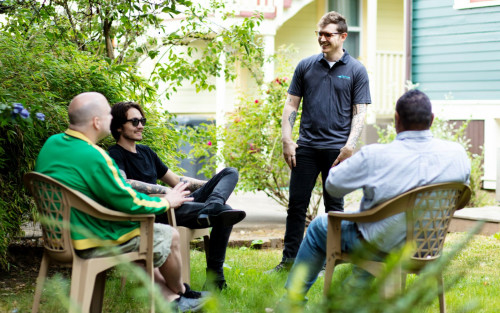
Crestview Recovery Center specializes in returning hope to the hopeless. They treat addiction and mental health conditions throughout multiple levels of care, including residential treatment, day treatment, an intensive outpatient program (IOP) available in-person or virtually, and general outpatient care. Mental health can be addressed as a primary or co-occurring condition, with separate mental health outpatient programs available. Crestview began as a collaboration among a group of friends who were all in recovery, and maintains its sense of intimacy so their clients never feel like just another case on the roster.
Engage in Proven Therapies with Seasoned Staff
Crestview’s approach is centered around equipping clients with the necessary tools and skills to effectively manage their recovery in everyday situations. To do this, clients engage in evidence-based therapies like cognitive behavioral therapy (CBT), dialectical behavioral therapy (DBT), motivational interviewing (MI), and rational emotive behavioral therapy (REBT). Other approaches include art, music, yoga, mindfulness, 12-Step facilitation, and life skills development. Crestview Recovery Center provides 1:1, group, and family and couples therapy. Their seasoned staff—many in recovery themselves—feel like their role is a calling, not simply a job, and are motivated to provide compassionate care. The team includes a medical doctor, psychiatrists, psychologists, nurses, licensed therapists, and addiction counselors who have 20+ years of experience in the field.
Receive Care for Primary or Co-Occurring Mental Health
Crestview Recovery Center treats primary and co-occurring mental health conditions. They offer a separate day treatment program and IOP focused on mental health recovery. They are able to treat depression, anxiety, attention deficit hyperactivity disorder (ADHD), bipolar disorder, obsessive compulsive disorder (OCD), dissociative disorders, borderline personality disorder (BPD), trauma, and disordered eating. Individualized treatment helps clients adjust unhelpful thoughts and emotions, resolve conflicts, and improve communication skills. In residential treatment, Crestview Recovery Center addresses mental health as a co-occurring condition with dual-diagnosis care for addiction and mental health.
Develop Life Skills & Connections for the “Real World”
Crestview Recovery recognizes that an individual must work on their recovery daily and sets clients up to transition into the “real world.” Clients learn and practice life skills throughout treatment, helping them budget, get a job, communicate effectively, and act with respect. Before leaving treatment, staff personalize each client’s aftercare planning to their specific requirements since everyone needs something a little different in recovery. Clients will receive resources like connections to additional therapy, medical doctors, or housing.
Feel at Home in Gender-Specific Housing
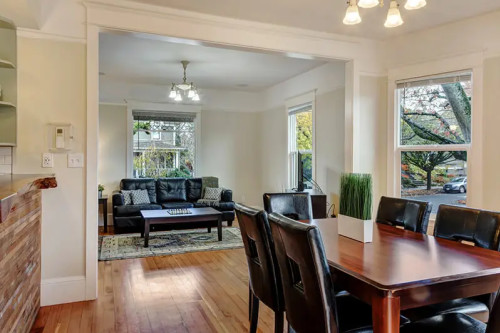
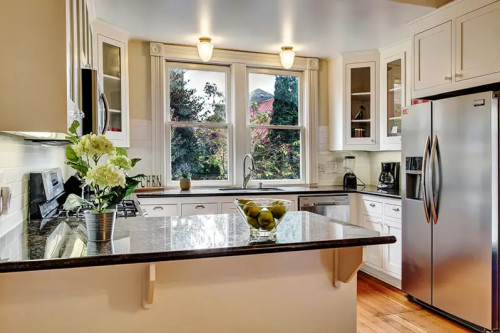
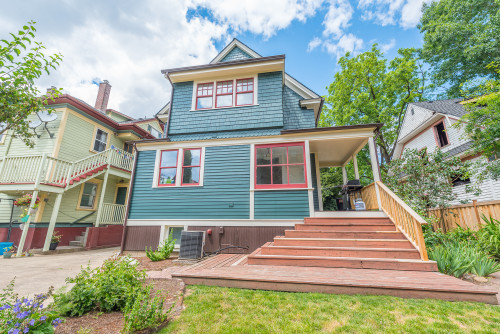
Crestview Recovery’s inpatient facilities will make clients feel like they’re at home instead of recovering in an intimidating, hospital-like setting. There are two gender-specific houses that mirror the comfort and familiarity of home. Both the men’s and women’s homes provide space to relax, eat catered meals, and gather as a group. In gender-specific groups, clients enjoy access to an off-site gym and weekly outings.
Program Overview
Testimonial

Highlights from the Center
Highlights
These highlights are provided by and paid for by the center.
Customized Treatment Plans
Holistic Approach
Certified Professionals
Addiction Recovery
Center Overview
Treatment Focus
This center treats substance use disorders and mental health conditions. You'll receive individualized care catered to your unique situation and diagnosis, learn practical skills for recovery, and make new connections in a restorative environment.
Joint Commission Accredited
The Joint Commission accreditation is a voluntary, objective process that evaluates and accredits healthcare organizations (like treatment centers) based on performance standards designed to improve quality and safety for patients. To be accredited means the treatment center has been found to meet the Commission's standards for quality and safety in patient care.

Insurance Accepted









Cash Pay Rates
Estimated Cash Pay Rate
Center pricing can vary based on program and length of stay. Contact the center for more information. Recovery.com strives for price transparency so you can make an informed decision.


Recovery.com Verified Listing
Recovery.com verified that the name, location, contact information and license to operate for this treatment provider are valid and up-to-date.
Joint Commission Accredited

Licensed by Oregon

NAATP Member
Recovery.com is an independent, third-party mental health resource. Verification does not imply endorsement and does not guarantee the quality of treatment services.
Meet Your Care Team

Aaron Burton
Executive Director

Eric Pinkston
Clinical Director
MA, CADC II

Dave Cundiff
Medical Director
MD, MPH, FASAM

Jill C. Gladish
Director of Psychiatry
M.D., M.P.H., ABPN
Bonnie Lambert
Nurse Practitioner
LPC, PMHP-BC

Jennifer Joslin
Nurse
RN

Katie Earnhardt
Medical Coordinator

Sage Aune
Primary Counselor
CADC-R, QMHA-R

Sandy Duram
Primary Residential Counselor
CADC I

Mark Hansen
Primary Counselor
CADC II, QMHA-R, CGAC-R

Dane Berg
Primary Residential Counselor
CADC II

Carter Smith
Primary Residential Counselor
CADC II, QMHA-R

Emilee Klein
Primary Residential Counselor
CADCI

Carly Biros
Primary Mental Health Counselor
MSW, LCSW, QMHP-Q

Justin Knight
Primary Counselor
QMHP-R

Heather Newman
Flex Counselor
CADC I

Bethany Hansen
Group Counselor
RYT

Berlin Hefley
Residential Nutritionist
MSCN, CNS

Rowan Sova
Flex Counselor
CADC-R
Taylor Stone
Case Manager
Ryan Opsahl
Regional Director of Clinical Outreach

Ivana Jungic
Clinical Outreach Manager
CADC I, PRC, CRM

Garrett Tardif
Director of Admissions

Tuni Heriford
Intake Coordinator

Jenny Spangler
Clinical Billing Manager

Layney Gonzalez
HR Manager/ Office Manager/ Accounts Payable/ Billing Coordinator

Ollie
Director of Morale
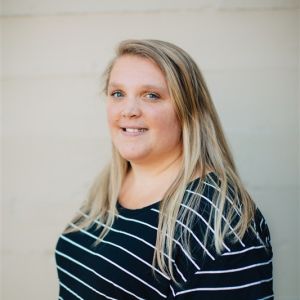
Pashia Braunesreither
Utilization Management/ Payroll Specialist
Your Care Options
Specializations
Post Traumatic Stress Disorder
PTSD is a long-term mental health issue caused by a disturbing event or events. Symptoms include anxiety, dissociation, flashbacks, and intrusive thoughts.
Anxiety
Anxiety is a common mental health condition that can include excessive worry, panic attacks, physical tension, and increased blood pressure.
Depression
Symptoms of depression may include fatigue, a sense of numbness, and loss of interest in activities. This condition can range from mild to severe.
Trauma
Some traumatic events are so disturbing that they cause long-term mental health problems. Those ongoing issues can also be referred to as "trauma."
Heroin
Heroin is a highly addictive and illegal opioid. It can cause insomnia, collapsed veins, heart issues, and additional mental health issues.
Opioids
Opioids produce pain-relief and euphoria, which can lead to addiction. This class of drugs includes prescribed medication and the illegal drug heroin.
LGBTQ+
Addiction and mental illnesses in the LGBTQ+ community must be treated with an affirming, safe, and relevant approach, which many centers provide.
Alcohol
Using alcohol as a coping mechanism, or drinking excessively throughout the week, signals an alcohol use disorder.
Who We Treat
Older Adults
Addiction and mental health treatment caters to adults 55+ and the age-specific challenges that can come with recovery, wellness, and overall happiness.
Adolescents
Teens receive the treatment they need for mental health disorders and addiction, with the added support of educational and vocational services.
Young Adults
Emerging adults ages 18-25 receive treatment catered to the unique challenges of early adulthood, like college, risky behaviors, and vocational struggles.
LGBTQ+
Addiction and mental illnesses in the LGBTQ+ community must be treated with an affirming, safe, and relevant approach, which many centers provide.
Men and Women
Men and women attend treatment for addiction in a co-ed setting, going to therapy groups together to share experiences, struggles, and successes.
Midlife Adults
For adults ages 40+, treatment shifts to focus on the unique challenges, blocks, and risk factors of their age group, and unites peers in a similar community.
Pregnant Women
Addiction and mental health treatment meets the clinical and psychological needs of pregnant women, ensuring they receive optimal care in all areas.
Treatment Services
Licensed Primary Mental Health
Some primary care providers offer mental health diagnosis and treatment. This can prevent patients from developing more serious conditions.
Residential
In a residential rehab program, patients live onsite, with access to daily treatment and 24-hour care. An average stay is 30-90 days.
Approaches
Evidence-Based
A combination of scientifically rooted therapies and treatments make up evidence-based care, defined by their measured and proven results.
Holistic
A non-medicinal, wellness-focused approach that aims to align the mind, body, and spirit for deep and lasting healing.
Individual Treatment
Individual care meets the needs of each patient, using personalized treatment to provide them the most relevant care and greatest chance of success.
Therapies
1-on-1 Counseling
Patient and therapist meet 1-on-1 to work through difficult emotions and behavioral challenges in a personal, private setting.
Family Therapy
Family therapy addresses group dynamics within a family system, with a focus on improving communication and interrupting unhealthy relationship patterns.
Life Skills
Teaching life skills like cooking, cleaning, clear communication, and even basic math provides a strong foundation for continued recovery.
Massage Therapy
Massage therapy relieves physical and emotional tension, reduces pain, promotes relaxation, and improves emotion regulation.
Meditation & Mindfulness
A practiced state of mind that brings patients to the present. It allows them to become fully aware of themselves, their feelings, and the present moment.
Languages
Conditions We Treat
ADHD, ADD
ADHD is a common mental health condition caused by dopamine imbalance. Common symptoms include inattention, hyperactivitiy, and impulsivity.
Anxiety
Anxiety is a common mental health condition that can include excessive worry, panic attacks, physical tension, and increased blood pressure.
Bipolar
This mental health condition is characterized by extreme mood swings between depression, mania, and remission.
Depression
Symptoms of depression may include fatigue, a sense of numbness, and loss of interest in activities. This condition can range from mild to severe.
Eating Disorders
An eating disorder is a long-term pattern of unhealthy behavior relating to food. Most people with eating disorders have a distorted self-image.
Obsessive Compulsive Disorder (OCD)
OCD is characterized by intrusive and distressing thoughts that drive repetitive behaviors. This pattern disrupts daily life and relationships.
Personality Disorders
Personality disorders destabilize the way a person thinks, feels, and behaves. If untreated, they can undermine relationships and lead to severe distress.
Post Traumatic Stress Disorder
PTSD is a long-term mental health issue caused by a disturbing event or events. Symptoms include anxiety, dissociation, flashbacks, and intrusive thoughts.
Stress
Stress is a natural reaction to challenges, and it can even help you adapt. However, chronic stress can cause physical and mental health issues.
Substances We Treat
Alcohol
Using alcohol as a coping mechanism, or drinking excessively throughout the week, signals an alcohol use disorder.
Benzodiazepines
Benzodiazepines are prescribed to treat anxiety and sleep issues. They are highly habit forming, and their abuse can cause mood changes and poor judgement.
Co-Occurring Disorders
A person with multiple mental health diagnoses, such as addiction and depression, has co-occurring disorders also called dual diagnosis.
Cocaine
Cocaine is a stimulant with euphoric effects. Agitation, muscle ticks, psychosis, and heart issues are common symptoms of cocaine abuse.
Drug Addiction
Drug addiction is the excessive and repetitive use of substances, despite harmful consequences to a person's life, health, and relationships.
Heroin
Heroin is a highly addictive and illegal opioid. It can cause insomnia, collapsed veins, heart issues, and additional mental health issues.
Methamphetamine
Methamphetamine, or meth, increases energy, agitation, and paranoia. Long-term use can result in severe physical and mental health issues.
Opioids
Opioids produce pain-relief and euphoria, which can lead to addiction. This class of drugs includes prescribed medication and the illegal drug heroin.
Aftercare
Care Designed for Your Needs
Personal Amenities
Amenities
Special Considerations
Young Adults Program
Programs for young adults bring teens 18+ together to discuss age-specific challenges, vocational and educational progress, and successes in treatment.
LGBTQ group
Group therapy unites LGBTQ+ patients in a safe and culturally competent setting, encouraging peer support under the expert leadership of a therapist.
Activities
Yoga
Yoga is both a physical and spiritual practice. It includes a flow of movement, breathing techniques, and meditation.
Off-Site Activities
Yoga
Yoga is both a physical and spiritual practice. It includes a flow of movement, breathing techniques, and meditation.
Off-Site Amenities
Learn More About the Center
Family Therapy v. Couples Therapy
Learn the key differences and benefits of these therapeutic approaches.
Boundaries in Recovery
Discover the importance of setting boundaries to maintain a sense of well-being and control.
Is Addiction Curable?
Explore the nature of addiction, effective treatment, and what lasting recovery looks like.
Tips for a Sober Vacation Experience
Read how to prepare a sobriety toolkit to handle triggers and temptations on vacation.
What people are saying
Treatment
4.2
Accommodations
4.2
Food & Nutrition
3.5
Value
4.2
Katha
Reviewed 09/06/24
Review from Rehabs.com
Mom71
Reviewed 11/23/19
Review from Rehabs.com
A
Reviewed 08/18/23
Review from Rehabs.com
kelly
Reviewed 04/16/18
Review from Rehabs.com
Garrett
Reviewed 04/16/18
Review from Rehabs.com