- Addiction
- Mental Health
- About Us
Find Treatment By
Rehabs by Location


Find Treatment By
Learn
About Us
Recovery.com combines independent research with expert guidance on addiction and mental health treatment. Our mission is to help everyone find the best path to recovery through the most comprehensive, helpful network of treatment providers worldwide.
Advisory Council
Our advisory council brings together leaders in behavioral health, technology, and business. Their diverse expertise ensures our resources and product are innovative, evidence-based, and effective. They guide our mission as accomplished individuals dedicated to improving the landscape of addiction recovery and mental wellness.
Cumberland Heights Nashville
Verified Center
This provider's information has been quality-checked by Recovery.com's Research Team for accuracy and completeness, including center verification through appropriate third-party organizations.
Treatment Focus
This center treats substance use disorders and co-occurring mental health conditions. Your treatment plan addresses each condition at once with personalized, compassionate care for comprehensive healing.
Primary Level of Care
Offering intensive care with 24/7 monitoring, residential treatment is typically 30 days and can cover multiple levels of care. Length can range from 14 to 90 days typically.
Treatment Focus
This center treats substance use disorders and co-occurring mental health conditions. Your treatment plan addresses each condition at once with personalized, compassionate care for comprehensive healing.
Primary Level of Care
Offering intensive care with 24/7 monitoring, residential treatment is typically 30 days and can cover multiple levels of care. Length can range from 14 to 90 days typically.
Provider's Policy
Cumberland Heights accepts a variety of insurances to make treatment accessible and affordable. A financial adviser will call you back to go over your insurance benefits and calculate an estimated cost for treatment.
Cumberland Heights Nashville
Cumberland Heights Nashville
About Cumberland Heights Nashville
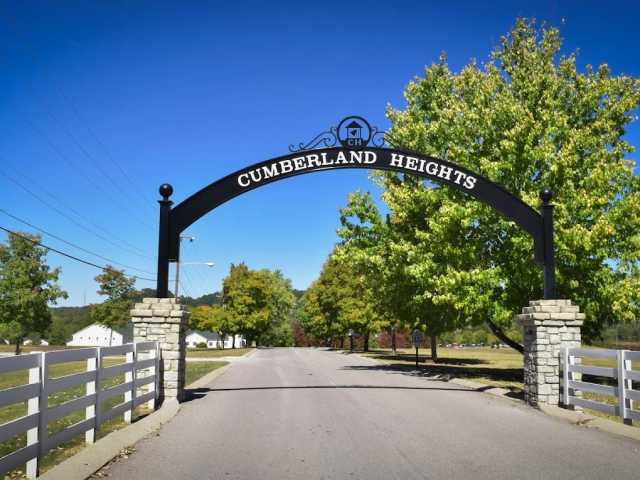
Just outside Nashville, the River Road campus at Cumberland Heights helps clients take that a step toward recovery. Here, clients get help for substance use and mental health challenges in a setting that feels safe and full of support. The program offers detox, residential, and extended care, giving people the time and space they need to rebuild their lives. With separate tracks for adults, young men, young women, and professionals, clients can connect with others who understand their experiences.
Trust the Science of Recovery
At Cumberland Heights, everything they do is backed by science and built on decades of experience helping people recover. Their approach combines the most effective, evidence-based therapies with medication-assisted treatment in early recovery and the supportive structure of the 12 Steps. Each part of the program is designed to treat both substance use and underlying mental health conditions, giving clients the tools to feel more in control.
Start Fresh in a Place that Feels Safe
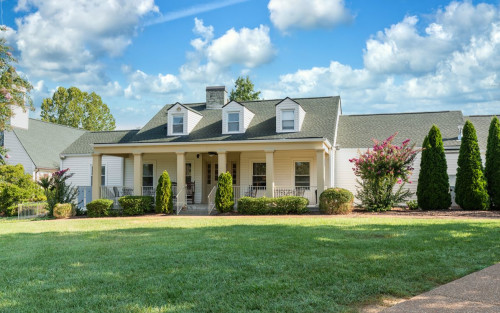
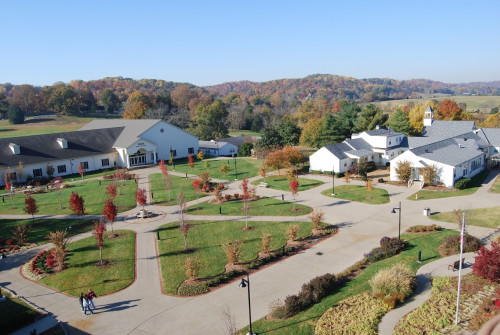
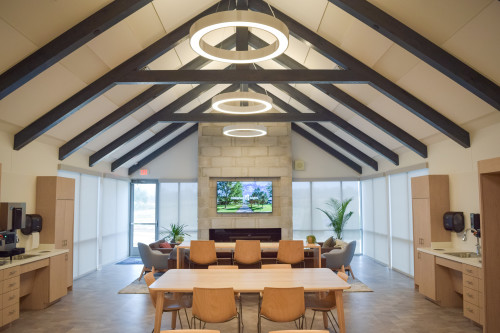
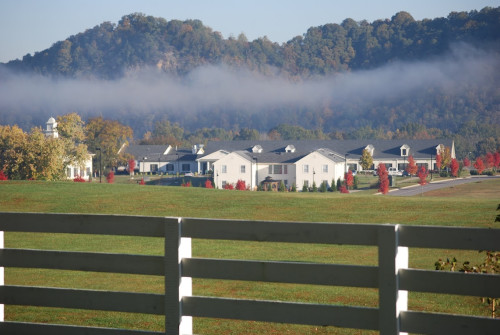
Just fifteen minutes from downtown Nashville, Cumberland Heights feels like its own little world. The campus is surrounded by green hills and quiet walking trails that make it easy to slow down and breathe. Clients can grab a meal with friends in the cafeteria or out on the patio, relax under the pergola, or unwind through music and art therapy. With cozy community-style living, a full gym, a snack bar, and plenty of spaces to connect, it’s a place that feels genuinely supportive.
Carry Recovery into the Real World
Through outpatient programs offered at more than 15 locations across Tennessee, clients receive 12–15 hours of clinical care each week while returning to daily life. For those who need a little more time after residential treatment, extended care provides a home-like setting where clients can live with more independence and practice new routines in a supportive environment.

Highlights from the Center
Highlights
These highlights are provided by and paid for by the center.
Insurance Accepted
Nature Lovers
12-Step Approach
30+ Years in Business
Center Overview
Treatment Focus
This center treats substance use disorders and co-occurring mental health conditions. Your treatment plan addresses each condition at once with personalized, compassionate care for comprehensive healing.
Joint Commission Accredited
The Joint Commission accreditation is a voluntary, objective process that evaluates and accredits healthcare organizations (like treatment centers) based on performance standards designed to improve quality and safety for patients. To be accredited means the treatment center has been found to meet the Commission's standards for quality and safety in patient care.

Insurance Accepted






Cash Pay Rates
Estimated Cash Pay Rate
Center pricing can vary based on program and length of stay. Contact the center for more information. Recovery.com strives for price transparency so you can make an informed decision.
Meet Your Care Team

Amanda Lewis
Chief Outpatient Clinical Officer
DSW, LCSW, MSW

Brent Alcaraz
Primary Counselor
LMFT-A

Briana Torgerson
Professionals Program Assessment Coordinator
LPC-MHSP, LADAC II

Chanda Reeves
Primary Counselor
LPC-MHSP
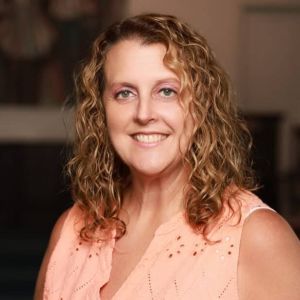
Cheri Littlefield
Mental Health Therapist
LCSW

Cinde Stewart Freeman
Chief Clinical Officer
RN, LADAC, QCS

Collin Smith
Primary Counselor
LPC-MHSP, LADAC II

Curtis Atchison
Therapeutic Recreational Counselor

Daniel Gerbis
Primary Counselor
LADAC

Hannah Foley
Primary Counselor
M.S.

Howell “Dean” O’Bryan
Residential Clinical Supervisor
LADAC I

Jeff Wilson
Director of Young Men and Extended Care Programs

Joe Waller
Float Counselor

John Boolos
Clinical Coordinator - Milieu Management
LADAC I

John McAndrew
Music Therapist

Kay Harris
Men's Program Coordinator
LPC-MHSP

Kira Scott
Family Counselor
MSSW

Kirk Schafer
Women's Program Director
MA, LADAC II

Kristy Roll
Family Services & Experiential Therapies Director
LCSW

Mark Holladay
Extended Care Professionals Program Coordinator
LCSW, LADAC II
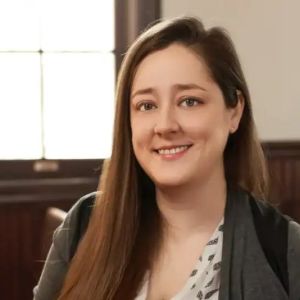
Michelle Morris
Spiritual Care Director
M. Div. LPC-MHSP

Natalie Balmaseda
Primary Counselor
MS, LPC-I, ADAC-I
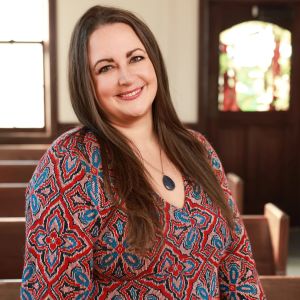
Rebecca Johnson
Art Therapist
LPC-MHSP, ATR

Tina Adornato
Family Counselor

Tina Reddy
Primary Counselor
LADAC, QCS, NCAC
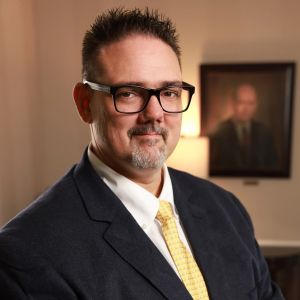
Travis Hupp
Director of Milieu Management
LADAC II, CAADC

Vaile Strauss
Family Counselor
BS, LADAC

Vivian Sypolt
Men’s Program Director
MS, LADAC II, QCS

William Branson
Clinical Director
LPC-MHSP, NCC


Levels of Care


Your Care Options
Specializations
Alcohol
Using alcohol as a coping mechanism, or drinking excessively throughout the week, signals an alcohol use disorder.
Detox
Detox fully and safely removes toxic substances from the body, allowing the next steps in treatment to begin with a clean slate.
Benzodiazepines
Benzodiazepines are prescribed to treat anxiety and sleep issues. They are highly habit forming, and their abuse can cause mood changes and poor judgement.
Co-Occurring Disorders
A person with multiple mental health diagnoses, such as addiction and depression, has co-occurring disorders also called dual diagnosis.
Cocaine
Cocaine is a stimulant with euphoric effects. Agitation, muscle ticks, psychosis, and heart issues are common symptoms of cocaine abuse.
Executives
Executive treatment programs typically directly support the needs of people who manage businesses and may provide flexible schedules and office space to allow work during treatment.
Young Adults
Emerging adults ages 18-25 receive treatment catered to the unique challenges of early adulthood, like college, risky behaviors, and vocational struggles.
Twelve Step
Incorporating spirituality, community, and responsibility, 12-Step philosophies prioritize the guidance of a Higher Power and a continuation of 12-Step practices.
Who We Treat
Older Adults
Addiction and mental health treatment caters to adults 55+ and the age-specific challenges that can come with recovery, wellness, and overall happiness.
Adolescents
Teens receive the treatment they need for mental health disorders and addiction, with the added support of educational and vocational services.
Executives
Executive treatment programs typically directly support the needs of people who manage businesses and may provide flexible schedules and office space to allow work during treatment.
Young Adults
Emerging adults ages 18-25 receive treatment catered to the unique challenges of early adulthood, like college, risky behaviors, and vocational struggles.
LGBTQ+
Addiction and mental illnesses in the LGBTQ+ community must be treated with an affirming, safe, and relevant approach, which many centers provide.
Men and Women
Men and women attend treatment for addiction in a co-ed setting, going to therapy groups together to share experiences, struggles, and successes.
Midlife Adults
For adults ages 40+, treatment shifts to focus on the unique challenges, blocks, and risk factors of their age group, and unites peers in a similar community.
Approaches
Evidence-Based
A combination of scientifically rooted therapies and treatments make up evidence-based care, defined by their measured and proven results.
Family Involvement
Providers involve family in the treatment of their loved one through family therapy, visits, or both–because addiction is a family disease.
Gender-Specific
Separate treatment for men or women can create strong peer connections and remove barriers related to trauma, shame, and gender-specific nuances.
Spiritual Emphasis
Spirituality connects patients to a higher power and helps strengthen their recovery, hope, and compliance with other treatment modalities.
Twelve Step
Incorporating spirituality, community, and responsibility, 12-Step philosophies prioritize the guidance of a Higher Power and a continuation of 12-Step practices.
Therapies
1-on-1 Counseling
Patient and therapist meet 1-on-1 to work through difficult emotions and behavioral challenges in a personal, private setting.
Adventure Therapy
This experiential approach uses the physical and emotional challenges of outdoor activities as tools for personal growth.
Art Therapy
Visual art invites patients to examine the emotions within their work, focusing on the process of creativity and its gentle therapeutic power.
Family Therapy
Family therapy addresses group dynamics within a family system, with a focus on improving communication and interrupting unhealthy relationship patterns.
Life Skills
Teaching life skills like cooking, cleaning, clear communication, and even basic math provides a strong foundation for continued recovery.
Meditation & Mindfulness
A practiced state of mind that brings patients to the present. It allows them to become fully aware of themselves, their feelings, and the present moment.
Motivational Interviewing and Enhancement Therapy (MET)
This approach is based on idea that motivation to change comes from within. Providers use a conversational framework that may help you commit to recovery.
Languages
Conditions We Treat
ADHD, ADD
ADHD is a common mental health condition caused by dopamine imbalance. Common symptoms include inattention, hyperactivitiy, and impulsivity.
Anger
Although anger itself isn't a disorder, it can get out of hand. If this feeling interferes with your relationships and daily functioning, treatment can help.
Anxiety
Anxiety is a common mental health condition that can include excessive worry, panic attacks, physical tension, and increased blood pressure.
Bipolar
This mental health condition is characterized by extreme mood swings between depression, mania, and remission.
Burnout
Burnout entails mental and physical exhaustion, and leads to a severe lack of fulfillment. This condition is often caused by overwork.
Depression
Symptoms of depression may include fatigue, a sense of numbness, and loss of interest in activities. This condition can range from mild to severe.
Grief and Loss
Grief is a natural reaction to loss, but severe grief can interfere with your ability to function. You can get treatment for this condition.
Substances We Treat
Alcohol
Using alcohol as a coping mechanism, or drinking excessively throughout the week, signals an alcohol use disorder.
Benzodiazepines
Benzodiazepines are prescribed to treat anxiety and sleep issues. They are highly habit forming, and their abuse can cause mood changes and poor judgement.
Co-Occurring Disorders
A person with multiple mental health diagnoses, such as addiction and depression, has co-occurring disorders also called dual diagnosis.
Cocaine
Cocaine is a stimulant with euphoric effects. Agitation, muscle ticks, psychosis, and heart issues are common symptoms of cocaine abuse.
Drug Addiction
Drug addiction is the excessive and repetitive use of substances, despite harmful consequences to a person's life, health, and relationships.
Ecstasy
Ecstasy is a stimulant that causes intense euphoria and heightened awareness. Abuse of this drug can trigger depression, insomnia, and memory problems.
Heroin
Heroin is a highly addictive and illegal opioid. It can cause insomnia, collapsed veins, heart issues, and additional mental health issues.
Aftercare
Care Designed for Your Needs
Personal Amenities
Amenities
Special Considerations
Gender-specific groups
Patients in gender-specific groups gain the opportunity to discuss challenges unique to their gender in a comfortable, safe setting conducive to healing.
Young Adults Program
Programs for young adults bring teens 18+ together to discuss age-specific challenges, vocational and educational progress, and successes in treatment.
Center Pets
Addiction and mental health facilities with pets allow patients to interact with friendly dogs, cats, horses, and in some cases, even dolphins.
LGBTQ group
Group therapy unites LGBTQ+ patients in a safe and culturally competent setting, encouraging peer support under the expert leadership of a therapist.
Flexible technology policies
Centers with flexible technology policies allow professionals to stay in touch with work and give patients a greater sense of connection and normalcy.
Activities
Off-Site Activities
Off-Site Amenities
Smoking and Vaping Policy
What people are saying
Treatment
4.0
Accommodations
4.4
Food & Nutrition
4.4
Value
3.8
Pros
- Beautiful Location (2)
Anonymous
Treatment in 2014 • (60 days) • Reviewed 11/03/25
Former Client
BN
Treatment in 2024 • (7 days) • Reviewed 08/31/24
Loved One of a Former Client
Todd N
Treatment in 2010 • (60 days) • Reviewed 11/06/23
Former Client
•Certified Arborist
S
Reviewed 04/09/25
Review from Rehabs.com