- Addiction
- Mental Health
- About Us
Find Treatment By
Rehabs by Location


Find Treatment By
Learn
About Us
Recovery.com combines independent research with expert guidance on addiction and mental health treatment. Our mission is to help everyone find the best path to recovery through the most comprehensive, helpful network of treatment providers worldwide.
Advisory Council
Our advisory council brings together leaders in behavioral health, technology, and business. Their diverse expertise ensures our resources and product are innovative, evidence-based, and effective. They guide our mission as accomplished individuals dedicated to improving the landscape of addiction recovery and mental wellness.
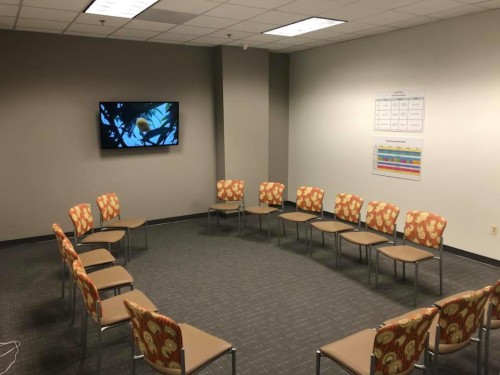
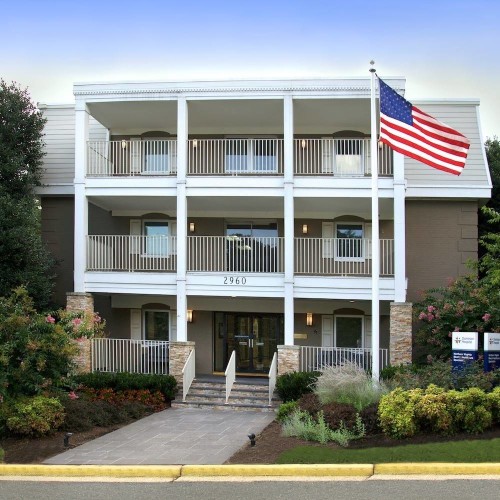
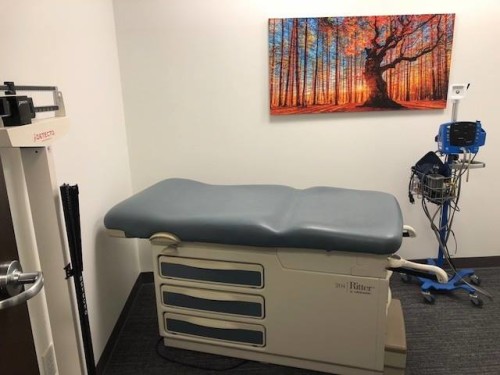
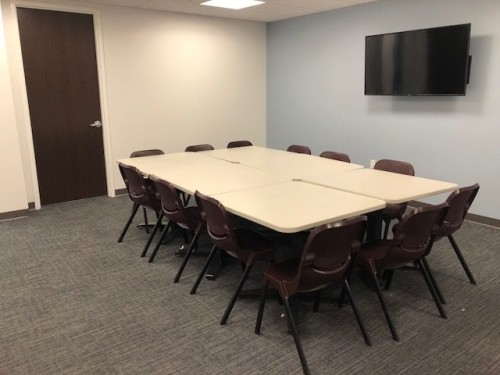
Dominion Hospital Falls Church
Treatment Focus
This center treats mental health conditions and co-occurring substance use. You receive collaborative, individualized treatment that addresses both issues for whole-person healing.
Primary Level of Care
Offering intensive care with 24/7 monitoring, residential treatment is typically 30 days and can cover multiple levels of care. Length can range from 14 to 90 days typically.
This provider hasn't verified their profile's information. Are you the owner of this center? Claim your listing to better manage your presence on Recovery.com.
Treatment Focus
This center treats mental health conditions and co-occurring substance use. You receive collaborative, individualized treatment that addresses both issues for whole-person healing.
Primary Level of Care
Offering intensive care with 24/7 monitoring, residential treatment is typically 30 days and can cover multiple levels of care. Length can range from 14 to 90 days typically.
Provider's Policy
HCA Virginia Health System accepts all forms of government insurance from the U.S., Canada and other countries. We also accept Medicare, Medicaid, Civilian Health and Medical Program of the Uniformed Services (CHAMPUS), workers compensation and all forms of commercial insurance.
Dominion Hospital Falls Church
Dominion Hospital Falls Church
About Dominion Hospital Falls Church
Just south of D.C, Dominion Hospital in Falls Church treats children 5+, adolescents, and adults with mental health disorders at their 116-bed facility, as well as eating disorders and co-occurring substance use. Conditions they treat in all clients include anxiety, depression, bipolar disorder, schizophrenia, panic attacks, trauma, PTSD, self-harm, psychosis, catatonia, anorexia nervosa, avoidant-restrictive food intake disorder (ARFID), binge-eating disorder, bulimia nervosa, other specified feeding and eating disorders (OSFED), and alcohol and drug addiction. For adolescents, they also discuss family conflict, emotional regulation, gender dysphoria, school-related anxiety, school avoidance, self-esteem, and body issues.
They use multiple therapies as needed for clients, including cognitive behavioral therapy (CBT), dialectical behavior therapy (DBT), pet therapy, expressive arts, music therapy, nutrition counseling, psychoeducation, electric convulsive therapy (ECT), medication management, and exposure therapy. Their pet therapy takes place on the weekends. Their staff reports that their expressive and music therapies are popular.
Dominion Hospital's residential, day, and intensive outpatient (IOP) programs include personalized care grounded in the beliefs that humans can change, that family and social support are important to recovery, that evidence-based treatments are important, and that they should provide trauma-informed care. They make sure to use clients' preferred pronouns.
Residential Program Track
They residential program uses daily goal planning, several group therapy meetings, and a personalized mix of additional therapies. Clients can place a limited number of calls and see visitors at pre-determined times.
Outpatient Program Tracks
Dominion Hospital's program tracks for adults are standard day treatment, standard intensive outpatient (IOP) treatment, women-specific day treatment, complex trauma day treatment, women-specific IOP, eating disorder day treatment, and eating disorder IOP. The standard day and IOP tracks include dual diagnosis treatment for clients with a co-occurring substance use issue and trauma-specific therapy using their TraumaSci plan. The women-specific day treatment includes care for women who are pregnant or have given birth in the past year.
Their adolescent tracks are standard day treatment, standard IOP, school refusal-informed day treatment, eating disorder day treatment, and eating disorder IOP.
For children 5+, they offer a day treatment track. For children 9+, additional options are an eating disorder day treatment and an eating disorder IOP.
Depending on the program, the meetings take place either at the main Dominion Hospital building, their Chantilly campus, or the Reston Hospital Center.
Dominion Hospital can make referrals for less intensive outpatient care at other organizations.
Client Portal
Dominion Hospital uses MyHealthONE for clients to see their care notes during and after treatment. MyHealthONE is accessible on their website or the MyHealthONE smartphone app.

Center Overview
Treatment Focus
This center treats mental health conditions and co-occurring substance use. You receive collaborative, individualized treatment that addresses both issues for whole-person healing.
Joint Commission Accredited
The Joint Commission accreditation is a voluntary, objective process that evaluates and accredits healthcare organizations (like treatment centers) based on performance standards designed to improve quality and safety for patients. To be accredited means the treatment center has been found to meet the Commission's standards for quality and safety in patient care.
Insurance Accepted






Pricing and Program Length
Estimated Center Costs
The cost listed here (Call for Rates), is an estimate of program cost. Center price can vary based on program and length of stay. Contact the center for more information. Recovery.com strives for price transparency so you can make an informed decision.
Levels of Care


Your Care Options
Specializations
Children
Treatment for children incorporates the psychiatric care they need and education, often led by on-site teachers to keep children on track with school.
Anxiety
Anxiety is a common mental health condition that can include excessive worry, panic attacks, physical tension, and increased blood pressure.
Eating Disorders
An eating disorder is a long-term pattern of unhealthy behavior relating to food. Most people with eating disorders have a distorted self-image.
Trauma
Some traumatic events are so disturbing that they cause long-term mental health problems. Those ongoing issues can also be referred to as "trauma."
Who We Treat
Adolescents
Teens receive the treatment they need for mental health disorders and addiction, with the added support of educational and vocational services.
Children
Treatment for children incorporates the psychiatric care they need and education, often led by on-site teachers to keep children on track with school.
LGBTQ+
Addiction and mental illnesses in the LGBTQ+ community must be treated with an affirming, safe, and relevant approach, which many centers provide.
Men and Women
Men and women attend treatment for addiction in a co-ed setting, going to therapy groups together to share experiences, struggles, and successes.
Pregnant Women
Addiction and mental health treatment meets the clinical and psychological needs of pregnant women, ensuring they receive optimal care in all areas.
Approaches
Experiential
Expressive tools and therapies help patients process past situations, learn more about themselves, and find healing through action.
Family Involvement
Providers involve family in the treatment of their loved one through family therapy, visits, or both–because addiction is a family disease.
Gender-Specific
Separate treatment for men or women can create strong peer connections and remove barriers related to trauma, shame, and gender-specific nuances.
Individual Treatment
Individual care meets the needs of each patient, using personalized treatment to provide them the most relevant care and greatest chance of success.
Personalized Treatment
The specific needs, histories, and conditions of individual patients receive personalized, highly relevant care throughout their recovery journey.
Therapies
1-on-1 Counseling
Patient and therapist meet 1-on-1 to work through difficult emotions and behavioral challenges in a personal, private setting.
Animal Therapy
Animals can inspire trust and self-worth. In this experiential therapy, guided interactions are used to improve social skills and emotion regulation.
Expressive Arts
Creative processes like art, writing, or dance use inner creative desires to help boost confidence, emotional growth, and initiate change.
Family Therapy
Family therapy addresses group dynamics within a family system, with a focus on improving communication and interrupting unhealthy relationship patterns.
Music Therapy
Singing, performing, and even listening to music can be therapeutic. Music therapy sessions are facilitated by certified counselors.
Nutrition Counseling
Nutritious food helps patients heal from within, setting them up for mental and bodily wellness as they learn about healthy eating.
Languages
Conditions We Treat
Anxiety
Anxiety is a common mental health condition that can include excessive worry, panic attacks, physical tension, and increased blood pressure.
Bipolar
This mental health condition is characterized by extreme mood swings between depression, mania, and remission.
Depression
Symptoms of depression may include fatigue, a sense of numbness, and loss of interest in activities. This condition can range from mild to severe.
Eating Disorders
An eating disorder is a long-term pattern of unhealthy behavior relating to food. Most people with eating disorders have a distorted self-image.
Post Traumatic Stress Disorder
PTSD is a long-term mental health issue caused by a disturbing event or events. Symptoms include anxiety, dissociation, flashbacks, and intrusive thoughts.
Schizophrenia
Schizophrenia is a serious mental health condition that causes hallucinations, delusions, and disordered thinking.
Self-Harm
The act of intentionally harming oneself, also called self-injury, is associated with mental health issues like depression.
Stress
Stress is a natural reaction to challenges, and it can even help you adapt. However, chronic stress can cause physical and mental health issues.
Suicidality
With suicidality, a person fantasizes about suicide, or makes a plan to carry it out. This is a serious mental health symptom.
Substances We Treat
Alcohol
Using alcohol as a coping mechanism, or drinking excessively throughout the week, signals an alcohol use disorder.
Co-Occurring Disorders
A person with multiple mental health diagnoses, such as addiction and depression, has co-occurring disorders also called dual diagnosis.
Drug Addiction
Drug addiction is the excessive and repetitive use of substances, despite harmful consequences to a person's life, health, and relationships.
Aftercare
Care Designed for Your Needs
Personal Amenities
Amenities
Special Considerations
Gender-specific groups
Patients in gender-specific groups gain the opportunity to discuss challenges unique to their gender in a comfortable, safe setting conducive to healing.