- Addiction
- Mental Health
- About Us
Find Treatment By
Rehabs by Location


Find Treatment By
Learn
About Us
Recovery.com combines independent research with expert guidance on addiction and mental health treatment. Our mission is to help everyone find the best path to recovery through the most comprehensive, helpful network of treatment providers worldwide.
Advisory Council
Our advisory council brings together leaders in behavioral health, technology, and business. Their diverse expertise ensures our resources and product are innovative, evidence-based, and effective. They guide our mission as accomplished individuals dedicated to improving the landscape of addiction recovery and mental wellness.





Eating Disorder Solutions
Treatment Focus
You can get treatment for eating disorders at this center, helping you navigate symptoms, build coping tools, and restore your physical health under expert care.
Primary Level of Care
Offering intensive care with 24/7 monitoring, residential treatment is typically 30 days and can cover multiple levels of care. Length can range from 14 to 90 days typically.
Treatment Focus
You can get treatment for eating disorders at this center, helping you navigate symptoms, build coping tools, and restore your physical health under expert care.
Primary Level of Care
Offering intensive care with 24/7 monitoring, residential treatment is typically 30 days and can cover multiple levels of care. Length can range from 14 to 90 days typically.
Provider's Policy
Contact Eating Disorder Solutions to hear about insurance coverage.
Eating Disorder Solutions
Eating Disorder Solutions
About Eating Disorder Solutions
Eating Disorder Solutions (EDS) treats eating disorders and co-occurring mental health conditions with integrated, compassionate treatment focused on nutritional, clinical, and therapeutic support. Their home-like facility, immersed in nature, offers a structured and accepting environment to recover from conditions like anorexia nervosa, bulimia nervosa, binge eating, compulsive overeating, body dysmorphia, orthorexia, avoidant/restrictive food intake disorder (ARFID), and other specified feeding and eating disorders (OSFED). Eating Disorder Solutions offers residential and day treatment programs for adults 18+.
Intensive and Compassionate Care
An initial assessment aims to understand clients’ immediate and ongoing mental, physical, and emotional needs. Clients meet with their psychiatrist upon admission and weekly for accurate diagnoses and medication management, as required. In a typical week, clients meet with their therapist twice for 1:1 or family therapy. Weekly meetings with their physician and nutritionist monitor health needs and maintain meal plans for optimal nutritional health. Nurses provide 24/7 supervision and monitoring.
Integrative Treatment for Primary Eating Disorders and Underlying Conditions
Eating Disorder Solutions’ integrated treatment addresses both eating disorders and co-occurring mental health conditions, including trauma, depression, anxiety, obsessive compulsive disorder (OCD), bipolar disorder, and personality disorders. They use exposure therapy to help clients overcome fear foods, body dysmorphia, and social anxiety around eating. Other evidence-based therapies used include cognitive behavioral therapy (CBT), dialectical behavioral therapy (DBT), and off-site equine therapy. Clients can also participate in expressive arts therapy with painting, sculpting, drawing, music therapy, and more.
Individualized Nutritional Care and Experiential Activities
Eating Disorder Solutions’ nutritionists and dieticians work with clients to develop a nourishing meal plan catered to their nutritional needs. Chefs create meals and snacks. Eating Disorder Solutions caters to professionals and college students with 1.5 hours of daily computer access, quiet spaces to work, and on-site computers available. Clients can also enjoy a wide array of outdoor activities and weekly outings, including yoga, gathering in their tree house, visits to Clyde Warren Park, the zoo, botanical gardens, local festivals, and more.

Highlights from the Center
Highlights
These highlights are provided by and paid for by the center.
Nature Lovers
Therapeutic Location
Customized Treatment Plans
Eating Disorders Program
Center Overview
Treatment Focus
You can get treatment for eating disorders at this center, helping you navigate symptoms, build coping tools, and restore your physical health under expert care.
Joint Commission Accredited
The Joint Commission accreditation is a voluntary, objective process that evaluates and accredits healthcare organizations (like treatment centers) based on performance standards designed to improve quality and safety for patients. To be accredited means the treatment center has been found to meet the Commission's standards for quality and safety in patient care.

Insurance Accepted






Cash Pay Rates
Estimated Cash Pay Rate
Center pricing can vary based on program and length of stay. Contact the center for more information. Recovery.com strives for price transparency so you can make an informed decision.


Meet Your Care Team

Clarissa Ledsome
Clinical Director
LPC, LCDC

Celia Spoon
Therapist
MS, LPCA

Danielle Genthner
Lead Nurse
LVN

Tamika Moment
Lead Recovery Coach

Nicole Sallee
Clinical Director
MS, LPC, CAGCS

Unika Long
Lead Nurse
LVN

Casey Walsh
Facility Manager

Dr. Anil Swarup
Adolescent and Adult Psychiatrist
BDS , MDS

Haley Cobb
Chef
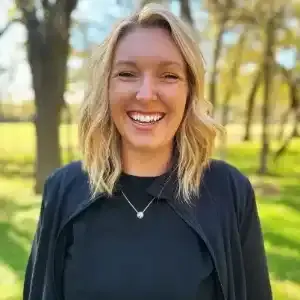
Lauryn Baker
Registered Dietitian
MS, RDN, LD
Your Care Options
Specializations
Body Image Therapy
Therapists use cognitive behavior techniques to challenge how patients perceive their body and their worth, rewriting negative thoughts and attitudes.
Co-Occurring Disorders
A person with multiple mental health diagnoses, such as addiction and depression, has co-occurring disorders also called dual diagnosis.
Eating Disorders
An eating disorder is a long-term pattern of unhealthy behavior relating to food. Most people with eating disorders have a distorted self-image.
Holistic
A non-medicinal, wellness-focused approach that aims to align the mind, body, and spirit for deep and lasting healing.
LGBTQ+
Addiction and mental illnesses in the LGBTQ+ community must be treated with an affirming, safe, and relevant approach, which many centers provide.
Nutrition Counseling
Nutritious food helps patients heal from within, setting them up for mental and bodily wellness as they learn about healthy eating.
Professionals
Busy, high-ranking professionals get the personalized treatment they need with greater accommodations for work, privacy, and outside communication.
Who We Treat
LGBTQ+
Addiction and mental illnesses in the LGBTQ+ community must be treated with an affirming, safe, and relevant approach, which many centers provide.
Treatment Services
Day Treatment
In a PHP, patients live at home but follow an intensive schedule of treatment. Most programs require you to be on-site for about 40 hours per week.
Intensive Outpatient Program
In an IOP, patients live at home or a sober living, but attend treatment typically 9-15 hours a week. Most programs include talk therapy, support groups, and other methods.
Licensed Primary Mental Health
Some primary care providers offer mental health diagnosis and treatment. This can prevent patients from developing more serious conditions.
Outpatient
During outpatient rehab, patients attend a structured treatment program while continuing to live at home.
Residential
In a residential rehab program, patients live onsite, with access to daily treatment and 24-hour care. An average stay is 30-90 days.
Approaches
Evidence-Based
A combination of scientifically rooted therapies and treatments make up evidence-based care, defined by their measured and proven results.
Holistic
A non-medicinal, wellness-focused approach that aims to align the mind, body, and spirit for deep and lasting healing.
Individual Treatment
Individual care meets the needs of each patient, using personalized treatment to provide them the most relevant care and greatest chance of success.
Non 12 Step
Non-12-Step philosophies veer from the spiritual focus of the 12-Steps and instead treat the disease of addiction with holistic or secular modalities.
Personalized Treatment
The specific needs, histories, and conditions of individual patients receive personalized, highly relevant care throughout their recovery journey.
Therapies
1-on-1 Counseling
Patient and therapist meet 1-on-1 to work through difficult emotions and behavioral challenges in a personal, private setting.
Acceptance and Commitment Therapy (ACT)
This cognitive behavioral therapy teaches patients to accept challenging feelings and make the appropriate changes to reach personal goals.
Animal Therapy
Animals can inspire trust and self-worth. In this experiential therapy, guided interactions are used to improve social skills and emotion regulation.
Art Therapy
Visual art invites patients to examine the emotions within their work, focusing on the process of creativity and its gentle therapeutic power.
Body Image Therapy
Therapists use cognitive behavior techniques to challenge how patients perceive their body and their worth, rewriting negative thoughts and attitudes.
Equine Therapy
Guided interactions with trained horses, their handler, and a therapist can help patients improve their self-esteem, trust, empathy, and social skills.
Family Therapy
Family therapy addresses group dynamics within a family system, with a focus on improving communication and interrupting unhealthy relationship patterns.
Languages
Conditions We Treat
Anxiety
Anxiety is a common mental health condition that can include excessive worry, panic attacks, physical tension, and increased blood pressure.
Bipolar
This mental health condition is characterized by extreme mood swings between depression, mania, and remission.
Codependency
Codependency is a pattern of emotional dependence and controlling behavior. It's most common among people with addicted loved ones.
Depression
Symptoms of depression may include fatigue, a sense of numbness, and loss of interest in activities. This condition can range from mild to severe.
Eating Disorders
An eating disorder is a long-term pattern of unhealthy behavior relating to food. Most people with eating disorders have a distorted self-image.
Obsessive Compulsive Disorder (OCD)
OCD is characterized by intrusive and distressing thoughts that drive repetitive behaviors. This pattern disrupts daily life and relationships.
Post Traumatic Stress Disorder
PTSD is a long-term mental health issue caused by a disturbing event or events. Symptoms include anxiety, dissociation, flashbacks, and intrusive thoughts.
Self-Harm
The act of intentionally harming oneself, also called self-injury, is associated with mental health issues like depression.
Suicidality
With suicidality, a person fantasizes about suicide, or makes a plan to carry it out. This is a serious mental health symptom.
Substances We Treat
Alcohol
Using alcohol as a coping mechanism, or drinking excessively throughout the week, signals an alcohol use disorder.
Co-Occurring Disorders
A person with multiple mental health diagnoses, such as addiction and depression, has co-occurring disorders also called dual diagnosis.
Drug Addiction
Drug addiction is the excessive and repetitive use of substances, despite harmful consequences to a person's life, health, and relationships.
Care Designed for Your Needs
Personal Amenities
Amenities
Special Considerations
Healthy Meals are provided
Great food meets great treatment, with providers serving healthy meals to restore nutrition, wellbeing, and health.
Activities
Yoga
Yoga is both a physical and spiritual practice. It includes a flow of movement, breathing techniques, and meditation.
Learn More About the Center
What to Expect During The Admissions Process
EDS describes their intake process for eating disorder treatment and what to expect each step of the way.
Alumni Testimonials and Videos
Watch alumni’s stories and read testimonials from past clients and their loved ones.
FAQs About Eating Disorders and Treatment
Read answers to common questions about eating disorders and treatment offered at Eating Disorder Solutions.
Unique Treatment Guarantee
Learn more about Eating Disorder Solutions’ treatment guarantee for those who have completed their full continuum of care.