- Addiction
- Mental Health
- About Us
Find Treatment By
Rehabs by Location


Find Treatment By
Learn
About Us
Recovery.com combines independent research with expert guidance on addiction and mental health treatment. Our mission is to help everyone find the best path to recovery through the most comprehensive, helpful network of treatment providers worldwide.
Advisory Council
Our advisory council brings together leaders in behavioral health, technology, and business. Their diverse expertise ensures our resources and product are innovative, evidence-based, and effective. They guide our mission as accomplished individuals dedicated to improving the landscape of addiction recovery and mental wellness.
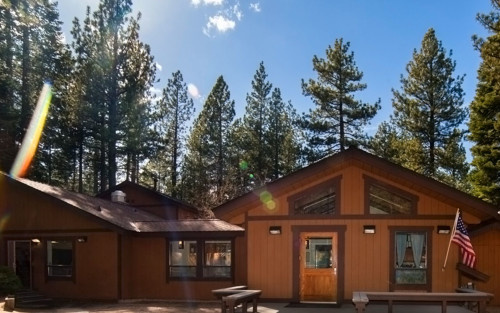


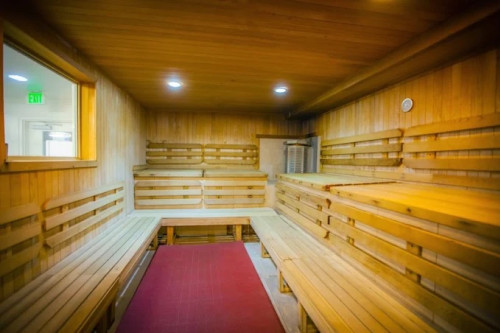
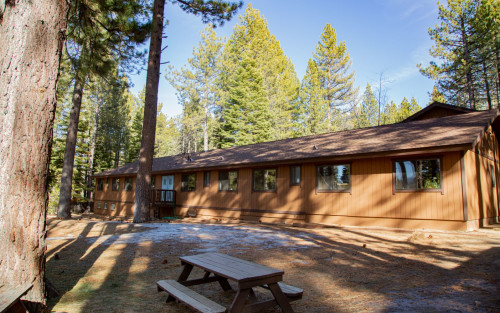
Elevate Addiction Services - Skylake Recovery Center
Verified Center
This provider's information has been quality-checked by Recovery.com's Research Team for accuracy and completeness, including center verification through appropriate third-party organizations.
Treatment Focus
This center treats substance use disorders and co-occurring mental health conditions. Your treatment plan addresses each condition at once with personalized, compassionate care for comprehensive healing.
Primary Level of Care
Offering intensive care with 24/7 monitoring, residential treatment is typically 30 days and can cover multiple levels of care. Length can range from 14 to 90 days typically.
Treatment Focus
This center treats substance use disorders and co-occurring mental health conditions. Your treatment plan addresses each condition at once with personalized, compassionate care for comprehensive healing.
Primary Level of Care
Offering intensive care with 24/7 monitoring, residential treatment is typically 30 days and can cover multiple levels of care. Length can range from 14 to 90 days typically.
Provider's Policy
Elevate Addiction Services is in-network with most major insurance providers and can accept many out-of-network plans as well. Insurance will cover 100% of costs after deductibles and out-of-pockets. Our team will verify your benefits prior to admission ensuring there are no surprises. Additionally, financing is available for any out-of-pocket fees.
Elevate Addiction Services - Skylake Recovery Center
Elevate Addiction Services - Skylake Recovery Center
About Elevate Addiction Services - Skylake Recovery Center
Elevate Addiction Services - Sky Lake Recovery Center is a retreat-like detox, residential, and outpatient treatment center set in the gorgeous pines of the Lake Tahoe region for individuals ages 18-65. This center specializes in holistic, non-12-step treatment that can range from 30-60 days, depending on the clients’ needs. With same-day admissions available, Elevate helps clients begin their recovery journey without delay. Their signature Elevate Method propels clients to live a purpose-driven life free from substances.
Create a Path to a Brighter Future
At Elevate, recovery isn’t just about sobriety—it’s about rediscovering oneself and creating a life filled with purpose and joy. Rather than believing that people are victims of the lifelong disease of addiction, their approach focuses on addressing root causes to help clients heal from within. The team prioritizes all-encompassing healing using both science-backed therapies and interactive ways of healing. They try not to prescribe medication as a first line of defense for mental health conditions, giving the body a chance to replenish what substances have depleted. Elevate is now the first treatment center in the country to introduce cutting-edge 9D breathing technology into their recovery program. Through this and their intensive individual and group therapy, clients come to their own conclusions and create their own path to a brighter future.
Experience Fresh Air, Fresh Food, and Friendship
Reminiscent of a summer camp, with its setting inside a grove of pine trees, their large lodge-style building sits on beautiful grounds to breathe fresh mountain air and enjoy watching beautiful wildlife. While this center does see several inches of snow each year, clients can still bundle up and take advantage of the great outdoors. To make arrival stress-free, Elevate offers airport transfers for incoming clients. After a day of therapy and outdoor activities, clients enjoy nutritious meals that often feature fresh, local food. During down time, clients can play a friendly game of volleyball or watch a movie with peers.
Begin a New Chapter of Life
The journey to recovery doesn’t end with graduation—it’s just the beginning of a lifelong commitment to sobriety. Residential graduates participate in a heartwarming ceremony with family and friends to celebrate their hard-earned success. Each client then leaves with a customized post-treatment plan. They get to meet one-on-one with a continuing-care counselor, have regular checkup calls, and attend virtual support groups. They also offer a safety net through their Graduate Assurance Plan which allows clients to return to treatment for up to 30 days within 6 months of leaving.

Highlights from the Center
Highlights
These highlights are provided by and paid for by the center.
1-on-1 Counseling
Perfect for Professionals
Private Rooms Available
Non 12-Step Approach
Center Overview
Treatment Focus
This center treats substance use disorders and co-occurring mental health conditions. Your treatment plan addresses each condition at once with personalized, compassionate care for comprehensive healing.
Joint Commission Accredited
The Joint Commission accreditation is a voluntary, objective process that evaluates and accredits healthcare organizations (like treatment centers) based on performance standards designed to improve quality and safety for patients. To be accredited means the treatment center has been found to meet the Commission's standards for quality and safety in patient care.
Recently helped 1 person via Recovery.com

Insurance Accepted









Cash Pay Rates
Estimated Cash Pay Rate
Center pricing can vary based on program and length of stay. Contact the center for more information. Recovery.com strives for price transparency so you can make an informed decision.


Recovery.com Verified Listing
Recovery.com verified that the name, location, contact information and license to operate for this treatment provider are valid and up-to-date.
Joint Commission Accredited
Licensed by California DHCS
Recovery.com is an independent, third-party mental health resource. Verification does not imply endorsement and does not guarantee the quality of treatment services.
Meet Your Care Team

Alok Krishna MD
Medical Director

Jesse Quaid
Director of Intake & Clinical Records
CADC-CAS
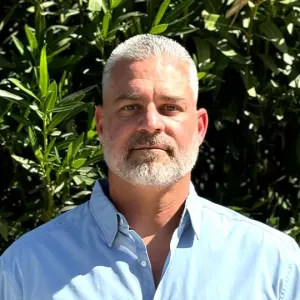
Michael G DiPalma
Lead Admissions Counselor
CADC-CAS
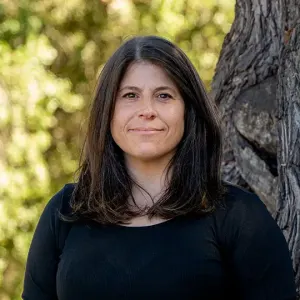
Carrie Grothendick
Lead Female One-on-One Counselor
CADC-CAS
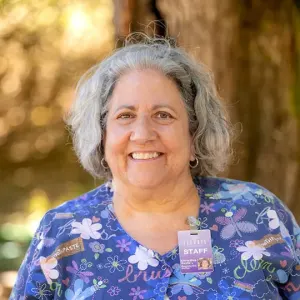
Christina Kuzio
Registered Nurse
AAS Registered Nursing
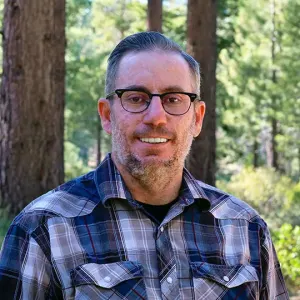
Jeffrey Haycock
One-on-One Counseling Supervisor
CADC-CS

Tim Sinnott
LMFT Clinical Director
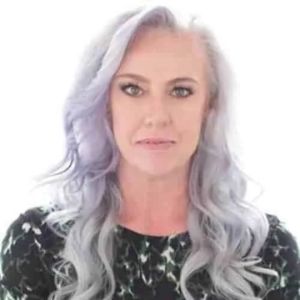
Angie Manson
CEO and Co-Founder
CADC-CS

Dan Manson
President, Chairman and Co-Founder
CADC-CS
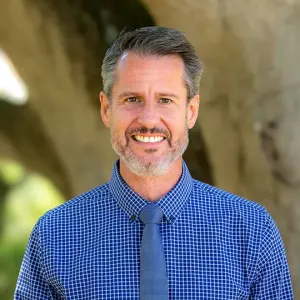
Nathan Tuddenham
Chief Operating Officer
CADC-CS CA COO

Matt Guernaccini
Chief Program Director
CADC-CS
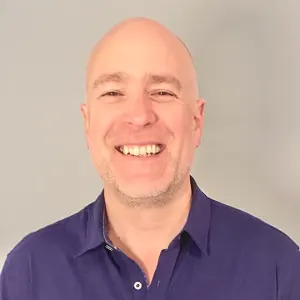
William Hines
Director of Human Resources
CADC-CS CA, member of SHRM
Your Care Options
Specializations
Alcohol
Using alcohol as a coping mechanism, or drinking excessively throughout the week, signals an alcohol use disorder.
Detox
Detox fully and safely removes toxic substances from the body, allowing the next steps in treatment to begin with a clean slate.
Holistic
A non-medicinal, wellness-focused approach that aims to align the mind, body, and spirit for deep and lasting healing.
Intensive Outpatient Program
In an IOP, patients live at home or a sober living, but attend treatment typically 9-15 hours a week. Most programs include talk therapy, support groups, and other methods.
Non 12 Step
Non-12-Step philosophies veer from the spiritual focus of the 12-Steps and instead treat the disease of addiction with holistic or secular modalities.
Trauma
Some traumatic events are so disturbing that they cause long-term mental health problems. Those ongoing issues can also be referred to as "trauma."
Who We Treat
Older Adults
Addiction and mental health treatment caters to adults 55+ and the age-specific challenges that can come with recovery, wellness, and overall happiness.
Executives
Executive treatment programs typically directly support the needs of people who manage businesses and may provide flexible schedules and office space to allow work during treatment.
Young Adults
Emerging adults ages 18-25 receive treatment catered to the unique challenges of early adulthood, like college, risky behaviors, and vocational struggles.
LGBTQ+
Addiction and mental illnesses in the LGBTQ+ community must be treated with an affirming, safe, and relevant approach, which many centers provide.
Men and Women
Men and women attend treatment for addiction in a co-ed setting, going to therapy groups together to share experiences, struggles, and successes.
Midlife Adults
For adults ages 40+, treatment shifts to focus on the unique challenges, blocks, and risk factors of their age group, and unites peers in a similar community.
Mild Disabilities
Adults with mild physical or intellectual disabilities receive treatment catered to their specific needs in a safe and clinically supportive environment.
Treatment Services
Day Treatment
In a PHP, patients live at home but follow an intensive schedule of treatment. Most programs require you to be on-site for about 40 hours per week.
Detox
Detox fully and safely removes toxic substances from the body, allowing the next steps in treatment to begin with a clean slate.
Intensive Outpatient Program
In an IOP, patients live at home or a sober living, but attend treatment typically 9-15 hours a week. Most programs include talk therapy, support groups, and other methods.
Interventionists
Professionals who helps guide loved ones through an intervention to help someone overcome addiction or mental health issues. They may also help clients find treatment centers and navigate the recovery process.
Outpatient
During outpatient rehab, patients attend a structured treatment program while continuing to live at home.
Residential
In a residential rehab program, patients live onsite, with access to daily treatment and 24-hour care. An average stay is 30-90 days.
Approaches
Evidence-Based
A combination of scientifically rooted therapies and treatments make up evidence-based care, defined by their measured and proven results.
Experiential
Expressive tools and therapies help patients process past situations, learn more about themselves, and find healing through action.
Family Involvement
Providers involve family in the treatment of their loved one through family therapy, visits, or both–because addiction is a family disease.
Holistic
A non-medicinal, wellness-focused approach that aims to align the mind, body, and spirit for deep and lasting healing.
Individual Treatment
Individual care meets the needs of each patient, using personalized treatment to provide them the most relevant care and greatest chance of success.
Non 12 Step
Non-12-Step philosophies veer from the spiritual focus of the 12-Steps and instead treat the disease of addiction with holistic or secular modalities.
Therapies
1-on-1 Counseling
Patient and therapist meet 1-on-1 to work through difficult emotions and behavioral challenges in a personal, private setting.
Acceptance and Commitment Therapy (ACT)
This cognitive behavioral therapy teaches patients to accept challenging feelings and make the appropriate changes to reach personal goals.
Experiential Therapy
With this approach, patients heal by doing. Therapists help patients process difficult emotions to speak, using guided activities like art or dance.
Family Therapy
Family therapy addresses group dynamics within a family system, with a focus on improving communication and interrupting unhealthy relationship patterns.
Life Skills
Teaching life skills like cooking, cleaning, clear communication, and even basic math provides a strong foundation for continued recovery.
Meditation & Mindfulness
A practiced state of mind that brings patients to the present. It allows them to become fully aware of themselves, their feelings, and the present moment.
Languages
Conditions We Treat
Anger
Although anger itself isn't a disorder, it can get out of hand. If this feeling interferes with your relationships and daily functioning, treatment can help.
Anxiety
Anxiety is a common mental health condition that can include excessive worry, panic attacks, physical tension, and increased blood pressure.
Bipolar
This mental health condition is characterized by extreme mood swings between depression, mania, and remission.
Burnout
Burnout entails mental and physical exhaustion, and leads to a severe lack of fulfillment. This condition is often caused by overwork.
Codependency
Codependency is a pattern of emotional dependence and controlling behavior. It's most common among people with addicted loved ones.
Depression
Symptoms of depression may include fatigue, a sense of numbness, and loss of interest in activities. This condition can range from mild to severe.
Grief and Loss
Grief is a natural reaction to loss, but severe grief can interfere with your ability to function. You can get treatment for this condition.
Post Traumatic Stress Disorder
PTSD is a long-term mental health issue caused by a disturbing event or events. Symptoms include anxiety, dissociation, flashbacks, and intrusive thoughts.
Stress
Stress is a natural reaction to challenges, and it can even help you adapt. However, chronic stress can cause physical and mental health issues.
Substances We Treat
Alcohol
Using alcohol as a coping mechanism, or drinking excessively throughout the week, signals an alcohol use disorder.
Benzodiazepines
Benzodiazepines are prescribed to treat anxiety and sleep issues. They are highly habit forming, and their abuse can cause mood changes and poor judgement.
Chronic Relapse
Consistent relapse occurs repeatedly, after partial recovery from addiction. This condition requires long-term treatment.
Co-Occurring Disorders
A person with multiple mental health diagnoses, such as addiction and depression, has co-occurring disorders also called dual diagnosis.
Cocaine
Cocaine is a stimulant with euphoric effects. Agitation, muscle ticks, psychosis, and heart issues are common symptoms of cocaine abuse.
Drug Addiction
Drug addiction is the excessive and repetitive use of substances, despite harmful consequences to a person's life, health, and relationships.
Ecstasy
Ecstasy is a stimulant that causes intense euphoria and heightened awareness. Abuse of this drug can trigger depression, insomnia, and memory problems.
Heroin
Heroin is a highly addictive and illegal opioid. It can cause insomnia, collapsed veins, heart issues, and additional mental health issues.
Aftercare
Care Designed for Your Needs
Personal Amenities
Amenities
Special Considerations
Center Pets
Addiction and mental health facilities with pets allow patients to interact with friendly dogs, cats, horses, and in some cases, even dolphins.
Gender-specific groups
Patients in gender-specific groups gain the opportunity to discuss challenges unique to their gender in a comfortable, safe setting conducive to healing.
Healthy Meals are provided
Great food meets great treatment, with providers serving healthy meals to restore nutrition, wellbeing, and health.
Activities
Yoga
Yoga is both a physical and spiritual practice. It includes a flow of movement, breathing techniques, and meditation.
Off-Site Activities
Learn More About the Center
Elevate Services Featured in Recovery Today Magazine
Check out Elevate’s latest feature in Recovery Today and gain insights into the future of addiction recovery.
The Elevate Experience Podcast
Tune into Elevate’s podcast for inspiring stories, expert insights, and practical tips for recovery.
Long-term Side Effects of Anti-Depressants
Uncover the overlooked long-term effects of anti-depressant use.
Develop a Roadmap to Lasting Recovery
Dive into this guide to develop vital skills for coping, communicating, managing emotions, and more.