- Addiction
- Mental Health
- About Us
Find Treatment By
Rehabs by Location


Find Treatment By
Learn
About Us
Recovery.com combines independent research with expert guidance on addiction and mental health treatment. Our mission is to help everyone find the best path to recovery through the most comprehensive, helpful network of treatment providers worldwide.
Advisory Council
Our advisory council brings together leaders in behavioral health, technology, and business. Their diverse expertise ensures our resources and product are innovative, evidence-based, and effective. They guide our mission as accomplished individuals dedicated to improving the landscape of addiction recovery and mental wellness.




Experience Ibogaine Treatment Center
Treatment Focus
This center treats substance use disorders and mental health conditions. You'll receive individualized care catered to your unique situation and diagnosis, learn practical skills for recovery, and make new connections in a restorative environment.
Primary Level of Care
Offering intensive care with 24/7 monitoring, residential treatment is typically 30 days and can cover multiple levels of care. Length can range from 14 to 90 days typically.
Claimed
Recovery.com has connected directly with this treatment provider to validate the information in their profile.
Treatment Focus
This center treats substance use disorders and mental health conditions. You'll receive individualized care catered to your unique situation and diagnosis, learn practical skills for recovery, and make new connections in a restorative environment.
Primary Level of Care
Offering intensive care with 24/7 monitoring, residential treatment is typically 30 days and can cover multiple levels of care. Length can range from 14 to 90 days typically.
Private Pay
You pay directly for treatment out of pocket. This approach can offer enhanced privacy and flexibility, without involving insurance. Exact costs vary based on program and length of stay. Contact the center for specific details.
Experience Ibogaine Treatment Center
Experience Ibogaine Treatment Center
About Experience Ibogaine Treatment Center
Experience Ibogaine uses ibogaine-assisted treatment to help clients detox from substances and heal from mental health conditions. Their medically monitored ibogaine experience offers a more comfortable withdrawal experience, sometimes with no cravings or side effects. Their medical director provides decades of experience in ibogaine-assisted treatment and emergency medicine. Combined, their medical staff bring 50 years of experience in ibogaine treatment.
Safe And Tested Care
Experience Ibogaine begins treatment with a thorough medical assessment. This includes a full blood lab, urinalysis, and testing of the heart and liver to make sure each client is physically ready for treatment. Once ready, Experience Ibogaine provides a small test dose of ibogaine before beginning the full flood dose. Typically, the experience of ibogaine lasts 8-12 hours. Clients stay under medical observation in a private room during the experience.
Person-Focused Healing
After the psychedelic effects wear off, clients can start group and 1:1 therapy. Workshops help clients see the effects of their decisions, and how they can maintain their sobriety after treatment at Experience Ibogaine. Other 1:1 coaching sessions help clients plan for their next steps in treatment. On average, clients stay at Experience Ibogaine for 7 days, though they can extend or shorten their time.
Individualized Treatment
Experience Ibogaine treats just 2-3 clients at a time for a small client-to-staff ratio. Clients can enjoy private rooms, an on-site chef who cooks to their preferences, and a rooftop with views of the Pacific Ocean. To help with detox, Experience Ibogaine also provides a sauna and swimming pool. They also pick clients up from San Diego’s airport before driving them into Mexico.

Highlights from the Center
Highlights
These highlights are provided by and paid for by the center.
Therapeutic Location
Holistic Approach
Trauma-Informed Care
Addiction Recovery
Center Overview
Treatment Focus
This center treats substance use disorders and mental health conditions. You'll receive individualized care catered to your unique situation and diagnosis, learn practical skills for recovery, and make new connections in a restorative environment.

Pricing and Program Length
Estimated Center Costs
The cost listed here ($5,000-$8,000), is an estimate of program cost. Center price can vary based on program and length of stay. Contact the center for more information. Recovery.com strives for price transparency so you can make an informed decision.
Meet Your Care Team

Aeden Smith-Ahearn
Clinical Coordinator
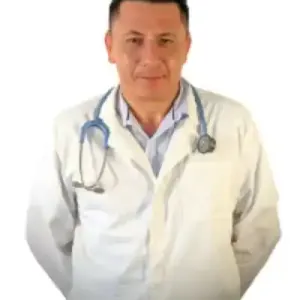
Dr.Paul Casillas, MD.
Head Medical Director
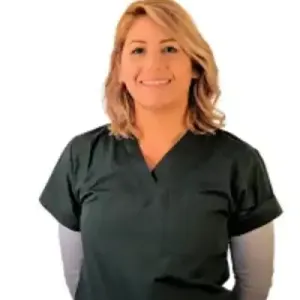
Mayra de Anda
On-site Nurse & 5Meo-dmt facilitator
RN
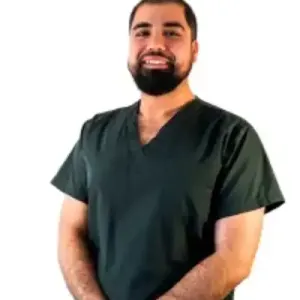
Jonathan Delgado
On-site EMT & 5Meo-dmt facilitator

Alex Mendoza
Local activities
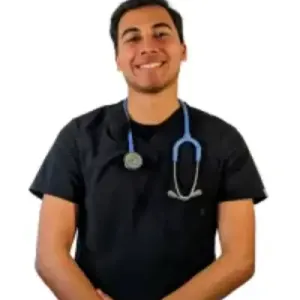
Dr. Hector Mendoza
On-site physician

Jonathan Martinez
On-site OR Nurse
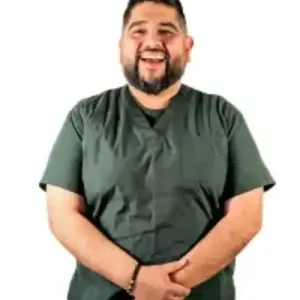
Enrique Soto
On-site nurse

Araceli Manriquez
On-site nurse

Carla Santos
On-site psychologist

Carolina Hernandez
Nutritionist

Michael Escalante
Intake coordinator

Tomas Guerrero
Chef

Bertha dela Rosa
Chef

Antonio Felipe
Maintenance and housekeeping




Levels of Care


Your Care Options
Specializations
Alcohol
Using alcohol as a coping mechanism, or drinking excessively throughout the week, signals an alcohol use disorder.
Drug Addiction
Drug addiction is the excessive and repetitive use of substances, despite harmful consequences to a person's life, health, and relationships.
Ibogaine Treatment
Ibogaine, a psychedelic substance, can naturally reduce withdrawal discomforts and cravings, especially in those seeking treatment for opioid use.
Opioids
Opioids produce pain-relief and euphoria, which can lead to addiction. This class of drugs includes prescribed medication and the illegal drug heroin.
Prescription Drugs
It's possible to abuse any drug, even prescribed ones. If you crave a medication, or regularly take it more than directed, you may have an addiction.
Post Traumatic Stress Disorder
PTSD is a long-term mental health issue caused by a disturbing event or events. Symptoms include anxiety, dissociation, flashbacks, and intrusive thoughts.
Trauma
Some traumatic events are so disturbing that they cause long-term mental health problems. Those ongoing issues can also be referred to as "trauma."
Who We Treat
LGBTQ+
Addiction and mental illnesses in the LGBTQ+ community must be treated with an affirming, safe, and relevant approach, which many centers provide.
Men and Women
Men and women attend treatment for addiction in a co-ed setting, going to therapy groups together to share experiences, struggles, and successes.
Veterans
Patients who completed active military duty receive specialized treatment focused on trauma, grief, loss, and finding a new work-life balance.
Approaches
Evidence-Based
A combination of scientifically rooted therapies and treatments make up evidence-based care, defined by their measured and proven results.
Non 12 Step
Non-12-Step philosophies veer from the spiritual focus of the 12-Steps and instead treat the disease of addiction with holistic or secular modalities.
Spiritual Emphasis
Spirituality connects patients to a higher power and helps strengthen their recovery, hope, and compliance with other treatment modalities.
Therapies
1-on-1 Counseling
Patient and therapist meet 1-on-1 to work through difficult emotions and behavioral challenges in a personal, private setting.
Animal Therapy
Animals can inspire trust and self-worth. In this experiential therapy, guided interactions are used to improve social skills and emotion regulation.
Art Therapy
Visual art invites patients to examine the emotions within their work, focusing on the process of creativity and its gentle therapeutic power.
Canine Therapy
Friendly dogs provide a pleasant therapeutic experience, helping patients who've experienced trauma or separations build social and communication skills.
Ibogaine Treatment
Ibogaine, a psychedelic substance, can naturally reduce withdrawal discomforts and cravings, especially in those seeking treatment for opioid use.
Life Skills
Teaching life skills like cooking, cleaning, clear communication, and even basic math provides a strong foundation for continued recovery.
Massage Therapy
Massage therapy relieves physical and emotional tension, reduces pain, promotes relaxation, and improves emotion regulation.
Music Therapy
Singing, performing, and even listening to music can be therapeutic. Music therapy sessions are facilitated by certified counselors.
Languages
Conditions We Treat
Anxiety
Anxiety is a common mental health condition that can include excessive worry, panic attacks, physical tension, and increased blood pressure.
Burnout
Burnout entails mental and physical exhaustion, and leads to a severe lack of fulfillment. This condition is often caused by overwork.
Codependency
Codependency is a pattern of emotional dependence and controlling behavior. It's most common among people with addicted loved ones.
Depression
Symptoms of depression may include fatigue, a sense of numbness, and loss of interest in activities. This condition can range from mild to severe.
Post Traumatic Stress Disorder
PTSD is a long-term mental health issue caused by a disturbing event or events. Symptoms include anxiety, dissociation, flashbacks, and intrusive thoughts.
Stress
Stress is a natural reaction to challenges, and it can even help you adapt. However, chronic stress can cause physical and mental health issues.
Trauma
Some traumatic events are so disturbing that they cause long-term mental health problems. Those ongoing issues can also be referred to as "trauma."
Substances We Treat
Alcohol
Using alcohol as a coping mechanism, or drinking excessively throughout the week, signals an alcohol use disorder.
Chronic Relapse
Consistent relapse occurs repeatedly, after partial recovery from addiction. This condition requires long-term treatment.
Co-Occurring Disorders
A person with multiple mental health diagnoses, such as addiction and depression, has co-occurring disorders also called dual diagnosis.
Cocaine
Cocaine is a stimulant with euphoric effects. Agitation, muscle ticks, psychosis, and heart issues are common symptoms of cocaine abuse.
Drug Addiction
Drug addiction is the excessive and repetitive use of substances, despite harmful consequences to a person's life, health, and relationships.
Heroin
Heroin is a highly addictive and illegal opioid. It can cause insomnia, collapsed veins, heart issues, and additional mental health issues.
Methamphetamine
Methamphetamine, or meth, increases energy, agitation, and paranoia. Long-term use can result in severe physical and mental health issues.
Opioids
Opioids produce pain-relief and euphoria, which can lead to addiction. This class of drugs includes prescribed medication and the illegal drug heroin.
Prescription Drugs
It's possible to abuse any drug, even prescribed ones. If you crave a medication, or regularly take it more than directed, you may have an addiction.
Aftercare
Care Designed for Your Needs
Personal Amenities
Amenities
Special Considerations
Young Adults Program
Programs for young adults bring teens 18+ together to discuss age-specific challenges, vocational and educational progress, and successes in treatment.
Gender-specific groups
Patients in gender-specific groups gain the opportunity to discuss challenges unique to their gender in a comfortable, safe setting conducive to healing.
LGBTQ group
Group therapy unites LGBTQ+ patients in a safe and culturally competent setting, encouraging peer support under the expert leadership of a therapist.
Clients can bring their own pet(s)
For greater comfort and healing, pet-friendly treatment centers welcome dogs and animal companions to stay with their owners while they attend treatment.
Activities
Yoga
Yoga is both a physical and spiritual practice. It includes a flow of movement, breathing techniques, and meditation.