- Addiction
- Mental Health
- About Us
Find Treatment By
Rehabs by Location


Find Treatment By
Learn
About Us
Recovery.com combines independent research with expert guidance on addiction and mental health treatment. Our mission is to help everyone find the best path to recovery through the most comprehensive, helpful network of treatment providers worldwide.
Advisory Council
Our advisory council brings together leaders in behavioral health, technology, and business. Their diverse expertise ensures our resources and product are innovative, evidence-based, and effective. They guide our mission as accomplished individuals dedicated to improving the landscape of addiction recovery and mental wellness.
Family First Adolescent Services
Verified Center
This provider's information has been quality-checked by Recovery.com's Research Team for accuracy and completeness, including center verification through appropriate third-party organizations.
Treatment Focus
This center treats mental health conditions and co-occurring substance use. You receive collaborative, individualized treatment that addresses both issues for whole-person healing.
Primary Level of Care
Offering intensive care with 24/7 monitoring, residential treatment is typically 30 days and can cover multiple levels of care. Length can range from 14 to 90 days typically.
Treatment Focus
This center treats mental health conditions and co-occurring substance use. You receive collaborative, individualized treatment that addresses both issues for whole-person healing.
Primary Level of Care
Offering intensive care with 24/7 monitoring, residential treatment is typically 30 days and can cover multiple levels of care. Length can range from 14 to 90 days typically.
Provider's Policy
At Family First, we know that treatment financing can make all the difference in receiving quality treatment. In addition, advisors and insurance companies sometimes push families towards lower-cost, poor-quality treatment options. As a result, this sets young people up for exposure to negative and even traumatic treatment experiences. To support families in their efforts to access quality young adult and adolescent treatment, Family First Adolescent Services accepts a wide range of insurance plans and provides financing options.
Family First Adolescent Services
Family First Adolescent Services
About Family First Adolescent Services
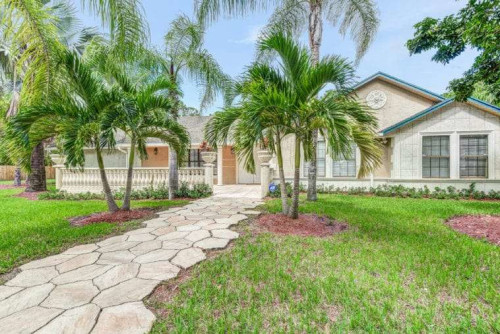
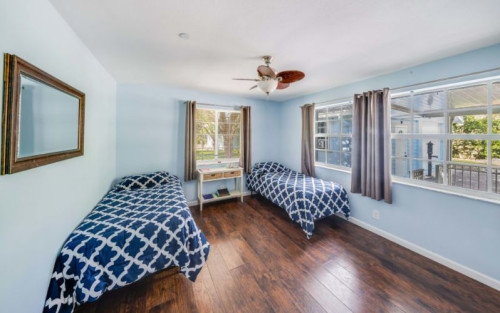
Family First Adolescent Services treats boys ages 13-18 with mental health conditions, substance use disorders, and dual diagnoses. They use a trauma-informed approach to help boys heal the root cause of the behaviors and thoughts that lead to their conditions. Family First Adolescent Services involves family each step of the way, with weekly support groups, calls about progress, and family therapy to help the whole family heal.
Personal And Attentive Care
Family First Adolescent Services provides 40 hours of trauma-informed care each week, starting with their unique 5-in-7 care method. This method connects boys with their primary therapist 5 times in their first 7 days of treatment for an immersive beginning to recovery. Family First Adolescent Services boasts a 3:1 staff-to-client ratio, with a multidisciplinary team helping teen boys heal comprehensively. They offer treatment for complex post-traumatic stress disorder (C-PTSD), depression, anxiety, trauma, ADHD/ADD, gaming and internet addiction, and substance use disorders.
Teen-Focused Programs And Therapies
Family First Adolescent Services provides on-site academic services for teens in high school and teens preparing for college. They offer dual enrollment courses through Palm Beach State College, ACT, SAT, and PERT prep, and help boys with their FAFSAs. On-site educators collaborate with teens’ home schools to continue their education at Family First Adolescent Services. When not in school, boys engage in therapy and experiential activities. Their therapies include cognitive behavioral therapy (CBT), dialectical behavioral therapy (DBT), eye movement desensitization and reprocessing (EMDR), equine therapy, somatic therapy, and expressive arts.
Healing Inside And Out
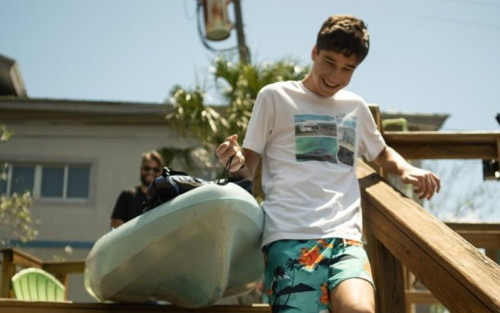
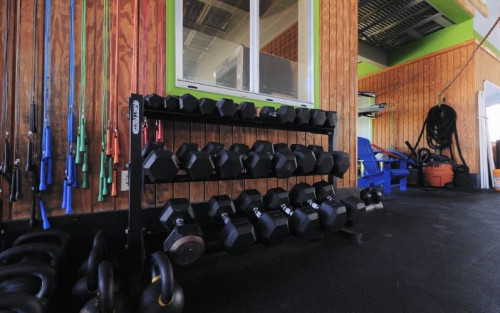
Teen boys can enjoy a wide variety of experiential therapies and outdoor activities at Family First Adolescent Services. Boys can paddleboard, wakeboard, paintball, surf, kayak, and go deep-sea fishing. They can also try CrossFit and yoga, plus weight training in Family First Adolescent Services’ on-site gym. After treatment, Family First Adolescent Services offers a year of aftercare services with weekly check-ins and 2 weekly meetings. Their intensive outpatient program (IOP) welcomes local teens for 3 group meetings a week and 1:1 sessions. For out-of-town teens, Family First Adolescent Services connects boys and their families with continued services in their area—like therapy, therapeutic boarding school, and local IOPs.

Highlights from the Center
Highlights
These highlights are provided by and paid for by the center.
Customized Treatment Plans
Trauma-Informed Care
Adolescents
Accredited
Center Overview
Treatment Focus
This center treats mental health conditions and co-occurring substance use. You receive collaborative, individualized treatment that addresses both issues for whole-person healing.
Joint Commission Accredited
The Joint Commission accreditation is a voluntary, objective process that evaluates and accredits healthcare organizations (like treatment centers) based on performance standards designed to improve quality and safety for patients. To be accredited means the treatment center has been found to meet the Commission's standards for quality and safety in patient care.

Insurance Accepted






Cash Pay Rates
Estimated Cash Pay Rate
Center pricing can vary based on program and length of stay. Contact the center for more information. Recovery.com strives for price transparency so you can make an informed decision.
Luxury rehab centers offer a unique blend of luxurious amenities and high-quality treatment. From private suites to gourmet dining, personal trainers to spa treatments, these facilities provide a high level of comfort and discretion.
Top 50 Rehabs in the World
Meet Your Care Team

Jessica Smith
Education Director
BS
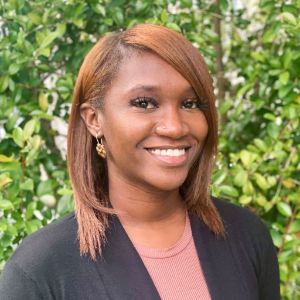
Trendicia Roberts
Academic Coordinator

Chris Guerra
Education Specialist
BS
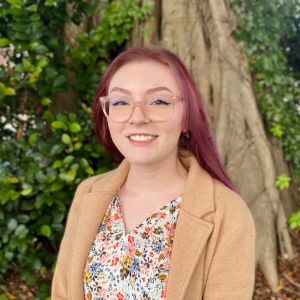
Kassidy Daniels
Academic Coordinator
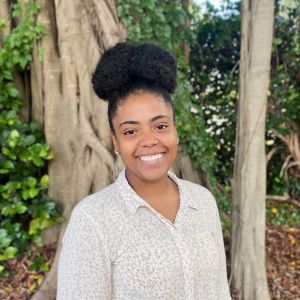
Christina Headley
Academic Coordinator
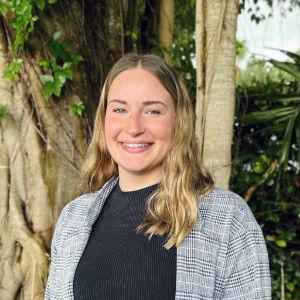
Sophie Feuer
Academic Coordinator
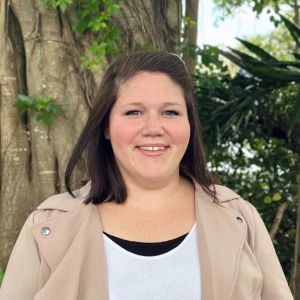
Katie Klube
Academic Coordinator
BA

Mike Giresi
Chief Development Officer
CAC, CTP, ICADC, NMP

Erin Beattie
Clinical Supervisor
M.Ed, LMHC, NCC

Callie Reda
Lead Therapist
MA

Danielle Guido
Senior Therapist
MSW
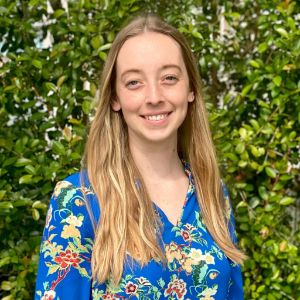
Lauren Picone
Senior Therapist
MSW
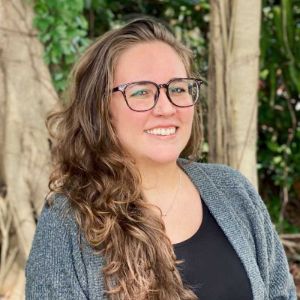
Alexandra Connor
Therapist
LCSW
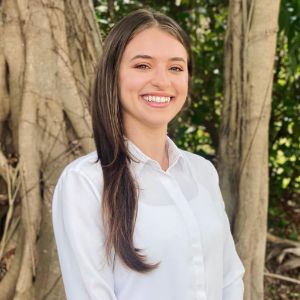
Andréa Lahoud
Senior Therapist
LMHC

Molly Spruill
Therapist
MA
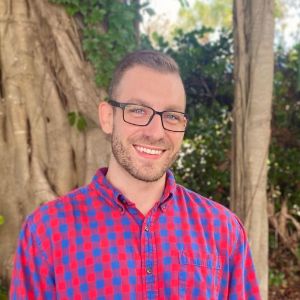
Joseph Knight
Therapist
MSW
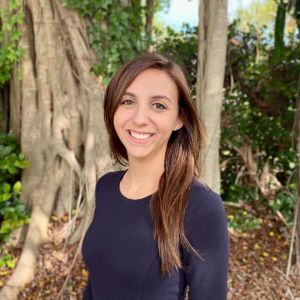
Michele Mammino
Therapist
M.Ed., NCC
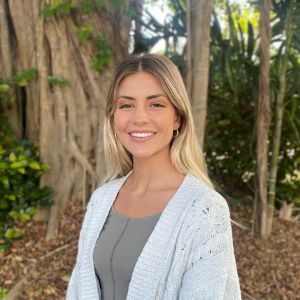
Liz Dobrowolski
Therapist
MSW
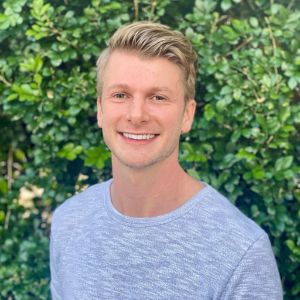
Josiah Thurlow
Clinical Coach
MS
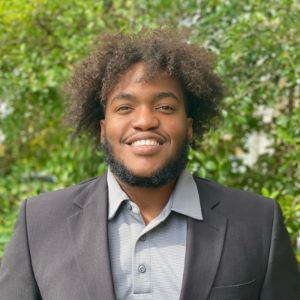
Raymond Edwards
Clinical Coach
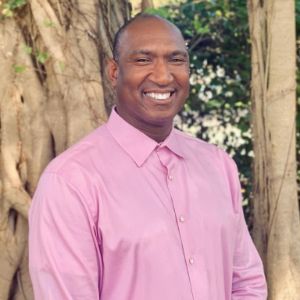
Ian Demills
Clinical Coach
MS

Lilian Perez
Clinical Coach
CASAC
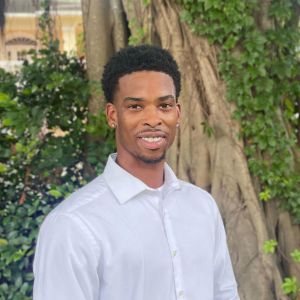
Devin Sheely
Clinical Coach
BSW
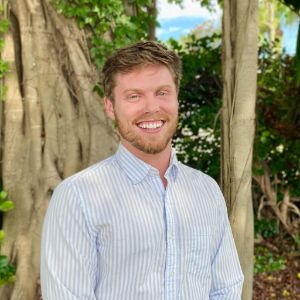
Jake Gainey
Clinical Coach
BA

Jamal Hoskins
Clinical Coach
BSW

Kevin Johnson
Director of Experiential & Alumni Services
CAC
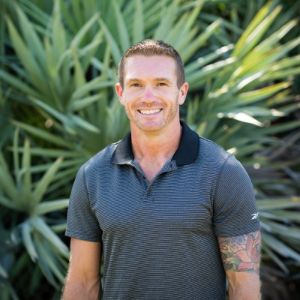
Mike Phillps
Director of Experiential Programming
MS, EMDR, CF-L1

Phillip Davidoff
Holistic Practitioner
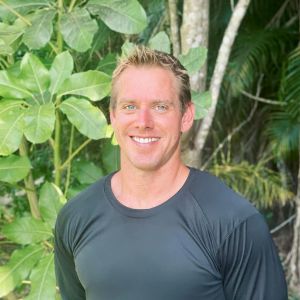
Will Gambee
Personal Trainer & Fitness Coordinator
CPT

Jonathan Stevens
Medical Director
MD MPH
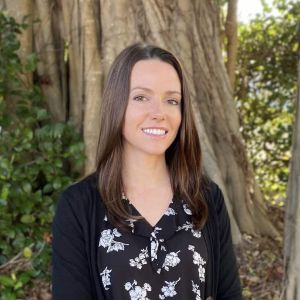
Taylor Dowd
Director of Psychiatric & Health Services
MSN, APRN, PMHNP-BC
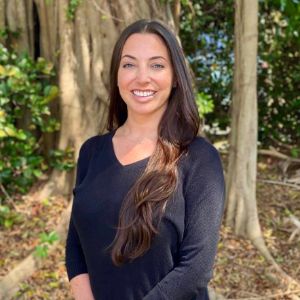
Rose Ferrante
Director of Nursing
RN

Mitch Maffeo
Registered Nurse
RN

Michaela Kyle
Vice President of Operations
BS

Robert Smith
Program Director
CAC, ICADC
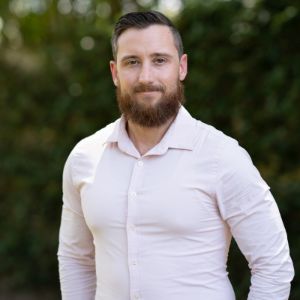
Tucker Powers
Director of Support Services
CAC, ICADC
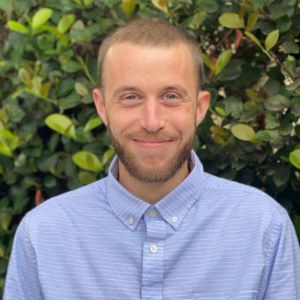
Colin Keffner
Assistant Director of Support Services

Deshawn Wellons
Senior Program Coordinator
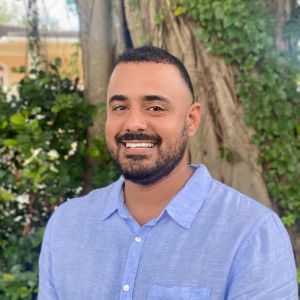
Kevin Buchanan
Program Coordinator

Jordan Howell
Evening Program Supervisor
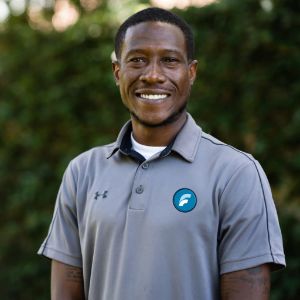
Chris Brunache
Program Coordinator
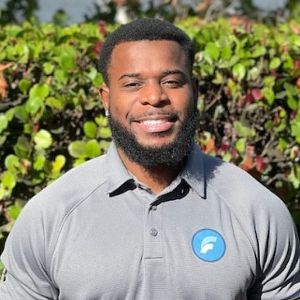
Billy Alerte
Assistant Program Coordinator
CBHT
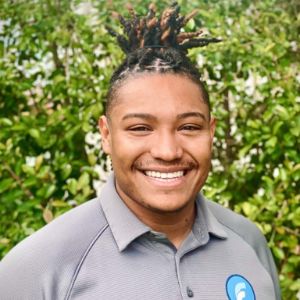
Carlos Rocha
Program Coordinator
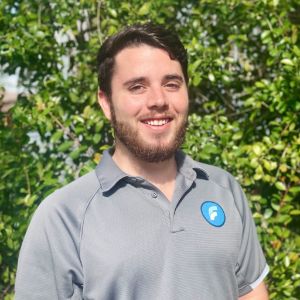
Corey Mears
Assistant Program Coordinator & Case Manager
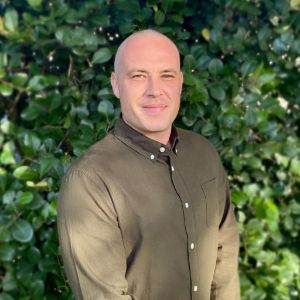
Tyler Greer
Assistant Program Coordinator & Case Manager
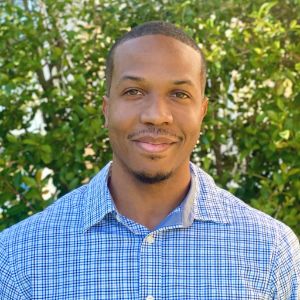
Rupert Dodd-Williams
Lead Counselor Assistant
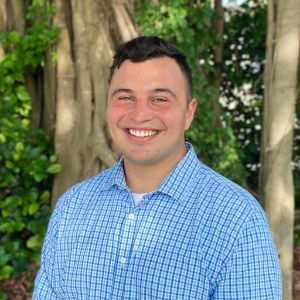
Niko Leitman
Lead Counselor Assistant



Levels of Care


Your Care Options
Specializations
Anxiety
Anxiety is a common mental health condition that can include excessive worry, panic attacks, physical tension, and increased blood pressure.
Bipolar
This mental health condition is characterized by extreme mood swings between depression, mania, and remission.
Drug Addiction
Drug addiction is the excessive and repetitive use of substances, despite harmful consequences to a person's life, health, and relationships.
Gaming
Compulsive gaming is most often a problem for children and teens. The disorder can affect physical health, sleep, and the ability to focus at school.
Who We Treat
Adolescents
Teens receive the treatment they need for mental health disorders and addiction, with the added support of educational and vocational services.
Approaches
Evidence-Based
A combination of scientifically rooted therapies and treatments make up evidence-based care, defined by their measured and proven results.
Experiential
Expressive tools and therapies help patients process past situations, learn more about themselves, and find healing through action.
Family Involvement
Providers involve family in the treatment of their loved one through family therapy, visits, or both–because addiction is a family disease.
Gender-Specific
Separate treatment for men or women can create strong peer connections and remove barriers related to trauma, shame, and gender-specific nuances.
Holistic
A non-medicinal, wellness-focused approach that aims to align the mind, body, and spirit for deep and lasting healing.
Therapies
1-on-1 Counseling
Patient and therapist meet 1-on-1 to work through difficult emotions and behavioral challenges in a personal, private setting.
Adventure Therapy
This experiential approach uses the physical and emotional challenges of outdoor activities as tools for personal growth.
Animal Therapy
Animals can inspire trust and self-worth. In this experiential therapy, guided interactions are used to improve social skills and emotion regulation.
Art Therapy
Visual art invites patients to examine the emotions within their work, focusing on the process of creativity and its gentle therapeutic power.
Attachment-Based Family Therapy
ABFT is a trauma-focused therapy that teaches you to form healthy relationships by rebuilding trust and healing attachment issues formed in childhood.
Body Image Therapy
Therapists use cognitive behavior techniques to challenge how patients perceive their body and their worth, rewriting negative thoughts and attitudes.
Languages
Conditions We Treat
ADHD, ADD
ADHD is a common mental health condition caused by dopamine imbalance. Common symptoms include inattention, hyperactivitiy, and impulsivity.
Anger
Although anger itself isn't a disorder, it can get out of hand. If this feeling interferes with your relationships and daily functioning, treatment can help.
Anxiety
Anxiety is a common mental health condition that can include excessive worry, panic attacks, physical tension, and increased blood pressure.
Bipolar
This mental health condition is characterized by extreme mood swings between depression, mania, and remission.
Codependency
Codependency is a pattern of emotional dependence and controlling behavior. It's most common among people with addicted loved ones.
Depression
Symptoms of depression may include fatigue, a sense of numbness, and loss of interest in activities. This condition can range from mild to severe.
Gaming
Compulsive gaming is most often a problem for children and teens. The disorder can affect physical health, sleep, and the ability to focus at school.
Grief and Loss
Grief is a natural reaction to loss, but severe grief can interfere with your ability to function. You can get treatment for this condition.
Internet Addiction
Internet addiction is common among children teens. This compulsive disorder can damage relationships, school performance, sleep habits, and physical health.
Substances We Treat
Alcohol
Using alcohol as a coping mechanism, or drinking excessively throughout the week, signals an alcohol use disorder.
Co-Occurring Disorders
A person with multiple mental health diagnoses, such as addiction and depression, has co-occurring disorders also called dual diagnosis.
Cocaine
Cocaine is a stimulant with euphoric effects. Agitation, muscle ticks, psychosis, and heart issues are common symptoms of cocaine abuse.
Drug Addiction
Drug addiction is the excessive and repetitive use of substances, despite harmful consequences to a person's life, health, and relationships.
Ecstasy
Ecstasy is a stimulant that causes intense euphoria and heightened awareness. Abuse of this drug can trigger depression, insomnia, and memory problems.
Prescription Drugs
It's possible to abuse any drug, even prescribed ones. If you crave a medication, or regularly take it more than directed, you may have an addiction.
Psychedelics
Hallucinogenic drugs—like LSD—cause euphoria and increased sensory experiences. When abused, they can lead to depression and psychosis.
Aftercare
Care Designed for Your Needs
Personal Amenities
Amenities
Special Considerations
Gender-specific groups
Patients in gender-specific groups gain the opportunity to discuss challenges unique to their gender in a comfortable, safe setting conducive to healing.
Young Adults Program
Programs for young adults bring teens 18+ together to discuss age-specific challenges, vocational and educational progress, and successes in treatment.
Activities
Yoga
Yoga is both a physical and spiritual practice. It includes a flow of movement, breathing techniques, and meditation.
Off-Site Activities
Off-Site Amenities
What people are saying
Treatment
5.0
Accommodations
4.4
Food & Nutrition
4.2
Value
5.0
Pros
- Friendly and Competent Staff (4)
- Family Program (4)
- Treated My Loved One With Respect (4)
- Trustworthy (4)
Sean
Treatment in 2019 • (60 days) • Reviewed 05/11/23
Loved one of a Former Client
•Brooklyn New York
JD
Treatment in 2019 • (90 days) • Reviewed 05/10/23
Loved One of a Former Client
•SC
Sean
Treatment in 2019 • (60 days) • Reviewed 05/11/23
Loved one of a Former Client
•Brooklyn New York
Jamie, Behavioral Health CEO and Dad
Treatment in 2023 • (90 days) • Reviewed 05/05/23
Loved One of a Former Client
Angie R.
Treatment in 2021 • (90 days) • Reviewed 05/09/23
Loved One of a Former Client
•Ponte Vedra, FL