- Addiction
- Mental Health
- About Us
Find Treatment By
Rehabs by Location


Find Treatment By
Learn
About Us
Recovery.com combines independent research with expert guidance on addiction and mental health treatment. Our mission is to help everyone find the best path to recovery through the most comprehensive, helpful network of treatment providers worldwide.
Advisory Council
Our advisory council brings together leaders in behavioral health, technology, and business. Their diverse expertise ensures our resources and product are innovative, evidence-based, and effective. They guide our mission as accomplished individuals dedicated to improving the landscape of addiction recovery and mental wellness.
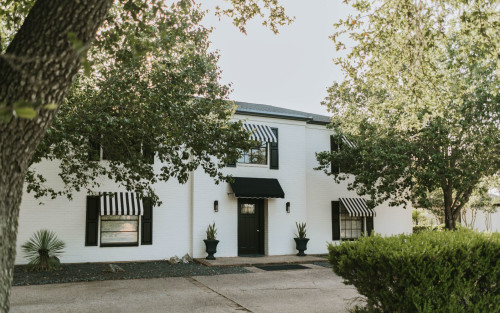


Heartwood Recovery for Men
Verified Center
This provider's information has been quality-checked by Recovery.com's Research Team for accuracy and completeness, including center verification through appropriate third-party organizations.
Treatment Focus
This center treats substance use disorders and co-occurring mental health conditions. Your treatment plan addresses each condition at once with personalized, compassionate care for comprehensive healing.
Primary Level of Care
Offering intensive care with 24/7 monitoring, residential treatment is typically 30 days and can cover multiple levels of care. Length can range from 14 to 90 days typically.
Treatment Focus
This center treats substance use disorders and co-occurring mental health conditions. Your treatment plan addresses each condition at once with personalized, compassionate care for comprehensive healing.
Primary Level of Care
Offering intensive care with 24/7 monitoring, residential treatment is typically 30 days and can cover multiple levels of care. Length can range from 14 to 90 days typically.
Provider's Policy
At Heartwood Recovery, we are in-network with several insurance providers. We can also facilitate helping you explore out-of-network benefits. We are currently in-network with Cigna, Magellan, BCBS, Aetna, Ambetter, and Multiplan. We do not accept Medicaid and Medicare.
Heartwood Recovery for Men
Heartwood Recovery for Men
About Heartwood Recovery for Men
The residential addiction treatment program at Heartwood Recovery is designed to give men lasting recovery by focusing on the solution: sobriety. Heartwood Recovery understands the influence of societal and environmental pressures on men in recovery, and caters its residential addiction treatment program and sober living to the unique needs of men. They achieve this through multiple approaches, such as addiction counseling, 12-step immersion, rehab fitness programs, and more.
Evidence-Based and Holistic Approaches
Heartwood Recovery’s evidence-based treatment includes cognitive behavioral therapy (CBT), trauma-informed care, and 12-Step immersion. They also use a holistic approach that includes physical, emotional, social, and spiritual factors. Each method is tailored to help men work through their underlying issues and develop the skills and tools necessary to achieve long-term recovery. Clients can expect to understand more about addiction, but more importantly, their unique underlying issues—the root cause of their addiction. To treat trauma and co-occurring mental disorders, each client is able to meet 1-on-1 with highly qualified therapists, trainers, and clinicians.
Community and Family Support
A key component of Heartwood Recovery’s program is building a supportive community of men who are all working towards the same goal of lasting recovery. They provide a safe and nurturing environment where men can connect with each other, form meaningful relationships, and find encouragement in a group setting. Heartwood Recovery also believes family therapy is a vital aspect of men’s addiction treatment, and creates space for the loved and their family members to work together toward healing.
A Peaceful, Upscale Facility
Heartwood Recovery’s men’s rehab facility is designed to provide a space for peace and healing. Clients stay in spacious, shared rooms with shared bathrooms. A variety of amenities are available throughout the residential program, including:
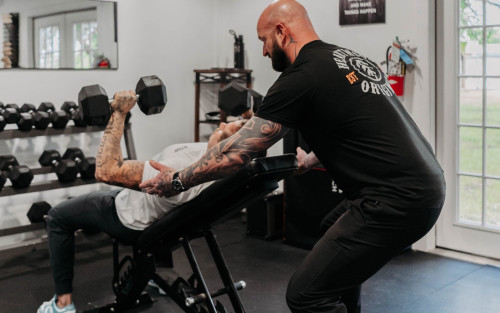
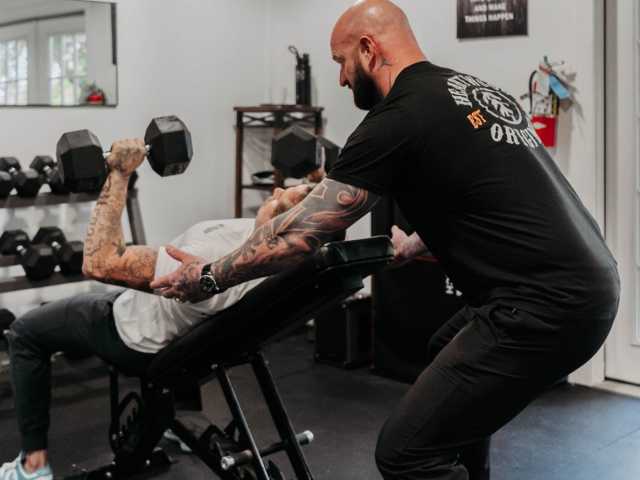
- On-site gym, weekly group personal training sessions
- Outdoor meditation sessions
- 12-Step meetings (on and off campus)
- Weekly outings (hiking, softball, swimming, movies, etc.)
- Outdoor games (ping pong, basketball, etc,)
Highlights from the Center
Highlights
These highlights are provided by and paid for by the center.
Co-Occurring Disorders Treatment
Wellness Emphasis
Men Only
Addiction Recovery
Center Overview
Treatment Focus
This center treats substance use disorders and co-occurring mental health conditions. Your treatment plan addresses each condition at once with personalized, compassionate care for comprehensive healing.
Joint Commission Accredited
The Joint Commission accreditation is a voluntary, objective process that evaluates and accredits healthcare organizations (like treatment centers) based on performance standards designed to improve quality and safety for patients. To be accredited means the treatment center has been found to meet the Commission's standards for quality and safety in patient care.

Insurance Accepted





Cash Pay Rates
Estimated Cash Pay Rate
Center pricing can vary based on program and length of stay. Contact the center for more information. Recovery.com strives for price transparency so you can make an informed decision.
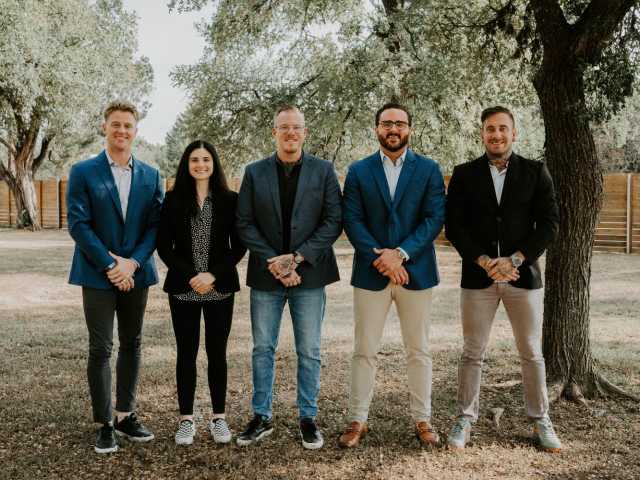
Meet Your Care Team

Anthony Wadsworth
Executive Chef
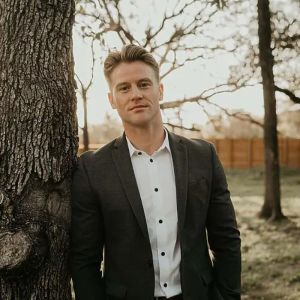
Chase Finlay
Lead Clinician
LCDC
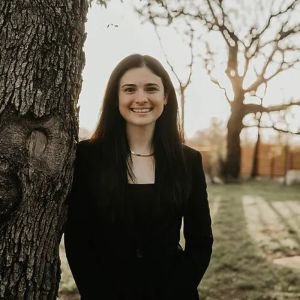
Elizabeth Black
Director of Nursing
MSN, RN, CNE
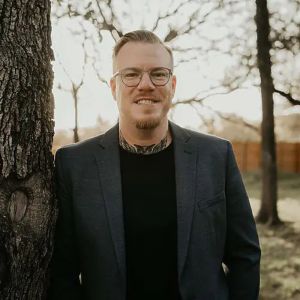
Frank Schmitt
Founder and CEO
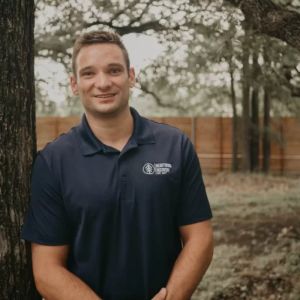
Grant Bleser
Alumni Coordinator
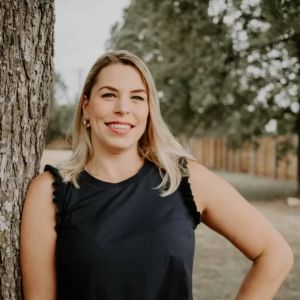
Taylor Aselage
Lead Admissions Coordinator
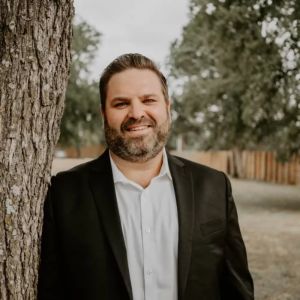
Blake Waxler
Admissions Coordinator
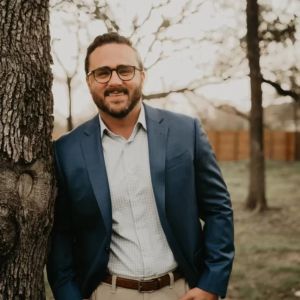
Nick Borges
Clinical Director and COO
LCSW, LCDC

Jonah Bailey
Lead Recovery Advocate
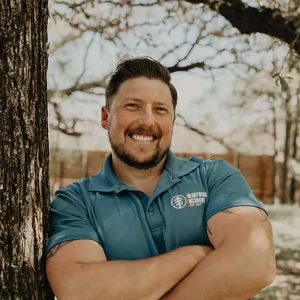
Kyle Buzick
Property Manager

Megan Stevens
Director of Compliance & Human Resources
B.A, Com., SHRM-CP
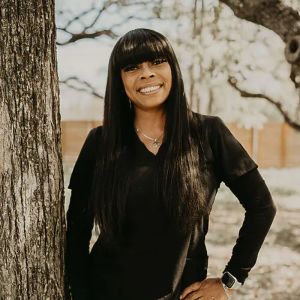
Que Manning
Licensed Practical Nurse
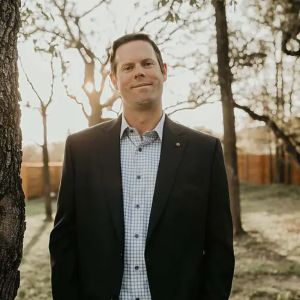
Ty Davis
Case Manager and Clinical Intern
LCDCI
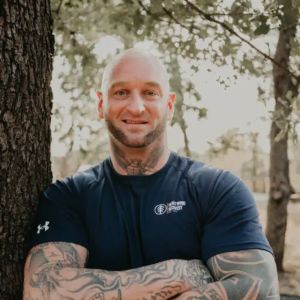
Shawn Livingston
Outreach Specialist and Director of Health and Wellness
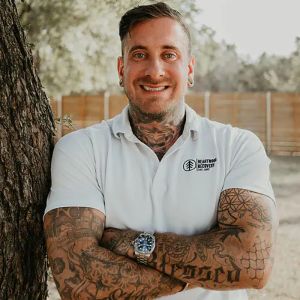
Zane Harvell
Director of Recovery Services
RSPS
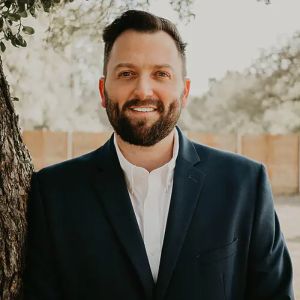
Cori Choate
Primary Clinician
LCDC
Levels of Care


Your Care Options
Specializations
Alcohol
Using alcohol as a coping mechanism, or drinking excessively throughout the week, signals an alcohol use disorder.
Chronic Relapse
Consistent relapse occurs repeatedly, after partial recovery from addiction. This condition requires long-term treatment.
Co-Occurring Disorders
A person with multiple mental health diagnoses, such as addiction and depression, has co-occurring disorders also called dual diagnosis.
Drug Addiction
Drug addiction is the excessive and repetitive use of substances, despite harmful consequences to a person's life, health, and relationships.
Twelve Step
Incorporating spirituality, community, and responsibility, 12-Step philosophies prioritize the guidance of a Higher Power and a continuation of 12-Step practices.
Who We Treat
Approaches
Family Involvement
Providers involve family in the treatment of their loved one through family therapy, visits, or both–because addiction is a family disease.
Gender-Specific
Separate treatment for men or women can create strong peer connections and remove barriers related to trauma, shame, and gender-specific nuances.
Holistic
A non-medicinal, wellness-focused approach that aims to align the mind, body, and spirit for deep and lasting healing.
Twelve Step
Incorporating spirituality, community, and responsibility, 12-Step philosophies prioritize the guidance of a Higher Power and a continuation of 12-Step practices.
Therapies
1-on-1 Counseling
Patient and therapist meet 1-on-1 to work through difficult emotions and behavioral challenges in a personal, private setting.
Acceptance and Commitment Therapy (ACT)
This cognitive behavioral therapy teaches patients to accept challenging feelings and make the appropriate changes to reach personal goals.
Art Therapy
Visual art invites patients to examine the emotions within their work, focusing on the process of creativity and its gentle therapeutic power.
Attachment-Based Family Therapy
ABFT is a trauma-focused therapy that teaches you to form healthy relationships by rebuilding trust and healing attachment issues formed in childhood.
Experiential Therapy
With this approach, patients heal by doing. Therapists help patients process difficult emotions to speak, using guided activities like art or dance.
Expressive Arts
Creative processes like art, writing, or dance use inner creative desires to help boost confidence, emotional growth, and initiate change.
Languages
Substances We Treat
Alcohol
Using alcohol as a coping mechanism, or drinking excessively throughout the week, signals an alcohol use disorder.
Benzodiazepines
Benzodiazepines are prescribed to treat anxiety and sleep issues. They are highly habit forming, and their abuse can cause mood changes and poor judgement.
Chronic Relapse
Consistent relapse occurs repeatedly, after partial recovery from addiction. This condition requires long-term treatment.
Co-Occurring Disorders
A person with multiple mental health diagnoses, such as addiction and depression, has co-occurring disorders also called dual diagnosis.
Cocaine
Cocaine is a stimulant with euphoric effects. Agitation, muscle ticks, psychosis, and heart issues are common symptoms of cocaine abuse.
Drug Addiction
Drug addiction is the excessive and repetitive use of substances, despite harmful consequences to a person's life, health, and relationships.
Ecstasy
Ecstasy is a stimulant that causes intense euphoria and heightened awareness. Abuse of this drug can trigger depression, insomnia, and memory problems.
Heroin
Heroin is a highly addictive and illegal opioid. It can cause insomnia, collapsed veins, heart issues, and additional mental health issues.
Aftercare
Care Designed for Your Needs
Personal Amenities
Amenities
Special Considerations
Gender-specific groups
Patients in gender-specific groups gain the opportunity to discuss challenges unique to their gender in a comfortable, safe setting conducive to healing.
Activities
Yoga
Yoga is both a physical and spiritual practice. It includes a flow of movement, breathing techniques, and meditation.
Off-Site Activities
Off-Site Amenities
What people are saying
Treatment
5.0
Accommodations
5.0
Food & Nutrition
5.0
Value
5.0
Leah
Reviewed 06/07/21
Review from Rehabs.com
AB
Reviewed 08/19/19
Review from Rehabs.com
Jason
Reviewed 08/20/19
Review from Rehabs.com
dad
Reviewed 08/20/19
Review from Rehabs.com
E.D.
Reviewed 07/23/19
Review from Rehabs.com