- Addiction
- Mental Health
- About Us
Find Treatment By
Rehabs by Location


Find Treatment By
Learn
About Us
Recovery.com combines independent research with expert guidance on addiction and mental health treatment. Our mission is to help everyone find the best path to recovery through the most comprehensive, helpful network of treatment providers worldwide.
Advisory Council
Our advisory council brings together leaders in behavioral health, technology, and business. Their diverse expertise ensures our resources and product are innovative, evidence-based, and effective. They guide our mission as accomplished individuals dedicated to improving the landscape of addiction recovery and mental wellness.

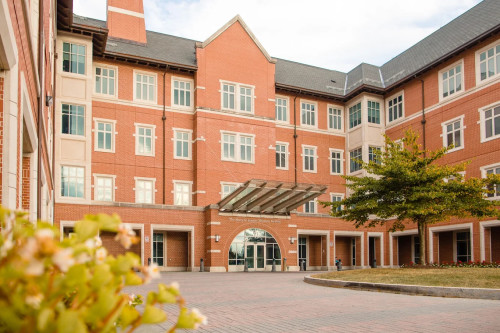

Sheppard Pratt Baltimore - Towson Campus
Treatment Focus
This center treats substance use disorders and mental health conditions. You'll receive individualized care catered to your unique situation and diagnosis, learn practical skills for recovery, and make new connections in a restorative environment.
Primary Level of Care
Provides 24/7 medical supervision and intensive treatment in a clinical setting for individuals in crisis or with acute needs, focusing on stabilization and immediate safety
This provider hasn't verified their profile's information. Are you the owner of this center? Claim your listing to better manage your presence on Recovery.com.
Treatment Focus
This center treats substance use disorders and mental health conditions. You'll receive individualized care catered to your unique situation and diagnosis, learn practical skills for recovery, and make new connections in a restorative environment.
Primary Level of Care
Provides 24/7 medical supervision and intensive treatment in a clinical setting for individuals in crisis or with acute needs, focusing on stabilization and immediate safety
Provider's Policy
Our hospitals participate with Maryland Medicaid and Medicare and many major insurance companies (including CareFirst, CIGNA, Aetna, United Healthcare, and Kaiser). Because of variations between policies, it is best to contact your insurer directly to determine whether we are in their network for your plan.
Sheppard Pratt Baltimore - Towson Campus
Sheppard Pratt Baltimore - Towson Campus
About Sheppard Pratt Baltimore - Towson Campus
Located near the heart of Towson, just minutes from shopping centers, dining spots, and major highways, this campus provides a wide range of mental health services in a quiet, suburban setting. It treats conditions like depression, anxiety, psychosis, eating disorders, ADHD, and more. Adults, teens, and children can access care through inpatient, day hospital, or outpatient options.
Gain Stability and Confidence
Treatment here is grounded in evidence-based methods that support each person’s recovery. Therapies include cognitive behavioral therapy (CBT), dialectical behavior therapy (DBT), medication management, family counseling, and psychoeducation. These therapies help patients build coping skills, manage symptoms, and return to daily life with more confidence and stability.
Access Full-Spectrum Care
As one of several campuses, the Towson location offers some of the most comprehensive care in the region. It includes specialized units for eating disorders, neuropsychiatric needs, and child and adolescent care. With access to diverse therapies and expert-led treatment teams, this campus provides personalized support in a safe, structured setting.

Center Overview
Treatment Focus
This center treats substance use disorders and mental health conditions. You'll receive individualized care catered to your unique situation and diagnosis, learn practical skills for recovery, and make new connections in a restorative environment.

Insurance Accepted






Pricing and Program Length
Estimated Center Costs
Center pricing can vary based on program and length of stay. Contact the center for more information. Recovery.com strives for price transparency so you can make an informed decision.
Meet Your Care Team

Scott Aaronson
MD Chief Science Officer, Institute for Advanced Diagnostics and Therapeutics; Psychiatrist, The Retreat at Sheppard Pratt

Tammy Acker
PMH-NP Psychiatric Nurse Practitioner, Community Services
Jason Addison
MD Service Chief, Adult Crisis Stabilization Unit

Adefolake Akinsanya
MD Service Chief, Adolescent Female Unit
Levels of Care


Your Care Options
Specializations
Transcranial Magnetic Stimulation
Localized magnetic pulses stimulate areas of the brain to increase brain activity and reduce abnormal functions.
ADHD, ADD
ADHD is a common mental health condition caused by dopamine imbalance. Common symptoms include inattention, hyperactivitiy, and impulsivity.
Anxiety
Anxiety is a common mental health condition that can include excessive worry, panic attacks, physical tension, and increased blood pressure.
Obsessive Compulsive Disorder (OCD)
OCD is characterized by intrusive and distressing thoughts that drive repetitive behaviors. This pattern disrupts daily life and relationships.
Who We Treat
Older Adults
Addiction and mental health treatment caters to adults 55+ and the age-specific challenges that can come with recovery, wellness, and overall happiness.
Adolescents
Teens receive the treatment they need for mental health disorders and addiction, with the added support of educational and vocational services.
Children
Treatment for children incorporates the psychiatric care they need and education, often led by on-site teachers to keep children on track with school.
Young Adults
Emerging adults ages 18-25 receive treatment catered to the unique challenges of early adulthood, like college, risky behaviors, and vocational struggles.
Men and Women
Men and women attend treatment for addiction in a co-ed setting, going to therapy groups together to share experiences, struggles, and successes.
Veterans
Patients who completed active military duty receive specialized treatment focused on trauma, grief, loss, and finding a new work-life balance.
Approaches
Evidence-Based
A combination of scientifically rooted therapies and treatments make up evidence-based care, defined by their measured and proven results.
Individual Treatment
Individual care meets the needs of each patient, using personalized treatment to provide them the most relevant care and greatest chance of success.
Personalized Treatment
The specific needs, histories, and conditions of individual patients receive personalized, highly relevant care throughout their recovery journey.
Therapies
1-on-1 Counseling
Patient and therapist meet 1-on-1 to work through difficult emotions and behavioral challenges in a personal, private setting.
Family Therapy
Family therapy addresses group dynamics within a family system, with a focus on improving communication and interrupting unhealthy relationship patterns.
Life Skills
Teaching life skills like cooking, cleaning, clear communication, and even basic math provides a strong foundation for continued recovery.
Nutrition Counseling
Nutritious food helps patients heal from within, setting them up for mental and bodily wellness as they learn about healthy eating.
Psychoeducation
This method combines treatment with education, teaching patients about different paths toward recovery. This empowers them to make more effective decisions.
Transcranial Magnetic Stimulation
Localized magnetic pulses stimulate areas of the brain to increase brain activity and reduce abnormal functions.
Languages
Conditions We Treat
ADHD, ADD
ADHD is a common mental health condition caused by dopamine imbalance. Common symptoms include inattention, hyperactivitiy, and impulsivity.
Anxiety
Anxiety is a common mental health condition that can include excessive worry, panic attacks, physical tension, and increased blood pressure.
Bipolar
This mental health condition is characterized by extreme mood swings between depression, mania, and remission.
Depression
Symptoms of depression may include fatigue, a sense of numbness, and loss of interest in activities. This condition can range from mild to severe.
Eating Disorders
An eating disorder is a long-term pattern of unhealthy behavior relating to food. Most people with eating disorders have a distorted self-image.
Obsessive Compulsive Disorder (OCD)
OCD is characterized by intrusive and distressing thoughts that drive repetitive behaviors. This pattern disrupts daily life and relationships.
Personality Disorders
Personality disorders destabilize the way a person thinks, feels, and behaves. If untreated, they can undermine relationships and lead to severe distress.
Post Traumatic Stress Disorder
PTSD is a long-term mental health issue caused by a disturbing event or events. Symptoms include anxiety, dissociation, flashbacks, and intrusive thoughts.
Substances We Treat
Alcohol
Using alcohol as a coping mechanism, or drinking excessively throughout the week, signals an alcohol use disorder.
Co-Occurring Disorders
A person with multiple mental health diagnoses, such as addiction and depression, has co-occurring disorders also called dual diagnosis.
Drug Addiction
Drug addiction is the excessive and repetitive use of substances, despite harmful consequences to a person's life, health, and relationships.
Smoking Cessation
Quitting smoking—i.e., ceasing to smoke—means giving up smoking nicotine and tobacco products. This process has very important health benefits.
Aftercare
Care Designed for Your Needs
Personal Amenities
Special Considerations
LGBTQ group
Group therapy unites LGBTQ+ patients in a safe and culturally competent setting, encouraging peer support under the expert leadership of a therapist.