- Addiction
- Mental Health
- About Us
Find Treatment By
Rehabs by Location


Find Treatment By
Learn
About Us
Recovery.com combines independent research with expert guidance on addiction and mental health treatment. Our mission is to help everyone find the best path to recovery through the most comprehensive, helpful network of treatment providers worldwide.
Advisory Council
Our advisory council brings together leaders in behavioral health, technology, and business. Their diverse expertise ensures our resources and product are innovative, evidence-based, and effective. They guide our mission as accomplished individuals dedicated to improving the landscape of addiction recovery and mental wellness.
Hustle Recovery
Treatment Focus
This center primarily treats substance use disorders, helping you stabilize, create relapse-prevention plans, and connect to compassionate support.
Primary Level of Care
Offering intensive care with 24/7 monitoring, residential treatment is typically 30 days and can cover multiple levels of care. Length can range from 14 to 90 days typically.
Claimed
Recovery.com has connected directly with this treatment provider to validate the information in their profile.
Treatment Focus
This center primarily treats substance use disorders, helping you stabilize, create relapse-prevention plans, and connect to compassionate support.
Primary Level of Care
Offering intensive care with 24/7 monitoring, residential treatment is typically 30 days and can cover multiple levels of care. Length can range from 14 to 90 days typically.
Insurance Accepted
This center accepts insurance, exact cost can vary depending on your plan and deductible.
Hustle Recovery
Hustle Recovery
About Hustle Recovery
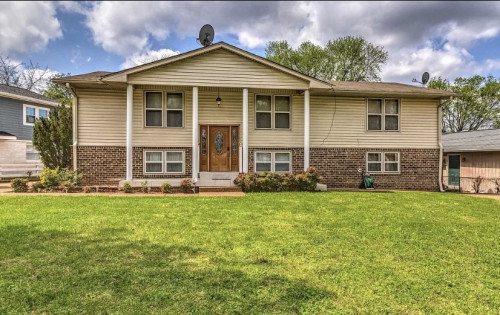
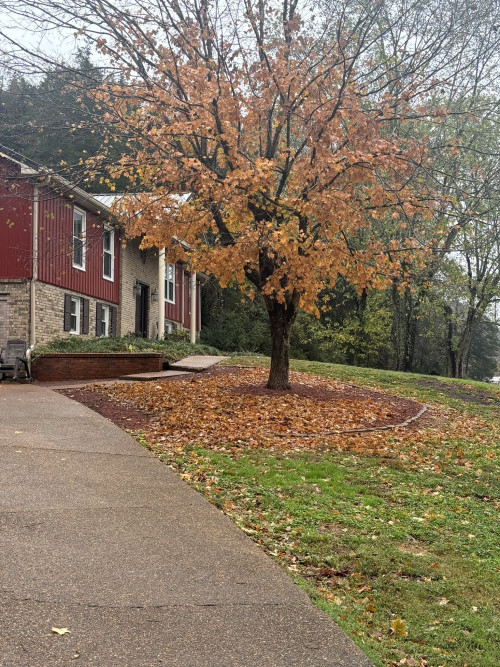
Hustle Recovery, located in the peaceful hills of Cheatham County, Tennessee, offers a supportive space for people ready to break free from substance use. The setting is designed to support healing, combining professional care with a peaceful, natural environment. The programs aim to help individuals work toward recovery by addressing mental, physical, and emotional well-being, while encouraging progress toward a more stable and meaningful life.
Healing Outdoor Therapies
Hustle's live-in partial hospitalization program (PHP) uses the Florida model of treatment, where clients live on-site while doing day treatment. It includes daily therapy sessions and holistic activities like gardening, fishing, kayaking, and hiking paired with comfortable housing. Clients get structure, care, and time to connect with others in recovery. In the evenings, they can relax around a campfire and reflect on their progress. This program lasts 4 to 5 weeks.
Flexible Treatment Options
For those who need a more flexible option, Hustle’s 4-to-5-week intensive outpatient program (IOP) offers therapy that fits into busy lives. People can continue working, going to school, or taking care of family while still getting the tools and support they need to stay sober and reach their goals.
For Those Needing Immediate Help
To support those seeking immediate help, Hustle offers Respite Housing, low-barrier shelter available within hours for individuals who cannot access same-day treatment. This quick response helps reduce the risk of overdose and provides critical support during that first step toward recovery.
Offering Gender-Specific Sober Living
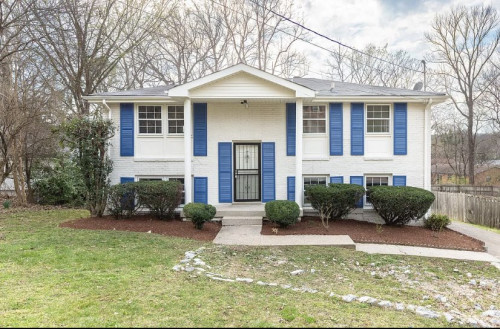
Hustle also offers sober living through gender-specific recovery homes like “The Castle” in Ashland City and “Moe’s Place” in Antioch. These safe, structured environments support the transition from treatment to independent living. Additionally, Hustle partners with over 100 sober living programs across Tennessee to match clients with housing that fits their needs. Clients can stay at these residences for up to 2 years.
Center Overview
Treatment Focus
This center primarily treats substance use disorders, helping you stabilize, create relapse-prevention plans, and connect to compassionate support.

Insurance Accepted




Cash Pay Rates
Estimated Cash Pay Rate
Center pricing can vary based on program and length of stay. Contact the center for more information. Recovery.com strives for price transparency so you can make an informed decision.
Levels of Care


Your Care Options
Specializations
Adventure Therapy
This experiential approach uses the physical and emotional challenges of outdoor activities as tools for personal growth.
Alcohol
Using alcohol as a coping mechanism, or drinking excessively throughout the week, signals an alcohol use disorder.
Drug Addiction
Drug addiction is the excessive and repetitive use of substances, despite harmful consequences to a person's life, health, and relationships.
Who We Treat
Men and Women
Men and women attend treatment for addiction in a co-ed setting, going to therapy groups together to share experiences, struggles, and successes.
Approaches
Holistic
A non-medicinal, wellness-focused approach that aims to align the mind, body, and spirit for deep and lasting healing.
Individual Treatment
Individual care meets the needs of each patient, using personalized treatment to provide them the most relevant care and greatest chance of success.
Twelve Step
Incorporating spirituality, community, and responsibility, 12-Step philosophies prioritize the guidance of a Higher Power and a continuation of 12-Step practices.
Therapies
1-on-1 Counseling
Patient and therapist meet 1-on-1 to work through difficult emotions and behavioral challenges in a personal, private setting.
Equine Therapy
Guided interactions with trained horses, their handler, and a therapist can help patients improve their self-esteem, trust, empathy, and social skills.
Experiential Therapy
With this approach, patients heal by doing. Therapists help patients process difficult emotions to speak, using guided activities like art or dance.
Life Skills
Teaching life skills like cooking, cleaning, clear communication, and even basic math provides a strong foundation for continued recovery.
Recreation Therapy
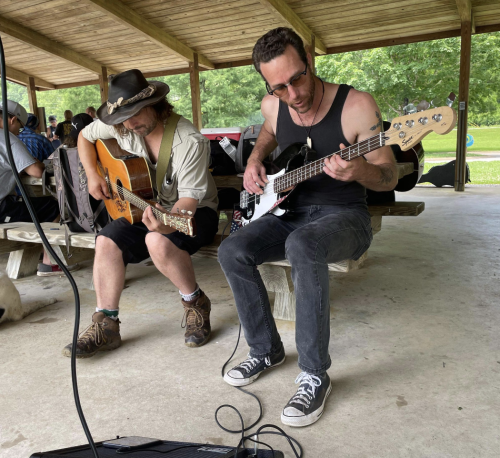
In recreation therapy, recovery can be joyful. Patients practice social skills and work through emotional triggers by engaging in fun activities.
Twelve Step Facilitation
12-Step groups offer a framework for addiction recovery. Members commit to a higher power, recognize their issues, and support each other in the healing process.
Languages
Substances We Treat
Alcohol
Using alcohol as a coping mechanism, or drinking excessively throughout the week, signals an alcohol use disorder.
Drug Addiction
Drug addiction is the excessive and repetitive use of substances, despite harmful consequences to a person's life, health, and relationships.
Heroin
Heroin is a highly addictive and illegal opioid. It can cause insomnia, collapsed veins, heart issues, and additional mental health issues.
Opioids
Opioids produce pain-relief and euphoria, which can lead to addiction. This class of drugs includes prescribed medication and the illegal drug heroin.
Prescription Drugs
It's possible to abuse any drug, even prescribed ones. If you crave a medication, or regularly take it more than directed, you may have an addiction.