- Addiction
- Mental Health
- About Us
Find Treatment By
Rehabs by Location


Find Treatment By
Learn
About Us
Recovery.com combines independent research with expert guidance on addiction and mental health treatment. Our mission is to help everyone find the best path to recovery through the most comprehensive, helpful network of treatment providers worldwide.
Advisory Council
Our advisory council brings together leaders in behavioral health, technology, and business. Their diverse expertise ensures our resources and product are innovative, evidence-based, and effective. They guide our mission as accomplished individuals dedicated to improving the landscape of addiction recovery and mental wellness.

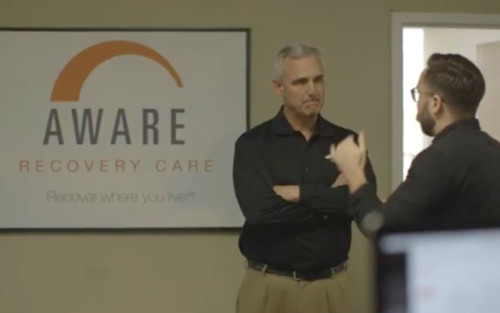


Aware Recovery Care Maine
Verified Center
This provider's information has been quality-checked by Recovery.com's Research Team for accuracy and completeness, including center verification through appropriate third-party organizations.
Treatment Focus
This center primarily treats substance use disorders, helping you stabilize, create relapse-prevention plans, and connect to compassionate support.
Primary Level of Care
In-home care delivers personalized treatment and support in a familiar setting, offering therapy, monitoring, and daily assistance—ideal for individuals needing intensive help without leaving their home
Treatment Focus
This center primarily treats substance use disorders, helping you stabilize, create relapse-prevention plans, and connect to compassionate support.
Primary Level of Care
In-home care delivers personalized treatment and support in a familiar setting, offering therapy, monitoring, and daily assistance—ideal for individuals needing intensive help without leaving their home
Provider's Policy
To see if your insurance plan covers our program, please start by clicking the Verify Insurance button to complete a form and a member of our team will contact you as soon as possible. Aware is an in-network provider with a number of health insurance companies. If you choose to fill out the form, we will discuss your coverage in our follow up call. Aware Recovery Care does not accept Medicaid or Medicare.
Aware Recovery Care Maine
Aware Recovery Care Maine
About Aware Recovery Care Maine
Aware Recovery Care Maine offers a unique “Recover Where You Live” approach to addiction treatment for adults 18+. Their in-home addiction treatment (IHAT) program provides a hybrid combination of at-home and virtual care with concierge services to meet individual needs. Aware Recovery Care addresses addiction with a biopsychosocial curriculum containing evidence-based therapies, medication-assisted treatment (MAT), individual therapy, family therapy, and coordinated care from external providers.
Aware Recovery Care's treatment philosophy is grounded in compassion, understanding, and the belief that every individual deserves the opportunity to achieve lasting recovery. By addressing the unique needs of each person and providing continuous support in the home, they strive to guide individuals toward a healthier, fulfilling, and addiction-free life.
A Collaborative, Attentive Care Team
Aware Recovery Care provides each client a care coordinator (nurse or social worker) and 2 client recovery advisors (CRAs) who act as peer support and coordinators throughout treatment. They identify what outside care is needed and arrange appointments with a primary care provider (PCP), individual therapist, medical specialists, and a family education facilitator. If clients already have these professionals, Aware Recovery Care’s medical director coordinates care with them. A family education facilitator supports loved ones and educates them on addiction, recovery, and how to heal as a unit.
Comprehensive Recovery Services Delivered at Home
Aware Recovery Care program extends on a monthly basis, with treatment times ranging from one month to a year. Their in-home and virtual program includes up to 20 virtual 1:1 therapy sessions with an Internal Psychotherapist. In these meetings, clients learn how to manage stress and improve their self-esteem, self-compassion, and communication skills. Clients will also address and change negative thought patterns.
Daily Guidance and a Thriving Alumni Community
A typical day with Aware Recovery Care includes an hour-long visit with a member of their care team and, depending on the day, an in-person visit from one of 2 CRAs or a video call with their 1:1 therapist. Clients meet monthly with their Care Coordinator. Their care team collaborates frequently to keep treatment aligned with clients’ needs and treatment goals.
Clients at Aware Recovery Care undergo a personalized discharge process tailored to their unique treatment plan and home environment. They discuss their comprehensive discharge plan with their clinical coordinator, covering ongoing engagement with social networks, established goals, and aftercare appointments scheduled with licensed providers from their treatment journey.
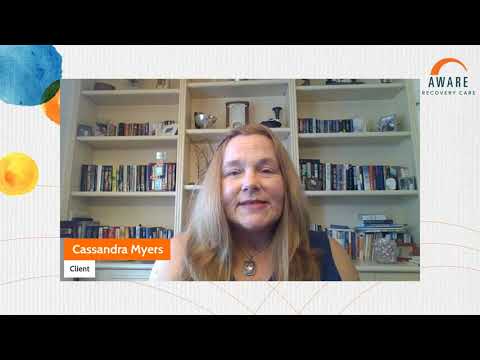
Center Overview
Treatment Focus
This center primarily treats substance use disorders, helping you stabilize, create relapse-prevention plans, and connect to compassionate support.
Joint Commission Accredited
The Joint Commission accreditation is a voluntary, objective process that evaluates and accredits healthcare organizations (like treatment centers) based on performance standards designed to improve quality and safety for patients. To be accredited means the treatment center has been found to meet the Commission's standards for quality and safety in patient care.
Insurance Accepted




Cash Pay Rates
Estimated Cash Pay Rate
Center pricing can vary based on program and length of stay. Contact the center for more information. Recovery.com strives for price transparency so you can make an informed decision.


Levels of Care


Your Care Options
Specializations
Alcohol
Using alcohol as a coping mechanism, or drinking excessively throughout the week, signals an alcohol use disorder.
Cocaine
Cocaine is a stimulant with euphoric effects. Agitation, muscle ticks, psychosis, and heart issues are common symptoms of cocaine abuse.
Drug Addiction
Drug addiction is the excessive and repetitive use of substances, despite harmful consequences to a person's life, health, and relationships.
Opioids
Opioids produce pain-relief and euphoria, which can lead to addiction. This class of drugs includes prescribed medication and the illegal drug heroin.
Prescription Drugs
It's possible to abuse any drug, even prescribed ones. If you crave a medication, or regularly take it more than directed, you may have an addiction.
Who We Treat
Older Adults
Addiction and mental health treatment caters to adults 55+ and the age-specific challenges that can come with recovery, wellness, and overall happiness.
Executives
Executive treatment programs typically directly support the needs of people who manage businesses and may provide flexible schedules and office space to allow work during treatment.
Young Adults
Emerging adults ages 18-25 receive treatment catered to the unique challenges of early adulthood, like college, risky behaviors, and vocational struggles.
LGBTQ+
Addiction and mental illnesses in the LGBTQ+ community must be treated with an affirming, safe, and relevant approach, which many centers provide.
Midlife Adults
For adults ages 40+, treatment shifts to focus on the unique challenges, blocks, and risk factors of their age group, and unites peers in a similar community.
Mild Disabilities
Adults with mild physical or intellectual disabilities receive treatment catered to their specific needs in a safe and clinically supportive environment.
Approaches
Evidence-Based
A combination of scientifically rooted therapies and treatments make up evidence-based care, defined by their measured and proven results.
Family Involvement
Providers involve family in the treatment of their loved one through family therapy, visits, or both–because addiction is a family disease.
Holistic
A non-medicinal, wellness-focused approach that aims to align the mind, body, and spirit for deep and lasting healing.
One-to-One
Patients work with their treatment team members on a 1-on-1 basis, keeping their journey and treatment fully private and personalized.
Personalized Treatment
The specific needs, histories, and conditions of individual patients receive personalized, highly relevant care throughout their recovery journey.
Therapies
1-on-1 Counseling
Patient and therapist meet 1-on-1 to work through difficult emotions and behavioral challenges in a personal, private setting.
Family Therapy
Family therapy addresses group dynamics within a family system, with a focus on improving communication and interrupting unhealthy relationship patterns.
Interpersonal Therapy
This brief and structured therapy addresses present relationships and improves overall communication at work, home, and other social settings.
Medication-Assisted Treatment
Combined with behavioral therapy, prescribed medications can enhance treatment by relieving withdrawal symptoms and focus patients on their recovery.
Online Therapy
Patients can connect with a therapist via videochat, messaging, email, or phone. Remote therapy makes treatment more accessible.
Relapse Prevention Counseling
Relapse prevention counselors teach patients to recognize the signs of relapse and reduce their risk.
Solution Focused, Goal-Oriented Therapy
A quick goal-oriented therapy that helps patients identify their current and future goals, find out how to achieve them, and empower future problem-solving.
Languages
Substances We Treat
Alcohol
Using alcohol as a coping mechanism, or drinking excessively throughout the week, signals an alcohol use disorder.
Benzodiazepines
Benzodiazepines are prescribed to treat anxiety and sleep issues. They are highly habit forming, and their abuse can cause mood changes and poor judgement.
Chronic Relapse
Consistent relapse occurs repeatedly, after partial recovery from addiction. This condition requires long-term treatment.
Cocaine
Cocaine is a stimulant with euphoric effects. Agitation, muscle ticks, psychosis, and heart issues are common symptoms of cocaine abuse.
Drug Addiction
Drug addiction is the excessive and repetitive use of substances, despite harmful consequences to a person's life, health, and relationships.
Ecstasy
Ecstasy is a stimulant that causes intense euphoria and heightened awareness. Abuse of this drug can trigger depression, insomnia, and memory problems.
Heroin
Heroin is a highly addictive and illegal opioid. It can cause insomnia, collapsed veins, heart issues, and additional mental health issues.
Methamphetamine
Methamphetamine, or meth, increases energy, agitation, and paranoia. Long-term use can result in severe physical and mental health issues.
Aftercare
Care Designed for Your Needs
Personal Amenities
Special Considerations
Pet Friendly
For greater comfort and healing, pet-friendly treatment centers welcome dogs and animal companions to stay with their owners while they attend treatment.
Flexible technology policies
Centers with flexible technology policies allow professionals to stay in touch with work and give patients a greater sense of connection and normalcy.