- Addiction
- Mental Health
- About Us
Find Treatment By
Rehabs by Location


Find Treatment By
Learn
About Us
Recovery.com combines independent research with expert guidance on addiction and mental health treatment. Our mission is to help everyone find the best path to recovery through the most comprehensive, helpful network of treatment providers worldwide.
Advisory Council
Our advisory council brings together leaders in behavioral health, technology, and business. Their diverse expertise ensures our resources and product are innovative, evidence-based, and effective. They guide our mission as accomplished individuals dedicated to improving the landscape of addiction recovery and mental wellness.


Jaywalker
Verified Center
This provider's information has been quality-checked by Recovery.com's Research Team for accuracy and completeness, including center verification through appropriate third-party organizations.
Treatment Focus
This center treats substance use disorders and co-occurring mental health conditions. Your treatment plan addresses each condition at once with personalized, compassionate care for comprehensive healing.
Primary Level of Care
Offering intensive care with 24/7 monitoring, residential treatment is typically 30 days and can cover multiple levels of care. Length can range from 14 to 90 days typically.
Treatment Focus
This center treats substance use disorders and co-occurring mental health conditions. Your treatment plan addresses each condition at once with personalized, compassionate care for comprehensive healing.
Primary Level of Care
Offering intensive care with 24/7 monitoring, residential treatment is typically 30 days and can cover multiple levels of care. Length can range from 14 to 90 days typically.
Provider's Policy
Jaywalker Lodge accepts out of network health insurance and would be happy to better understand your needs.
Jaywalker
Jaywalker
About Jaywalker
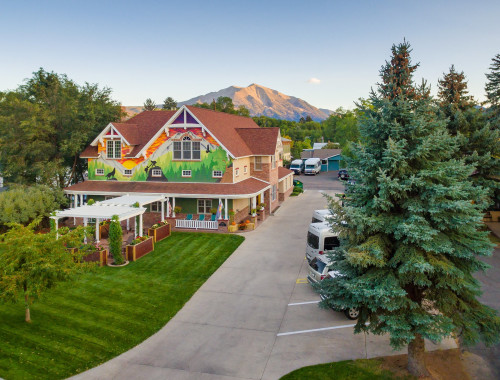
Jaywalker is designed specifically for men with substance use and co-occurring mental health disorders. Their 90-day inpatient program provides the time and structure needed to create meaningful change—something shorter programs rarely allow. Their full continuum of care carries clients seamlessly from residential treatment into outpatient programs to aftercare and long-term accountability. Jaywalkers are an active group, using the Roaring Fork Valley to extend their therapeutic experience beyond the confines of clinical settings.
Build a Foundation for Lasting Recovery
Specializing in chronic relapse, Jaywalker empowers men to build lasting change by deepening their personal connection to Step One of the 12 Steps. Clients examine the impact of drugs and alcohol in all aspects of their lives, revealing the underlying truth about their struggles with recovery. They combine evidence-based methods like cognitive behavioral therapy (CBT), dialectical behavior therapy (DBT), and eye movement desensitization and reprocessing (EMDR) with holistic methods, wilderness expeditions, and service opportunities.
Enjoy Comfortable Lodging & Outdoor Adventure
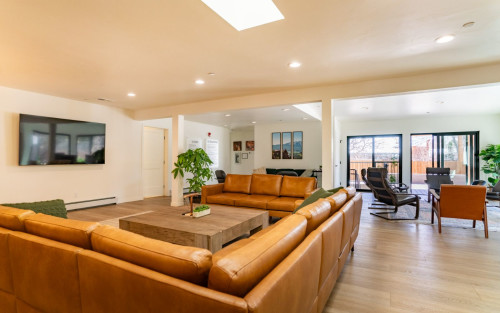
Inpatient clients stay in an upscale lodge with comfortable, modern interiors and shared rooms. Nightly family-style dinners, prepared by a talented chef, are a beloved tradition. Clients can communicate with family and friends who are supportive of the recovery process through the provided phones and computer. Clients spend as much time outside Jaywalker’s walls as inside, engaging in “meditation in motion” through activities including fishing, golfing, hiking, skiing, and more.
Access Support for Every Stage of Recovery
Jaywalker’s transitional living program bridges the gap between intensive treatment and independent living. Their offerings include 90-day intensive outpatient and outpatient programs, a sober living home with 24/7 staff support, and independent living residences across the street from their primary care facility. Jaywalker also has a strong alumni community that offers numerous ways to stay involved, including networking opportunities, three weekly meetings, events, expeditions, and volunteer opportunities.
Highlights from the Center
Highlights
These highlights are provided by and paid for by the center.
Nature Lovers
Trauma-Informed Care
Master's and Doctoral Level Therapists
Men Only
Center Overview
Treatment Focus
This center treats substance use disorders and co-occurring mental health conditions. Your treatment plan addresses each condition at once with personalized, compassionate care for comprehensive healing.
Joint Commission Accredited
The Joint Commission accreditation is a voluntary, objective process that evaluates and accredits healthcare organizations (like treatment centers) based on performance standards designed to improve quality and safety for patients. To be accredited means the treatment center has been found to meet the Commission's standards for quality and safety in patient care.

Insurance Accepted






Cash Pay Rates
Estimated Cash Pay Rate
Center pricing can vary based on program and length of stay. Contact the center for more information. Recovery.com strives for price transparency so you can make an informed decision.
Meet Your Care Team

Dr. Craig Bushong
Medical Doctor
MD

Gail Mathieson
Licensed Nurse Practioner
MS, PMHNP

Marny Nedlin
Psychotherapist
PhD

Natalie Bassett
Aftercare Program Supervisor
MA, LPC, LAC
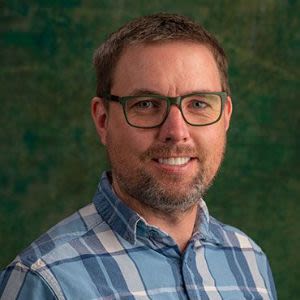
Patrick Young
Outpatient Program Supervisor
MA, LAC
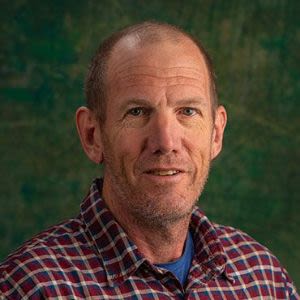
Chris Craig
Senior Primary Counselor
MA, LPC, SEP

Alex Gutterman
Primary Counselor
MA, LPCC
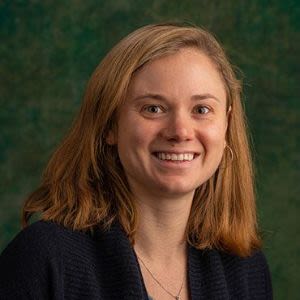
Alice Johnson
Primary Counselor
MA, LCSW
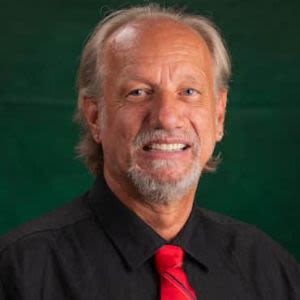
Rodney Leaf
Aftercare Counselor
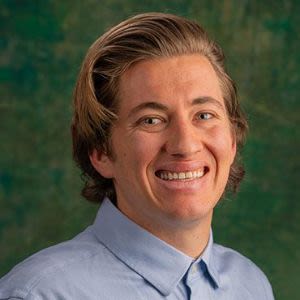
Trevor Allen
Aftercare Counselor
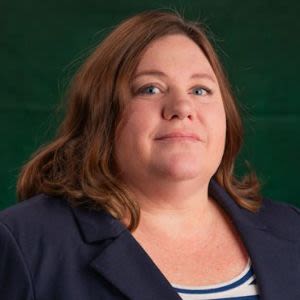
Melanie Goodwin
Primary Case Manager

Leonard Beaulieu
Family Service Counselor
MED, CACIII
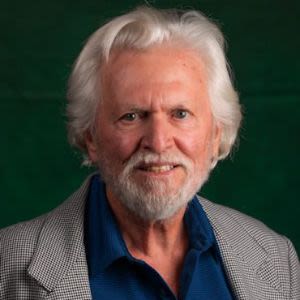
Kim Nuzzo
CSAT
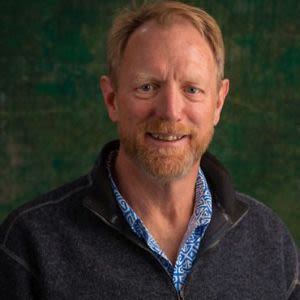
Aaron Garland
Executive Functioning Coach
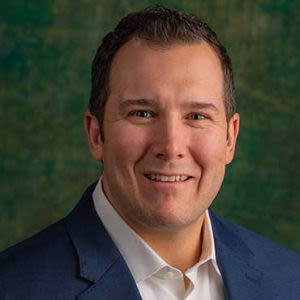
Stefan Bate
Chief Clinical Officer


Levels of Care


Your Care Options
Specializations
Adventure Therapy
This experiential approach uses the physical and emotional challenges of outdoor activities as tools for personal growth.
Alcohol
Using alcohol as a coping mechanism, or drinking excessively throughout the week, signals an alcohol use disorder.
Chronic Relapse
Consistent relapse occurs repeatedly, after partial recovery from addiction. This condition requires long-term treatment.
Co-Occurring Disorders
A person with multiple mental health diagnoses, such as addiction and depression, has co-occurring disorders also called dual diagnosis.
Drug Addiction
Drug addiction is the excessive and repetitive use of substances, despite harmful consequences to a person's life, health, and relationships.
Who We Treat
Approaches
Experiential
Expressive tools and therapies help patients process past situations, learn more about themselves, and find healing through action.
Gender-Specific
Separate treatment for men or women can create strong peer connections and remove barriers related to trauma, shame, and gender-specific nuances.
Holistic
A non-medicinal, wellness-focused approach that aims to align the mind, body, and spirit for deep and lasting healing.
Personalized Treatment
The specific needs, histories, and conditions of individual patients receive personalized, highly relevant care throughout their recovery journey.
Spiritual Emphasis
Spirituality connects patients to a higher power and helps strengthen their recovery, hope, and compliance with other treatment modalities.
Twelve Step
Incorporating spirituality, community, and responsibility, 12-Step philosophies prioritize the guidance of a Higher Power and a continuation of 12-Step practices.
Therapies
1-on-1 Counseling
Patient and therapist meet 1-on-1 to work through difficult emotions and behavioral challenges in a personal, private setting.
Adventure Therapy
This experiential approach uses the physical and emotional challenges of outdoor activities as tools for personal growth.
Art Therapy
Visual art invites patients to examine the emotions within their work, focusing on the process of creativity and its gentle therapeutic power.
Attachment-Based Family Therapy
ABFT is a trauma-focused therapy that teaches you to form healthy relationships by rebuilding trust and healing attachment issues formed in childhood.
Body Image Therapy
Therapists use cognitive behavior techniques to challenge how patients perceive their body and their worth, rewriting negative thoughts and attitudes.
Experiential Therapy
With this approach, patients heal by doing. Therapists help patients process difficult emotions to speak, using guided activities like art or dance.
Languages
Conditions We Treat
ADHD, ADD
ADHD is a common mental health condition caused by dopamine imbalance. Common symptoms include inattention, hyperactivitiy, and impulsivity.
Anger
Although anger itself isn't a disorder, it can get out of hand. If this feeling interferes with your relationships and daily functioning, treatment can help.
Anxiety
Anxiety is a common mental health condition that can include excessive worry, panic attacks, physical tension, and increased blood pressure.
Bipolar
This mental health condition is characterized by extreme mood swings between depression, mania, and remission.
Codependency
Codependency is a pattern of emotional dependence and controlling behavior. It's most common among people with addicted loved ones.
Depression
Symptoms of depression may include fatigue, a sense of numbness, and loss of interest in activities. This condition can range from mild to severe.
Gaming
Compulsive gaming is most often a problem for children and teens. The disorder can affect physical health, sleep, and the ability to focus at school.
Grief and Loss
Grief is a natural reaction to loss, but severe grief can interfere with your ability to function. You can get treatment for this condition.
Personality Disorders
Personality disorders destabilize the way a person thinks, feels, and behaves. If untreated, they can undermine relationships and lead to severe distress.
Substances We Treat
Alcohol
Using alcohol as a coping mechanism, or drinking excessively throughout the week, signals an alcohol use disorder.
Benzodiazepines
Benzodiazepines are prescribed to treat anxiety and sleep issues. They are highly habit forming, and their abuse can cause mood changes and poor judgement.
Chronic Relapse
Consistent relapse occurs repeatedly, after partial recovery from addiction. This condition requires long-term treatment.
Co-Occurring Disorders
A person with multiple mental health diagnoses, such as addiction and depression, has co-occurring disorders also called dual diagnosis.
Cocaine
Cocaine is a stimulant with euphoric effects. Agitation, muscle ticks, psychosis, and heart issues are common symptoms of cocaine abuse.
Drug Addiction
Drug addiction is the excessive and repetitive use of substances, despite harmful consequences to a person's life, health, and relationships.
Ecstasy
Ecstasy is a stimulant that causes intense euphoria and heightened awareness. Abuse of this drug can trigger depression, insomnia, and memory problems.
Heroin
Heroin is a highly addictive and illegal opioid. It can cause insomnia, collapsed veins, heart issues, and additional mental health issues.
Aftercare
Care Designed for Your Needs
Personal Amenities
Amenities
Special Considerations
Young Adults Program
Programs for young adults bring teens 18+ together to discuss age-specific challenges, vocational and educational progress, and successes in treatment.
Gender-specific groups
Patients in gender-specific groups gain the opportunity to discuss challenges unique to their gender in a comfortable, safe setting conducive to healing.
Activities
Off-Site Activities
What people are saying
Treatment
4.2
Accommodations
4.5
Food & Nutrition
4.7
Value
4.4
Stephen
Reviewed 05/18/24
Review from Rehabs.com
Jon
Reviewed 09/29/25
Review from Rehabs.com
Anonymous
Reviewed 09/21/25
Referring Professional
Anonymous
Reviewed 09/21/25
Referring Professional
Steve W
Reviewed 06/16/14
Review from Rehabs.com