- Addiction
- Mental Health
- About Us
Find Treatment By
Rehabs by Location


Find Treatment By
Learn
About Us
Recovery.com combines independent research with expert guidance on addiction and mental health treatment. Our mission is to help everyone find the best path to recovery through the most comprehensive, helpful network of treatment providers worldwide.
Advisory Council
Our advisory council brings together leaders in behavioral health, technology, and business. Their diverse expertise ensures our resources and product are innovative, evidence-based, and effective. They guide our mission as accomplished individuals dedicated to improving the landscape of addiction recovery and mental wellness.
Keystone Treatment Center
Verified Center
This provider's information has been quality-checked by Recovery.com's Research Team for accuracy and completeness, including center verification through appropriate third-party organizations.
Treatment Focus
This center treats substance use disorders and co-occurring mental health conditions. Your treatment plan addresses each condition at once with personalized, compassionate care for comprehensive healing.
Primary Level of Care
Offering intensive care with 24/7 monitoring, residential treatment is typically 30 days and can cover multiple levels of care. Length can range from 14 to 90 days typically.
Treatment Focus
This center treats substance use disorders and co-occurring mental health conditions. Your treatment plan addresses each condition at once with personalized, compassionate care for comprehensive healing.
Primary Level of Care
Offering intensive care with 24/7 monitoring, residential treatment is typically 30 days and can cover multiple levels of care. Length can range from 14 to 90 days typically.
Provider's Policy
Please call our admissions team for more information on insurance coverage. A knowledgeable member of our team can answer any financial questions you might have, and they can also reach out directly to your insurance carrier to verify and maximize your benefits. This service is free and puts you under no obligation to choose our programming.
Keystone Treatment Center
Keystone Treatment Center
About Keystone Treatment Center
Keystone Treatment Center has been helping clients with addiction and co-occurring mental health disorders find recovery for over 40 years. They offer multiple levels of care, including detox, residential care, day treatment (partial hospitalization), and intensive outpatient (IOP). Keystone Treatment Center personalizes treatment by offering multiple specialty tracks, including first responder, military, young adult, and Native American programs. Clinical staff can address underlying co-occurring disorders such as anxiety, bipolar disorder, depression, and schizoaffective disorder.
Comprehensive Care
Keystone Treatment Center’s team of psychiatrists, psychologists, and social workers strive to ensure each client receives unique treatment that fits their needs. Clients may begin with a 3-7 day medically monitored detox and medication-assisted treatment, as needed. They provide individual therapy, group therapy, and family therapy. Keystone Treatment Center’s program follows the 12 Steps and provides gender-specific groups. They offer evidence-based therapies such as cognitive behavioral therapy (CBT) and dialectical behavioral therapy (DBT). Keystone Treatment Center offers holistic healing with artistic and creative expression, journal work, and daily experiential therapies.
Personalized Recovery Tracks
To promote individualized recovery, Keystone Treatment Center offers multiple specialized tracks. Their young adult program for ages 18-26 has gender-specific groups and explores topics such as transitioning out of the family home, dating, and peer pressure. Keystone Treatment Center’s Native American track gives culturally sensitive care with Native American cultural and spiritual advisors. Keystone Treatment Center’s military program helps veterans struggling with post-traumatic stress disorder (PTSD) and other mental health issues that co-occur with substance use. They also offer specialty programs for chronic pain management, first responders, meth and opioid dependence, gambling, and a Christian program that incorporates faith-based principles.
Levels of Care That Facilitate Healing
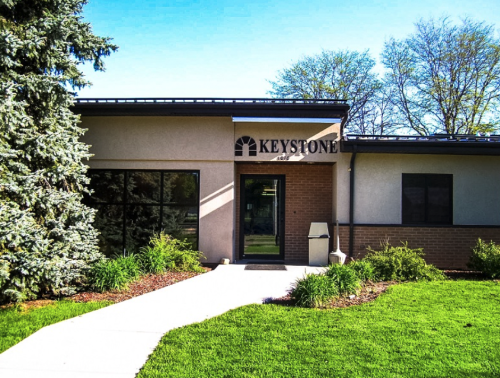
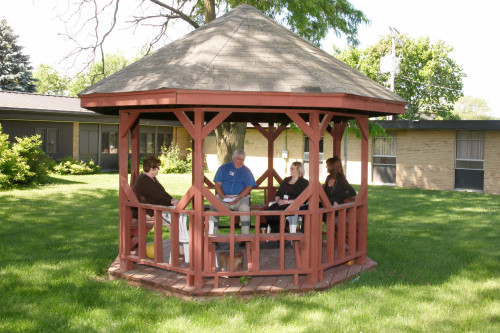
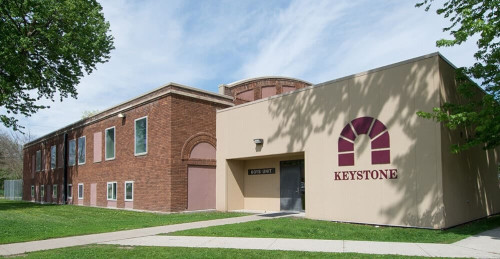
Keystone Treatment Center is situated on 13 acres of land with beautiful views of the South Dakota plains. Their residential location provides gender-specific groups and chapel rooms. Bedrooms can be shared or private. Clients can participate in outdoor activities and a purification ceremony, or “inipi,” a Native American sweat lodge, where they sing songs, pray, and connect spiritually. After residential treatment, clients can step down to their day treatment or intensive outpatient program, which offers day or night programs. Keystone Treatment Center’s outpatient location in Sioux Falls provides easy access to treatment while living at home.

Highlights from the Center
Highlights
These highlights are provided by and paid for by the center.
Therapeutic Location
On-site Medical Detox
12-Step Approach
Center Overview
Treatment Focus
This center treats substance use disorders and co-occurring mental health conditions. Your treatment plan addresses each condition at once with personalized, compassionate care for comprehensive healing.
CARF Accredited
CARF stands for the Commission on Accreditation of Rehabilitation Facilities. It's an independent, non-profit organization that provides accreditation services for a variety of healthcare services. To be accredited means that the program meets their standards for quality, effectiveness, and person-centered care.

Insurance Accepted






Pricing and Program Length
Estimated Center Costs
The cost listed here (Call for Rates), is an estimate of program cost. Center price can vary based on program and length of stay. Contact the center for more information. Recovery.com strives for price transparency so you can make an informed decision.
Meet Your Care Team

Josh Merkley
Chief Executive Officer

Sarah Kneifl
Director of Admissions

Jason Stricklin
Director of Outpatient Services

Marsha Nelsen
Medical Director

Robert Bogue
Clinical Director
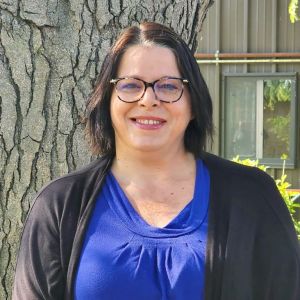
Cari Andera
Business Office Director


Levels of Care


Your Care Options
Specializations
Cocaine
Cocaine is a stimulant with euphoric effects. Agitation, muscle ticks, psychosis, and heart issues are common symptoms of cocaine abuse.
Residential
In a residential rehab program, patients live onsite, with access to daily treatment and 24-hour care. An average stay is 30-90 days.
Anxiety
Anxiety is a common mental health condition that can include excessive worry, panic attacks, physical tension, and increased blood pressure.
Depression
Symptoms of depression may include fatigue, a sense of numbness, and loss of interest in activities. This condition can range from mild to severe.
Gambling
Excessive, repetitive gambling causes financial and interpersonal problems. This addiction can interfere with work, friendships, and familial relationships.
Heroin
Heroin is a highly addictive and illegal opioid. It can cause insomnia, collapsed veins, heart issues, and additional mental health issues.
Opioids
Opioids produce pain-relief and euphoria, which can lead to addiction. This class of drugs includes prescribed medication and the illegal drug heroin.
Alcohol
Using alcohol as a coping mechanism, or drinking excessively throughout the week, signals an alcohol use disorder.
Who We Treat
Older Adults
Addiction and mental health treatment caters to adults 55+ and the age-specific challenges that can come with recovery, wellness, and overall happiness.
Young Adults
Emerging adults ages 18-25 receive treatment catered to the unique challenges of early adulthood, like college, risky behaviors, and vocational struggles.
Midlife Adults
For adults ages 40+, treatment shifts to focus on the unique challenges, blocks, and risk factors of their age group, and unites peers in a similar community.
Professionals
Busy, high-ranking professionals get the personalized treatment they need with greater accommodations for work, privacy, and outside communication.
Veterans
Patients who completed active military duty receive specialized treatment focused on trauma, grief, loss, and finding a new work-life balance.
Approaches
Christian
Through surrender and commitment to Christ, patients refocus the efforts and source of their recovery with clinical and spiritual care.
Evidence-Based
A combination of scientifically rooted therapies and treatments make up evidence-based care, defined by their measured and proven results.
Family Involvement
Providers involve family in the treatment of their loved one through family therapy, visits, or both–because addiction is a family disease.
Individual Treatment
Individual care meets the needs of each patient, using personalized treatment to provide them the most relevant care and greatest chance of success.
Therapies
1-on-1 Counseling
Patient and therapist meet 1-on-1 to work through difficult emotions and behavioral challenges in a personal, private setting.
Experiential Therapy
With this approach, patients heal by doing. Therapists help patients process difficult emotions to speak, using guided activities like art or dance.
Family Therapy
Family therapy addresses group dynamics within a family system, with a focus on improving communication and interrupting unhealthy relationship patterns.
Medication-Assisted Treatment
Combined with behavioral therapy, prescribed medications can enhance treatment by relieving withdrawal symptoms and focus patients on their recovery.
Psychoeducation
This method combines treatment with education, teaching patients about different paths toward recovery. This empowers them to make more effective decisions.
Spiritual Care
Tending to spiritual health helps treatment become more effective, allowing patients to better cope with their emotions and rebuild their spiritual wellbeing.
Languages
Conditions We Treat
Anger
Although anger itself isn't a disorder, it can get out of hand. If this feeling interferes with your relationships and daily functioning, treatment can help.
Anxiety
Anxiety is a common mental health condition that can include excessive worry, panic attacks, physical tension, and increased blood pressure.
Depression
Symptoms of depression may include fatigue, a sense of numbness, and loss of interest in activities. This condition can range from mild to severe.
Gambling
Excessive, repetitive gambling causes financial and interpersonal problems. This addiction can interfere with work, friendships, and familial relationships.
Grief and Loss
Grief is a natural reaction to loss, but severe grief can interfere with your ability to function. You can get treatment for this condition.
Post Traumatic Stress Disorder
PTSD is a long-term mental health issue caused by a disturbing event or events. Symptoms include anxiety, dissociation, flashbacks, and intrusive thoughts.
Trauma
Some traumatic events are so disturbing that they cause long-term mental health problems. Those ongoing issues can also be referred to as "trauma."
Substances We Treat
Alcohol
Using alcohol as a coping mechanism, or drinking excessively throughout the week, signals an alcohol use disorder.
Benzodiazepines
Benzodiazepines are prescribed to treat anxiety and sleep issues. They are highly habit forming, and their abuse can cause mood changes and poor judgement.
Co-Occurring Disorders
A person with multiple mental health diagnoses, such as addiction and depression, has co-occurring disorders also called dual diagnosis.
Cocaine
Cocaine is a stimulant with euphoric effects. Agitation, muscle ticks, psychosis, and heart issues are common symptoms of cocaine abuse.
Drug Addiction
Drug addiction is the excessive and repetitive use of substances, despite harmful consequences to a person's life, health, and relationships.
Ecstasy
Ecstasy is a stimulant that causes intense euphoria and heightened awareness. Abuse of this drug can trigger depression, insomnia, and memory problems.
Heroin
Heroin is a highly addictive and illegal opioid. It can cause insomnia, collapsed veins, heart issues, and additional mental health issues.
Methamphetamine
Methamphetamine, or meth, increases energy, agitation, and paranoia. Long-term use can result in severe physical and mental health issues.
Aftercare
Care Designed for Your Needs
Personal Amenities
Amenities
Special Considerations
Religion-Based Track
Patients can join faith-based recovery tracks to approach recovery with others in their faith, healing in a like-minded group with similar goals.
Activities
Off-Site Activities
What people are saying
Treatment
3.6
Accommodations
3.7
Food & Nutrition
3.2
Value
3.8
Anonymous
Reviewed 07/22/15
Review from Rehabs.com
Lori
Reviewed 10/20/17
Review from Rehabs.com
Anonymous
Reviewed 06/16/16
Review from Rehabs.com
Anonymous
Reviewed 06/16/16
Review from Rehabs.com
Anonymous
Reviewed 06/16/16
Review from Rehabs.com