- Addiction
- Mental Health
- About Us
Find Treatment By
Rehabs by Location


Find Treatment By
Learn
About Us
Recovery.com combines independent research with expert guidance on addiction and mental health treatment. Our mission is to help everyone find the best path to recovery through the most comprehensive, helpful network of treatment providers worldwide.
Advisory Council
Our advisory council brings together leaders in behavioral health, technology, and business. Their diverse expertise ensures our resources and product are innovative, evidence-based, and effective. They guide our mission as accomplished individuals dedicated to improving the landscape of addiction recovery and mental wellness.



Luna Recovery
Verified Center
This provider's information has been quality-checked by Recovery.com's Research Team for accuracy and completeness, including center verification through appropriate third-party organizations.
Treatment Focus
This center treats substance use disorders and co-occurring mental health conditions. Your treatment plan addresses each condition at once with personalized, compassionate care for comprehensive healing.
Primary Level of Care
Offering intensive care with 24/7 monitoring, residential treatment is typically 30 days and can cover multiple levels of care. Length can range from 14 to 90 days typically.
Treatment Focus
This center treats substance use disorders and co-occurring mental health conditions. Your treatment plan addresses each condition at once with personalized, compassionate care for comprehensive healing.
Primary Level of Care
Offering intensive care with 24/7 monitoring, residential treatment is typically 30 days and can cover multiple levels of care. Length can range from 14 to 90 days typically.
Provider's Policy
Let us handle talking to your insurance company so that you can focus on the big picture. By giving Luna Recovery’s staff your insurance information upfront, you’ll assist us in speeding up the verification process so that you can get started more quickly in recovery. Simply fill out the form with all of the information requested, and we will get back to you quickly with what your insurance will cover. Rest assured, we are covered by most major insurance companies and recovery services, both inpatient and outpatient, are generally covered as well.
Luna Recovery
Luna Recovery
About Luna Recovery
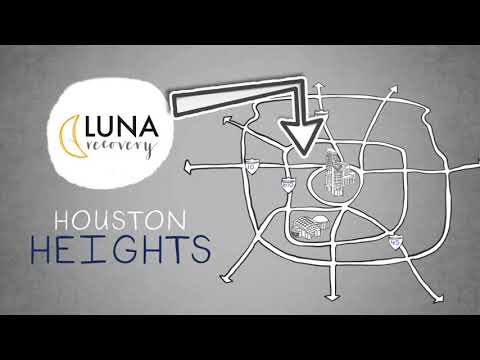
Luna Recovery is a family-owned treatment center offering residential care, Day Treatments (PHP), intensive outpatient programs (IOP), recovery coaching, and family therapy. Their boutique-style residential treatment takes place in the Houston Heights area. Personalized treatment plans tailor to clients’ specific needs. Luna Recovery also caters to adolescents with specific PHP and IOP programs.
Whole-Person Recovery for Clients And Their Families
Luna Recovery’s holistic approach treats the mind, body, and spirit through cognitive behavioral therapy (CBT), dialectical behavioral therapy (DBT), group therapies, and family therapy. Massage, body treatments, and planned outings are also included in the program. Luna leads detox with specialized physicians, clinicians and nurses, using medications as needed for greater comfort. They also offer neurofeedback as a complement to their educational focus, and to help guide and inform treatment. Weekly family therapy helps families heal as a unified whole.
Intensive Healing Opportunities
Clients meet with their individual therapist and clinicians a minimum of twice per week. An additional 1-2 meetings with their psychiatrist and physician help ensure they’re making optimal progress.
Luna also understands that recovery is a lifelong process. After completing their residential program, clients can meet with a weekly alumni group. Partial hospitalization and intensive outpatient programs also help clients stay connected to treatment at Luna. Families are always welcome at Luna, and each week, a family support group welcomes family members throughout the area to Luna’s outpatient office.
Recover in a Welcoming, Boutique Environment
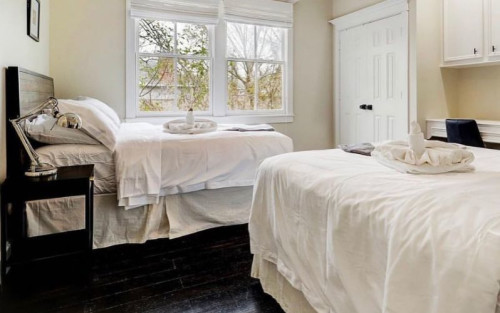
Luna Recovery provides a boutique and modern home that offers an intimate setting for clients to settle in and connect with their recovery community. Personalized nutrition plans and gourmet chefs help with Luna Recovery's holistic approach.
Center Overview
Treatment Focus
This center treats substance use disorders and co-occurring mental health conditions. Your treatment plan addresses each condition at once with personalized, compassionate care for comprehensive healing.
CARF Accredited
CARF stands for the Commission on Accreditation of Rehabilitation Facilities. It's an independent, non-profit organization that provides accreditation services for a variety of healthcare services. To be accredited means that the program meets their standards for quality, effectiveness, and person-centered care.

Insurance Accepted




Cash Pay Rates
Estimated Cash Pay Rate
Center pricing can vary based on program and length of stay. Contact the center for more information. Recovery.com strives for price transparency so you can make an informed decision.
Meet Your Care Team

Robert W. Park
Chief Executive Officer
LCDC

Kathleen Park
Chief Experience Officer
LPC, LCDC

Dr. John O'Neill
Chief Clinical Officer
EDD, LCSW-S, LCDC, CAS

Jay D. Kelley
Chief Operating Officer
LCDC
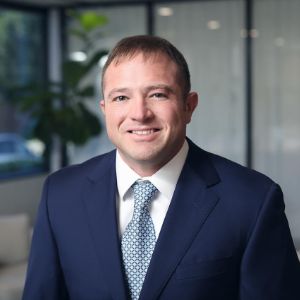
Bo Allaire
Medical Director
MD
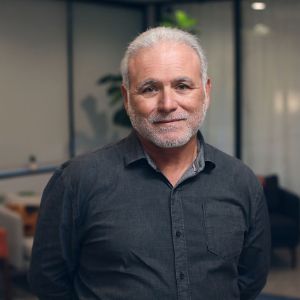
Orlando Montalvo
Director of Residential Services
LCDC, NCAC I
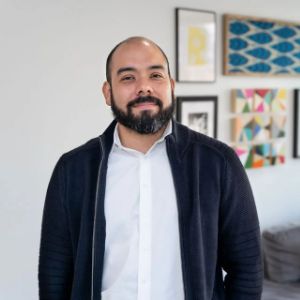
Alvaro Guevara
Adolescent Clinical Director
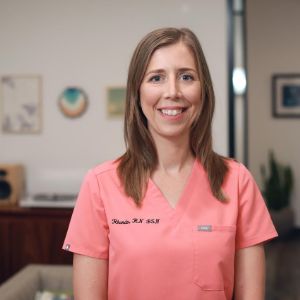
Rhonda Sanchez
Director of Nursing
RN, BSN
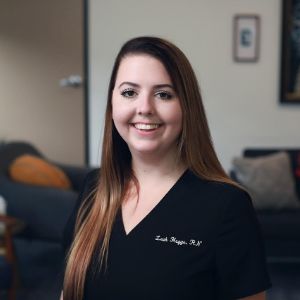
Leah Huggs
Charge Nurse
RN

Evelyn Bruno-Compean
Registered Nurse
RN
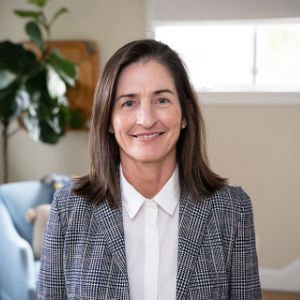
Jennifer Burdette
Director of Professional and Community Relations
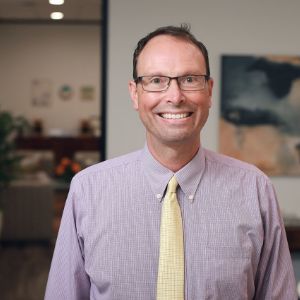
Jeffrey Rice
Therapist
LMFT, LPC-S, CSAT
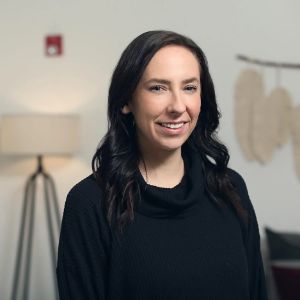
Jessie Norris
Therapist
LPC
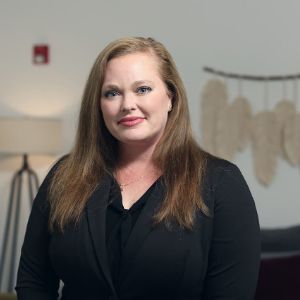
Dalanna Burris
Therapist
LPC-A, LCDC, CSAT
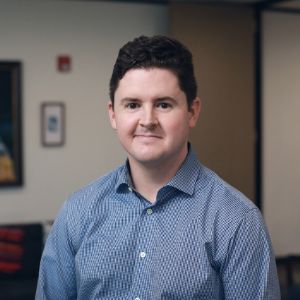
Brandt Taylor
Therapist
LMFT, LCDC
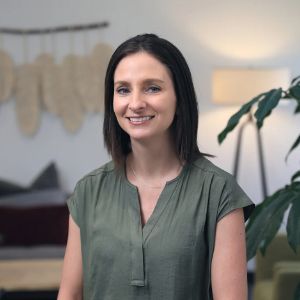
Vanessa Blandford
Therapist
LPC-A
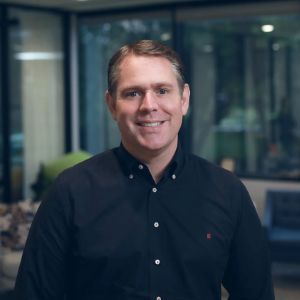
Zachary Collard
Therapist
BCN, LCDC, LMSW

Justin Thomas
Therapist
LPC-A, LCDC

Emma Hightower
Therapist
LMSW
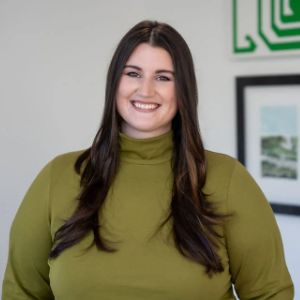
Lyndee Potetz
Adolescent Therapist
LCDC
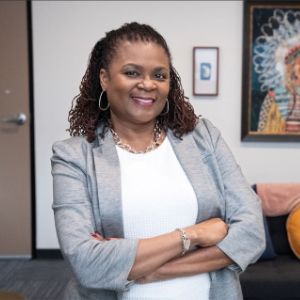
Sharron Terry
Therapist
LPC-A
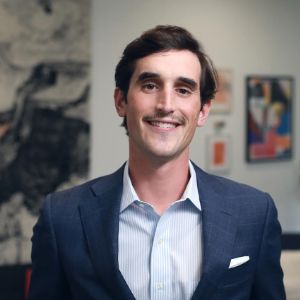
Rayne Mosher
Admissions Coordinator

Heather Carrier
Licensed Chemical Dependency Counselor – Intern
LCDC-I

Nina Christian
Recovery Advocate Supervisor

Trevor St. Denis
Recovery Advocate Lead

Matthew Johnston
Recovery Advocate
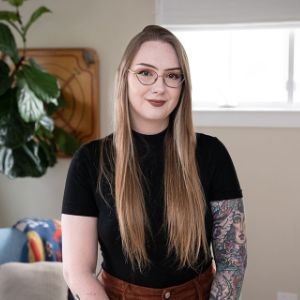
Michaela Rutt
Recovery Advocate
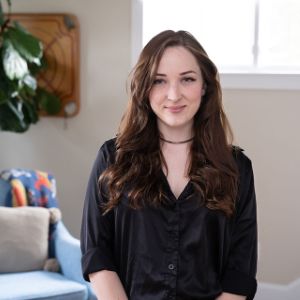
Samantha Steuwe
Recovery Advocate
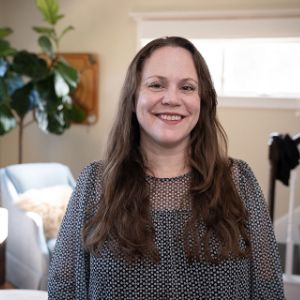
Lesley Nelson
Recovery Advocate
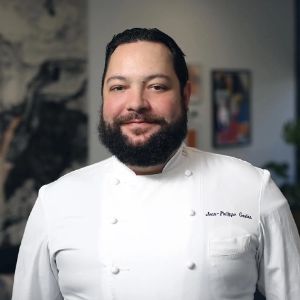
Jean-Philippe Gaston
Executive Chef
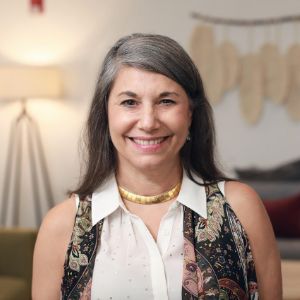
Laura Laine
Registered Dietician
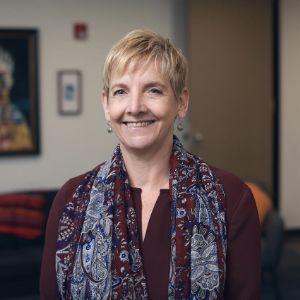
Diane Bailey
Therapist
RN, LPC, RYT-500.

Hakeem Akbar
Personal Trainer

Juanita Ajucum
Residential Housekeeping



Levels of Care


Your Care Options
Specializations
Alcohol
Using alcohol as a coping mechanism, or drinking excessively throughout the week, signals an alcohol use disorder.
Drug Addiction
Drug addiction is the excessive and repetitive use of substances, despite harmful consequences to a person's life, health, and relationships.
Holistic
A non-medicinal, wellness-focused approach that aims to align the mind, body, and spirit for deep and lasting healing.
Personalized Treatment
The specific needs, histories, and conditions of individual patients receive personalized, highly relevant care throughout their recovery journey.
Who We Treat
Young Adults
Emerging adults ages 18-25 receive treatment catered to the unique challenges of early adulthood, like college, risky behaviors, and vocational struggles.
LGBTQ+
Addiction and mental illnesses in the LGBTQ+ community must be treated with an affirming, safe, and relevant approach, which many centers provide.
Midlife Adults
For adults ages 40+, treatment shifts to focus on the unique challenges, blocks, and risk factors of their age group, and unites peers in a similar community.
Approaches
Evidence-Based
A combination of scientifically rooted therapies and treatments make up evidence-based care, defined by their measured and proven results.
Holistic
A non-medicinal, wellness-focused approach that aims to align the mind, body, and spirit for deep and lasting healing.
Personalized Treatment
The specific needs, histories, and conditions of individual patients receive personalized, highly relevant care throughout their recovery journey.
Wellness
Wellness philosophies focus on the physical, mental, and spiritual wellness of each patient, helping them restore purpose with natural remedies.
Therapies
Family Therapy
Family therapy addresses group dynamics within a family system, with a focus on improving communication and interrupting unhealthy relationship patterns.
Massage Therapy
Massage therapy relieves physical and emotional tension, reduces pain, promotes relaxation, and improves emotion regulation.
Medication-Assisted Treatment
Combined with behavioral therapy, prescribed medications can enhance treatment by relieving withdrawal symptoms and focus patients on their recovery.
Mindfulness Therapy
This ancient practice can be mental, emotional, and even spiritual. In meditation, you focus your attention on the present moment without judgement.
Psychoeducation
This method combines treatment with education, teaching patients about different paths toward recovery. This empowers them to make more effective decisions.
Languages
Conditions We Treat
ADHD, ADD
ADHD is a common mental health condition caused by dopamine imbalance. Common symptoms include inattention, hyperactivitiy, and impulsivity.
Anger
Although anger itself isn't a disorder, it can get out of hand. If this feeling interferes with your relationships and daily functioning, treatment can help.
Anxiety
Anxiety is a common mental health condition that can include excessive worry, panic attacks, physical tension, and increased blood pressure.
Bipolar
This mental health condition is characterized by extreme mood swings between depression, mania, and remission.
Codependency
Codependency is a pattern of emotional dependence and controlling behavior. It's most common among people with addicted loved ones.
Depression
Symptoms of depression may include fatigue, a sense of numbness, and loss of interest in activities. This condition can range from mild to severe.
Gambling
Excessive, repetitive gambling causes financial and interpersonal problems. This addiction can interfere with work, friendships, and familial relationships.
Gaming
Compulsive gaming is most often a problem for children and teens. The disorder can affect physical health, sleep, and the ability to focus at school.
Grief and Loss
Grief is a natural reaction to loss, but severe grief can interfere with your ability to function. You can get treatment for this condition.
Substances We Treat
Alcohol
Using alcohol as a coping mechanism, or drinking excessively throughout the week, signals an alcohol use disorder.
Benzodiazepines
Benzodiazepines are prescribed to treat anxiety and sleep issues. They are highly habit forming, and their abuse can cause mood changes and poor judgement.
Chronic Relapse
Consistent relapse occurs repeatedly, after partial recovery from addiction. This condition requires long-term treatment.
Co-Occurring Disorders
A person with multiple mental health diagnoses, such as addiction and depression, has co-occurring disorders also called dual diagnosis.
Cocaine
Cocaine is a stimulant with euphoric effects. Agitation, muscle ticks, psychosis, and heart issues are common symptoms of cocaine abuse.
Drug Addiction
Drug addiction is the excessive and repetitive use of substances, despite harmful consequences to a person's life, health, and relationships.
Ecstasy
Ecstasy is a stimulant that causes intense euphoria and heightened awareness. Abuse of this drug can trigger depression, insomnia, and memory problems.
Heroin
Heroin is a highly addictive and illegal opioid. It can cause insomnia, collapsed veins, heart issues, and additional mental health issues.
Aftercare
Care Designed for Your Needs
Personal Amenities
Amenities
Special Considerations
Flexible technology policies
Centers with flexible technology policies allow professionals to stay in touch with work and give patients a greater sense of connection and normalcy.
Executive Program
Addiction and mental health treatment for executives typically involves high discretion, greater technology access, and more private, 1-on-1 care.
Activities
Off-Site Activities
Off-Site Amenities
What people are saying
Treatment
5.0
Accommodations
4.9
Food & Nutrition
5.0
Value
4.7
Pros
- Supportive Aftercare (3)
- Quality Programming (3)
- Smooth Transition (3)
- Location Conducive to Recovery (3)
Micki Grimland, LCSW
Reviewed 01/31/23
Referring Professional
•Psychotherapist
Jon Stevens, MD MPH
Reviewed 02/02/23
Referring Professional
•Psychiatrist
Andrea Moorer, LCSW-S, LCDC
Reviewed 02/01/23
Referring Professional
•Therapist
Dr. Andrew Krieger
Reviewed 01/31/23
Referring Professional
•therapist
Zack P
Reviewed 01/30/23
Referring Professional
•Admissions Director