- Addiction
- Mental Health
- About Us
Find Treatment By
Rehabs by Location


Find Treatment By
Learn
About Us
Recovery.com combines independent research with expert guidance on addiction and mental health treatment. Our mission is to help everyone find the best path to recovery through the most comprehensive, helpful network of treatment providers worldwide.
Advisory Council
Our advisory council brings together leaders in behavioral health, technology, and business. Their diverse expertise ensures our resources and product are innovative, evidence-based, and effective. They guide our mission as accomplished individuals dedicated to improving the landscape of addiction recovery and mental wellness.


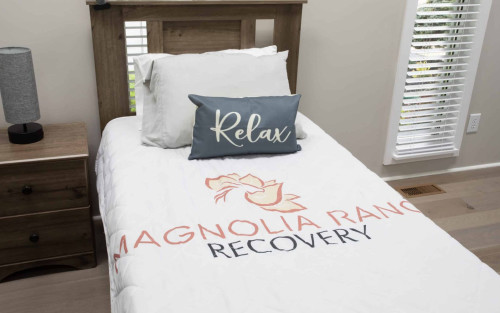

Magnolia Ranch Recovery
Verified Center
This provider's information has been quality-checked by Recovery.com's Research Team for accuracy and completeness, including center verification through appropriate third-party organizations.
Treatment Focus
This center treats substance use disorders and co-occurring mental health conditions. Your treatment plan addresses each condition at once with personalized, compassionate care for comprehensive healing.
Primary Level of Care
Offering intensive care with 24/7 monitoring, residential treatment is typically 30 days and can cover multiple levels of care. Length can range from 14 to 90 days typically.
Treatment Focus
This center treats substance use disorders and co-occurring mental health conditions. Your treatment plan addresses each condition at once with personalized, compassionate care for comprehensive healing.
Primary Level of Care
Offering intensive care with 24/7 monitoring, residential treatment is typically 30 days and can cover multiple levels of care. Length can range from 14 to 90 days typically.
Provider's Policy
Magnolia Ranch Recovery accepts a wide variety of providers and plans, including but not limited to: Cigna, Aetna, Humana, Multiplan – Magellan Health, Blue Cross Blue Shield, TRICARE, VACCN & many more. Payment plans are available and can be negotiated on a case by case basis.
Magnolia Ranch Recovery
Magnolia Ranch Recovery
About Magnolia Ranch Recovery
Tucked away on a picturesque 37-acre estate in Tennessee, Magnolia Ranch Recovery provides a tranquil and well-ordered setting for those pursuing residential addiction treatment. The facility's programs are meticulously designed to offer tailored care, merging the proven methodologies of traditional treatment with the soothing practices of holistic therapies. At Magnolia Ranch Recovery, the journey to wellness encompasses both physical and emotional healing, offering a compassionate sanctuary where clients can mend and transform their lives.
Residential Treatment Program
At Magnolia Ranch Recovery, the residential treatment program offers continuous care enveloped in serenity. Each client embarks on a personalized therapeutic journey, blending scientifically backed practices with holistic methods such as yoga and mindfulness. This bespoke care model is meticulously tailored, ensuring every individual receives the support needed to navigate their distinct challenges and lay the groundwork for enduring sobriety. From the outset of their stay, clients collaborate closely with case managers, starting to craft a detailed aftercare plan just 12 days into treatment. Magnolia Ranch Recovery places a high premium on consistency and structure, extending therapeutic support into the weekends with counseling sessions on Saturdays. This approach not only reinforces the sense of community but also fortifies accountability, an essential element in the path to recovery.
Equine Therapy Integration
A unique feature of Magnolia Ranch is its equine therapy program. This tactile, experiential therapy allows clients to interact with horses in a way that fosters trust, communication, and emotional growth. These learned skills translate to improved vulnerability and reliance in interpersonal relationships, better self-expression in therapeutic and community settings, and deeper emotional intelligence. This therapy complements the center’s traditional treatment methods, strengthening the potential for long-term sobriety.
Trauma Treatment and Family Repair
Magnolia Ranch Recovery understands the profound impact of trauma on addiction and emphasizes the critical role of family involvement in the healing process. Their specialized trauma treatment program utilizes evidence-based therapies such as Cognitive Behavioral Therapy (CBT) and Eye Movement Desensitization and Reprocessing (EMDR) to address the root causes of addiction linked to past traumas. Simultaneously, Magnolia Ranch offers a comprehensive family program featuring weekly therapy sessions and psychoeducation. This program is designed to mend and strengthen family relationships and provides loved ones with essential skills to effectively support the recovery journey of their family member.

Highlights from the Center
Highlights
These highlights are provided by and paid for by the center.
Equine Therapy
Therapeutic Location
Holistic Approach
Center Overview
Treatment Focus
This center treats substance use disorders and co-occurring mental health conditions. Your treatment plan addresses each condition at once with personalized, compassionate care for comprehensive healing.
Joint Commission Accredited
The Joint Commission accreditation is a voluntary, objective process that evaluates and accredits healthcare organizations (like treatment centers) based on performance standards designed to improve quality and safety for patients. To be accredited means the treatment center has been found to meet the Commission's standards for quality and safety in patient care.

Insurance Accepted





Cash Pay Rates
Estimated Cash Pay Rate
Center pricing can vary based on program and length of stay. Contact the center for more information. Recovery.com strives for price transparency so you can make an informed decision.
Meet Your Care Team

Peter Dacchille
Founder

Esra Ahmed
Clinical Director

Sophia Hashfield
Nurse Practitioner

William Deneke
Lead Primary Therapist
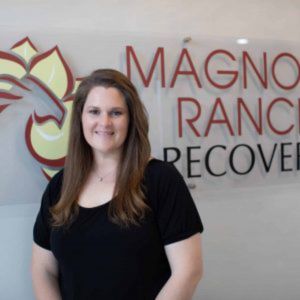
Anna-Kathryn Carpenter
Recreation Therapist
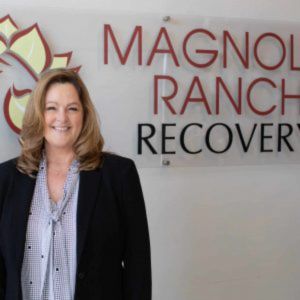
Tammy Schmidt
Chief Financial Officer
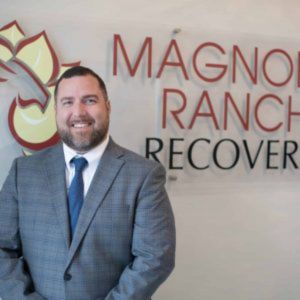
Timothy Brennan
COO

Vytautas Pukis
Medical Director
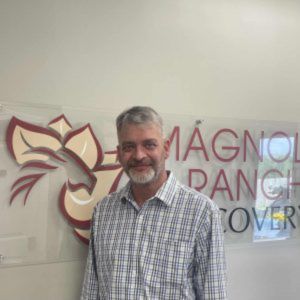
Clint Crawford
Primary Therapist
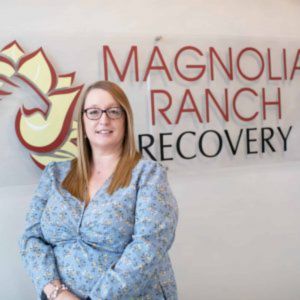
Jennifer Brooks
Client Services Coordinator
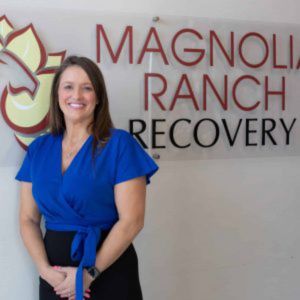
Jami Spain
Support Staff Manager
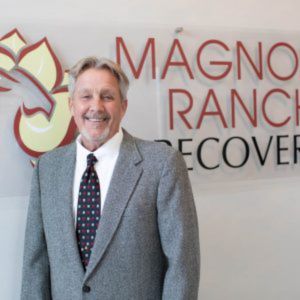
Doug Rhodes
Environment of Care Director
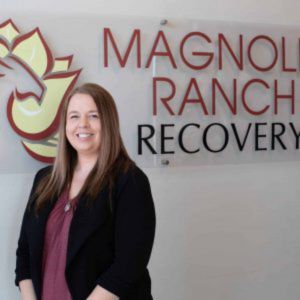
Morgan Barnett
Human Resource Manager
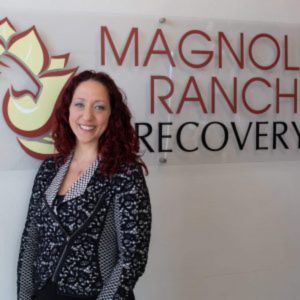
Stefanie Crain
Director of Utilization Review
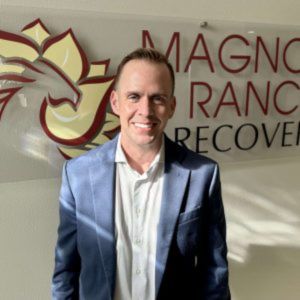
Charles Adams
Chief Branding Officer
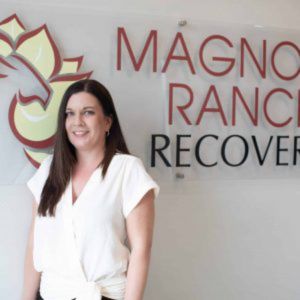
Lauren Dacchille
Digital Marketing Manager
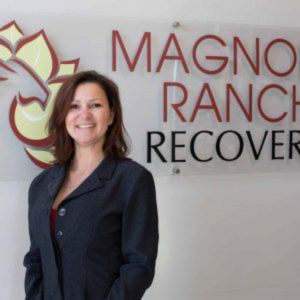
Miriam Taylor
Alumni Coordinator
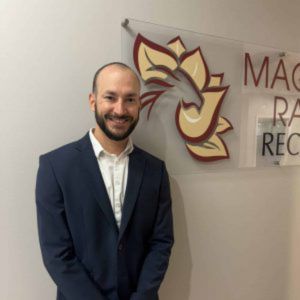
Nicholas Meyer
Director of Admissions
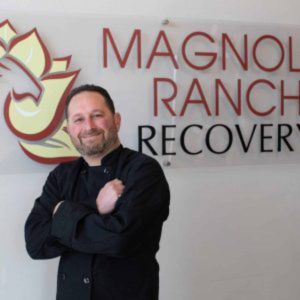
Joe Goldman
Executive Chef



Levels of Care


Your Care Options
Specializations
Alcohol
Using alcohol as a coping mechanism, or drinking excessively throughout the week, signals an alcohol use disorder.
Co-Occurring Disorders
A person with multiple mental health diagnoses, such as addiction and depression, has co-occurring disorders also called dual diagnosis.
Cocaine
Cocaine is a stimulant with euphoric effects. Agitation, muscle ticks, psychosis, and heart issues are common symptoms of cocaine abuse.
Drug Addiction
Drug addiction is the excessive and repetitive use of substances, despite harmful consequences to a person's life, health, and relationships.
Heroin
Heroin is a highly addictive and illegal opioid. It can cause insomnia, collapsed veins, heart issues, and additional mental health issues.
Opioids
Opioids produce pain-relief and euphoria, which can lead to addiction. This class of drugs includes prescribed medication and the illegal drug heroin.
Prescription Drugs
It's possible to abuse any drug, even prescribed ones. If you crave a medication, or regularly take it more than directed, you may have an addiction.
Veterans
Patients who completed active military duty receive specialized treatment focused on trauma, grief, loss, and finding a new work-life balance.
Who We Treat
LGBTQ+
Addiction and mental illnesses in the LGBTQ+ community must be treated with an affirming, safe, and relevant approach, which many centers provide.
Men and Women
Men and women attend treatment for addiction in a co-ed setting, going to therapy groups together to share experiences, struggles, and successes.
Professionals
Busy, high-ranking professionals get the personalized treatment they need with greater accommodations for work, privacy, and outside communication.
Veterans
Patients who completed active military duty receive specialized treatment focused on trauma, grief, loss, and finding a new work-life balance.
Approaches
Evidence-Based
A combination of scientifically rooted therapies and treatments make up evidence-based care, defined by their measured and proven results.
Gender-Specific
Separate treatment for men or women can create strong peer connections and remove barriers related to trauma, shame, and gender-specific nuances.
Holistic
A non-medicinal, wellness-focused approach that aims to align the mind, body, and spirit for deep and lasting healing.
Individual Treatment
Individual care meets the needs of each patient, using personalized treatment to provide them the most relevant care and greatest chance of success.
Therapies
1-on-1 Counseling
Patient and therapist meet 1-on-1 to work through difficult emotions and behavioral challenges in a personal, private setting.
Acceptance and Commitment Therapy (ACT)
This cognitive behavioral therapy teaches patients to accept challenging feelings and make the appropriate changes to reach personal goals.
Adventure Therapy
This experiential approach uses the physical and emotional challenges of outdoor activities as tools for personal growth.
Animal Therapy
Animals can inspire trust and self-worth. In this experiential therapy, guided interactions are used to improve social skills and emotion regulation.
Art Therapy
Visual art invites patients to examine the emotions within their work, focusing on the process of creativity and its gentle therapeutic power.
Equine Therapy
Guided interactions with trained horses, their handler, and a therapist can help patients improve their self-esteem, trust, empathy, and social skills.
Languages
Conditions We Treat
Anger
Although anger itself isn't a disorder, it can get out of hand. If this feeling interferes with your relationships and daily functioning, treatment can help.
Anxiety
Anxiety is a common mental health condition that can include excessive worry, panic attacks, physical tension, and increased blood pressure.
Depression
Symptoms of depression may include fatigue, a sense of numbness, and loss of interest in activities. This condition can range from mild to severe.
Grief and Loss
Grief is a natural reaction to loss, but severe grief can interfere with your ability to function. You can get treatment for this condition.
Post Traumatic Stress Disorder
PTSD is a long-term mental health issue caused by a disturbing event or events. Symptoms include anxiety, dissociation, flashbacks, and intrusive thoughts.
Stress
Stress is a natural reaction to challenges, and it can even help you adapt. However, chronic stress can cause physical and mental health issues.
Trauma
Some traumatic events are so disturbing that they cause long-term mental health problems. Those ongoing issues can also be referred to as "trauma."
Substances We Treat
Alcohol
Using alcohol as a coping mechanism, or drinking excessively throughout the week, signals an alcohol use disorder.
Benzodiazepines
Benzodiazepines are prescribed to treat anxiety and sleep issues. They are highly habit forming, and their abuse can cause mood changes and poor judgement.
Chronic Relapse
Consistent relapse occurs repeatedly, after partial recovery from addiction. This condition requires long-term treatment.
Co-Occurring Disorders
A person with multiple mental health diagnoses, such as addiction and depression, has co-occurring disorders also called dual diagnosis.
Cocaine
Cocaine is a stimulant with euphoric effects. Agitation, muscle ticks, psychosis, and heart issues are common symptoms of cocaine abuse.
Drug Addiction
Drug addiction is the excessive and repetitive use of substances, despite harmful consequences to a person's life, health, and relationships.
Heroin
Heroin is a highly addictive and illegal opioid. It can cause insomnia, collapsed veins, heart issues, and additional mental health issues.
Methamphetamine
Methamphetamine, or meth, increases energy, agitation, and paranoia. Long-term use can result in severe physical and mental health issues.
Aftercare
Care Designed for Your Needs
Personal Amenities
Amenities
Special Considerations
Gender-specific groups
Patients in gender-specific groups gain the opportunity to discuss challenges unique to their gender in a comfortable, safe setting conducive to healing.
Activities
Yoga
Yoga is both a physical and spiritual practice. It includes a flow of movement, breathing techniques, and meditation.
Off-Site Activities
Yoga
Yoga is both a physical and spiritual practice. It includes a flow of movement, breathing techniques, and meditation.
What people are saying
Treatment
4.9
Accommodations
4.8
Food & Nutrition
4.9
Value
4.8
Pros
- Beautiful Location (3)
- Excellent & Effective Treatment Programming (3)
- Personalized (3)
- Gourmet & Nutritious Food (3)
TC
Treatment in 2026 • (30 days) • Reviewed 02/13/26
Former Client
Eric Smith
Treatment in 2026 • (14 days) • Reviewed 01/22/26
Former Client
•Truck driver
•Pulaski TN
Bank
Treatment in 2026 • (30 days) • Reviewed 02/09/26
Former Client
•Cashier
Anonymous
Treatment in 2026 • (30 days) • Reviewed 02/09/26
Former Client
•Carpenter
shaun lituanas
Treatment in 2026 • (30 days) • Reviewed 01/28/26
Former Client