- Addiction
- Mental Health
- About Us
Find Treatment By
Rehabs by Location


Find Treatment By
Learn
About Us
Recovery.com combines independent research with expert guidance on addiction and mental health treatment. Our mission is to help everyone find the best path to recovery through the most comprehensive, helpful network of treatment providers worldwide.
Advisory Council
Our advisory council brings together leaders in behavioral health, technology, and business. Their diverse expertise ensures our resources and product are innovative, evidence-based, and effective. They guide our mission as accomplished individuals dedicated to improving the landscape of addiction recovery and mental wellness.

Mountain Valley Recovery
Verified Center
This provider's information has been quality-checked by Recovery.com's Research Team for accuracy and completeness, including center verification through appropriate third-party organizations.
Treatment Focus
This center treats substance use disorders and mental health conditions. You'll receive individualized care catered to your unique situation and diagnosis, learn practical skills for recovery, and make new connections in a restorative environment.
Primary Level of Care
Offering intensive care with 24/7 monitoring, residential treatment is typically 30 days and can cover multiple levels of care. Length can range from 14 to 90 days typically.
Treatment Focus
This center treats substance use disorders and mental health conditions. You'll receive individualized care catered to your unique situation and diagnosis, learn practical skills for recovery, and make new connections in a restorative environment.
Primary Level of Care
Offering intensive care with 24/7 monitoring, residential treatment is typically 30 days and can cover multiple levels of care. Length can range from 14 to 90 days typically.
Provider's Policy
Mountain Valley Recovery accepts a wide range of health insurance plans to help you get the care and treatment you need. Verify your insurance and our admissions team will call you with more information.
Mountain Valley Recovery
Mountain Valley Recovery
About Mountain Valley Recovery
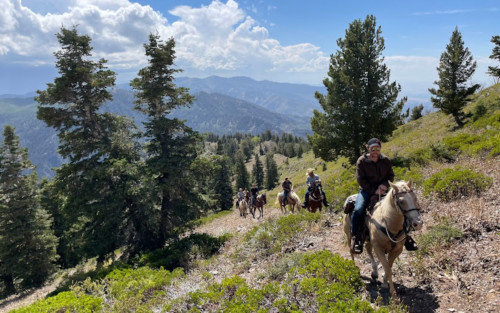
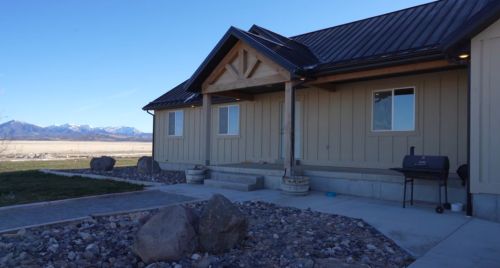
Mountain Valley Recovery supports young-adult males struggling with addiction on their journey to long-term recovery. Their long-term residential men’s rehab, lasting 9-12 months, provides an immersive approach to overcoming addiction, set within the peaceful surroundings of Holden, Utah. With the guidance of licensed professionals, up to 15 residents at a time receive individualized, evidence-based clinical care, combined with experiential learning opportunities on their fully operational ranch. This program is ideal for individuals who have faced challenges with relapse or have not found success in shorter treatment programs.
Rebuild Thought Patterns & Identity with Therapy
Mountain Valley Recovery’s approach empowers clients to become self-reliant. There’s no simple formula, no shortcuts, or quick fixes. Recognizing the uniqueness of each client, the program is tailored to meet the specific goals and needs of each person. They achieve this by providing the latest evidence-based clinical care, enriched with real-life success stories and expertise from professionally licensed staff. Clients receive 1 hour of 1:1 counseling per week; their therapist specializes in substance use, mental abuse, and sex addiction. Group therapy uses cognitive behavioral therapy (CBT), dialectical behavioral therapy (DBT), mindfulness-based therapies, and motivational interviewing to help clients practice healthier communication and relationship skills. Having “been there, done that,” their certified peer support specialists are integral to modeling and teaching others how to create and live life safe, sober, and healthy. Family and/or couples therapy is offered as an individualized service, and may not be appropriate for all clients.
Embrace Hard Work & Uncover Talents
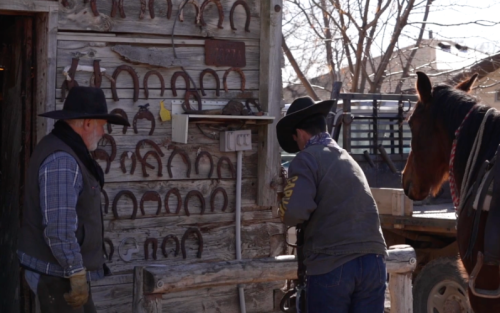
In addition to therapy, clients focus on skill building, equine activities, and recreation therapy. This holistic approach helps individuals find fulfillment in sobriety and lays the foundation to make recovery a lifestyle. As clients learn new job skills in a vocational setting, care for the herd, explore the outdoors, and abide by a structured routine, they awaken new self-worth and confidence to reach their full potential.
Prepare for Healthy Re-entry into Society
Although the distractions of their former daily life are stripped away on the ranch, clients experience a “real life” program where they are expected to contribute in the house and on the ranch, and to seek employment. Clients can obtain jobs near the end of the program and begin building a financially independent lifestyle. Mountain Valley Recovery supports clients’ transitions out of treatment in order to significantly decrease the likelihood of relapse and help clients maintain a stable recovery path. They reinforce the coping strategies learned during treatment, and encourage regular participation in 12-Step programs like Alcoholics Anonymous (AA) or Narcotics Anonymous (NA) for substantial ongoing support.
Join a Tightknit Community
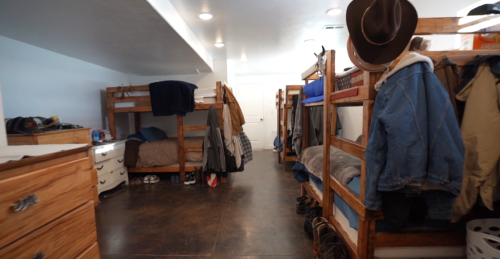
Clients at Mountain Valley discover a sense of belonging not just on the ranch but in the town, located 2 hours south of Salt Lake City. Many local volunteers support clients by providing job opportunities, hosting dinners, attending graduation, and giving encouragement. On Mountain Valley’s 80 peaceful acres, clients share a home away from home with large communal areas and a shared bedroom with bunk beds. They contribute to household chores and cooking. For fun, clients enjoy outings like skiing, bowling, four-wheeling, hiking, and cabin trips.

Highlights from the Center
Highlights
These highlights are provided by and paid for by the center.
Equine Therapy
Nature Lovers
Family Owned & Operated
Men Only
Center Overview
Treatment Focus
This center treats substance use disorders and mental health conditions. You'll receive individualized care catered to your unique situation and diagnosis, learn practical skills for recovery, and make new connections in a restorative environment.
Insurance Accepted











Recovery.com Verified Listing
Recovery.com verified that the name, location, contact information and license to operate for this treatment provider are valid and up-to-date.

Licensed by Utah
Recovery.com is an independent, third-party mental health resource. Verification does not imply endorsement and does not guarantee the quality of treatment services.
Meet Your Care Team

Justin Nielson
Executive Director

Kellie Christensen
Program Director

Benjamin Haslam
Clinical Director
LMFT

M. Raun Child
Clinical Director, Physician Assistant
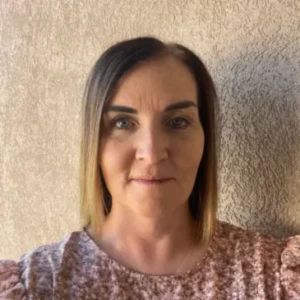
Kristy Moody
CNA, Medical Assistant
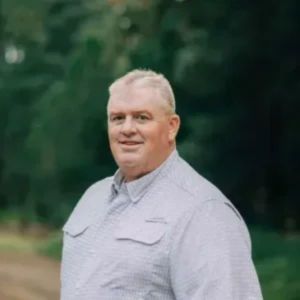
Austin Day
Equine Specialists

Jake Day
Equine Specialists

Cole Whatcott
Peer Support
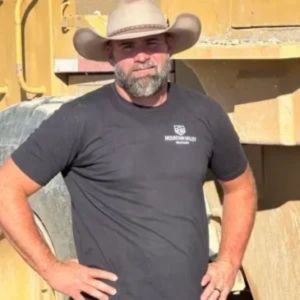
Judd Christensen
Peer Support
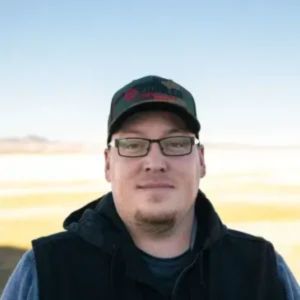
Tyler Shank
Peer Support
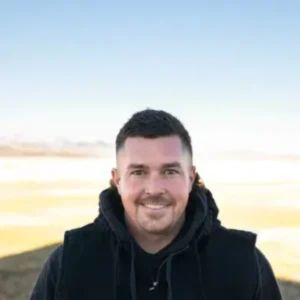
Brandon Cox
Peer Support
Your Care Options
Specializations
Alcohol
Using alcohol as a coping mechanism, or drinking excessively throughout the week, signals an alcohol use disorder.
Anxiety
Anxiety is a common mental health condition that can include excessive worry, panic attacks, physical tension, and increased blood pressure.
Depression
Symptoms of depression may include fatigue, a sense of numbness, and loss of interest in activities. This condition can range from mild to severe.
Drug Addiction
Drug addiction is the excessive and repetitive use of substances, despite harmful consequences to a person's life, health, and relationships.
Holistic
A non-medicinal, wellness-focused approach that aims to align the mind, body, and spirit for deep and lasting healing.
Recreation Therapy
In recreation therapy, recovery can be joyful. Patients practice social skills and work through emotional triggers by engaging in fun activities.
Trauma
Some traumatic events are so disturbing that they cause long-term mental health problems. Those ongoing issues can also be referred to as "trauma."
Who We Treat
Young Adults
Emerging adults ages 18-25 receive treatment catered to the unique challenges of early adulthood, like college, risky behaviors, and vocational struggles.
Treatment Services
Licensed Primary Mental Health
Some primary care providers offer mental health diagnosis and treatment. This can prevent patients from developing more serious conditions.
Private Therapy
This is an individual therapy that's often available at private therapy clinics. Clients may be able to choose a therapist who best fits their unique needs.
Residential
In a residential rehab program, patients live onsite, with access to daily treatment and 24-hour care. An average stay is 30-90 days.
Approaches
Christian
Through surrender and commitment to Christ, patients refocus the efforts and source of their recovery with clinical and spiritual care.
Evidence-Based
A combination of scientifically rooted therapies and treatments make up evidence-based care, defined by their measured and proven results.
Experiential
Expressive tools and therapies help patients process past situations, learn more about themselves, and find healing through action.
Therapeutic Community
Therapeutic communities allow patients to contribute to the success and progress of their community, through healthy behaviors or even basic chores.
Therapies
1-on-1 Counseling
Patient and therapist meet 1-on-1 to work through difficult emotions and behavioral challenges in a personal, private setting.
Adventure Therapy
This experiential approach uses the physical and emotional challenges of outdoor activities as tools for personal growth.
Animal Therapy
Animals can inspire trust and self-worth. In this experiential therapy, guided interactions are used to improve social skills and emotion regulation.
Art Therapy
Visual art invites patients to examine the emotions within their work, focusing on the process of creativity and its gentle therapeutic power.
Equine Therapy
Guided interactions with trained horses, their handler, and a therapist can help patients improve their self-esteem, trust, empathy, and social skills.
Experiential Therapy
With this approach, patients heal by doing. Therapists help patients process difficult emotions to speak, using guided activities like art or dance.
Family Therapy
Family therapy addresses group dynamics within a family system, with a focus on improving communication and interrupting unhealthy relationship patterns.
Languages
Conditions We Treat
ADHD, ADD
ADHD is a common mental health condition caused by dopamine imbalance. Common symptoms include inattention, hyperactivitiy, and impulsivity.
Anger
Although anger itself isn't a disorder, it can get out of hand. If this feeling interferes with your relationships and daily functioning, treatment can help.
Anxiety
Anxiety is a common mental health condition that can include excessive worry, panic attacks, physical tension, and increased blood pressure.
Bipolar
This mental health condition is characterized by extreme mood swings between depression, mania, and remission.
Codependency
Codependency is a pattern of emotional dependence and controlling behavior. It's most common among people with addicted loved ones.
Depression
Symptoms of depression may include fatigue, a sense of numbness, and loss of interest in activities. This condition can range from mild to severe.
Gaming
Compulsive gaming is most often a problem for children and teens. The disorder can affect physical health, sleep, and the ability to focus at school.
Internet Addiction
Internet addiction is common among children teens. This compulsive disorder can damage relationships, school performance, sleep habits, and physical health.
Pornography Addiction
A person with a porn addiction is emotionally dependent on pornography to the point that it interferes with their daily life and relationships.
Substances We Treat
Alcohol
Using alcohol as a coping mechanism, or drinking excessively throughout the week, signals an alcohol use disorder.
Benzodiazepines
Benzodiazepines are prescribed to treat anxiety and sleep issues. They are highly habit forming, and their abuse can cause mood changes and poor judgement.
Chronic Relapse
Consistent relapse occurs repeatedly, after partial recovery from addiction. This condition requires long-term treatment.
Co-Occurring Disorders
A person with multiple mental health diagnoses, such as addiction and depression, has co-occurring disorders also called dual diagnosis.
Cocaine
Cocaine is a stimulant with euphoric effects. Agitation, muscle ticks, psychosis, and heart issues are common symptoms of cocaine abuse.
Drug Addiction
Drug addiction is the excessive and repetitive use of substances, despite harmful consequences to a person's life, health, and relationships.
Ecstasy
Ecstasy is a stimulant that causes intense euphoria and heightened awareness. Abuse of this drug can trigger depression, insomnia, and memory problems.
Heroin
Heroin is a highly addictive and illegal opioid. It can cause insomnia, collapsed veins, heart issues, and additional mental health issues.
Aftercare
Care Designed for Your Needs
Personal Amenities
Amenities
Special Considerations
Religion-Based Track
Patients can join faith-based recovery tracks to approach recovery with others in their faith, healing in a like-minded group with similar goals.
First Responders Program
Paramedics, police officers, firefighters, and others join in a specific First Responders program, usually focused on trauma, grief, and work-life balance.
Pet Friendly
For greater comfort and healing, pet-friendly treatment centers welcome dogs and animal companions to stay with their owners while they attend treatment.
Off-Site Activities
Learn More About the Center
Most Common Reasons Men in Recovery Relapse With Drugs
Discover the hidden triggers and common pitfalls that can lead men in recovery to relapse.
The Unexpected Benefits of Ranch-Based Rehabs
Explore how the daily rhythms and responsibilities of ranch life provide a unique path to healing.
How Hard Work Can Help Men in Addiction Recovery
Find out how a daily routine with hard work can be a potent tool for men breaking free from addiction.
Recreational Therapy Activities for Mental Health and Addiction Treatment
Learn how physical exercise, creative arts, outdoor adventures can contribute to recovery.
What people are saying
Treatment
5.0
Accommodations
5.0
Food & Nutrition
5.0
Value
5.0
Kellie
Reviewed 10/15/24
Review from Rehabs.com
Justin
Reviewed 10/15/24
Review from Rehabs.com
Gay Royce
Reviewed 10/16/24
Review from Rehabs.com
Debra
Reviewed 10/16/24
Review from Rehabs.com
Maxwell
Reviewed 10/16/24
Review from Rehabs.com