- Addiction
- Mental Health
- About Us
Find Treatment By
Rehabs by Location


Find Treatment By
Learn
About Us
Recovery.com combines independent research with expert guidance on addiction and mental health treatment. Our mission is to help everyone find the best path to recovery through the most comprehensive, helpful network of treatment providers worldwide.
Advisory Council
Our advisory council brings together leaders in behavioral health, technology, and business. Their diverse expertise ensures our resources and product are innovative, evidence-based, and effective. They guide our mission as accomplished individuals dedicated to improving the landscape of addiction recovery and mental wellness.

Muir Wood Teen Treatment Clovis
Verified Center
This provider's information has been quality-checked by Recovery.com's Research Team for accuracy and completeness, including center verification through appropriate third-party organizations.
Treatment Focus
This center treats substance use disorders and mental health conditions. You'll receive individualized care catered to your unique situation and diagnosis, learn practical skills for recovery, and make new connections in a restorative environment.
Primary Level of Care
Offering intensive care with 24/7 monitoring, residential treatment is typically 30 days and can cover multiple levels of care. Length can range from 14 to 90 days typically.
Treatment Focus
This center treats substance use disorders and mental health conditions. You'll receive individualized care catered to your unique situation and diagnosis, learn practical skills for recovery, and make new connections in a restorative environment.
Primary Level of Care
Offering intensive care with 24/7 monitoring, residential treatment is typically 30 days and can cover multiple levels of care. Length can range from 14 to 90 days typically.
Provider's Policy
Muir Wood Teen is unable to accept Medicare, Medicaid, or MediCal policies. To help ease the financial burden of residential treatment, Muir Wood is an in-network treatment provider for Kaiser Permanente, Anthem Blue Cross Blue Shield, Blue Shield of California, Aetna, Cigna, Halycon (now Simple Behavioral), MHN, Optum, United Healthcare, Tricare West, and ChampVA. We are also able to work on an out-of-network single-case basis with most other major insurers.
Muir Wood Teen Treatment Clovis
Muir Wood Teen Treatment Clovis
About Muir Wood Teen Treatment Clovis
Founded in 2013, Muir Wood Adolescent and Family Services is a Joint Commission-accredited gender-specific residential treatment program for teen boys, ages 12-17, struggling with mental health, behavioral, and substance use issues. Muir Wood offers a highly individualized, gender separate, and family-centered program that serves a maximum of just 18 teens at each of their 12 California locations. The staff at Muir Wood includes full-time double-board-certified psychiatrists, therapists, nurses, educators, and recovery counselors who specialize in treating teens.
Comprehensive And Personalized Care
Muir Wood Teen Treatment begins treatment with comprehensive psychological assessments and testing. The key components of the residential program include a weekly family intensive, comprehensive psychological testing, twice weekly individual therapy, assessments by a board-certified psychiatrist, twice weekly family support groups, and much more. Their treatment team meets weekly to discuss patient progress and make any adjustments to treatment. Muir Wood Teen Treatment offers experiential and adventure therapies like hiking, art and music therapy, yoga and meditation.
Academic Support
Muir Wood Teen Treatment provides academic support for teens in 7-12th grade. Their academic staff partners with teens’ home schools to continue their education during treatment. Teens spend 3+ hours in school Monday-Friday during the school year. They can also join a virtual track and continue their studies online. Muir Wood Teen Treatment has on-site academic staff to facilitate and guide schoolwork. Muir Wood’s academic program is accredited by the Western Association of Schools and Colleges (WASC).
Evidence-Based Treatment And Family Care
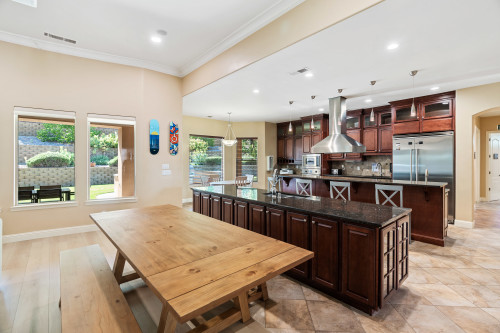
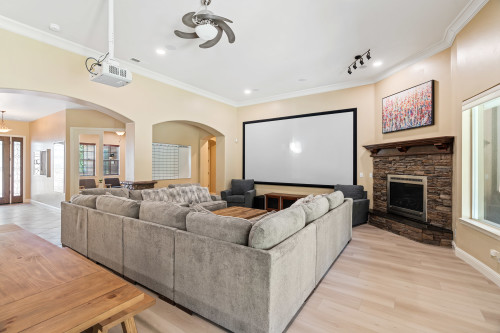
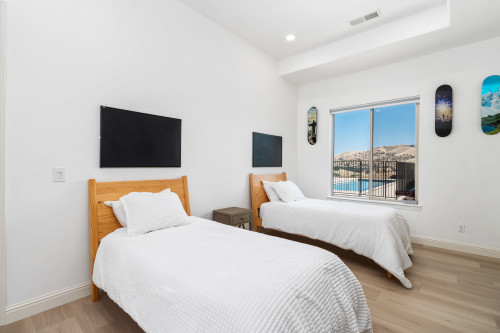
Muir Wood’s Clovis locations are located on 40 beautiful acres surrounded by nature, only a 20-minute drive to Point Reyes National Park, the magnificent redwoods of Muir Woods, and other destinations along the PCH. At their locations in Clovis, they offer clients a wide variety of recovery-friendly outings and activities, from trips to the historic Old Town to nature hiking in nearby Sierra National Forest. The houses and grounds of all of the campuses are modern, spacious, and comfortable. Boys enjoy activities like yoga, meditation, ping-pong, volleyball, basketball, board games, and sports. Executive chefs prepare 3 nutritious meals per day. Muir Wood includes the whole family in the healing process. Parents and caregivers are actively involved in every step, with weekly family therapy, education, and a 16-week aftercare program.

Center Overview
Treatment Focus
This center treats substance use disorders and mental health conditions. You'll receive individualized care catered to your unique situation and diagnosis, learn practical skills for recovery, and make new connections in a restorative environment.
Insurance Accepted






Cash Pay Rates
Estimated Cash Pay Rate
Center pricing can vary based on program and length of stay. Contact the center for more information. Recovery.com strives for price transparency so you can make an informed decision.
Meet Your Care Team

Dr. Ian Wolds
Chief Clinical Officer
Psy.D.

Christine Dooley
Clinical Director
LMFT

Barbara N.
Psychological Testing
Ph.D.

Christine P.
Eating Disorder Specialist
Psy.D, CEDS.
Larissa L..
Psychological Testing
Psy.D.

Oliver A.
Clinical Case Manager

Carissa C.
Associate Therapist
APCC

Shenaz H.
Psychiatric Mental Health Nurse Practitioner
PMHNP-BC

Tracey P.
Recovery Counselor

Lisa S.
Director of Nursing
RN, BSN

Susan H.
Nurse
RN

Rawland G.
Family Therapist, Co-Dependency Specialist
M.S.W., LCSW

Jeff E.
Single-Subject Credentialed Teacher
MBA

Pedro G.
Care Coordinator Manager

Amy R.-T
Care Coordinator

Freedom P.
Care Coordinator

Ricardo H.
Chef


Levels of Care


Your Care Options
Specializations
Alcohol
Using alcohol as a coping mechanism, or drinking excessively throughout the week, signals an alcohol use disorder.
Anxiety
Anxiety is a common mental health condition that can include excessive worry, panic attacks, physical tension, and increased blood pressure.
Co-Occurring Disorders
A person with multiple mental health diagnoses, such as addiction and depression, has co-occurring disorders also called dual diagnosis.
Depression
Symptoms of depression may include fatigue, a sense of numbness, and loss of interest in activities. This condition can range from mild to severe.
Trauma
Some traumatic events are so disturbing that they cause long-term mental health problems. Those ongoing issues can also be referred to as "trauma."
Who We Treat
Adolescents
Teens receive the treatment they need for mental health disorders and addiction, with the added support of educational and vocational services.
Approaches
Experiential
Expressive tools and therapies help patients process past situations, learn more about themselves, and find healing through action.
Family Involvement
Providers involve family in the treatment of their loved one through family therapy, visits, or both–because addiction is a family disease.
Gender-Specific
Separate treatment for men or women can create strong peer connections and remove barriers related to trauma, shame, and gender-specific nuances.
Holistic
A non-medicinal, wellness-focused approach that aims to align the mind, body, and spirit for deep and lasting healing.
Therapeutic Community
Therapeutic communities allow patients to contribute to the success and progress of their community, through healthy behaviors or even basic chores.
Twelve Step
Incorporating spirituality, community, and responsibility, 12-Step philosophies prioritize the guidance of a Higher Power and a continuation of 12-Step practices.
Therapies
Adventure Therapy
This experiential approach uses the physical and emotional challenges of outdoor activities as tools for personal growth.
Art Therapy
Visual art invites patients to examine the emotions within their work, focusing on the process of creativity and its gentle therapeutic power.
Experiential Therapy
With this approach, patients heal by doing. Therapists help patients process difficult emotions to speak, using guided activities like art or dance.
Family Therapy
Family therapy addresses group dynamics within a family system, with a focus on improving communication and interrupting unhealthy relationship patterns.
Life Skills
Teaching life skills like cooking, cleaning, clear communication, and even basic math provides a strong foundation for continued recovery.
Medication-Assisted Treatment
Combined with behavioral therapy, prescribed medications can enhance treatment by relieving withdrawal symptoms and focus patients on their recovery.
Languages
Conditions We Treat
ADHD, ADD
ADHD is a common mental health condition caused by dopamine imbalance. Common symptoms include inattention, hyperactivitiy, and impulsivity.
Anger
Although anger itself isn't a disorder, it can get out of hand. If this feeling interferes with your relationships and daily functioning, treatment can help.
Anxiety
Anxiety is a common mental health condition that can include excessive worry, panic attacks, physical tension, and increased blood pressure.
Bipolar
This mental health condition is characterized by extreme mood swings between depression, mania, and remission.
Depression
Symptoms of depression may include fatigue, a sense of numbness, and loss of interest in activities. This condition can range from mild to severe.
Eating Disorders
An eating disorder is a long-term pattern of unhealthy behavior relating to food. Most people with eating disorders have a distorted self-image.
Obsessive Compulsive Disorder (OCD)
OCD is characterized by intrusive and distressing thoughts that drive repetitive behaviors. This pattern disrupts daily life and relationships.
Personality Disorders
Personality disorders destabilize the way a person thinks, feels, and behaves. If untreated, they can undermine relationships and lead to severe distress.
Post Traumatic Stress Disorder
PTSD is a long-term mental health issue caused by a disturbing event or events. Symptoms include anxiety, dissociation, flashbacks, and intrusive thoughts.
Substances We Treat
Alcohol
Using alcohol as a coping mechanism, or drinking excessively throughout the week, signals an alcohol use disorder.
Benzodiazepines
Benzodiazepines are prescribed to treat anxiety and sleep issues. They are highly habit forming, and their abuse can cause mood changes and poor judgement.
Co-Occurring Disorders
A person with multiple mental health diagnoses, such as addiction and depression, has co-occurring disorders also called dual diagnosis.
Cocaine
Cocaine is a stimulant with euphoric effects. Agitation, muscle ticks, psychosis, and heart issues are common symptoms of cocaine abuse.
Drug Addiction
Drug addiction is the excessive and repetitive use of substances, despite harmful consequences to a person's life, health, and relationships.
Ecstasy
Ecstasy is a stimulant that causes intense euphoria and heightened awareness. Abuse of this drug can trigger depression, insomnia, and memory problems.
Heroin
Heroin is a highly addictive and illegal opioid. It can cause insomnia, collapsed veins, heart issues, and additional mental health issues.
Methamphetamine
Methamphetamine, or meth, increases energy, agitation, and paranoia. Long-term use can result in severe physical and mental health issues.
Aftercare
Care Designed for Your Needs
Amenities
Special Considerations
Gender-specific groups
Patients in gender-specific groups gain the opportunity to discuss challenges unique to their gender in a comfortable, safe setting conducive to healing.