- Addiction
- Mental Health
- About Us
Find Treatment By
Rehabs by Location


Find Treatment By
Learn
About Us
Recovery.com combines independent research with expert guidance on addiction and mental health treatment. Our mission is to help everyone find the best path to recovery through the most comprehensive, helpful network of treatment providers worldwide.
Advisory Council
Our advisory council brings together leaders in behavioral health, technology, and business. Their diverse expertise ensures our resources and product are innovative, evidence-based, and effective. They guide our mission as accomplished individuals dedicated to improving the landscape of addiction recovery and mental wellness.



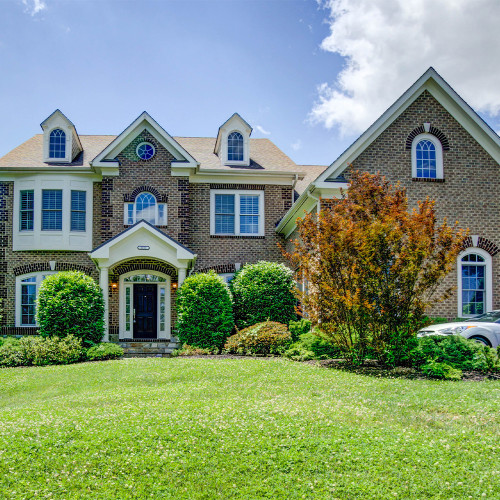
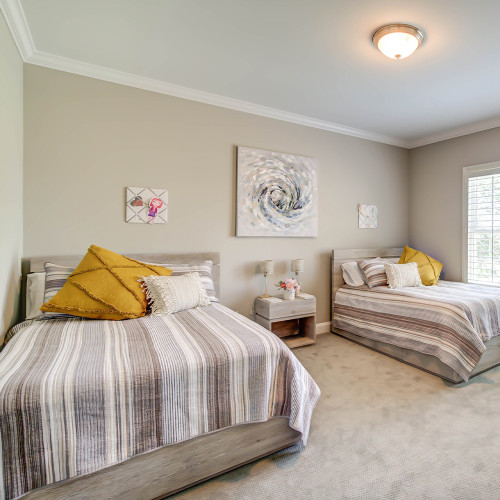
Newport Academy Virginia
Verified Center
This provider's information has been quality-checked by Recovery.com's Research Team for accuracy and completeness, including center verification through appropriate third-party organizations.
Treatment Focus
This center treats substance use disorders and mental health conditions. You'll receive individualized care catered to your unique situation and diagnosis, learn practical skills for recovery, and make new connections in a restorative environment.
Primary Level of Care
Offering intensive care with 24/7 monitoring, residential treatment is typically 30 days and can cover multiple levels of care. Length can range from 14 to 90 days typically.
Treatment Focus
This center treats substance use disorders and mental health conditions. You'll receive individualized care catered to your unique situation and diagnosis, learn practical skills for recovery, and make new connections in a restorative environment.
Primary Level of Care
Offering intensive care with 24/7 monitoring, residential treatment is typically 30 days and can cover multiple levels of care. Length can range from 14 to 90 days typically.
Provider's Policy
The insurances listed represent the current in-network partners for this location. While not shown here, Newport also accepts many out-of-network plans and are happy to work with you to explore coverage options.
Newport Academy Virginia
Newport Academy Virginia
About Newport Academy Virginia
Newport Academy strives to empower teens and restore families. They provide a comprehensive approach that blends evidence-based and holistic therapies. Therapy is broken into 4 categories: clinical, experiential, spiritual, and academic. Newport’s robust range of therapies includes body image group, gender-specific therapy, 12-Step, Bowen’s family system theory, equine therapy, music and art therapy, horticulture, culinary arts, and yoga.
Personalized And Family-Wide Recovery
Patients begin treatment with an assessment to properly gauge their needs and treatment requirements. From there, a personalized care team that includes counselors, nurses, a psychiatrist, and dietician continues to meet the needs of each teen. Newport Academy uses attachment-based family therapy (ABFT) to help rebuild familial relationships. Individual and group therapy connect patients to themselves and their peers, building a support network that Newport also extends to families.
Healing The Mind And Body
Newport Academy creates individualized treatment plans that include equine therapy, music and art, yoga, meditation, adventure therapy, and a host of evidence-based therapies. Horticulture therapy encourages teens to be outside and apply their skills to work in Newport’s gardens. They additionally provide outpatient programming and day schools for those who may need more flexibility. Their locations in Virginia keep teens close to nature, enhancing their care experience and privacy.
On-Site Academics And Comfortable Living
The program has a fully transferable high school curriculum, led by on-site teachers. Newport Academy provides individual tutoring, educational testing, and academic planning. Newport Academy in Virginia is located in a quiet residential neighborhood. The central location provides easy access to Washington DC and local attractions, fun for teens and their families. Newport’s campuses are also close to a 300-acre nature preserve along the Potomac River. During treatment, patients can enjoy a fitness center and outdoor lounge area.
Highlights from the Center
Highlights
These highlights are provided by and paid for by the center.
1-on-1 Counseling
Trauma-Informed Care
Adolescents
Eating Disorders Program
Center Overview
Treatment Focus
This center treats substance use disorders and mental health conditions. You'll receive individualized care catered to your unique situation and diagnosis, learn practical skills for recovery, and make new connections in a restorative environment.
Joint Commission Accredited
The Joint Commission accreditation is a voluntary, objective process that evaluates and accredits healthcare organizations (like treatment centers) based on performance standards designed to improve quality and safety for patients. To be accredited means the treatment center has been found to meet the Commission's standards for quality and safety in patient care.

Insurance Accepted




Cash Pay Rates
Estimated Cash Pay Rate
Center pricing can vary based on program and length of stay. Contact the center for more information. Recovery.com strives for price transparency so you can make an informed decision.


Recovery.com Verified Listing
Recovery.com verified that the name, location, contact information and license to operate for this treatment provider are valid and up-to-date.
Joint Commission Accredited

Licensed
Recovery.com is an independent, third-party mental health resource. Verification does not imply endorsement and does not guarantee the quality of treatment services.
Meet Your Care Team

Leigh McInnis
Executive Director
LPC

Prakash Thomas
Psychiatrist
MD

Gary Fedoroff
Director of Experiential Learning
MC, CADC II

Nicole Renée Matthews
Director of Yoga

Robyn Le Ann
Director of Equine Services

Megan Fullen
Director of Outpatient Services
MSW, LCSW

Ashley Silva
Director of Outpatient Services
MSW, LCSW-C

Michel Mennesson
Psychiatrist
MD

Samantha Quigneaux
National Director of Family Therapy Services
LMFT
Your Care Options
Specializations
Adolescents
Teens receive the treatment they need for mental health disorders and addiction, with the added support of educational and vocational services.
Anxiety
Anxiety is a common mental health condition that can include excessive worry, panic attacks, physical tension, and increased blood pressure.
Depression
Symptoms of depression may include fatigue, a sense of numbness, and loss of interest in activities. This condition can range from mild to severe.
Family Involvement
Providers involve family in the treatment of their loved one through family therapy, visits, or both–because addiction is a family disease.
Gaming
Compulsive gaming is most often a problem for children and teens. The disorder can affect physical health, sleep, and the ability to focus at school.
Music Therapy
Singing, performing, and even listening to music can be therapeutic. Music therapy sessions are facilitated by certified counselors.
Trauma
Some traumatic events are so disturbing that they cause long-term mental health problems. Those ongoing issues can also be referred to as "trauma."
Who We Treat
Adolescents
Teens receive the treatment they need for mental health disorders and addiction, with the added support of educational and vocational services.
Children
Treatment for children incorporates the psychiatric care they need and education, often led by on-site teachers to keep children on track with school.
Treatment Services
Licensed Primary Mental Health
Some primary care providers offer mental health diagnosis and treatment. This can prevent patients from developing more serious conditions.
Residential
In a residential rehab program, patients live onsite, with access to daily treatment and 24-hour care. An average stay is 30-90 days.
Approaches
Evidence-Based
A combination of scientifically rooted therapies and treatments make up evidence-based care, defined by their measured and proven results.
Experiential
Expressive tools and therapies help patients process past situations, learn more about themselves, and find healing through action.
Family Involvement
Providers involve family in the treatment of their loved one through family therapy, visits, or both–because addiction is a family disease.
Gender-Specific
Separate treatment for men or women can create strong peer connections and remove barriers related to trauma, shame, and gender-specific nuances.
Holistic
A non-medicinal, wellness-focused approach that aims to align the mind, body, and spirit for deep and lasting healing.
Individual Treatment
Individual care meets the needs of each patient, using personalized treatment to provide them the most relevant care and greatest chance of success.
Twelve Step
Incorporating spirituality, community, and responsibility, 12-Step philosophies prioritize the guidance of a Higher Power and a continuation of 12-Step practices.
Therapies
1-on-1 Counseling
Patient and therapist meet 1-on-1 to work through difficult emotions and behavioral challenges in a personal, private setting.
Acceptance and Commitment Therapy (ACT)
This cognitive behavioral therapy teaches patients to accept challenging feelings and make the appropriate changes to reach personal goals.
Adventure Therapy
This experiential approach uses the physical and emotional challenges of outdoor activities as tools for personal growth.
Art Therapy
Visual art invites patients to examine the emotions within their work, focusing on the process of creativity and its gentle therapeutic power.
Eye Movement Therapy (EMDR)
Lateral, guided eye movements help reduce the emotional reactions of retelling and reprocessing trauma, allowing intense feelings to dissipate.
Family Therapy
Family therapy addresses group dynamics within a family system, with a focus on improving communication and interrupting unhealthy relationship patterns.
Meditation & Mindfulness
A practiced state of mind that brings patients to the present. It allows them to become fully aware of themselves, their feelings, and the present moment.
Languages
Conditions We Treat
Anxiety
Anxiety is a common mental health condition that can include excessive worry, panic attacks, physical tension, and increased blood pressure.
Depression
Symptoms of depression may include fatigue, a sense of numbness, and loss of interest in activities. This condition can range from mild to severe.
Eating Disorders
An eating disorder is a long-term pattern of unhealthy behavior relating to food. Most people with eating disorders have a distorted self-image.
Gaming
Compulsive gaming is most often a problem for children and teens. The disorder can affect physical health, sleep, and the ability to focus at school.
Trauma
Some traumatic events are so disturbing that they cause long-term mental health problems. Those ongoing issues can also be referred to as "trauma."
Substances We Treat
Drug Addiction
Drug addiction is the excessive and repetitive use of substances, despite harmful consequences to a person's life, health, and relationships.
Aftercare
Care Designed for Your Needs
Personal Amenities
Amenities
Special Considerations
Healthy Meals are provided
Great food meets great treatment, with providers serving healthy meals to restore nutrition, wellbeing, and health.
Activities
Yoga
Yoga is both a physical and spiritual practice. It includes a flow of movement, breathing techniques, and meditation.
Off-Site Activities
Off-Site Amenities
Learn More About the Center
Common Questions for Newport Academy
Newport Academy answers questions about their treatment environment, communication, and more.
Proven Outcomes
See the success of Newport Academy, measured by Drexel University to highlight their treatment efficacy.
Alumni Stories And Reviews
Read what alumni are saying about Newport Academy, and watch testimonial videos to learn more about others’ experiences.
Why Newport Academy?
Learn how Newport Academy has set themselves apart from the rest–download a PDF or read through their approach highlights.