- Addiction
- Mental Health
- About Us
Find Treatment By
Rehabs by Location


Find Treatment By
Learn
About Us
Recovery.com combines independent research with expert guidance on addiction and mental health treatment. Our mission is to help everyone find the best path to recovery through the most comprehensive, helpful network of treatment providers worldwide.
Advisory Council
Our advisory council brings together leaders in behavioral health, technology, and business. Their diverse expertise ensures our resources and product are innovative, evidence-based, and effective. They guide our mission as accomplished individuals dedicated to improving the landscape of addiction recovery and mental wellness.




Oro House Recovery
Verified Center
This provider's information has been quality-checked by Recovery.com's Research Team for accuracy and completeness, including center verification through appropriate third-party organizations.
Treatment Focus
This center treats substance use disorders and co-occurring mental health conditions. Your treatment plan addresses each condition at once with personalized, compassionate care for comprehensive healing.
Primary Level of Care
Offering intensive care with 24/7 monitoring, residential treatment is typically 30 days and can cover multiple levels of care. Length can range from 14 to 90 days typically.
Treatment Focus
This center treats substance use disorders and co-occurring mental health conditions. Your treatment plan addresses each condition at once with personalized, compassionate care for comprehensive healing.
Primary Level of Care
Offering intensive care with 24/7 monitoring, residential treatment is typically 30 days and can cover multiple levels of care. Length can range from 14 to 90 days typically.
Provider's Policy
Oro House Recovery Centers accepts most PPO insurance plans to cover treatment after deductibles. In addition, their Los Angeles Detox/Residential Facility and their Malibu Outpatient Program are both in-network with Anthem Blue Cross and First Health, with more coming soon. Contact Oro's admissions team for more details and to verify insurance. Oro House is unable to accept Medicaid, Medicare, MediCal, or any state funded insurance policies.
Oro House Recovery
Oro House Recovery
About Oro House Recovery
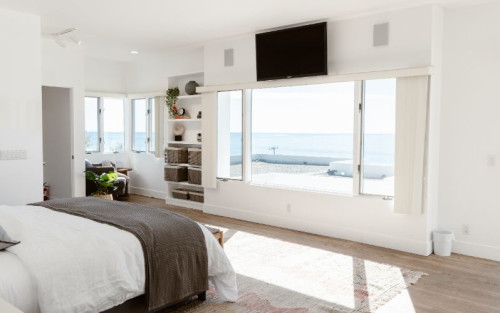
Oro House Recovery treats drug and alcohol addiction through detox, residential, and outpatient care, all grounded in their Compassionate Care Model®—a non-12-Step approach built on connection. With sweeping ocean views and one of the highest staff-to-client ratios in the field, they create a restorative environment where treatment is deeply personal and goal-oriented. Consistently ranked among California’s top 3 addiction treatment centers by Newsweek, Oro House empowers each client as the captain of their dedicated team of 5-6 staff members, shaping their own recovery journey and a life beyond addiction.
Experience Non-12-Step, Compassionate Care
Oro House’s Compassionate Care Model® replaces the traditional behavior-modification model with individualized treatment grounded in dignity, authenticity, and respect. Their philosophy centers on “Connection, Not Control,” recognizing that recovery is deeply personal and non-linear. Through evidence-based therapies, holistic practices, and a non-12-step framework, clients are supported as whole people—not diagnoses—guided by their unique stories, strengths, and paths toward sustainable, fulfilling recovery.
Transform with a Personalized Therapeutic Mix
Oro House uses evidence-based modalities in individual and group therapy sessions, and the techniques learned become tools for long-lasting sobriety. Their diverse approaches target core beliefs, emotional regulation, and motivation, while also healing trauma and building resilience. From cognitive therapies and experiential practices to mind-body and neurobiological treatments, each modality is selected to meet clients where they are and support meaningful, lasting change across every layer of recovery.
Savor High-End Living on the Coast
Oro House offers modern, light-filled accommodations with private or shared rooms, each with a semi-private patio and large flat-screen TV. Clients enjoy gourmet chef-prepared meals, unlimited healthy snacks, daily housekeeping, and amenities like a Jacuzzi, pool, and outdoor BBQ area. Access to Southern California’s beaches and lifestyle activities—including surfing, hiking, and gym memberships—create an experience designed for comfort, restoration, and holistic wellbeing.

Highlights from the Center
Highlights
These highlights are provided by and paid for by the center.
Therapeutic Location
Customized Treatment Plans
Perfect for Professionals
Master's and Doctoral Level Therapists
Center Overview
Treatment Focus
This center treats substance use disorders and co-occurring mental health conditions. Your treatment plan addresses each condition at once with personalized, compassionate care for comprehensive healing.
Joint Commission Accredited
The Joint Commission accreditation is a voluntary, objective process that evaluates and accredits healthcare organizations (like treatment centers) based on performance standards designed to improve quality and safety for patients. To be accredited means the treatment center has been found to meet the Commission's standards for quality and safety in patient care.
Insurance Accepted







Cash Pay Rates
Estimated Cash Pay Rate
Center pricing can vary based on program and length of stay. Contact the center for more information. Recovery.com strives for price transparency so you can make an informed decision.



Recovery.com Verified Listing
Recovery.com verified that the name, location, contact information and license to operate for this treatment provider are valid and up-to-date.
Joint Commission Accredited

Licensed by California DHCS
Recovery.com is an independent, third-party mental health resource. Verification does not imply endorsement and does not guarantee the quality of treatment services.
Meet Your Care Team

Bob Forrest
Program Founder

Lyndsey Vroman
Executive Director
CADC-II, ICADC
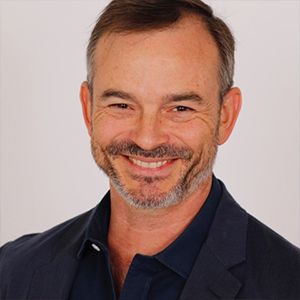
Dr. Jason Giles
Board Certified Addictionologist
MD

Dr. Aneta Prince
Medical Doctor, Specializes in Integrative Psychiatry
MD

Dr. Daniel Son
Medical Doctor
MD

Tamra Lutzker
Registered Nurse
RN

David Cisneros
Clinical Director
LMFT

Dr. Giovanni Aponte
Licensed Psychologist, Clinical Supervisor
PHD

Dr. Rudy Lugo-Rios
Psychologist
PSYD

Itay Kohane
Psychologist
PSYD

Stella Cuomo
Primary Therapist
MSW, ASW

Gabrielle Samuels
Primary Therapist
LMFT
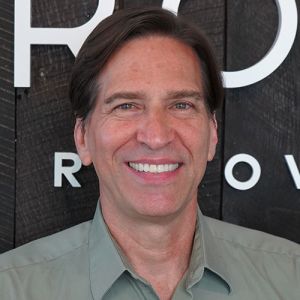
Darrin Kagele
Primary Therapist
M.A., LMFT
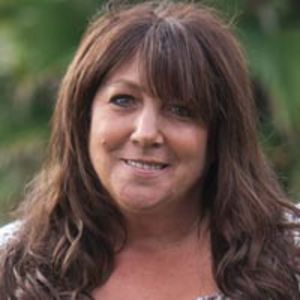
Jodi Wagner
Director of Case Management and After Care Planning
CADC-II, CSC

Corey Cardenas
Equine Specialist
HIGH and EAGALA Certified Equine Specialist
Your Care Options
Specializations
Alcohol
Using alcohol as a coping mechanism, or drinking excessively throughout the week, signals an alcohol use disorder.
Executives
Executive treatment programs typically directly support the needs of people who manage businesses and may provide flexible schedules and office space to allow work during treatment.
Young Adults
Emerging adults ages 18-25 receive treatment catered to the unique challenges of early adulthood, like college, risky behaviors, and vocational struggles.
Non 12 Step
Non-12-Step philosophies veer from the spiritual focus of the 12-Steps and instead treat the disease of addiction with holistic or secular modalities.
Prescription Drugs
It's possible to abuse any drug, even prescribed ones. If you crave a medication, or regularly take it more than directed, you may have an addiction.
Professionals
Busy, high-ranking professionals get the personalized treatment they need with greater accommodations for work, privacy, and outside communication.
Who We Treat
Executives
Executive treatment programs typically directly support the needs of people who manage businesses and may provide flexible schedules and office space to allow work during treatment.
Young Adults
Emerging adults ages 18-25 receive treatment catered to the unique challenges of early adulthood, like college, risky behaviors, and vocational struggles.
LGBTQ+
Addiction and mental illnesses in the LGBTQ+ community must be treated with an affirming, safe, and relevant approach, which many centers provide.
Midlife Adults
For adults ages 40+, treatment shifts to focus on the unique challenges, blocks, and risk factors of their age group, and unites peers in a similar community.
Professionals
Busy, high-ranking professionals get the personalized treatment they need with greater accommodations for work, privacy, and outside communication.
Treatment Services
Day Treatment
In a PHP, patients live at home but follow an intensive schedule of treatment. Most programs require you to be on-site for about 40 hours per week.
Detox
Detox fully and safely removes toxic substances from the body, allowing the next steps in treatment to begin with a clean slate.
Outpatient
During outpatient rehab, patients attend a structured treatment program while continuing to live at home.
Residential
In a residential rehab program, patients live onsite, with access to daily treatment and 24-hour care. An average stay is 30-90 days.
Approaches
Evidence-Based
A combination of scientifically rooted therapies and treatments make up evidence-based care, defined by their measured and proven results.
Holistic
A non-medicinal, wellness-focused approach that aims to align the mind, body, and spirit for deep and lasting healing.
Individual Treatment
Individual care meets the needs of each patient, using personalized treatment to provide them the most relevant care and greatest chance of success.
Non 12 Step
Non-12-Step philosophies veer from the spiritual focus of the 12-Steps and instead treat the disease of addiction with holistic or secular modalities.
Therapies
1-on-1 Counseling
Patient and therapist meet 1-on-1 to work through difficult emotions and behavioral challenges in a personal, private setting.
Acceptance and Commitment Therapy (ACT)
This cognitive behavioral therapy teaches patients to accept challenging feelings and make the appropriate changes to reach personal goals.
Animal Therapy
Animals can inspire trust and self-worth. In this experiential therapy, guided interactions are used to improve social skills and emotion regulation.
Art Therapy
Visual art invites patients to examine the emotions within their work, focusing on the process of creativity and its gentle therapeutic power.
Equine Therapy
Guided interactions with trained horses, their handler, and a therapist can help patients improve their self-esteem, trust, empathy, and social skills.
Eye Movement Therapy (EMDR)
Lateral, guided eye movements help reduce the emotional reactions of retelling and reprocessing trauma, allowing intense feelings to dissipate.
Languages
Conditions We Treat
ADHD, ADD
ADHD is a common mental health condition caused by dopamine imbalance. Common symptoms include inattention, hyperactivitiy, and impulsivity.
Anxiety
Anxiety is a common mental health condition that can include excessive worry, panic attacks, physical tension, and increased blood pressure.
Bipolar
This mental health condition is characterized by extreme mood swings between depression, mania, and remission.
Codependency
Codependency is a pattern of emotional dependence and controlling behavior. It's most common among people with addicted loved ones.
Depression
Symptoms of depression may include fatigue, a sense of numbness, and loss of interest in activities. This condition can range from mild to severe.
Grief and Loss
Grief is a natural reaction to loss, but severe grief can interfere with your ability to function. You can get treatment for this condition.
Personality Disorders
Personality disorders destabilize the way a person thinks, feels, and behaves. If untreated, they can undermine relationships and lead to severe distress.
Post Traumatic Stress Disorder
PTSD is a long-term mental health issue caused by a disturbing event or events. Symptoms include anxiety, dissociation, flashbacks, and intrusive thoughts.
Trauma
Some traumatic events are so disturbing that they cause long-term mental health problems. Those ongoing issues can also be referred to as "trauma."
Substances We Treat
Alcohol
Using alcohol as a coping mechanism, or drinking excessively throughout the week, signals an alcohol use disorder.
Benzodiazepines
Benzodiazepines are prescribed to treat anxiety and sleep issues. They are highly habit forming, and their abuse can cause mood changes and poor judgement.
Co-Occurring Disorders
A person with multiple mental health diagnoses, such as addiction and depression, has co-occurring disorders also called dual diagnosis.
Cocaine
Cocaine is a stimulant with euphoric effects. Agitation, muscle ticks, psychosis, and heart issues are common symptoms of cocaine abuse.
Drug Addiction
Drug addiction is the excessive and repetitive use of substances, despite harmful consequences to a person's life, health, and relationships.
Ecstasy
Ecstasy is a stimulant that causes intense euphoria and heightened awareness. Abuse of this drug can trigger depression, insomnia, and memory problems.
Heroin
Heroin is a highly addictive and illegal opioid. It can cause insomnia, collapsed veins, heart issues, and additional mental health issues.
Methamphetamine
Methamphetamine, or meth, increases energy, agitation, and paranoia. Long-term use can result in severe physical and mental health issues.
Opioids
Opioids produce pain-relief and euphoria, which can lead to addiction. This class of drugs includes prescribed medication and the illegal drug heroin.
Aftercare
Care Designed for Your Needs
Personal Amenities
Amenities
Special Considerations
Flexible technology policies
Centers with flexible technology policies allow professionals to stay in touch with work and give patients a greater sense of connection and normalcy.
Gender-specific groups
Patients in gender-specific groups gain the opportunity to discuss challenges unique to their gender in a comfortable, safe setting conducive to healing.
Young Adults Program
Programs for young adults bring teens 18+ together to discuss age-specific challenges, vocational and educational progress, and successes in treatment.
Executive Program
Addiction and mental health treatment for executives typically involves high discretion, greater technology access, and more private, 1-on-1 care.
Activities
Off-Site Activities
Off-Site Amenities
Learn More About the Center
The Oro House Manifesto
Read the 9 principles that guide Oro House’s staff and approach.
Transcranial Magnetic Stimulation for Depression
Learn about this non-invasive treatment that can alleviate depression symptoms.
Compassionate Care Model
Find out why Oro House created their own care philosophy to give clients the greatest change of recovery.
Oro Named Best Addiction Treatment Center in California
Oro House Recovery Centers® voted Best Addiction Treatment Center 2022 in California (Newsweek).
What people are saying
Treatment
5.0
Accommodations
5.0
Food & Nutrition
5.0
Value
5.0
Pros
- Supportive Aftercare (2)
- Smooth Transition (2)
- Cares About Client (2)
- Communicates Client's Progress (2)
Rita L
Treatment in 2025 • (180+ days) • Reviewed 07/16/25
Loved One of a Former Client
Anonymous
Reviewed 04/08/23
Referring Professional
•Licensed Therapist
Gabrielle B. Samuels, LMFT
Reviewed 04/11/23
Referring Professional
•Licensed Marriage & Family Therapist