- Addiction
- Mental Health
- About Us
Find Treatment By
Rehabs by Location


Find Treatment By
Learn
About Us
Recovery.com combines independent research with expert guidance on addiction and mental health treatment. Our mission is to help everyone find the best path to recovery through the most comprehensive, helpful network of treatment providers worldwide.
Advisory Council
Our advisory council brings together leaders in behavioral health, technology, and business. Their diverse expertise ensures our resources and product are innovative, evidence-based, and effective. They guide our mission as accomplished individuals dedicated to improving the landscape of addiction recovery and mental wellness.
Amen Clinics Los Angeles
Treatment Focus
This center treats mental health conditions and co-occurring substance use. You receive collaborative, individualized treatment that addresses both issues for whole-person healing.
Primary Level of Care
Outpatient treatment offers flexible therapeutic and medical care without the need to stay overnight in a hospital or inpatient facility. Some centers offer intensive outpatient program (IOP), which falls between inpatient care and traditional outpatient service.
Claimed
Recovery.com has connected directly with this treatment provider to validate the information in their profile.
Treatment Focus
This center treats mental health conditions and co-occurring substance use. You receive collaborative, individualized treatment that addresses both issues for whole-person healing.
Primary Level of Care
Outpatient treatment offers flexible therapeutic and medical care without the need to stay overnight in a hospital or inpatient facility. Some centers offer intensive outpatient program (IOP), which falls between inpatient care and traditional outpatient service.
Provider's Policy
Amen Clinics, Inc. does not bill insurance. At the end of the evaluation, clients are given a “walk-out statement” containing applicable diagnosis and billing codes, which can then be submitted to insurance companies for possible out-of-network reimbursement.
Amen Clinics Los Angeles
Amen Clinics Los Angeles
About Amen Clinics Los Angeles
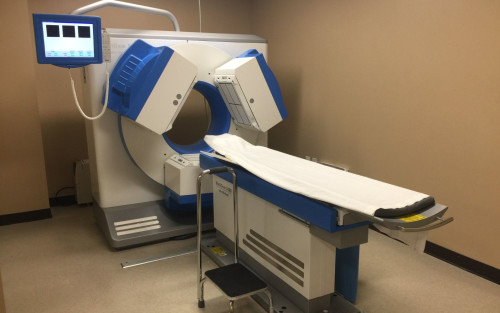
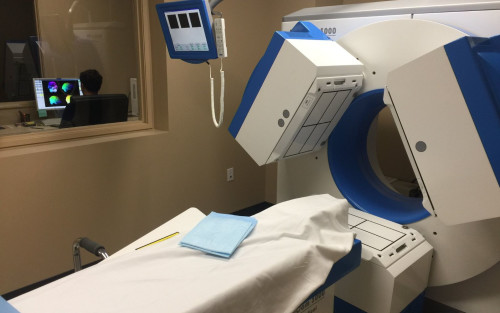
Amen Clinics Los Angeles takes a neurological focus to treating mental health disorders, eating disorders, drug addictions, and behavior addictions. They meet clients and perform a brain scan at their clinic. From the scans and conversation, Amen Clinics works with clients and their families to provide outpatient care tailored to the clients' needs. Amen Clinics considers "mental health" as a part of "brain health".
The name Amen Clinics comes from their founder, Dr. Daniel G. Amen, who opened this chain of clinics in 1996.
What They Treat
Amen Clinics treats a wide variety of mental and physical conditions related to the brain, including attention deficit hyperactive disorder (ADHD), anger, intermittent explosive disorder, anxiety, depression (including post-partum depression), bipolar disorder, mania, hypomania, body dysmorphic disorder, borderline personality disorder (BPD), brain optimization, concussions, dissociative disorders, eating disorders, emotional trauma, physical brain trauma, addictions, hormonal imbalances, learning disabilities, lyme disease and other infections, dementia and other memory problems, multiple personality disorder, narcissism, obsessive compulsive disorder (OCD), oppositional defiant disorder (ODD), panic disorder, panic attacs, phobias, post-traumatic stress disorder, postpartum depression, psychosis, schizophrenia, schizoaffective disorder, seasonal affective disorder (SAD), self-esteem issues, self-harm, suicidality, sleep disorders, exposure to toxins, and weight issues.
Amen Clinics treats addictions to alcohol, drugs, sex, pornography, gambling, gaming, internet, shopping, and other behaviors.
The eating disorders they treat include include anorexia nervosa, bulimia nervosa, binge-eating disorders, orthorexia, pica, rumination disorder, avoidant/restrictive food intake disorder (ARFID), and other specific feeding or eating disorder (OSFED).
Who They Treat
Amen Clinics treats children, adolescents, adults, and couples.
How They Treat
The treatment plans that Amen Clinics create can include individual and family talk therapy like cognitive behavioral therapy (CBT), eye movement desensitization and reprocessing (EMDR), neurofeedback, interactive metronome training, medication management, IV nutrient therapy, hyperbaric oxygen therapy. Their extensive biomedical treatments stand out from most clinics, which rely mostly on talk therapy and medication management
Where They Treat
In addition to their location in the L.A. metro area, Amen Clinics operates 10 clinics in other large cities with the same treatment options, including one in nearby Orange County.
After the initial brain scan and assessment, clients can meet their therapists onsite or virtually.
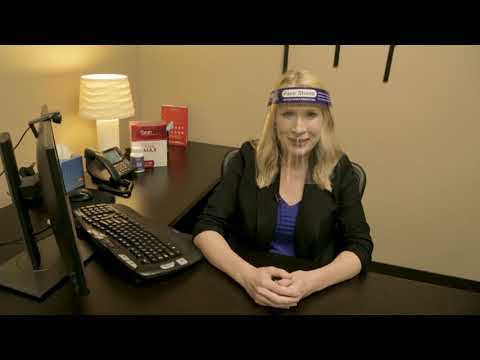
Center Overview
Treatment Focus
This center treats mental health conditions and co-occurring substance use. You receive collaborative, individualized treatment that addresses both issues for whole-person healing.

Insurance Accepted
Pricing and Program Length
Estimated Center Costs
Center pricing can vary based on program and length of stay. Contact the center for more information. Recovery.com strives for price transparency so you can make an informed decision.
Meet Your Care Team
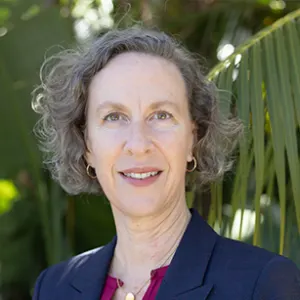
Julie Brush
Naturopathic Doctor
ND
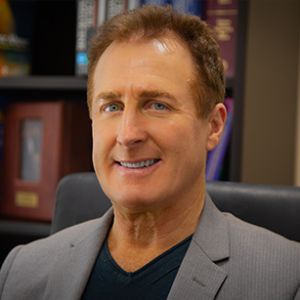
Jay Faber
Child, Adult, Clinical, & Forensic Psychiatrist
MD
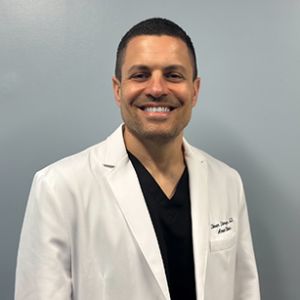
Steven Storage
Child, Adolescent, & Adult Psychiatrist
MD

Chelsea Durham
Clinic Director
Sarah Hertzberg
Lead Clinical Outreach Manager

Jessi Guenther
Regional Clinical Outreach Director | Western Division
Jasmine Hernandez
Clinical Outreach Manager
Levels of Care


Your Care Options
Specializations
Bio-Medical
A philosophy focusing on the biomechanics behind mental health disorders, using prescribed medications as a supplement to behavioral therapy.
Depression
Symptoms of depression may include fatigue, a sense of numbness, and loss of interest in activities. This condition can range from mild to severe.
Eye Movement Therapy (EMDR)
Lateral, guided eye movements help reduce the emotional reactions of retelling and reprocessing trauma, allowing intense feelings to dissipate.
Pregnant Women
Addiction and mental health treatment meets the clinical and psychological needs of pregnant women, ensuring they receive optimal care in all areas.
Who We Treat
Adolescents
Teens receive the treatment they need for mental health disorders and addiction, with the added support of educational and vocational services.
Children
Treatment for children incorporates the psychiatric care they need and education, often led by on-site teachers to keep children on track with school.
Men and Women
Men and women attend treatment for addiction in a co-ed setting, going to therapy groups together to share experiences, struggles, and successes.
Pregnant Women
Addiction and mental health treatment meets the clinical and psychological needs of pregnant women, ensuring they receive optimal care in all areas.
Approaches
Bio-Medical
A philosophy focusing on the biomechanics behind mental health disorders, using prescribed medications as a supplement to behavioral therapy.
Evidence-Based
A combination of scientifically rooted therapies and treatments make up evidence-based care, defined by their measured and proven results.
Family Involvement
Providers involve family in the treatment of their loved one through family therapy, visits, or both–because addiction is a family disease.
Individual Treatment
Individual care meets the needs of each patient, using personalized treatment to provide them the most relevant care and greatest chance of success.
Medical
Medical addiction treatment uses approved medications to manage withdrawals and cravings, and to treat contributing mental health conditions.
Personalized Treatment
The specific needs, histories, and conditions of individual patients receive personalized, highly relevant care throughout their recovery journey.
Therapies
1-on-1 Counseling
Patient and therapist meet 1-on-1 to work through difficult emotions and behavioral challenges in a personal, private setting.
Couples Counseling
Partners work to improve their communication patterns, using advice from their therapist to better their relationship and make healthy changes.
Eye Movement Therapy (EMDR)
Lateral, guided eye movements help reduce the emotional reactions of retelling and reprocessing trauma, allowing intense feelings to dissipate.
Family Therapy
Family therapy addresses group dynamics within a family system, with a focus on improving communication and interrupting unhealthy relationship patterns.
Neurofeedback
During therapy, patients observe their own brain waves as interpreted by an EEG. This empowers them to understand and regulate emotional responses.
Nutrition Counseling
Nutritious food helps patients heal from within, setting them up for mental and bodily wellness as they learn about healthy eating.
Online Therapy
Patients can connect with a therapist via videochat, messaging, email, or phone. Remote therapy makes treatment more accessible.
Relapse Prevention Counseling
Relapse prevention counselors teach patients to recognize the signs of relapse and reduce their risk.
Languages
Conditions We Treat
ADHD, ADD
ADHD is a common mental health condition caused by dopamine imbalance. Common symptoms include inattention, hyperactivitiy, and impulsivity.
Anger
Although anger itself isn't a disorder, it can get out of hand. If this feeling interferes with your relationships and daily functioning, treatment can help.
Anxiety
Anxiety is a common mental health condition that can include excessive worry, panic attacks, physical tension, and increased blood pressure.
Bipolar
This mental health condition is characterized by extreme mood swings between depression, mania, and remission.
Depression
Symptoms of depression may include fatigue, a sense of numbness, and loss of interest in activities. This condition can range from mild to severe.
Eating Disorders
An eating disorder is a long-term pattern of unhealthy behavior relating to food. Most people with eating disorders have a distorted self-image.
Gambling
Excessive, repetitive gambling causes financial and interpersonal problems. This addiction can interfere with work, friendships, and familial relationships.
Gaming
Compulsive gaming is most often a problem for children and teens. The disorder can affect physical health, sleep, and the ability to focus at school.
Internet Addiction
Internet addiction is common among children teens. This compulsive disorder can damage relationships, school performance, sleep habits, and physical health.
Substances We Treat
Alcohol
Using alcohol as a coping mechanism, or drinking excessively throughout the week, signals an alcohol use disorder.
Co-Occurring Disorders
A person with multiple mental health diagnoses, such as addiction and depression, has co-occurring disorders also called dual diagnosis.
Drug Addiction
Drug addiction is the excessive and repetitive use of substances, despite harmful consequences to a person's life, health, and relationships.
Care Designed for Your Needs
Special Considerations
Couples program
Using gentle clinical care, therapists guide patients and their partner through guided sessions to address issues and work towards lasting solutions.