- Addiction
- Mental Health
- About Us
Find Treatment By
Rehabs by Location


Find Treatment By
Learn
About Us
Recovery.com combines independent research with expert guidance on addiction and mental health treatment. Our mission is to help everyone find the best path to recovery through the most comprehensive, helpful network of treatment providers worldwide.
Advisory Council
Our advisory council brings together leaders in behavioral health, technology, and business. Their diverse expertise ensures our resources and product are innovative, evidence-based, and effective. They guide our mission as accomplished individuals dedicated to improving the landscape of addiction recovery and mental wellness.

Arise Recovery Arlington
Treatment Focus
This center primarily treats substance use disorders, helping you stabilize, create relapse-prevention plans, and connect to compassionate support.
Primary Level of Care
Outpatient treatment offers flexible therapeutic and medical care without the need to stay overnight in a hospital or inpatient facility. Some centers offer intensive outpatient program (IOP), which falls between inpatient care and traditional outpatient service.
Claimed
Recovery.com has connected directly with this treatment provider to validate the information in their profile.
Treatment Focus
This center primarily treats substance use disorders, helping you stabilize, create relapse-prevention plans, and connect to compassionate support.
Primary Level of Care
Outpatient treatment offers flexible therapeutic and medical care without the need to stay overnight in a hospital or inpatient facility. Some centers offer intensive outpatient program (IOP), which falls between inpatient care and traditional outpatient service.
Provider's Policy
We are in network with Scott & White Health Plan and the companies listed below. We also work with commercial policies that have out-of-network benefits. We will verify your benefits for you in order to estimate what your insurance will pay.
Arise Recovery Arlington
Arise Recovery Arlington
About Arise Recovery Arlington
Personalized Care with Clinical Expertise
Arise Recovery Centers offers flexible, intensive outpatient treatment tailored to each client’s needs. Their team includes master’s-level counselors with advanced credentials, blending 12-Step principles with evidence-based therapies such as cognitive behavioral therapy (CBT), dialectical behavior therapy (DBT), eye movement desensitization and reprocessing (EMDR), relapse prevention, and life skills training.
A Flexible Structure for Real Life
Clients can access programming in either morning or afternoon sessions. Each client receives 1 hour of individual counseling per week, along with 2 dedicated family sessions over the course of the program. Group therapy takes place 3 times a week, with sessions lasting 3 hours and typically including 8–12 participants. The intensive outpatient program (IOP) includes 10 hours of clinical care per week, with an average length of 8 weeks. For clients in need of medical detox, Arise coordinates with trusted hospitals and detox facilities to ensure a safe and supportive withdrawal process.
Program Options and Weekly Schedule
Arise offers 2 main levels of outpatient care to meet different needs:
The day program, or partial hospital program (PHP), runs Monday, Tuesday, Thursday, and Friday from 9 a.m. to noon, followed by a lunch break and afternoon sessions from 1 to 4 p.m.
The intensive outpatient program (IOP) and “supportive outpatient program” (SOP) are available Monday, Tuesday, and Thursday with 2 scheduling options: morning sessions from 9 to noon or evening sessions from 6 to 9 p.m.
Convenient Care in Arlington
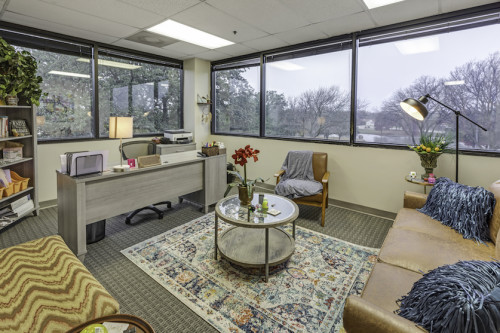
Set in downtown Arlington, this office is situated near a blend of residential and commercial areas, offering easy access to surrounding shopping centers, parks, and major roads. It’s a central spot for those living in the mid-cities region between Dallas and Fort Worth.
Welcoming Locations Across Texas
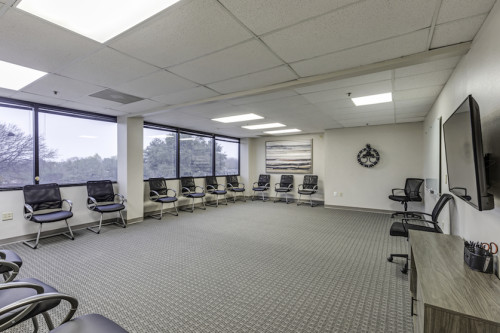
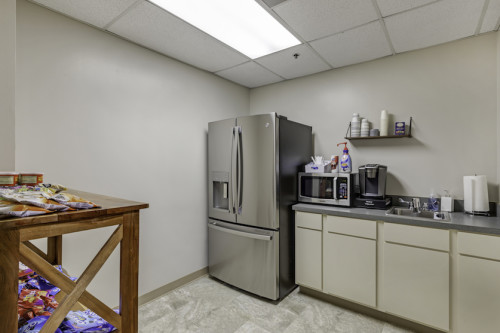
Arise Recovery Centers operates multiple locations throughout major metro areas in east Texas, including Dallas, Houston, and Austin. Each center offers a clean, comfortable environment designed to support healing. Arise also provides virtual group therapy to Texans, making care accessible to clients across the state.
Center Overview
Treatment Focus
This center primarily treats substance use disorders, helping you stabilize, create relapse-prevention plans, and connect to compassionate support.
Joint Commission Accredited
The Joint Commission accreditation is a voluntary, objective process that evaluates and accredits healthcare organizations (like treatment centers) based on performance standards designed to improve quality and safety for patients. To be accredited means the treatment center has been found to meet the Commission's standards for quality and safety in patient care.
Insurance Accepted





Cash Pay Rates
Estimated Cash Pay Rate
Center pricing can vary based on program and length of stay. Contact the center for more information. Recovery.com strives for price transparency so you can make an informed decision.
Levels of Care


Your Care Options
Specializations
Alcohol
Using alcohol as a coping mechanism, or drinking excessively throughout the week, signals an alcohol use disorder.
Drug Addiction
Drug addiction is the excessive and repetitive use of substances, despite harmful consequences to a person's life, health, and relationships.
Individual Treatment
Individual care meets the needs of each patient, using personalized treatment to provide them the most relevant care and greatest chance of success.
Who We Treat
Men and Women
Men and women attend treatment for addiction in a co-ed setting, going to therapy groups together to share experiences, struggles, and successes.
Approaches
Evidence-Based
A combination of scientifically rooted therapies and treatments make up evidence-based care, defined by their measured and proven results.
Experiential
Expressive tools and therapies help patients process past situations, learn more about themselves, and find healing through action.
Twelve Step
Incorporating spirituality, community, and responsibility, 12-Step philosophies prioritize the guidance of a Higher Power and a continuation of 12-Step practices.
Therapies
1-on-1 Counseling
Patient and therapist meet 1-on-1 to work through difficult emotions and behavioral challenges in a personal, private setting.
Experiential Therapy
With this approach, patients heal by doing. Therapists help patients process difficult emotions to speak, using guided activities like art or dance.
Eye Movement Therapy (EMDR)
Lateral, guided eye movements help reduce the emotional reactions of retelling and reprocessing trauma, allowing intense feelings to dissipate.
Family Therapy
Family therapy addresses group dynamics within a family system, with a focus on improving communication and interrupting unhealthy relationship patterns.
Life Skills
Teaching life skills like cooking, cleaning, clear communication, and even basic math provides a strong foundation for continued recovery.
Online Therapy
Patients can connect with a therapist via videochat, messaging, email, or phone. Remote therapy makes treatment more accessible.
Languages
Substances We Treat
Alcohol
Using alcohol as a coping mechanism, or drinking excessively throughout the week, signals an alcohol use disorder.
Cocaine
Cocaine is a stimulant with euphoric effects. Agitation, muscle ticks, psychosis, and heart issues are common symptoms of cocaine abuse.
Drug Addiction
Drug addiction is the excessive and repetitive use of substances, despite harmful consequences to a person's life, health, and relationships.
Ecstasy
Ecstasy is a stimulant that causes intense euphoria and heightened awareness. Abuse of this drug can trigger depression, insomnia, and memory problems.
Heroin
Heroin is a highly addictive and illegal opioid. It can cause insomnia, collapsed veins, heart issues, and additional mental health issues.
Methamphetamine
Methamphetamine, or meth, increases energy, agitation, and paranoia. Long-term use can result in severe physical and mental health issues.
Opioids
Opioids produce pain-relief and euphoria, which can lead to addiction. This class of drugs includes prescribed medication and the illegal drug heroin.
Prescription Drugs
It's possible to abuse any drug, even prescribed ones. If you crave a medication, or regularly take it more than directed, you may have an addiction.
Synthetic Drugs
Synthetic drugs are made in a lab, unlike plant-based drugs like mushrooms. Most synthetic drugs are either stimulants or synthetic cannabinoids.
Aftercare
Care Designed for Your Needs
Amenities
Special Considerations
First Responders Program
Paramedics, police officers, firefighters, and others join in a specific First Responders program, usually focused on trauma, grief, and work-life balance.