- Addiction
- Mental Health
- About Us
Find Treatment By
Rehabs by Location


Find Treatment By
Learn
About Us
Recovery.com combines independent research with expert guidance on addiction and mental health treatment. Our mission is to help everyone find the best path to recovery through the most comprehensive, helpful network of treatment providers worldwide.
Advisory Council
Our advisory council brings together leaders in behavioral health, technology, and business. Their diverse expertise ensures our resources and product are innovative, evidence-based, and effective. They guide our mission as accomplished individuals dedicated to improving the landscape of addiction recovery and mental wellness.

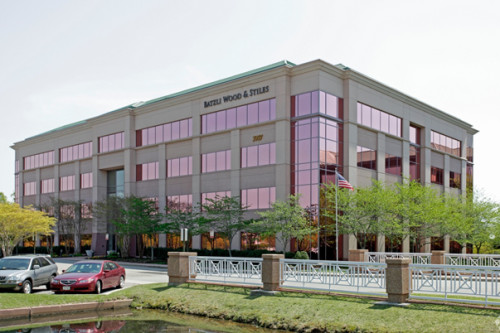
Aster Springs Richmond Outpatient
Treatment Focus
You can get treatment for eating disorders at this center, helping you navigate symptoms, build coping tools, and restore your physical health under expert care.
Primary Level of Care
Outpatient treatment offers flexible therapeutic and medical care without the need to stay overnight in a hospital or inpatient facility. Some centers offer intensive outpatient program (IOP), which falls between inpatient care and traditional outpatient service.
Claimed
Recovery.com has connected directly with this treatment provider to validate the information in their profile.
Treatment Focus
You can get treatment for eating disorders at this center, helping you navigate symptoms, build coping tools, and restore your physical health under expert care.
Primary Level of Care
Outpatient treatment offers flexible therapeutic and medical care without the need to stay overnight in a hospital or inpatient facility. Some centers offer intensive outpatient program (IOP), which falls between inpatient care and traditional outpatient service.
Provider's Policy
Aster Springs offers multiple payment options, and we ensure that each client has a financial plan that works for them prior to admission. Our financial team takes the time to help each client understand their benefits and cost of care so there aren’t any surprises.
Aster Springs Richmond Outpatient
Aster Springs Richmond Outpatient
About Aster Springs Richmond Outpatient
Aster Springs Outpatient in Richmond offers specialized treatment for eating disorders and co-occurring conditions through a partial hospitalization program (PHP), and an intensive outpatient program (IOP) for adults of any gender. Clients work closely with experienced and licensed staff, with personally tailored recovery plans addressing each individual's unique needs.
Aster Springs can offer treatment for individuals struggling with anorexia nervosa, avoidant/restrictive food intake disorder (ARFID), binge eating disorder (BED), bulimia nervosa, compulsive exercise disorder, and other specified feeding or eating disorder (OSFED).
Comprehensive Approach
Clients in PHP will participate in treatment for 6 hours per day, 5 days per week, with treatment consisting of individual, group, and family therapy. Individually tailored treatment plans may also include nutrition counseling, meal support, and medical and psychiatric services. IOP consists of treatment for 3 hours per day, 3-5 days per week and offers daytime and evening programs. Patients in IOP will also participate in similar therapies as those in PHP while working toward meaningful improvements that will create a solid foundation before moving on to a more traditional, less intensive outpatient treatment.
Individualized Treatment
As part of their individualized treatment, the credentialed therapists and staff use trauma-informed and evidence-based treatment methods. Some of these therapies may include acceptance and commitment therapy (ACT), exposure and response prevention therapy (ERP), nutrition therapy, and yoga. Aster Springs Outpatient – Richmond is an LGBTQ+ affirming environment and is inclusive of all religious preferences.
Center Overview
Treatment Focus
You can get treatment for eating disorders at this center, helping you navigate symptoms, build coping tools, and restore your physical health under expert care.
CARF Accredited
CARF stands for the Commission on Accreditation of Rehabilitation Facilities. It's an independent, non-profit organization that provides accreditation services for a variety of healthcare services. To be accredited means that the program meets their standards for quality, effectiveness, and person-centered care.
Insurance Accepted




Cash Pay Rates
Estimated Cash Pay Rate
Center pricing can vary based on program and length of stay. Contact the center for more information. Recovery.com strives for price transparency so you can make an informed decision.
Levels of Care


Your Care Options
Specializations
Day Treatment
In a PHP, patients live at home but follow an intensive schedule of treatment. Most programs require you to be on-site for about 40 hours per week.
Eating Disorders
An eating disorder is a long-term pattern of unhealthy behavior relating to food. Most people with eating disorders have a distorted self-image.
Intensive Outpatient Program
In an IOP, patients live at home or a sober living, but attend treatment typically 9-15 hours a week. Most programs include talk therapy, support groups, and other methods.
Who We Treat
Men and Women
Men and women attend treatment for addiction in a co-ed setting, going to therapy groups together to share experiences, struggles, and successes.
Approaches
Evidence-Based
A combination of scientifically rooted therapies and treatments make up evidence-based care, defined by their measured and proven results.
Personalized Treatment
The specific needs, histories, and conditions of individual patients receive personalized, highly relevant care throughout their recovery journey.
Therapies
1-on-1 Counseling
Patient and therapist meet 1-on-1 to work through difficult emotions and behavioral challenges in a personal, private setting.
Acceptance and Commitment Therapy (ACT)
This cognitive behavioral therapy teaches patients to accept challenging feelings and make the appropriate changes to reach personal goals.
Body Image Therapy
Therapists use cognitive behavior techniques to challenge how patients perceive their body and their worth, rewriting negative thoughts and attitudes.
Family Therapy
Family therapy addresses group dynamics within a family system, with a focus on improving communication and interrupting unhealthy relationship patterns.
Life Skills
Teaching life skills like cooking, cleaning, clear communication, and even basic math provides a strong foundation for continued recovery.
Nutrition Counseling
Nutritious food helps patients heal from within, setting them up for mental and bodily wellness as they learn about healthy eating.
Languages
Conditions We Treat
Eating Disorders
An eating disorder is a long-term pattern of unhealthy behavior relating to food. Most people with eating disorders have a distorted self-image.
Substances We Treat
Co-Occurring Disorders
A person with multiple mental health diagnoses, such as addiction and depression, has co-occurring disorders also called dual diagnosis.