- Addiction
- Mental Health
- About Us
Find Treatment By
Rehabs by Location


Find Treatment By
Learn
About Us
Recovery.com combines independent research with expert guidance on addiction and mental health treatment. Our mission is to help everyone find the best path to recovery through the most comprehensive, helpful network of treatment providers worldwide.
Advisory Council
Our advisory council brings together leaders in behavioral health, technology, and business. Their diverse expertise ensures our resources and product are innovative, evidence-based, and effective. They guide our mission as accomplished individuals dedicated to improving the landscape of addiction recovery and mental wellness.

Eating Recovery Center Houston
Treatment Focus
You can get treatment for eating disorders at this center, helping you navigate symptoms, build coping tools, and restore your physical health under expert care.
Primary Level of Care
Outpatient treatment offers flexible therapeutic and medical care without the need to stay overnight in a hospital or inpatient facility. Some centers offer intensive outpatient program (IOP), which falls between inpatient care and traditional outpatient service.
Claimed
Recovery.com has connected directly with this treatment provider to validate the information in their profile.
Treatment Focus
You can get treatment for eating disorders at this center, helping you navigate symptoms, build coping tools, and restore your physical health under expert care.
Primary Level of Care
Outpatient treatment offers flexible therapeutic and medical care without the need to stay overnight in a hospital or inpatient facility. Some centers offer intensive outpatient program (IOP), which falls between inpatient care and traditional outpatient service.
Provider's Policy
We are in-network with most insurances. We do not take Medicaid or Medicare. To ensure you can pursue recovery, our dedicated team will work on your behalf by acting as a liaison with your insurance provider, answering your questions, and providing guidance and support every step of the way.
Eating Recovery Center Houston
Eating Recovery Center Houston
About Eating Recovery Center Houston
The Eating Recovery Center in Houston, Texas offers specialized treatment for adults, adolescents (ages 13 to 17), and children (ages 8 to 12) struggling with eating disorders and co-occurring mental health issues. Their services include day treatment and intensive outpatient programs. The Eating Recovery Center focuses on individualized care by using evidence-based treatment methods to support patients in achieving long-term recovery. Their expert team of licensed therapists is dedicated to helping clients overcome eating disorders and co-occurring conditions in a supportive environment. They also have access to nearby apartments and hotels for those traveling out of state and in need of accommodations.
Comprehensive Tailored Treatment
The Eating Recovery Center uses a holistic and personalized approach to treat eating disorders, combining medical, psychological, and nutritional support. This treatment center provides healing for adults who struggle with anorexia nervosa, ARFID, binge eating disorder, bulimia, compulsive overeating, diabulimia, orthorexia, and other specified feeding and eating disorders. The Eating Recovery Center’s staff are trained on the most up-to-date and evidence-based therapies to address complex cases. The center is fully equipped to provide these services if clients require medication management and psychiatric supervision.
Lighting the Way to Recovery
At The Eating Recovery Center in Houston, the treatment focuses on building coping skills and whole-person support. The clinicians use acceptance and commitment therapy, dialectical behavior therapy, cognitive behavioral therapy, and experiential therapy to help clients build resilience, navigate stress, and create lasting connections with others. Additionally, they offer group therapy, nutritional counseling, and family therapy to deepen each client’s recovery experience.
State-of-the-Art Facilities and Aftercare Program
The Eating Recovery Center in Houston offers a modern, supportive environment with amenities and services, including quiet, dedicated therapy spaces, art groups, music, yoga, nutritional counseling, and family education. Clients see the same clinician as they transition from residential treatment to outpatient treatment, making for a smooth and cohesive transition.
The aftercare program for alumni provides ongoing support through resources like virtual support groups, community events, and periodic follow-up appointments.
Academic Support for Adolescents
For adolescent patients 12-17, The Eating Recovery Center in Houston has a certified education specialist who monitors adolescent patients 1-2 hours per day during the school year to verify they succeed academically, and they assign on-site tutors as needed.
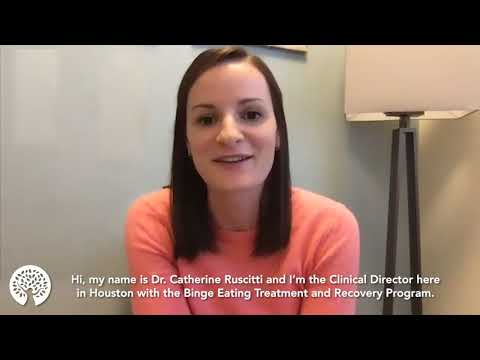
Center Overview
Treatment Focus
You can get treatment for eating disorders at this center, helping you navigate symptoms, build coping tools, and restore your physical health under expert care.
Joint Commission Accredited
The Joint Commission accreditation is a voluntary, objective process that evaluates and accredits healthcare organizations (like treatment centers) based on performance standards designed to improve quality and safety for patients. To be accredited means the treatment center has been found to meet the Commission's standards for quality and safety in patient care.

Insurance Accepted






Cash Pay Rates
Estimated Cash Pay Rate
Center pricing can vary based on program and length of stay. Contact the center for more information. Recovery.com strives for price transparency so you can make an informed decision.
Levels of Care


Your Care Options
Specializations
Eating Disorders
An eating disorder is a long-term pattern of unhealthy behavior relating to food. Most people with eating disorders have a distorted self-image.
Who We Treat
Adolescents
Teens receive the treatment they need for mental health disorders and addiction, with the added support of educational and vocational services.
Children
Treatment for children incorporates the psychiatric care they need and education, often led by on-site teachers to keep children on track with school.
Men and Women
Men and women attend treatment for addiction in a co-ed setting, going to therapy groups together to share experiences, struggles, and successes.
Approaches
Evidence-Based
A combination of scientifically rooted therapies and treatments make up evidence-based care, defined by their measured and proven results.
Experiential
Expressive tools and therapies help patients process past situations, learn more about themselves, and find healing through action.
Family Involvement
Providers involve family in the treatment of their loved one through family therapy, visits, or both–because addiction is a family disease.
Individual Treatment
Individual care meets the needs of each patient, using personalized treatment to provide them the most relevant care and greatest chance of success.
Personalized Treatment
The specific needs, histories, and conditions of individual patients receive personalized, highly relevant care throughout their recovery journey.
Therapies
1-on-1 Counseling
Patient and therapist meet 1-on-1 to work through difficult emotions and behavioral challenges in a personal, private setting.
Acceptance and Commitment Therapy (ACT)
This cognitive behavioral therapy teaches patients to accept challenging feelings and make the appropriate changes to reach personal goals.
Experiential Therapy
With this approach, patients heal by doing. Therapists help patients process difficult emotions to speak, using guided activities like art or dance.
Family Therapy
Family therapy addresses group dynamics within a family system, with a focus on improving communication and interrupting unhealthy relationship patterns.
Music Therapy
Singing, performing, and even listening to music can be therapeutic. Music therapy sessions are facilitated by certified counselors.
Nutrition Counseling
Nutritious food helps patients heal from within, setting them up for mental and bodily wellness as they learn about healthy eating.
Languages
Conditions We Treat
Eating Disorders
An eating disorder is a long-term pattern of unhealthy behavior relating to food. Most people with eating disorders have a distorted self-image.
Substances We Treat
Co-Occurring Disorders
A person with multiple mental health diagnoses, such as addiction and depression, has co-occurring disorders also called dual diagnosis.
Aftercare
Care Designed for Your Needs
Special Considerations
Young Adults Program
Programs for young adults bring teens 18+ together to discuss age-specific challenges, vocational and educational progress, and successes in treatment.
Activities
Yoga
Yoga is both a physical and spiritual practice. It includes a flow of movement, breathing techniques, and meditation.