- Addiction
- Mental Health
- About Us
Find Treatment By
Rehabs by Location


Find Treatment By
Learn
About Us
Recovery.com combines independent research with expert guidance on addiction and mental health treatment. Our mission is to help everyone find the best path to recovery through the most comprehensive, helpful network of treatment providers worldwide.
Advisory Council
Our advisory council brings together leaders in behavioral health, technology, and business. Their diverse expertise ensures our resources and product are innovative, evidence-based, and effective. They guide our mission as accomplished individuals dedicated to improving the landscape of addiction recovery and mental wellness.

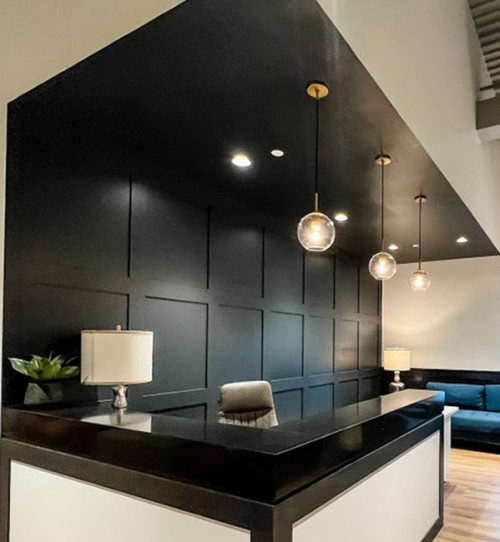


Embark at Atlanta
Treatment Focus
This center treats mental health conditions and co-occurring substance use. You receive collaborative, individualized treatment that addresses both issues for whole-person healing.
Primary Level of Care
Outpatient treatment offers flexible therapeutic and medical care without the need to stay overnight in a hospital or inpatient facility. Some centers offer intensive outpatient program (IOP), which falls between inpatient care and traditional outpatient service.
Claimed
Recovery.com has connected directly with this treatment provider to validate the information in their profile.
Treatment Focus
This center treats mental health conditions and co-occurring substance use. You receive collaborative, individualized treatment that addresses both issues for whole-person healing.
Primary Level of Care
Outpatient treatment offers flexible therapeutic and medical care without the need to stay overnight in a hospital or inpatient facility. Some centers offer intensive outpatient program (IOP), which falls between inpatient care and traditional outpatient service.
Provider's Policy
We will walk you through the steps of verification of benefits, determining if you have the proper coverage to bill the insurance, what the authorization process entails, and submitting claims to the insurance for coverage.
Embark at Atlanta
Embark at Atlanta
About Embark at Atlanta
Treatment Methods
Embark at Atlanta uses several evidence-based and holistic methods to treat adolescents and young adults seeking help with mental health and addiction or behavioral disorders. Personalized treatment plans are created to meet the individual and specific needs of patients and their families. Treatment plans may consist of therapy methods such as dialectical behavioral therapy (DBT), trauma-focused cognitive behavioral therapy (CBT), transcranial magnetic stimulation (TMS), attachment theory, experiential therapies, and SMART Recovery addiction treatment. These methods are used to treat a variety of mental illnesses and disorders, including anxiety, depression, obsessive-compulsive disorder (OCD), borderline personality disorder (BPD), bipolar disorder, attention deficit hyperactivity disorder (ADHD), trauma, and addiction. The experienced and knowledgeable staff at Embark can also address social isolation or bullying, gaming or internet addictions, oppositional defiant disorder (ODD), reactive attachment disorder (RAD), and self-harm or suicidal ideation.
Partial Hospitalization Program
Embark at Atlanta’s partial hospitalization program (PHP), also known as their therapeutic day program, is their most intensive level of care. The therapeutic day program services patients that are stepping down a level of care after completing a residential treatment program, or looking for a level of care that is more intensive than their other outpatient programs provide. Day treatment typically consists of 27-30 hours of treatment attended over 5 days per week while allowing patients to continue to live at home. Along with 1-on-1, group, and family counseling services, the educational services at Embark allow students to continue their academic work and receive credits that can be transferred back to their school.
Intensive Outpatient Program
Their intensive outpatient program (IOP) allows participants to continue with their individualized treatment plans and attend group and individual therapy sessions while requiring less of a time commitment. Intensive outpatient is group-focused and involves attending sessions 3-4 days per week for 3 hours per day. In addition to group sessions, patients also continue with their individual therapies and family counseling services. The intensive outpatient program (IOP) takes place in the evenings in order to accommodate school and work schedules, allowing youths and their families to receive treatment while still attending to their every-day responsibilities. When patients are ready for a less intensive level of care, Embark’s continuum of care allows for outpatient 1-on-1 therapy to continue on a weekly or bi-weekly basis, as well as offering virtual or in-home counseling services for individuals and their families.

Center Overview
Treatment Focus
This center treats mental health conditions and co-occurring substance use. You receive collaborative, individualized treatment that addresses both issues for whole-person healing.
Insurance Accepted






Cash Pay Rates
Estimated Cash Pay Rate
Center pricing can vary based on program and length of stay. Contact the center for more information. Recovery.com strives for price transparency so you can make an informed decision.
Levels of Care


Your Care Options
Specializations
Day Treatment
In a PHP, patients live at home but follow an intensive schedule of treatment. Most programs require you to be on-site for about 40 hours per week.
Outpatient
During outpatient rehab, patients attend a structured treatment program while continuing to live at home.
Who We Treat
Adolescents
Teens receive the treatment they need for mental health disorders and addiction, with the added support of educational and vocational services.
Young Adults
Emerging adults ages 18-25 receive treatment catered to the unique challenges of early adulthood, like college, risky behaviors, and vocational struggles.
Approaches
Evidence-Based
A combination of scientifically rooted therapies and treatments make up evidence-based care, defined by their measured and proven results.
Experiential
Expressive tools and therapies help patients process past situations, learn more about themselves, and find healing through action.
Holistic
A non-medicinal, wellness-focused approach that aims to align the mind, body, and spirit for deep and lasting healing.
Individual Treatment
Individual care meets the needs of each patient, using personalized treatment to provide them the most relevant care and greatest chance of success.
Personalized Treatment
The specific needs, histories, and conditions of individual patients receive personalized, highly relevant care throughout their recovery journey.
Therapeutic Community
Therapeutic communities allow patients to contribute to the success and progress of their community, through healthy behaviors or even basic chores.
Therapies
1-on-1 Counseling
Patient and therapist meet 1-on-1 to work through difficult emotions and behavioral challenges in a personal, private setting.
Acceptance and Commitment Therapy (ACT)
This cognitive behavioral therapy teaches patients to accept challenging feelings and make the appropriate changes to reach personal goals.
Animal Therapy
Animals can inspire trust and self-worth. In this experiential therapy, guided interactions are used to improve social skills and emotion regulation.
Art Therapy
Visual art invites patients to examine the emotions within their work, focusing on the process of creativity and its gentle therapeutic power.
Experiential Therapy
With this approach, patients heal by doing. Therapists help patients process difficult emotions to speak, using guided activities like art or dance.
Eye Movement Therapy (EMDR)
Lateral, guided eye movements help reduce the emotional reactions of retelling and reprocessing trauma, allowing intense feelings to dissipate.
Family Therapy
Family therapy addresses group dynamics within a family system, with a focus on improving communication and interrupting unhealthy relationship patterns.
Meditation & Mindfulness
A practiced state of mind that brings patients to the present. It allows them to become fully aware of themselves, their feelings, and the present moment.
Languages
Conditions We Treat
ADHD, ADD
ADHD is a common mental health condition caused by dopamine imbalance. Common symptoms include inattention, hyperactivitiy, and impulsivity.
Anger
Although anger itself isn't a disorder, it can get out of hand. If this feeling interferes with your relationships and daily functioning, treatment can help.
Anxiety
Anxiety is a common mental health condition that can include excessive worry, panic attacks, physical tension, and increased blood pressure.
Bipolar
This mental health condition is characterized by extreme mood swings between depression, mania, and remission.
Depression
Symptoms of depression may include fatigue, a sense of numbness, and loss of interest in activities. This condition can range from mild to severe.
Eating Disorders
An eating disorder is a long-term pattern of unhealthy behavior relating to food. Most people with eating disorders have a distorted self-image.
Gaming
Compulsive gaming is most often a problem for children and teens. The disorder can affect physical health, sleep, and the ability to focus at school.
Grief and Loss
Grief is a natural reaction to loss, but severe grief can interfere with your ability to function. You can get treatment for this condition.
Internet Addiction
Internet addiction is common among children teens. This compulsive disorder can damage relationships, school performance, sleep habits, and physical health.
Substances We Treat
Co-Occurring Disorders
A person with multiple mental health diagnoses, such as addiction and depression, has co-occurring disorders also called dual diagnosis.
Drug Addiction
Drug addiction is the excessive and repetitive use of substances, despite harmful consequences to a person's life, health, and relationships.