- Addiction
- Mental Health
- About Us
Find Treatment By
Rehabs by Location


Find Treatment By
Learn
About Us
Recovery.com combines independent research with expert guidance on addiction and mental health treatment. Our mission is to help everyone find the best path to recovery through the most comprehensive, helpful network of treatment providers worldwide.
Advisory Council
Our advisory council brings together leaders in behavioral health, technology, and business. Their diverse expertise ensures our resources and product are innovative, evidence-based, and effective. They guide our mission as accomplished individuals dedicated to improving the landscape of addiction recovery and mental wellness.
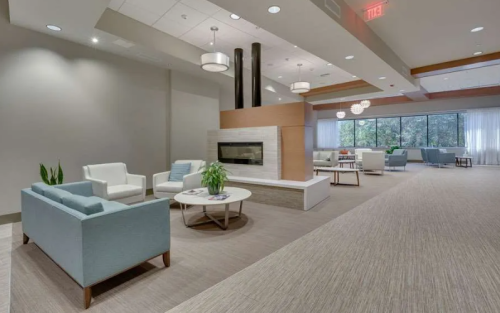
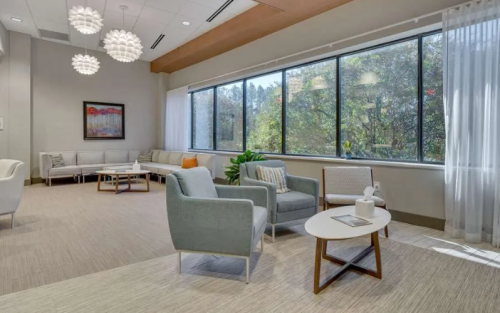
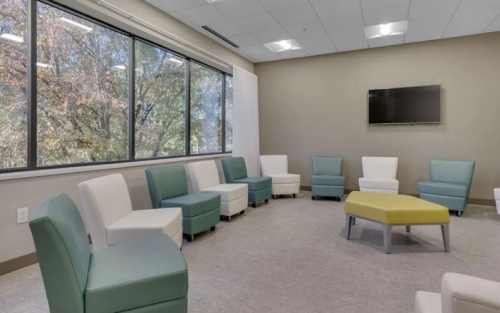
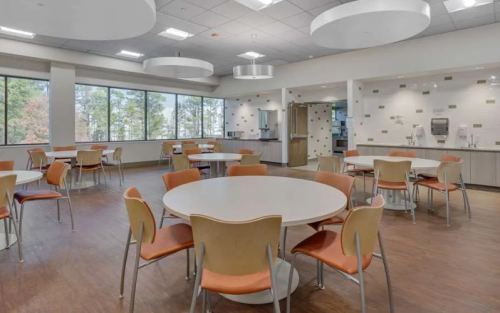
The Emily Program Triangle - Durham
Treatment Focus
You can get treatment for eating disorders at this center, helping you navigate symptoms, build coping tools, and restore your physical health under expert care.
Primary Level of Care
Outpatient treatment offers flexible therapeutic and medical care without the need to stay overnight in a hospital or inpatient facility. Some centers offer intensive outpatient program (IOP), which falls between inpatient care and traditional outpatient service.
Claimed
Recovery.com has connected directly with this treatment provider to validate the information in their profile.
Treatment Focus
You can get treatment for eating disorders at this center, helping you navigate symptoms, build coping tools, and restore your physical health under expert care.
Primary Level of Care
Outpatient treatment offers flexible therapeutic and medical care without the need to stay overnight in a hospital or inpatient facility. Some centers offer intensive outpatient program (IOP), which falls between inpatient care and traditional outpatient service.
Provider's Policy
The Emily Program partners with a wide range of insurance plans to make our care accessible to as many people as possible, and they work closely with those plans, at every stage of the recovery journey, to help every individual get the right care at the right time, for as long as they need it.
The Emily Program Triangle - Durham
The Emily Program Triangle - Durham
About The Emily Program Triangle - Durham
The Emily Program offers specialty treatment for eating disorders, dedicated to giving all people access to best-practice care and the tools they need for lasting recovery. The Emily Program offers all levels of care, from 24/7 inpatient care through outpatient services across multiple states. In-person and virtual treatments are available. Multidisciplinary treatment teams aim to equip individuals, families, and communities with the skills necessary to continue recovery in the home environment.
Recovery Starts Here
Starting recovery can be overwhelming. The Emily Program meets patients where they are and helps them get there, one step at a time. The Emily Program offers in-person and virtual eating disorder treatment with personalized options for children, adolescents, and adults of all genders. Their goal is always the same: to give clients and their loved ones the most effective treatment possible with the greatest chance of success. At The Emily Program, highly qualified care teams including therapists, dietitians, and medical staff treat every aspect of this complex illness. Treatment typically includes individual and group therapy focused on CBT, DBT, nutrition counseling, and skills development. Patients will explore their relationship with food and their body through therapeutic meals and art and mindfulness sessions like yoga and art therapy. Their academic coordinators ensure that school-age patients keep up with their studies while pursuing treatment. The Emily Program has locations in Minnesota, Washington, Ohio, Pennsylvania, North Carolina, and Georgia.
A Full Continuum of Care
The Emily Program's comprehensive eating disorder assessment helps them determine the best level of care for each patient. They offer a full continuum of care across the United States including inpatient, residential, partial hospitalization and intensive outpatient programs (PHP/IOP), and outpatient sessions. In-person and virtual treatment options are available in most locations. Inpatient care is their highest level of care and is often the first step in an individual’s recovery journey when medical stabilization is necessary. Residential care is suitable for individuals who are medically stable but in need of 24-hour behavioral and medical supervision. Intensive programs (PHP/IOP) provide greater structure and support than non-intensive outpatient treatment but more independence than 24/7 care. Outpatient is their lowest level of care and provides a supportive environment to help ensure continued recovery.
A Positive, Therapeutic Approach
The Emily Program fosters a “Can Eat” Culture, believing patients can positively influence eating disorder behavior by engaging in staff-facilitated therapeutic supported meals and snacks. They endorse the inclusiveness of all foods and values the absence of food judgment. Their in-person program takes place in a welcoming, inclusive environment. The Emily Program’s multidisciplinary staff share a passion and a mission inspired by a collaborative community of care. They follow clinical best practices at all levels of care. Their treatment model is designed to meet patients wherever they are in their recovery journey, at whatever stage of life, and to help patients and their communities of support develop the skills needed for lasting recovery.
The Emily Program’s admissions team is available to help clients and loved ones get started Monday through Thursday from 8:00 AM–8:00 PM ET, Fridays 8:00 AM–7:30 PM ET, and Saturdays and Sundays from 10:00 AM–6:00 PM.

Center Overview
Treatment Focus
You can get treatment for eating disorders at this center, helping you navigate symptoms, build coping tools, and restore your physical health under expert care.
CARF Accredited
CARF stands for the Commission on Accreditation of Rehabilitation Facilities. It's an independent, non-profit organization that provides accreditation services for a variety of healthcare services. To be accredited means that the program meets their standards for quality, effectiveness, and person-centered care.

Insurance Accepted






Cash Pay Rates
Estimated Cash Pay Rate
Center pricing can vary based on program and length of stay. Contact the center for more information. Recovery.com strives for price transparency so you can make an informed decision.
Levels of Care


Your Care Options
Specializations
Adolescents
Teens receive the treatment they need for mental health disorders and addiction, with the added support of educational and vocational services.
Children
Treatment for children incorporates the psychiatric care they need and education, often led by on-site teachers to keep children on track with school.
Eating Disorders
An eating disorder is a long-term pattern of unhealthy behavior relating to food. Most people with eating disorders have a distorted self-image.
Who We Treat
Adolescents
Teens receive the treatment they need for mental health disorders and addiction, with the added support of educational and vocational services.
Children
Treatment for children incorporates the psychiatric care they need and education, often led by on-site teachers to keep children on track with school.
Men and Women
Men and women attend treatment for addiction in a co-ed setting, going to therapy groups together to share experiences, struggles, and successes.
Approaches
Evidence-Based
A combination of scientifically rooted therapies and treatments make up evidence-based care, defined by their measured and proven results.
Family Involvement
Providers involve family in the treatment of their loved one through family therapy, visits, or both–because addiction is a family disease.
Individual Treatment
Individual care meets the needs of each patient, using personalized treatment to provide them the most relevant care and greatest chance of success.
Non 12 Step
Non-12-Step philosophies veer from the spiritual focus of the 12-Steps and instead treat the disease of addiction with holistic or secular modalities.
Therapies
1-on-1 Counseling
Patient and therapist meet 1-on-1 to work through difficult emotions and behavioral challenges in a personal, private setting.
Art Therapy
Visual art invites patients to examine the emotions within their work, focusing on the process of creativity and its gentle therapeutic power.
Family Therapy
Family therapy addresses group dynamics within a family system, with a focus on improving communication and interrupting unhealthy relationship patterns.
Psychoeducation
This method combines treatment with education, teaching patients about different paths toward recovery. This empowers them to make more effective decisions.
Languages
Conditions We Treat
Eating Disorders
An eating disorder is a long-term pattern of unhealthy behavior relating to food. Most people with eating disorders have a distorted self-image.
Substances We Treat
Co-Occurring Disorders
A person with multiple mental health diagnoses, such as addiction and depression, has co-occurring disorders also called dual diagnosis.