- Addiction
- Mental Health
- About Us
Find Treatment By
Rehabs by Location


Find Treatment By
Learn
About Us
Recovery.com combines independent research with expert guidance on addiction and mental health treatment. Our mission is to help everyone find the best path to recovery through the most comprehensive, helpful network of treatment providers worldwide.
Advisory Council
Our advisory council brings together leaders in behavioral health, technology, and business. Their diverse expertise ensures our resources and product are innovative, evidence-based, and effective. They guide our mission as accomplished individuals dedicated to improving the landscape of addiction recovery and mental wellness.
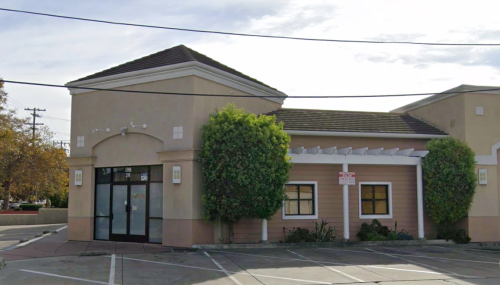
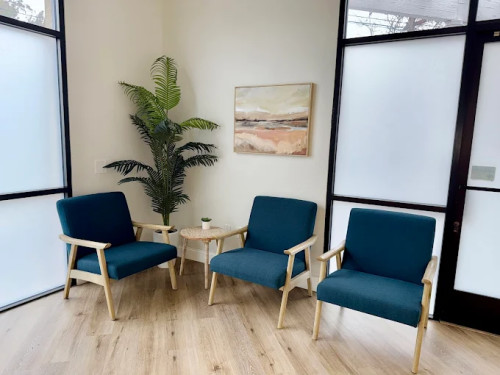
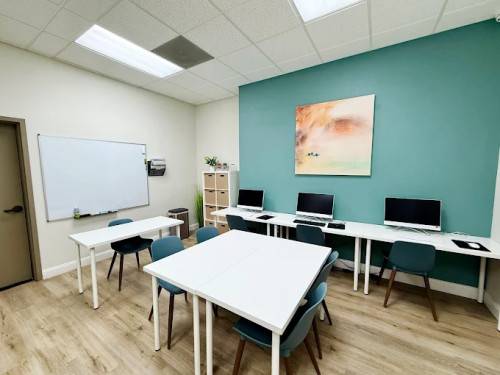
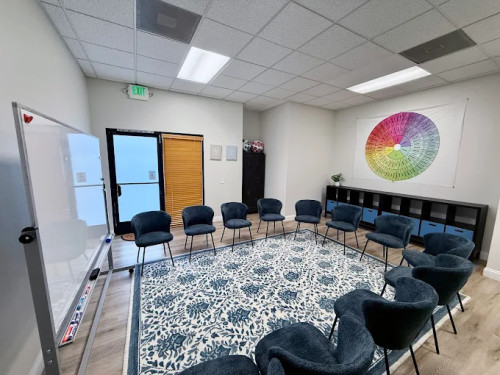
Evolve Teen Outpatient Treatment Center - San Jose
Treatment Focus
This center treats substance use disorders and mental health conditions. You'll receive individualized care catered to your unique situation and diagnosis, learn practical skills for recovery, and make new connections in a restorative environment.
Primary Level of Care
Outpatient treatment offers flexible therapeutic and medical care without the need to stay overnight in a hospital or inpatient facility. Some centers offer intensive outpatient program (IOP), which falls between inpatient care and traditional outpatient service.
Claimed
Recovery.com has connected directly with this treatment provider to validate the information in their profile.
Treatment Focus
This center treats substance use disorders and mental health conditions. You'll receive individualized care catered to your unique situation and diagnosis, learn practical skills for recovery, and make new connections in a restorative environment.
Primary Level of Care
Outpatient treatment offers flexible therapeutic and medical care without the need to stay overnight in a hospital or inpatient facility. Some centers offer intensive outpatient program (IOP), which falls between inpatient care and traditional outpatient service.
Provider's Policy
Evolve works with most private insurance companies on an in-network and out-of-network basis. We talk to your insurance provider and advocate for you to maximize your benefits at every level of care. For BlueCross BlueShield, we accept Anthem, Premera Blue Cross, and Blue Shield of California.
Evolve Teen Outpatient Treatment Center - San Jose
Evolve Teen Outpatient Treatment Center - San Jose
About Evolve Teen Outpatient Treatment Center - San Jose
Evolve San Jose is a comprehensive partial hospitalization program (PHP) and intensive outpatient program (IOP) that offers personally tailored treatment with solution-focused and evidence-based methods for teens aged 12-17. Their facility is staffed with masters-level clinicians and interns, primary therapists, and highly trained counselors and recovery coaches, offering clients safety and security in a structured and therapeutic environment conducive to healing. Their dual-diagnosis program specializes in the treatment of mental health, addiction, and co-occurring disorders using a combination of methods including group therapy, family therapy, motivational interviewing (MI), cognitive behavioral therapy (CBT), and dialectical behavior therapy (DBT). As part of a thorough admissions process, experienced clinicians provide an extensive and thorough assessment which results in clients receiving a personally tailored treatment plan that is regularly monitored and updated as needed to meet each teen’s unique treatment needs and goals.
What They Treat
Evolve treats a wide range of mental health disorders, substance abuse disorders, and co-occurring disorders.
Mental health and behavioral disorders include anxiety, depression, self-harm or suicidal ideation, post-traumatic stress disorder (PTSD) or trauma, bi-polar and other mood disorders, gender dysphoria, disordered eating, borderline and other personality disorders, mood or behavioral dysregulation, obsessive compulsive disorder (OCD), and psychosis.
They offer comprehensive treatment for substance abuse disorders including alcohol, cannabis, opioids, prescription medications including stimulants and sedatives, synthetic drugs such as hallucinogens and stimulants, and tobacco-related disorders.
Their dual-diagnosis treatment facility is also capable of treating those struggling with co-occurring mental health and substance abuse disorders. In addition, Evolve offers treatment to teens who are diagnosed with high-functioning autism spectrum disorder (ASD), who also have a co-occurring substance abuse or mental health disorder.
Outpatient Services
Evolve San Jose offers 2 programs, a partial hospitalization program (PHP) and an intensive outpatient program (IOP). PHP, or day treatment, is their most intensive level of care. Clients in PHP attend a full day of treatment 5 days per week. IOP is better designed for clients who are living at home and attending school, providing 3 hours of treatment for 3-4 days per week. Both programs are appropriate for teens who are looking for an entry point into treatment, as well as individuals who are stepping down from a residential program and looking for continued support.
Experiential Therapy
In addition to the most up-to-date evidence-based practices, the clinician-led treatment methods at Evolve include a range of experiential therapies. Art therapy may be used as a peaceful and relaxing activity that reduces stress, improves self-awareness, and helps patients process past traumas. Expressive therapies such as music and dance therapy can boost mood, increase general wellbeing, and body image, while drama therapy can improve communication and relationship skills and help teach empathy.
Evidence-Based Care
The compassionate and professional clinical team at Evolve lead evidence-based therapies for clients and their families through individual, group, and family therapy sessions. Specializing in dialectical behavior therapy (DBT), Evolve goes to great lengths to ensure their programs adhere to the structures and philosophies of DBT, with clients participating in weekly DBT group therapy sessions. Cognitive behavioral therapy (CBT) is also used as an effective treatment for depression, anxiety, substance use, and eating disorders, assisting clients in changing unhelpful thought patterns. Motivational interviewing (MI) is used to meet clients where they are currently, identifying personal goals and priorities in life and finding ways to personally motivate themselves to make behavioral changes. Mindfulness is another evidence-based technique that is incorporated into all areas of treatment, used to assist teens in being mindful of the present moment and in reaching acceptance without judgment, replacing mindlessness with awareness.
Other treatment methods used for substance abuse and co-occurring disorders include seeking safety, relapse prevention, anger management, meditation, and life skills.
Family therapy and family support groups are also part of the comprehensive treatment offered at Evolve, enabling family members to be an involved part of the treatment process and collaborate with care providers.
Evolve are Joint Commission and CARF Accredited facilities, and accept most major insurances.

Center Overview
Treatment Focus
This center treats substance use disorders and mental health conditions. You'll receive individualized care catered to your unique situation and diagnosis, learn practical skills for recovery, and make new connections in a restorative environment.
Joint Commission Accredited
The Joint Commission accreditation is a voluntary, objective process that evaluates and accredits healthcare organizations (like treatment centers) based on performance standards designed to improve quality and safety for patients. To be accredited means the treatment center has been found to meet the Commission's standards for quality and safety in patient care.
Insurance Accepted






Cash Pay Rates
Estimated Cash Pay Rate
Center pricing can vary based on program and length of stay. Contact the center for more information. Recovery.com strives for price transparency so you can make an informed decision.
Levels of Care


Your Care Options
Specializations
Adolescents
Teens receive the treatment they need for mental health disorders and addiction, with the added support of educational and vocational services.
Anxiety
Anxiety is a common mental health condition that can include excessive worry, panic attacks, physical tension, and increased blood pressure.
Co-Occurring Disorders
A person with multiple mental health diagnoses, such as addiction and depression, has co-occurring disorders also called dual diagnosis.
Depression
Symptoms of depression may include fatigue, a sense of numbness, and loss of interest in activities. This condition can range from mild to severe.
Drug Addiction
Drug addiction is the excessive and repetitive use of substances, despite harmful consequences to a person's life, health, and relationships.
LGBTQ+
Addiction and mental illnesses in the LGBTQ+ community must be treated with an affirming, safe, and relevant approach, which many centers provide.
Suicidality
With suicidality, a person fantasizes about suicide, or makes a plan to carry it out. This is a serious mental health symptom.
Who We Treat
Adolescents
Teens receive the treatment they need for mental health disorders and addiction, with the added support of educational and vocational services.
LGBTQ+
Addiction and mental illnesses in the LGBTQ+ community must be treated with an affirming, safe, and relevant approach, which many centers provide.
Approaches
Evidence-Based
A combination of scientifically rooted therapies and treatments make up evidence-based care, defined by their measured and proven results.
Family Involvement
Providers involve family in the treatment of their loved one through family therapy, visits, or both–because addiction is a family disease.
Individual Treatment
Individual care meets the needs of each patient, using personalized treatment to provide them the most relevant care and greatest chance of success.
Strengths-Based
Providers using a strengths-based philosophy focus on the positive traits of their patients, creating a positive feedback loop that grows confidence.
Therapies
1-on-1 Counseling
Patient and therapist meet 1-on-1 to work through difficult emotions and behavioral challenges in a personal, private setting.
Art Therapy
Visual art invites patients to examine the emotions within their work, focusing on the process of creativity and its gentle therapeutic power.
Family Therapy
Family therapy addresses group dynamics within a family system, with a focus on improving communication and interrupting unhealthy relationship patterns.
Life Skills
Teaching life skills like cooking, cleaning, clear communication, and even basic math provides a strong foundation for continued recovery.
Medication-Assisted Treatment
Combined with behavioral therapy, prescribed medications can enhance treatment by relieving withdrawal symptoms and focus patients on their recovery.
Mindfulness Therapy
This ancient practice can be mental, emotional, and even spiritual. In meditation, you focus your attention on the present moment without judgement.
Languages
Conditions We Treat
ADHD, ADD
ADHD is a common mental health condition caused by dopamine imbalance. Common symptoms include inattention, hyperactivitiy, and impulsivity.
Anger
Although anger itself isn't a disorder, it can get out of hand. If this feeling interferes with your relationships and daily functioning, treatment can help.
Anxiety
Anxiety is a common mental health condition that can include excessive worry, panic attacks, physical tension, and increased blood pressure.
Bipolar
This mental health condition is characterized by extreme mood swings between depression, mania, and remission.
Codependency
Codependency is a pattern of emotional dependence and controlling behavior. It's most common among people with addicted loved ones.
Depression
Symptoms of depression may include fatigue, a sense of numbness, and loss of interest in activities. This condition can range from mild to severe.
Eating Disorders
An eating disorder is a long-term pattern of unhealthy behavior relating to food. Most people with eating disorders have a distorted self-image.
Gaming
Compulsive gaming is most often a problem for children and teens. The disorder can affect physical health, sleep, and the ability to focus at school.
Internet Addiction
Internet addiction is common among children teens. This compulsive disorder can damage relationships, school performance, sleep habits, and physical health.
Substances We Treat
Alcohol
Using alcohol as a coping mechanism, or drinking excessively throughout the week, signals an alcohol use disorder.
Benzodiazepines
Benzodiazepines are prescribed to treat anxiety and sleep issues. They are highly habit forming, and their abuse can cause mood changes and poor judgement.
Chronic Relapse
Consistent relapse occurs repeatedly, after partial recovery from addiction. This condition requires long-term treatment.
Co-Occurring Disorders
A person with multiple mental health diagnoses, such as addiction and depression, has co-occurring disorders also called dual diagnosis.
Cocaine
Cocaine is a stimulant with euphoric effects. Agitation, muscle ticks, psychosis, and heart issues are common symptoms of cocaine abuse.
Drug Addiction
Drug addiction is the excessive and repetitive use of substances, despite harmful consequences to a person's life, health, and relationships.
Ecstasy
Ecstasy is a stimulant that causes intense euphoria and heightened awareness. Abuse of this drug can trigger depression, insomnia, and memory problems.
Heroin
Heroin is a highly addictive and illegal opioid. It can cause insomnia, collapsed veins, heart issues, and additional mental health issues.
Aftercare
Care Designed for Your Needs
Personal Amenities
Amenities
Special Considerations
Healthy Meals are provided
Great food meets great treatment, with providers serving healthy meals to restore nutrition, wellbeing, and health.
Activities
Yoga
Yoga is both a physical and spiritual practice. It includes a flow of movement, breathing techniques, and meditation.