- Addiction
- Mental Health
- About Us
Find Treatment By
Rehabs by Location


Find Treatment By
Learn
About Us
Recovery.com combines independent research with expert guidance on addiction and mental health treatment. Our mission is to help everyone find the best path to recovery through the most comprehensive, helpful network of treatment providers worldwide.
Advisory Council
Our advisory council brings together leaders in behavioral health, technology, and business. Their diverse expertise ensures our resources and product are innovative, evidence-based, and effective. They guide our mission as accomplished individuals dedicated to improving the landscape of addiction recovery and mental wellness.
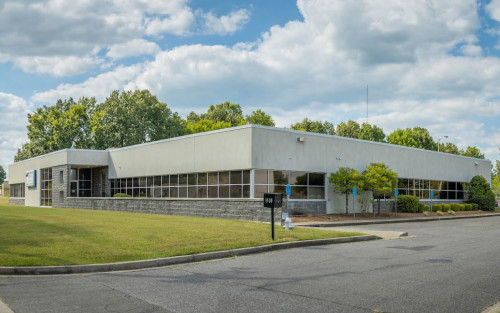
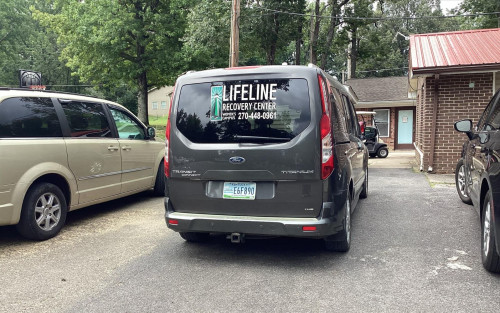
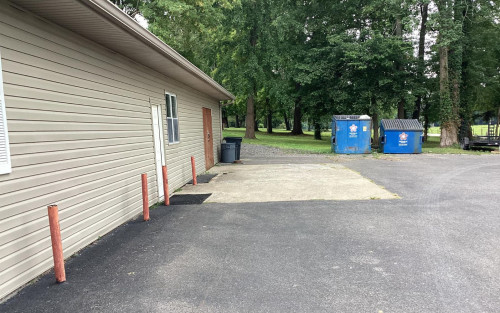
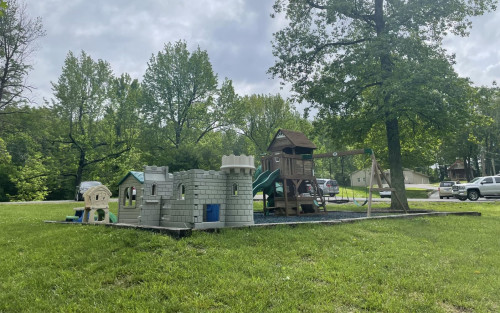
Lifeline Recovery Center Women's Campus
Treatment Focus
This center primarily treats substance use disorders, helping you stabilize, create relapse-prevention plans, and connect to compassionate support.
Primary Level of Care
Outpatient treatment offers flexible therapeutic and medical care without the need to stay overnight in a hospital or inpatient facility. Some centers offer intensive outpatient program (IOP), which falls between inpatient care and traditional outpatient service.
This provider hasn't verified their profile's information. Are you the owner of this center? Claim your listing to better manage your presence on Recovery.com.
Treatment Focus
This center primarily treats substance use disorders, helping you stabilize, create relapse-prevention plans, and connect to compassionate support.
Primary Level of Care
Outpatient treatment offers flexible therapeutic and medical care without the need to stay overnight in a hospital or inpatient facility. Some centers offer intensive outpatient program (IOP), which falls between inpatient care and traditional outpatient service.
Provider's Policy
We accept insurance for the first 75-150 days. Once a client advances into the second phase, the client will be employed and will pay $3,000 including meals, housing, instruction, and support.
Lifeline Recovery Center Women's Campus
Lifeline Recovery Center Women's Campus
About Lifeline Recovery Center Women's Campus
Lifeline Recovery Center is a faith-based, residential treatment facility in Paducah, Kentucky, offering separate campuses for men and women. Their mission is to provide Christ-centered solutions to addiction, aiming to help individuals become spiritually alive, mentally sound, and physically well. The center emphasizes accountability, faith, and obedience to Jesus Christ as core values.
Clients will cover part of their treatment with work income during treatment and can pay the rest with insurance or self-pay.
Program Successes
Since its inception in 2004, Lifeline has served over 2,000 people, with a reported 60% success rate of sobriety after one year and a 100% job placement rate during the program.
Their program is actively expanding. They recently moved their men's campus to a 45-acre facility to serve more clients, and they plan to move their women's campus to a nearby 45-acre facility.
Structured, 3-Phase Healing
Lifeline uses an abstinence-based approach with the 12-step Celebrate Recovery curriculum, Bible study, counseling, volunteer service, job skills training, and employment opportunities. Group classes cover practical topics like exercise, peer support, Christian living, parenting, anger management, and financial peace.
The program spans 9 to 12 months and is divided into 3 phases. Phase I focuses on counseling, Bible study, and peer support. In Phase II, clients work full-time and begin reintegrating into society. Phase III involves transitional housing with continued support. Clients receive a completion letter after they complete all 3 phases.
Lifeline does not use medication-assisted treatment (MAT).
Mission-Driven Staff
Lifeline employs over 40 staff members, many of whom are program graduates, and is supported by more than 75 volunteers.
Tech in a Minimally-Distracting Manner
Lifeline allows clients to write letters to family right away. After 2 weeks, they can make weekly phone calls from a landline. Once they begin working, clients get limited access to a cell phone, helping them manage responsibilities while staying focused on recovery.
Amenities
Lifeline allows smoking in designated areas and provides transportation to work and court appointments. Their volunteers in the community sign up to help transport clients to their obligations.

Center Overview
Treatment Focus
This center primarily treats substance use disorders, helping you stabilize, create relapse-prevention plans, and connect to compassionate support.
CARF Accredited
CARF stands for the Commission on Accreditation of Rehabilitation Facilities. It's an independent, non-profit organization that provides accreditation services for a variety of healthcare services. To be accredited means that the program meets their standards for quality, effectiveness, and person-centered care.

Insurance Accepted

Cash Pay Rates
Estimated Cash Pay Rate
Center pricing can vary based on program and length of stay. Contact the center for more information. Recovery.com strives for price transparency so you can make an informed decision.
Levels of Care


Your Care Options
Specializations
Christian
Through surrender and commitment to Christ, patients refocus the efforts and source of their recovery with clinical and spiritual care.
Transitional Living
After rehab, some people stay in a transitional living situation before returning home. These programs offer structure, education, and community support.
Twelve Step
Incorporating spirituality, community, and responsibility, 12-Step philosophies prioritize the guidance of a Higher Power and a continuation of 12-Step practices.
Who We Treat
Women only
Women attend treatment in a gender-specific facility, with treatment delivered in a safe, nourishing, and supportive environment for greater comfort.
Approaches
Christian
Through surrender and commitment to Christ, patients refocus the efforts and source of their recovery with clinical and spiritual care.
Gender-Specific
Separate treatment for men or women can create strong peer connections and remove barriers related to trauma, shame, and gender-specific nuances.
Individual Treatment
Individual care meets the needs of each patient, using personalized treatment to provide them the most relevant care and greatest chance of success.
Spiritual Emphasis
Spirituality connects patients to a higher power and helps strengthen their recovery, hope, and compliance with other treatment modalities.
Twelve Step
Incorporating spirituality, community, and responsibility, 12-Step philosophies prioritize the guidance of a Higher Power and a continuation of 12-Step practices.
Therapies
1-on-1 Counseling
Patient and therapist meet 1-on-1 to work through difficult emotions and behavioral challenges in a personal, private setting.
Family Therapy
Family therapy addresses group dynamics within a family system, with a focus on improving communication and interrupting unhealthy relationship patterns.
Life Skills
Teaching life skills like cooking, cleaning, clear communication, and even basic math provides a strong foundation for continued recovery.
Meditation & Mindfulness
A practiced state of mind that brings patients to the present. It allows them to become fully aware of themselves, their feelings, and the present moment.
Spiritual Care
Tending to spiritual health helps treatment become more effective, allowing patients to better cope with their emotions and rebuild their spiritual wellbeing.
Twelve Step Facilitation
12-Step groups offer a framework for addiction recovery. Members commit to a higher power, recognize their issues, and support each other in the healing process.
Languages
Substances We Treat
Alcohol
Using alcohol as a coping mechanism, or drinking excessively throughout the week, signals an alcohol use disorder.
Drug Addiction
Drug addiction is the excessive and repetitive use of substances, despite harmful consequences to a person's life, health, and relationships.
Methamphetamine
Methamphetamine, or meth, increases energy, agitation, and paranoia. Long-term use can result in severe physical and mental health issues.
Prescription Drugs
It's possible to abuse any drug, even prescribed ones. If you crave a medication, or regularly take it more than directed, you may have an addiction.
Synthetic Drugs
Synthetic drugs are made in a lab, unlike plant-based drugs like mushrooms. Most synthetic drugs are either stimulants or synthetic cannabinoids.
Aftercare
Care Designed for Your Needs
Personal Amenities
Amenities
Special Considerations
Gender-specific groups
Patients in gender-specific groups gain the opportunity to discuss challenges unique to their gender in a comfortable, safe setting conducive to healing.
Religion-Based Track
Patients can join faith-based recovery tracks to approach recovery with others in their faith, healing in a like-minded group with similar goals.