- Addiction
- Mental Health
- About Us
Find Treatment By
Rehabs by Location


Find Treatment By
Learn
About Us
Recovery.com combines independent research with expert guidance on addiction and mental health treatment. Our mission is to help everyone find the best path to recovery through the most comprehensive, helpful network of treatment providers worldwide.
Advisory Council
Our advisory council brings together leaders in behavioral health, technology, and business. Their diverse expertise ensures our resources and product are innovative, evidence-based, and effective. They guide our mission as accomplished individuals dedicated to improving the landscape of addiction recovery and mental wellness.
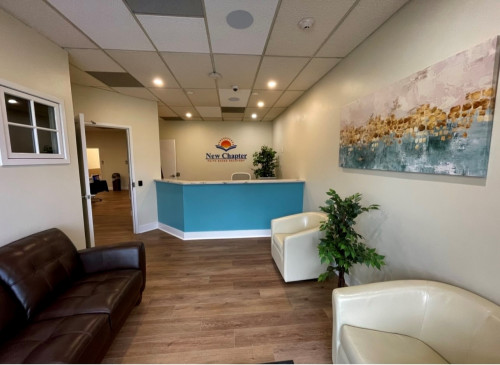
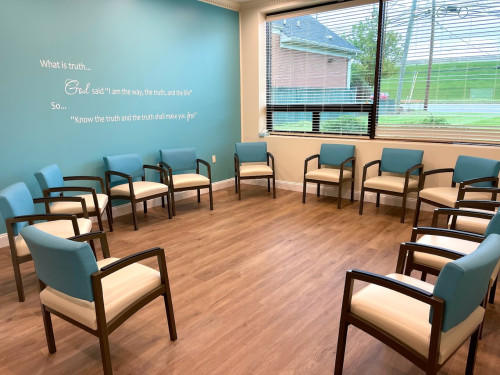
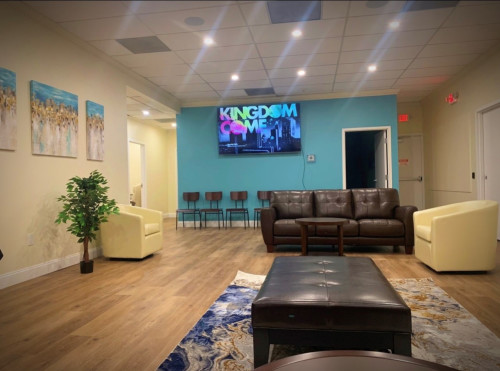
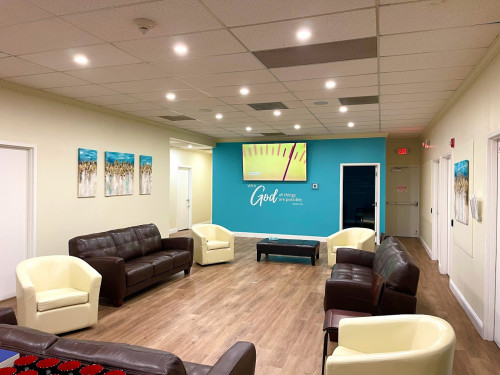
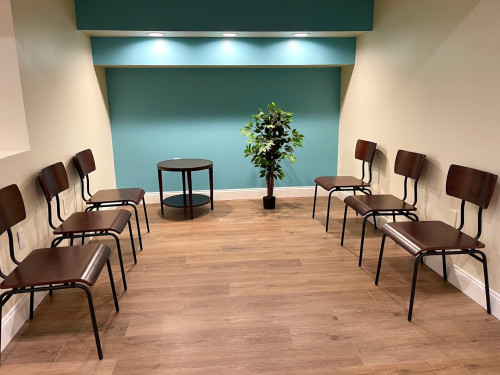
New Chapter Faith Based Recovery
Treatment Focus
This center treats substance use disorders and co-occurring mental health conditions. Your treatment plan addresses each condition at once with personalized, compassionate care for comprehensive healing.
Primary Level of Care
Outpatient treatment offers flexible therapeutic and medical care without the need to stay overnight in a hospital or inpatient facility. Some centers offer intensive outpatient program (IOP), which falls between inpatient care and traditional outpatient service.
Treatment Focus
This center treats substance use disorders and co-occurring mental health conditions. Your treatment plan addresses each condition at once with personalized, compassionate care for comprehensive healing.
Primary Level of Care
Outpatient treatment offers flexible therapeutic and medical care without the need to stay overnight in a hospital or inpatient facility. Some centers offer intensive outpatient program (IOP), which falls between inpatient care and traditional outpatient service.
Provider's Policy
New Chapter Faith Based Recovery works with most PPO insurance plans which can cover 100% of treatment after deductibles. Our admissions team will provide a free, confidential benefit verification so you have a clear picture of what the costs of treatment would be at our facility and how to maximize your insurance benefits.
New Chapter Faith Based Recovery
New Chapter Faith Based Recovery
About New Chapter Faith Based Recovery
This outpatient center takes a faith-based approach to treating addiction and co-occurring disorders. New Chapter Faith Based Recovery offers a Christian faith-based program to adults in Parsippany-Troy Hills, New Jersey. Their team of compassionate staff is dedicated to creating an accepting and compassionate environment for clients on their recovery journey. Their continuum of care includes a day treatment program (PHP), an intensive outpatient program (IOP), and an outpatient program. Clients receive a variety of evidence-based therapies including cognitive behavioral therapy (CBT), dialectical behavior therapy (DBT), and motivational interviewing. As a 12-Step program, clients attend regular meetings and will gain a sponsor while in the program. New Chapter incorporates faith into their program through Bible studies, discussion groups, and individual Christian counseling. They are accredited by the Joint Commission and accept most major insurance providers.
Center Overview
Treatment Focus
This center treats substance use disorders and co-occurring mental health conditions. Your treatment plan addresses each condition at once with personalized, compassionate care for comprehensive healing.
Joint Commission Accredited
The Joint Commission accreditation is a voluntary, objective process that evaluates and accredits healthcare organizations (like treatment centers) based on performance standards designed to improve quality and safety for patients. To be accredited means the treatment center has been found to meet the Commission's standards for quality and safety in patient care.
Insurance Accepted











Cash Pay Rates
Estimated Cash Pay Rate
Center pricing can vary based on program and length of stay. Contact the center for more information. Recovery.com strives for price transparency so you can make an informed decision.
Your Care Options
Specializations
Alcohol
Using alcohol as a coping mechanism, or drinking excessively throughout the week, signals an alcohol use disorder.
Drug Addiction
Drug addiction is the excessive and repetitive use of substances, despite harmful consequences to a person's life, health, and relationships.
Christian
Through surrender and commitment to Christ, patients refocus the efforts and source of their recovery with clinical and spiritual care.
Who We Treat
Men and Women
Men and women attend treatment for addiction in a co-ed setting, going to therapy groups together to share experiences, struggles, and successes.
Treatment Services
Day Treatment
In a PHP, patients live at home but follow an intensive schedule of treatment. Most programs require you to be on-site for about 40 hours per week.
Intensive Outpatient Program
In an IOP, patients live at home or a sober living, but attend treatment typically 9-15 hours a week. Most programs include talk therapy, support groups, and other methods.
Outpatient
During outpatient rehab, patients attend a structured treatment program while continuing to live at home.
Approaches
Christian
Through surrender and commitment to Christ, patients refocus the efforts and source of their recovery with clinical and spiritual care.
Evidence-Based
A combination of scientifically rooted therapies and treatments make up evidence-based care, defined by their measured and proven results.
Twelve Step
Incorporating spirituality, community, and responsibility, 12-Step philosophies prioritize the guidance of a Higher Power and a continuation of 12-Step practices.
Therapies
1-on-1 Counseling
Patient and therapist meet 1-on-1 to work through difficult emotions and behavioral challenges in a personal, private setting.
Aromatherapy
Inhaling or topically applying essential oils can help relieve stress, soothe pains, and relieve emotional distress.
Expressive Arts
Creative processes like art, writing, or dance use inner creative desires to help boost confidence, emotional growth, and initiate change.
Family Therapy
Family therapy addresses group dynamics within a family system, with a focus on improving communication and interrupting unhealthy relationship patterns.
Interpersonal Therapy
This brief and structured therapy addresses present relationships and improves overall communication at work, home, and other social settings.
Languages
Conditions We Treat
Bipolar
This mental health condition is characterized by extreme mood swings between depression, mania, and remission.
Depression
Symptoms of depression may include fatigue, a sense of numbness, and loss of interest in activities. This condition can range from mild to severe.
Personality Disorders
Personality disorders destabilize the way a person thinks, feels, and behaves. If untreated, they can undermine relationships and lead to severe distress.
Post Traumatic Stress Disorder
PTSD is a long-term mental health issue caused by a disturbing event or events. Symptoms include anxiety, dissociation, flashbacks, and intrusive thoughts.
Shopping Addiction
Excessive shopping and spending also known as compulsive buying disorder makes life unsustainable. It puts a strain on finances, relationships, and emotional well-being.
Stress
Stress is a natural reaction to challenges, and it can even help you adapt. However, chronic stress can cause physical and mental health issues.
Trauma
Some traumatic events are so disturbing that they cause long-term mental health problems. Those ongoing issues can also be referred to as "trauma."
Substances We Treat
Alcohol
Using alcohol as a coping mechanism, or drinking excessively throughout the week, signals an alcohol use disorder.
Benzodiazepines
Benzodiazepines are prescribed to treat anxiety and sleep issues. They are highly habit forming, and their abuse can cause mood changes and poor judgement.
Chronic Relapse
Consistent relapse occurs repeatedly, after partial recovery from addiction. This condition requires long-term treatment.
Co-Occurring Disorders
A person with multiple mental health diagnoses, such as addiction and depression, has co-occurring disorders also called dual diagnosis.
Cocaine
Cocaine is a stimulant with euphoric effects. Agitation, muscle ticks, psychosis, and heart issues are common symptoms of cocaine abuse.
Drug Addiction
Drug addiction is the excessive and repetitive use of substances, despite harmful consequences to a person's life, health, and relationships.
Ecstasy
Ecstasy is a stimulant that causes intense euphoria and heightened awareness. Abuse of this drug can trigger depression, insomnia, and memory problems.
Heroin
Heroin is a highly addictive and illegal opioid. It can cause insomnia, collapsed veins, heart issues, and additional mental health issues.
Aftercare
Care Designed for Your Needs
Special Considerations
Religion-Based Track
Patients can join faith-based recovery tracks to approach recovery with others in their faith, healing in a like-minded group with similar goals.
Activities
Smoking and Vaping Policy
What people are saying
Treatment
5.0
Accommodations
5.0
Food & Nutrition
5.0
Value
5.0
Pros
- Supportive Aftercare (2)
Elizabeth
Reviewed 09/09/24
Review from Rehabs.com
Elizabeth
Treatment in 2024 • (180+ days) • Reviewed 09/09/24
Former Client
Charles
Treatment in 2024 • (60 days) • Reviewed 07/25/24
Loved One of a Former Client
•New Jersey
Obi
Reviewed 12/11/24
Review from Rehabs.com
Brian
Reviewed 08/12/24
Review from Rehabs.com