- Addiction
- Mental Health
- About Us
Find Treatment By
Rehabs by Location


Find Treatment By
Learn
About Us
Recovery.com combines independent research with expert guidance on addiction and mental health treatment. Our mission is to help everyone find the best path to recovery through the most comprehensive, helpful network of treatment providers worldwide.
Advisory Council
Our advisory council brings together leaders in behavioral health, technology, and business. Their diverse expertise ensures our resources and product are innovative, evidence-based, and effective. They guide our mission as accomplished individuals dedicated to improving the landscape of addiction recovery and mental wellness.

Paradigm Treatment - Idaho Adult Residential
Verified Center
This provider's information has been quality-checked by Recovery.com's Research Team for accuracy and completeness, including center verification through appropriate third-party organizations.
Treatment Focus
This center treats mental health conditions and co-occurring substance use. You receive collaborative, individualized treatment that addresses both issues for whole-person healing.
Primary Level of Care
Offering intensive care with 24/7 monitoring, residential treatment is typically 30 days and can cover multiple levels of care. Length can range from 14 to 90 days typically.
Treatment Focus
This center treats mental health conditions and co-occurring substance use. You receive collaborative, individualized treatment that addresses both issues for whole-person healing.
Primary Level of Care
Offering intensive care with 24/7 monitoring, residential treatment is typically 30 days and can cover multiple levels of care. Length can range from 14 to 90 days typically.
Provider's Policy
We don't take Medicare, Medicaid, or Medi-Cal. Before committing to treatment, families can request a free, no-obligation insurance verification. Whether you’re just beginning to research programs or need immediate placement, we’ll help you navigate the insurance process. Our team can verify your coverage so you’ll know the exact cost of treatment upfront.
Paradigm Treatment - Idaho Adult Residential
Paradigm Treatment - Idaho Adult Residential
About Paradigm Treatment - Idaho Adult Residential
Paradigm Treatment empowers adults to treat the root causes of mental health and behavioral concerns, allowing them to not just cope, but heal. Intensive individual and group therapy forms the heart of their approach, with every treatment plan thoughtfully personalized using a thorough intake assessment that ensures each client receives the care and support they need to thrive.
Discover a Path to True Emotional Balance
At Paradigm, clients gain access to a full spectrum of evidence-based and holistic therapies that go beyond standard treatment. Cognitive behavioral therapy (CBT), dialectical behavior therapy (DBT), nutrition counseling, and creative outlets like art and dance work together to nurture every aspect of a client’s well-being. With 4 individual therapy sessions each week, daily group therapy, family therapy, and expert psychiatric care, they receive an exceptional level of support that fosters meaningful and lasting recovery.
Embrace Recovery in a Nurturing, Restorative Setting
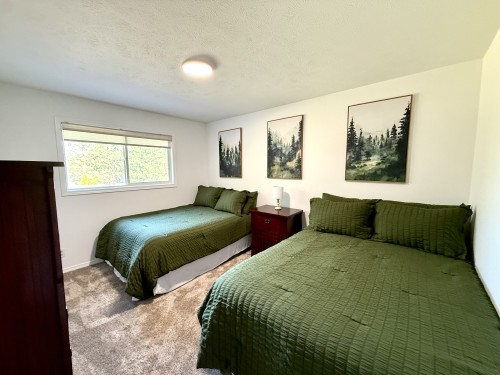
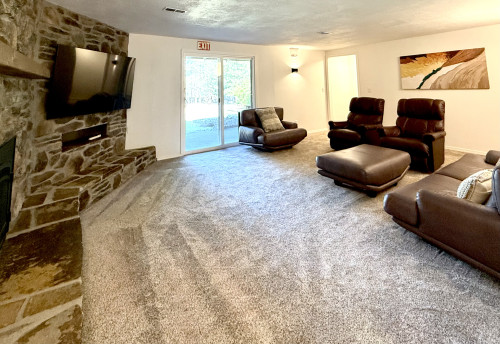
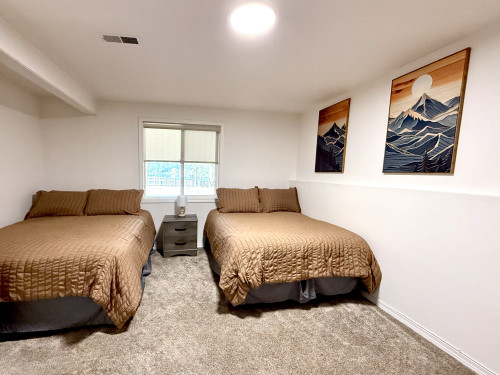
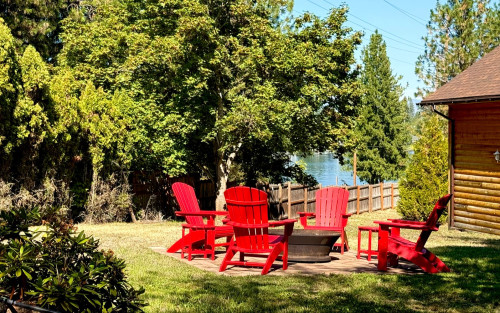
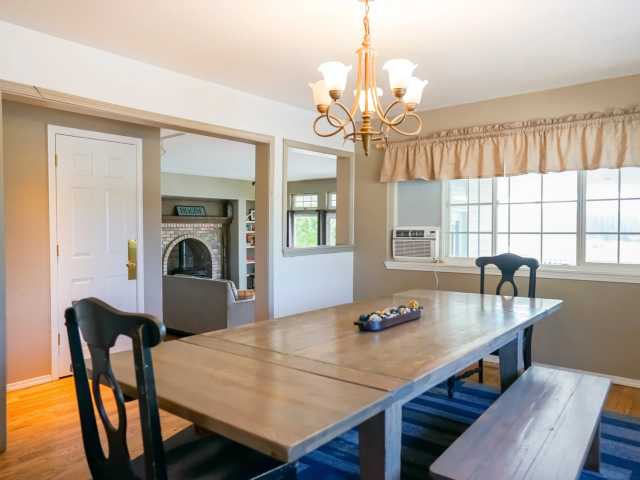
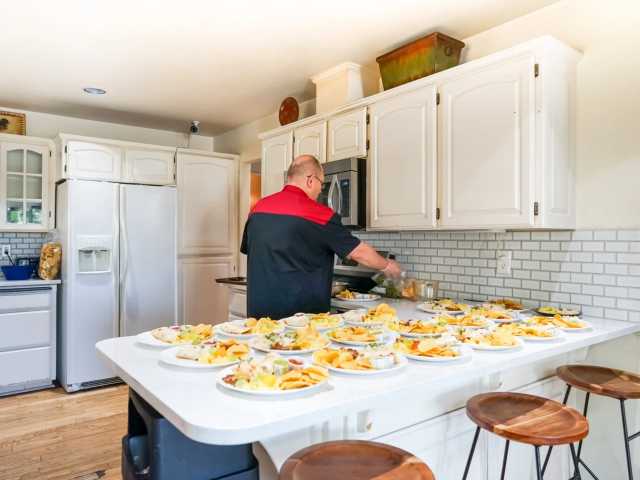
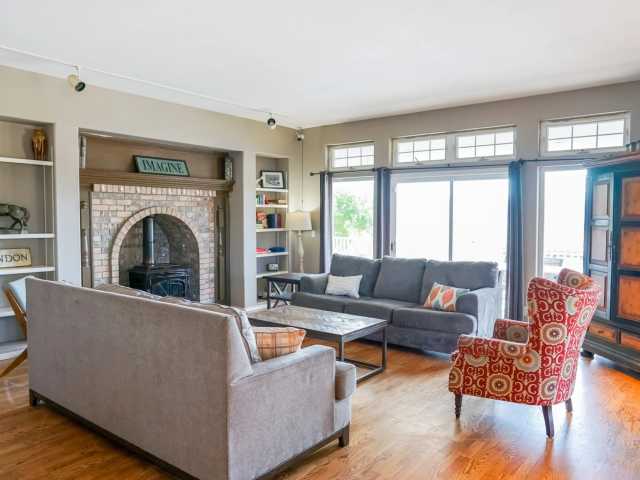
The facility is thoughtfully designed to provide a restorative experience, featuring private rooms that give clients a safe and comfortable place to recharge. Welcoming community spaces encourage connection and relaxation, with engaging options like a fitness center, basketball court, art studio, recreation room, and greenhouse. To further support overall well-being, clients enjoy chef-prepared, nutritious meals that fuel the whole person.
Sustain Healing with Continued Support
Paradigm understands that lasting success comes from continued connection and support. After completing the program, clients can stay engaged through virtual alumni programs and regular check-in meetings. This ongoing encouragement empowers them to stay focused on their goals, build resilience, and form meaningful, lifelong relationships that support their recovery journey.
Highlights from the Center
Highlights
These highlights are provided by and paid for by the center.
Nature Lovers
Therapeutic Location
Master's Level Therapists
Private Rooms Available
Center Overview
Treatment Focus
This center treats mental health conditions and co-occurring substance use. You receive collaborative, individualized treatment that addresses both issues for whole-person healing.
Joint Commission Accredited
The Joint Commission accreditation is a voluntary, objective process that evaluates and accredits healthcare organizations (like treatment centers) based on performance standards designed to improve quality and safety for patients. To be accredited means the treatment center has been found to meet the Commission's standards for quality and safety in patient care.

Insurance Accepted








Recovery.com Verified Listing
Recovery.com verified that the name, location, contact information and license to operate for this treatment provider are valid and up-to-date.
Joint Commission Accredited

Licensed by Idaho
Recovery.com is an independent, third-party mental health resource. Verification does not imply endorsement and does not guarantee the quality of treatment services.
Your Care Options
Specializations
1-on-1 Counseling
Patient and therapist meet 1-on-1 to work through difficult emotions and behavioral challenges in a personal, private setting.
Anxiety
Anxiety is a common mental health condition that can include excessive worry, panic attacks, physical tension, and increased blood pressure.
Depression
Symptoms of depression may include fatigue, a sense of numbness, and loss of interest in activities. This condition can range from mild to severe.
Family Therapy
Family therapy addresses group dynamics within a family system, with a focus on improving communication and interrupting unhealthy relationship patterns.
Young Adults
Emerging adults ages 18-25 receive treatment catered to the unique challenges of early adulthood, like college, risky behaviors, and vocational struggles.
Bipolar
This mental health condition is characterized by extreme mood swings between depression, mania, and remission.
Trauma
Some traumatic events are so disturbing that they cause long-term mental health problems. Those ongoing issues can also be referred to as "trauma."
Experiential Therapy
With this approach, patients heal by doing. Therapists help patients process difficult emotions to speak, using guided activities like art or dance.
Who We Treat
Men and Women
Men and women attend treatment for addiction in a co-ed setting, going to therapy groups together to share experiences, struggles, and successes.
Treatment Services
Licensed Primary Mental Health
Some primary care providers offer mental health diagnosis and treatment. This can prevent patients from developing more serious conditions.
Residential
In a residential rehab program, patients live onsite, with access to daily treatment and 24-hour care. An average stay is 30-90 days.
Approaches
Evidence-Based
A combination of scientifically rooted therapies and treatments make up evidence-based care, defined by their measured and proven results.
Holistic
A non-medicinal, wellness-focused approach that aims to align the mind, body, and spirit for deep and lasting healing.
Individual Treatment
Individual care meets the needs of each patient, using personalized treatment to provide them the most relevant care and greatest chance of success.
Therapies
1-on-1 Counseling
Patient and therapist meet 1-on-1 to work through difficult emotions and behavioral challenges in a personal, private setting.
Art Therapy
Visual art invites patients to examine the emotions within their work, focusing on the process of creativity and its gentle therapeutic power.
Experiential Therapy
With this approach, patients heal by doing. Therapists help patients process difficult emotions to speak, using guided activities like art or dance.
Family Therapy
Family therapy addresses group dynamics within a family system, with a focus on improving communication and interrupting unhealthy relationship patterns.
Mindfulness-Based Cognitive Therapy
MBCT combines mindfulness practices—like meditation—with cognitive therapy techniques to help patients work through negative thought patterns.
Nutrition Counseling
Nutritious food helps patients heal from within, setting them up for mental and bodily wellness as they learn about healthy eating.
Psychodrama Therapy
Patients act out real or imagined scenarios under a therapist's guidance. These exercises foster creative thought, sponteneity, and problem-solving skills.
Recreation Therapy
In recreation therapy, recovery can be joyful. Patients practice social skills and work through emotional triggers by engaging in fun activities.
Languages
Conditions We Treat
Anxiety
Anxiety is a common mental health condition that can include excessive worry, panic attacks, physical tension, and increased blood pressure.
Bipolar
This mental health condition is characterized by extreme mood swings between depression, mania, and remission.
Depression
Symptoms of depression may include fatigue, a sense of numbness, and loss of interest in activities. This condition can range from mild to severe.
Personality Disorders
Personality disorders destabilize the way a person thinks, feels, and behaves. If untreated, they can undermine relationships and lead to severe distress.
Post Traumatic Stress Disorder
PTSD is a long-term mental health issue caused by a disturbing event or events. Symptoms include anxiety, dissociation, flashbacks, and intrusive thoughts.
Self-Harm
The act of intentionally harming oneself, also called self-injury, is associated with mental health issues like depression.
Suicidality
With suicidality, a person fantasizes about suicide, or makes a plan to carry it out. This is a serious mental health symptom.
Substances We Treat
Alcohol
Using alcohol as a coping mechanism, or drinking excessively throughout the week, signals an alcohol use disorder.
Co-Occurring Disorders
A person with multiple mental health diagnoses, such as addiction and depression, has co-occurring disorders also called dual diagnosis.
Drug Addiction
Drug addiction is the excessive and repetitive use of substances, despite harmful consequences to a person's life, health, and relationships.
Aftercare
Care Designed for Your Needs
Personal Amenities
Amenities
Activities
Learn More About the Center
Understand The Challenges of Young Adulthood
Explore ways to steer through life’s complexities with clarity, balance, and purpose.
Recognize The Signs of Social Burnout
Discover how to thrive in social situations without burnout.
Spot The Warning Signs of Mental Health Concerns
Explore common teen mental health challenges and learn when professional support is essential.
Gain Clarity on What Neurodivergence Looks Like
Know the subtle behaviors and traits that reveal unique neurodivergent strengths and needs.