- Addiction
- Mental Health
- About Us
Find Treatment By
Rehabs by Location


Find Treatment By
Learn
About Us
Recovery.com combines independent research with expert guidance on addiction and mental health treatment. Our mission is to help everyone find the best path to recovery through the most comprehensive, helpful network of treatment providers worldwide.
Advisory Council
Our advisory council brings together leaders in behavioral health, technology, and business. Their diverse expertise ensures our resources and product are innovative, evidence-based, and effective. They guide our mission as accomplished individuals dedicated to improving the landscape of addiction recovery and mental wellness.
What Is Borderline Personality Disorder? 10 Expert Answers On The Internet’s Most Searched BPD Questions

Michelle Rosenker is a Senior Web Editor at Recovery.com. She has an extensive background in content production and editing and serves as a subject matter expert in the field of addiction and recovery.
Michelle Rosenker is a Senior Web Editor at Recovery.com. She has an extensive background in content production and editing and serves as a subject matter expert in the field of addiction and recovery.
Table of Contents
- 1. What is borderline personality disorder?
- 2. Why does BPD cause fast, intense mood swings, and how is it different from bipolar disorder?
- 3. How are relationships most impacted by BPD?
- 4. Is BPD manipulative, and what does “emotional pain” actually mean?
- 5. What helps BPD, and how can partners, friends, and family support someone with BPD?
- 6. What does BPD feel like day to day?
- 7. What do “favorite person” and “splitting” mean?
- 8. How do I know if I have BPD, and why is self diagnosis risky?
- 9. What’s the best treatment for BPD, are there medications, and can it be cured?
- 10. How can loved ones support someone with BPD, and how do you respond to suicidal talk?
Borderline personality disorder, often shortened to BPD, gets talked about online a lot, and understood far less than it should. It’s often reduced to a stereotype, “manipulative,” “dramatic,” “always in crisis,” which makes it harder for people living with BPD to seek help, and harder for partners, friends, and families to know what to do.
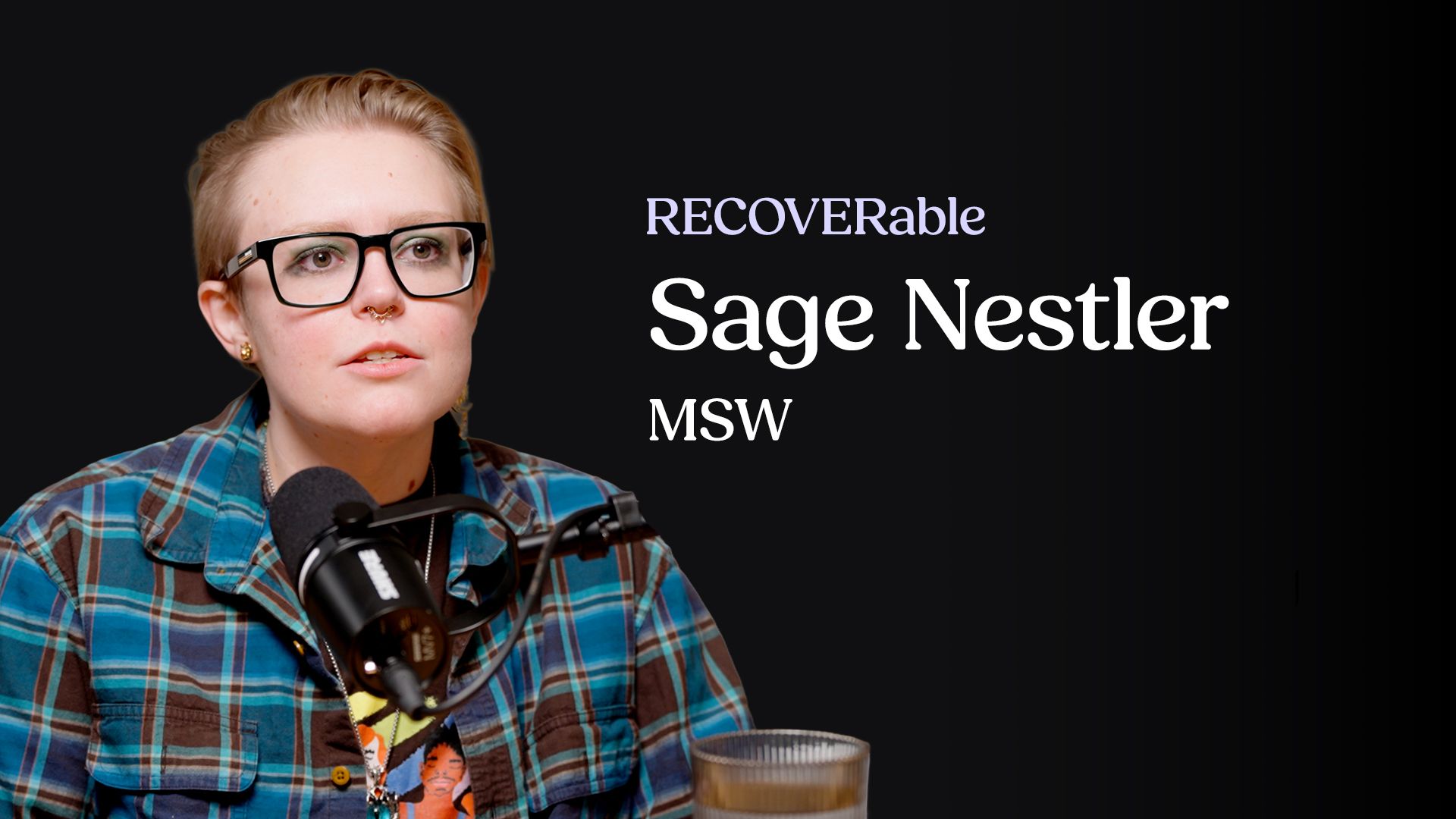
In this podcast episode, Sage Nestler, an LGBTQ+ mental health specialist and educator who lives with BPD, gives a rare mix of clinical clarity and real-life honesty. They explain what BPD actually is, why emotions can feel so intense it’s like your brain is screaming, and why the behaviors that look confusing from the outside are often attempts to escape overwhelming emotional pain.
If you’ve ever Googled “Do I have BPD?”, “What is quiet BPD?”, “How do I support someone with BPD?”, or “Is BPD narcissism?”, this is the grounded, human explanation you’ve been looking for.
1. What is borderline personality disorder?
BPD isn’t a character flaw, it’s emotional pain on overdrive.
Borderline personality disorder, identified in the 1930s, was originally described in people who weren’t responding to typical therapy approaches at the time. Sage explains that the term “borderline” came from confusion about where it fit, as it seemed to sit between mood dysregulation and more severe mental health symptoms, which is part of why the name can feel misleading today.
A modern, practical way to understand BPD is this— it tends to blend intense emotion with a shaky sense of self, and it often shows up most painfully in relationships. Sage describes BPD as pairing “mood concerns with personality concerns,” and that pairing matters, because it explains why someone can feel like they’re in emotional whiplash while also questioning who they are and what they’re worth.
On the mood side, Sage says emotions are felt “to a much bigger degree” than people without BPD. Small triggers can lead to extreme sadness, extreme anger, or sudden shifts that feel exhausting and relentless. And an important point for people searching for quick fixes, Sage notes medication often doesn’t resolve the core emotional dysregulation the way many hope, as therapy skills are the main path to relief.
On the identity side, Sage connects BPD to low self-esteem shaped by early invalidation and criticism. That can create an unstable sense of self, where you constantly second-guess who you are, what you care about, and whether you’re “good enough,” even when your life looks successful from the outside.
Explore Personality Disorders Treatment Centers
2. Why does BPD cause fast, intense mood swings, and how is it different from bipolar disorder?
Mood swings in BPD aren’t “random,” they’re often trigger sensitive.
One of the most searched questions about BPD is about mood swings, because they’re noticeable, confusing, and easy to mislabel. Sage explains that the emotional shifts in BPD can happen constantly, even day to day, not in longer cycles. That matters because people often confuse BPD with bipolar disorder, but the pattern can be very different.
Sage describes the BPD experience as being highly sensitive to outward stimuli. That can mean a tiny change, a facial expression, a delayed text, a tone shift, can land like a major threat. In Sage’s words, “a small change in someone’s expression can make us feel like, they’re mad at me, they hate me, I did something terribly wrong.” For someone without BPD, that same moment might not even register.
This is where “emotional pain” becomes more than a vague phrase. In this episode, emotional pain isn’t just feeling sad, it’s feeling sadness as intense grief, anger as a flood, and fear as a full-body alarm. Sage also highlights how exhausting it is to keep functioning while this is happening internally while trying to manage a nervous system that’s constantly shifting.
If you’re a friend, partner, or family member, this framing can change everything. Instead of asking, “Why are you overreacting?”, the more useful question becomes, “What just got activated for you, and what do you need to feel safe right now?”
3. How are relationships most impacted by BPD?
Relationships don’t break because of “drama,” they break because of fear and misread signals.
Sage says the biggest relationship drivers in BPD are fear of abandonment and splitting, also called black and white thinking. The fear of abandonment can make neutral situations feel dangerous, like your nervous system is convinced you’re about to be left, rejected, or replaced.
Splitting can turn small moments into big conclusions. A slight shift in expression might become, “They hate me.” A minor conflict might become, “This relationship is over.” That’s not because the person wants chaos, it’s often because their brain is trying to protect them from the pain of being left.
Sage also describes a common pattern people search for online, the “favorite person” dynamic. It’s a kind of intense idealization where one person becomes the emotional center of gravity. When it feels good, it can feel amazing. When it feels uncertain, it can crash into panic, anger, or despair. The pain here isn’t just neediness, it’s the fear that if this person pulls away, you’ll be emotionally unmoored.
The hard part is communication. In calm moments, many people with BPD can explain what’s happening. In the peak of emotion, it’s much harder. Sage says that before learning DBT skills, emotions can get so intense it feels like you can’t access the words you actually mean. Instead of saying, “I think you’re judging me,” it can come out as, “You hate me,” or as pushing someone away first, the classic “You can’t fire me, I quit” relationship version.
This is a key takeaway for anyone trying to make relationships work with BPD in the mix, skills matter. Not because the person is “bad at relationships,” but because intense emotion can temporarily shut down the ability to interpret cues accurately and communicate with nuance.
4. Is BPD manipulative, and what does “emotional pain” actually mean?
“Manipulative” is the wrong label for what many people with BPD are doing.
Sage addresses one of the most damaging and common internet assumptions head-on— that BPD is manipulative. They explain that manipulation implies intent and planning. In contrast, many BPD reactions are impulsive responses to emotional pain, not calculated attempts to control someone.
When someone feels terrified of abandonment, their behavior can look confusing from the outside. They might accuse, panic, demand reassurance, or push someone away. But Sage’s point is sharp, the driver is often escape from pain, not a plan to harm another person.
Stigma makes this worse, especially when BPD is lazily lumped in with other diagnoses like narcissistic personality disorder, antisocial personality disorder, or stereotypes about being a “sociopath” or “psychopath.” Sage says people living with BPD carry “so much emotional pain” that their behaviors can be misread as manipulation, when they’re really attempts to survive overwhelming feelings.
The episode also calls out how media portrayal fuels fear. Sage mentions a recent movie titled “Borderline” that depicts a character with BPD as a violent sociopath who kidnaps and tortures someone. That kind of representation doesn’t just offend, it scares people away from seeking care and reinforces the idea that people with BPD are inherently dangerous.
Sage also points out something subtle but important, language matters. Reducing a person to “a borderline” turns a diagnosis into an identity label, and it can deepen shame. Shame, in turn, can worsen symptoms, because self-hatred and isolation make emotional regulation harder, not easier.
5. What helps BPD, and how can partners, friends, and family support someone with BPD?
Support and treatment can change everything, especially when you know what to do in a crisis.
Sage is clear that therapy skills are the heart of BPD treatment, especially dialectical behavior therapy, or DBT, which was designed with BPD in mind. What makes DBT different is that it’s skills-based, not just insight-based. Sage describes using emotional regulation strategies daily, like imagining thoughts as clouds floating by and practicing nonjudgmental awareness rather than getting pulled into every thought.
They also mention DBT distress tolerance tools, like temperature-based skills, cold water on the face, smashing ice, intense exercise, which can help discharge emotional energy when urges for self-harm or impulsive behavior spike. These aren’t “cute tricks,” they’re concrete ways to shift the body’s stress response when the mind is overwhelmed.
For support, Sage emphasizes two themes, validation and communication. If someone with BPD says, “I’m really mad you did this,” shutting them down with phrases like “I didn’t mean it that way” or “I’m sorry you feel that way” can escalate the spiral. Instead, reflect the emotion first, “I see how upset you are,” then share your perspective using I statements. Validation doesn’t mean agreeing with every interpretation, it means acknowledging the emotional experience is real.
When the situation becomes a crisis, safety comes first. Sage recommends having crisis resources available and being ready to call 988 when needed, especially if you feel threatened, or if there’s self-harm risk. They also suggest that calling on speaker can help reduce the feeling of secrecy or control, turning it into a shared conversation where the person in crisis can hear the support and guidance directly.
6. What does BPD feel like day to day?
BPD isn’t “being dramatic,” it’s living with emotions turned up to max.
As Sage puts it, BPD can feel like your emotions are so intense they hijack your whole day.
From the inside, a “normal” moment can become a crisis fast. Sage shares a day in the life example many listeners will recognize— waking up already flooded with emotion, reading into facial expressions, assuming rejection if someone doesn’t text back, and swinging from sadness to happiness to rage in a flash.
And for people with “quiet BPD,” the intensity may not show outwardly. Sage describes it as being “screamed at by my brain” while still having to function at work, in friendships, and in everyday life.
What does BPD look like from the outside?
The stereotype is loud outbursts, but many people live it quietly.
Sage calls out the common stereotype, the person who throws things, threatens, or explodes. That can happen for some, but it’s not the full picture. What loved ones may actually notice is emotional whiplash, highs and lows within the same day, and cycles of closeness then distance that feel confusing.
7. What do “favorite person” and “splitting” mean?
Fear of abandonment drives the push pull cycle.
One of the most recognized symptoms of BPD is fear of abandonment. Sage explains that attachment can feel so intense that the idea of someone leaving feels unbearable, like you won’t be able to cope. That fear can lead to self protective behaviors that backfire, pushing someone away first, testing the relationship, or swinging between “you’re everything” and “you hate me.”
Favorite person (FP) is a term people often stumble across online. In BPD, it can mean intense idealization and emotional dependence, expecting one person to meet needs that no single person can realistically meet. That can create pressure, conflict, and emotional spirals for both people.
Splitting is the black and white thinking pattern that often shows up in relationships. Someone can be seen as all good, then suddenly all bad, with very little gray area. Sage describes it as going from idolization to “they’re the worst” after one moment of hurt, fear, or disappointment.
Identity disturbance and emptiness
It’s not just low confidence, it’s not knowing who you are.
Sage draws a sharp distinction between low self esteem and identity disturbance. For many people with BPD, it can feel like your sense of self is unstable, your passions, goals, even your “who am I” can shift. That can create chronic emptiness, a deep “nothing inside” feeling that can fuel the search for external validation.
8. How do I know if I have BPD, and why is self diagnosis risky?
Start with symptoms, not labels.
This is one of the most searched questions online, and Sage is clear— do not self diagnose. BPD symptoms can overlap with other conditions like PTSD (especially complex PTSD) and bipolar disorder. Even when people relate strongly to videos or personal stories online, a professional assessment matters because the treatment plan can be very different depending on what’s actually going on.
Sage recommends a practical approach for starting the conversation with a clinician, focus on what you’re experiencing, not the name of the disorder. Instead of “I think I have BPD,” try:
- “I’m experiencing intense mood shifts and fear of abandonment.”
- “I relate to what I’m seeing online, can we explore what might explain these symptoms?”
That keeps the door open to multiple possibilities and helps avoid getting stuck on one label.
Is it safe to tell a professional you think you have BPD?
Gauge carefully, and lead with your experience.
Sage also acknowledges a painful reality, that stigma exists, even in clinical settings. Some people worry about being labeled “unreliable” or “erratic,” especially in professional or institutional contexts. That’s why the “symptoms first” approach can be safer and more productive, it invites collaboration rather than triggering bias.
9. What’s the best treatment for BPD, are there medications, and can it be cured?
DBT can help a lot, but there’s no single pill and no “quick cure.”
The hard truth is that there’s no medication specifically approved to treat BPD itself. Medications may be used for co occurring conditions like depression or anxiety, but the core treatment is typically therapy, especially skills based approaches like dialectical behavior therapy (DBT).
Sage also makes an important point that people don’t say out loud enough— even if DBT skills are effective, using them in the moment is hard. When you’re emotionally flooded, your brain doesn’t politely hand you the tools. It takes energy, practice, and often support, and that’s tough when therapy access is limited or expensive.
Can borderline personality disorder be cured?
Think “managed over time” not “cured by a certain age”.
Sage says BPD can’t be “cured,” but symptoms can improve with early intervention and ongoing support. They also push back on the harmful idea that you’ll magically be better by 40. People of all ages can live with BPD, improve, and still struggle, and struggling doesn’t mean failure.
10. How can loved ones support someone with BPD, and how do you respond to suicidal talk?
Compassion plus boundaries beats fear plus stigma.
Sage speaks directly to friends, partners, and family members, especially those who have been hurt. They emphasize something important and often missed— many people with BPD feel intense remorse about the impact their symptoms have on others, even when it looks like “discarding” or not caring. Most of the harm isn’t intentional, but rather it’s a symptom-driven survival response.
If you’re worried someone in your life may have BPD, Sage suggests reaching out to support and education organizations like NAMI, Mental Health America, and the National Education Alliance for BPD (NEA BPD). NEA BPD offers a program called Family Connections, designed to help families understand the condition and learn skills to support their loved one while also protecting their own wellbeing.
If you or someone you know is in immediate danger, call your local emergency number right now. In the U.S., you can also call or text 988 for the Suicide and Crisis Lifeline.
Responding to suicidal statements
Sage is direct that suicidal ideation in BPD is often about escaping pain, not trying to control someone. The response shouldn’t be dismissive, and it shouldn’t automatically jump to the most extreme reaction every single time without assessing the situation.
Their guidance centers on communication and assessment. This includes talking calmly, asking what they’re feeling, and trying to understand whether there’s a plan or imminent danger. Sage also mentions crisis coping tools (like cold water and intense exercise) that can help discharge emotional energy in the moment.
Conclusion
BPD is painful, real, and far more nuanced than the internet stereotypes. In this conversation, Sage Nestler reminds us that behind the symptoms is often a person working incredibly hard just to get through the day, managing intense emotions, unstable self image, and relationship fears that can feel impossible to control.
The biggest takeaway is this: you deserve compassion and good care, whether you’re living with BPD, wondering if you might, or trying to support someone you love. Start with the symptoms, seek informed help, and remember, progress with BPD isn’t about being “cured,” it’s about learning how to live with more stability, more skills, and more hope.


Our Promise
How Is Recovery.com Different?
We believe everyone deserves access to accurate, unbiased information about mental health and recovery. That's why we have a comprehensive set of treatment providers and don't charge for inclusion. Any center that meets our criteria can list for free. We do not and have never accepted fees for referring someone to a particular center. Providers who advertise with us must be verified by our Research Team and we clearly mark their status as advertisers.
Our goal is to help you choose the best path for your recovery. That begins with information you can trust.