- Addiction
- Mental Health
- About Us
Find Treatment By
Rehabs by Location


Find Treatment By
Learn
About Us
Recovery.com combines independent research with expert guidance on addiction and mental health treatment. Our mission is to help everyone find the best path to recovery through the most comprehensive, helpful network of treatment providers worldwide.
Advisory Council
Our advisory council brings together leaders in behavioral health, technology, and business. Their diverse expertise ensures our resources and product are innovative, evidence-based, and effective. They guide our mission as accomplished individuals dedicated to improving the landscape of addiction recovery and mental wellness.
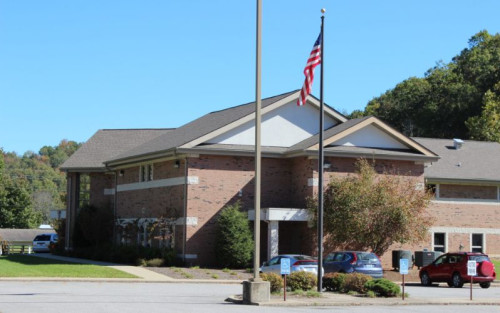


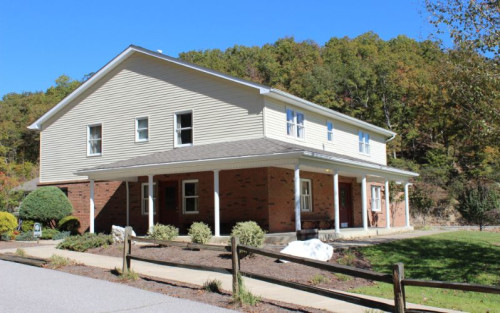
Ramey-Estep
Treatment Focus
This center primarily treats substance use disorders, helping you stabilize, create relapse-prevention plans, and connect to compassionate support.
Primary Level of Care
Offering intensive care with 24/7 monitoring, residential treatment is typically 30 days and can cover multiple levels of care. Length can range from 14 to 90 days typically.
This provider hasn't verified their profile's information. Are you the owner of this center? Claim your listing to better manage your presence on Recovery.com.
Treatment Focus
This center primarily treats substance use disorders, helping you stabilize, create relapse-prevention plans, and connect to compassionate support.
Primary Level of Care
Offering intensive care with 24/7 monitoring, residential treatment is typically 30 days and can cover multiple levels of care. Length can range from 14 to 90 days typically.
Private Pay
You pay directly for treatment out of pocket. This approach can offer enhanced privacy and flexibility, without involving insurance. Exact costs vary based on program and length of stay. Contact the center for specific details.
Ramey-Estep
Ramey-Estep
About Ramey-Estep
Founded in 1989, Ramey-Estep offers a wide range of treatment programs for youth and their families. Residential treatment, foster care treatment, education, substance use treatment, therapy and in-home services are provided to male and female adolescents ages 12-17. Ramey-Estep provides consistent structure, counseling, education and skills development support, and guidance in developing healthy relationships.
Ramey-Estep uses an evidence-based approach and treatments that are provided from Masters-level, licensed clinicians. Treatment for students includes cognitive behavior therapy (CBT), motivational interviewing, dialectical behavioral therapy (DBT), Strengthening Families, and Yoga for Resiliency, among others. Ramey-Estep’s treatment aims to equip youth with education and opportunities to become productive and responsible adults.
Specializing in At-Risk Populations
Offers programming for pregnant and parenting teenagers. Youth that are at-risk of human trafficking or have already experienced human trafficking are also part of specialized services that Ramey-Estep offers. Discharge planning and on-site education for these individuals is part of the program. Ramey-Estep is a CARFaccredited treatment program.
Center Overview
Treatment Focus
This center primarily treats substance use disorders, helping you stabilize, create relapse-prevention plans, and connect to compassionate support.
CARF Accredited
CARF stands for the Commission on Accreditation of Rehabilitation Facilities. It's an independent, non-profit organization that provides accreditation services for a variety of healthcare services. To be accredited means that the program meets their standards for quality, effectiveness, and person-centered care.
Cash Pay Rates
Estimated Cash Pay Rate
Center pricing can vary based on program and length of stay. Contact the center for more information. Recovery.com strives for price transparency so you can make an informed decision.
Levels of Care


Your Care Options
Specializations
Adolescents
Teens receive the treatment they need for mental health disorders and addiction, with the added support of educational and vocational services.
Co-Occurring Disorders
A person with multiple mental health diagnoses, such as addiction and depression, has co-occurring disorders also called dual diagnosis.
Drug Addiction
Drug addiction is the excessive and repetitive use of substances, despite harmful consequences to a person's life, health, and relationships.
Who We Treat
Adolescents
Teens receive the treatment they need for mental health disorders and addiction, with the added support of educational and vocational services.
Children
Treatment for children incorporates the psychiatric care they need and education, often led by on-site teachers to keep children on track with school.
Approaches
Evidence-Based
A combination of scientifically rooted therapies and treatments make up evidence-based care, defined by their measured and proven results.
Therapies
Eye Movement Therapy (EMDR)
Lateral, guided eye movements help reduce the emotional reactions of retelling and reprocessing trauma, allowing intense feelings to dissipate.
Motivational Interviewing
Based on the idea that motivation to change comes from within, providers use a conversational framework to discover personalized methods for change.
Rational Emotive Behavior Therapy
A type of cognitive therapy that identifies negative self-defeating thoughts and behaviors, rewriting beliefs to be positive, empowering, and present.
Trauma-Specific Therapy
This form of talk therapy addresses any childhood trauma at the root of a patient's current diagnosis.
Yoga
Yoga is both a physical and spiritual practice. It includes a flow of movement, breathing techniques, and meditation.
Languages
Conditions We Treat
ADHD, ADD
ADHD is a common mental health condition caused by dopamine imbalance. Common symptoms include inattention, hyperactivitiy, and impulsivity.
Anxiety
Anxiety is a common mental health condition that can include excessive worry, panic attacks, physical tension, and increased blood pressure.
Depression
Symptoms of depression may include fatigue, a sense of numbness, and loss of interest in activities. This condition can range from mild to severe.
Eating Disorders
An eating disorder is a long-term pattern of unhealthy behavior relating to food. Most people with eating disorders have a distorted self-image.
Post Traumatic Stress Disorder
PTSD is a long-term mental health issue caused by a disturbing event or events. Symptoms include anxiety, dissociation, flashbacks, and intrusive thoughts.
Stress
Stress is a natural reaction to challenges, and it can even help you adapt. However, chronic stress can cause physical and mental health issues.
Trauma
Some traumatic events are so disturbing that they cause long-term mental health problems. Those ongoing issues can also be referred to as "trauma."
Substances We Treat
Alcohol
Using alcohol as a coping mechanism, or drinking excessively throughout the week, signals an alcohol use disorder.
Drug Addiction
Drug addiction is the excessive and repetitive use of substances, despite harmful consequences to a person's life, health, and relationships.
Aftercare
Care Designed for Your Needs
Personal Amenities
Amenities
Special Considerations
Gender-specific groups
Patients in gender-specific groups gain the opportunity to discuss challenges unique to their gender in a comfortable, safe setting conducive to healing.