- Addiction
- Mental Health
- About Us
Find Treatment By
Rehabs by Location


Find Treatment By
Learn
About Us
Recovery.com combines independent research with expert guidance on addiction and mental health treatment. Our mission is to help everyone find the best path to recovery through the most comprehensive, helpful network of treatment providers worldwide.
Advisory Council
Our advisory council brings together leaders in behavioral health, technology, and business. Their diverse expertise ensures our resources and product are innovative, evidence-based, and effective. They guide our mission as accomplished individuals dedicated to improving the landscape of addiction recovery and mental wellness.
The Ranch at Dove Tree
Treatment Focus
This center treats substance use disorders and co-occurring mental health conditions. Your treatment plan addresses each condition at once with personalized, compassionate care for comprehensive healing.
Primary Level of Care
Offering intensive care with 24/7 monitoring, residential treatment is typically 30 days and can cover multiple levels of care. Length can range from 14 to 90 days typically.
Claimed
Recovery.com has connected directly with this treatment provider to validate the information in their profile.
Treatment Focus
This center treats substance use disorders and co-occurring mental health conditions. Your treatment plan addresses each condition at once with personalized, compassionate care for comprehensive healing.
Primary Level of Care
Offering intensive care with 24/7 monitoring, residential treatment is typically 30 days and can cover multiple levels of care. Length can range from 14 to 90 days typically.
Provider's Policy
Most major insurance accepted. Please fill out the form, and we will be in touch with you shortly. Thank you.
The Ranch at Dove Tree
The Ranch at Dove Tree
About The Ranch at Dove Tree
The Ranch at Dove Tree treats substance addictions and underlying mental health conditions. Their core program addresses personal identity, competence, belonging, emotional security, and physical safety for a resilient recovery. They provide detox, 30 and 60-day residential treatment, day treatment (or partial hospitalization), intensive outpatient, transitional living, and aftercare. They address co-occurring mental health conditions in each level of care for a comprehensive recovery experience.
Treating Co-Occurring Mental Health / Underlying Issues
The Ranch at Dove Tree addresses co-occurring mental health conditions, including depression, anxiety, disordered eating, trauma/PTSD, borderline personality disorder, obsessive compulsive disorder (OCD), and self-harm behaviors. Their on-staff psychiatrist can diagnose mental health conditions and prescribe necessary medications. The Ranch at Dove Tree also offers a specialized program for veterans and first responders, called Tactical Recovery. Veterans and first responders in the program receive trauma-informed, culturally competent care with twice-weekly EMDR groups for their specific population.
Personalized Evidence-Based Care Focused on Resilience
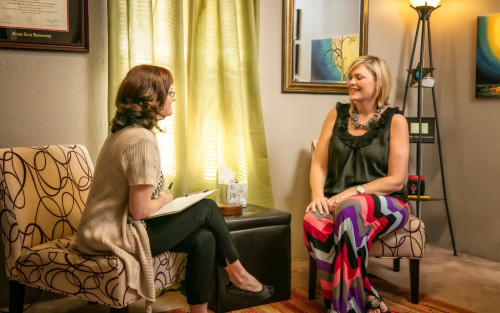
The Ranch at Dove Tree provides a range of evidence-based therapies, including eye movement desensitization and reprocessing (EMDR), cognitive behavioral therapy (CBT), exposure therapy, on-site equine therapy, family therapy, and 12-Step integration. They strive to treat the mind, body, and spirit for whole-person healing. In residential treatment, clients receive twice-weekly 1:1 therapy, a minimum of 6 daily hours of group programming, and 12-Step incorporation. Clients also create and follow a daily wellness routine. In their 30-day program, clients progress through the first 5 steps of the 12 Steps. In the 60-day program, they work through steps 6-9.
Family Care, Continued Services, and Transitional Living
The Ranch at Dove Tree provides intensive family care, with a monthly family weekend providing family therapy, multi-family groups, addiction education, and more. In addition to residential care, The Ranch at Dove Tree also offers day treatment, intensive outpatient, and gender-specific transitional living. Their day treatment program welcomes clients for 20 hours weekly, 2-5 pm Monday-Friday, with an evening group on Wednesdays. Their intensive outpatient program (IOP) offers a minimum of 15 weekly hours of care, with evening groups available. Day treatment and IOP can be done virtually. The Ranch at Dove Tree’s gender-specific transitional living has 24/7 therapeutic support, random drug testing, continued 1:1 and group therapy (clients participate in IOP during transitional living), and fun weekly outings.
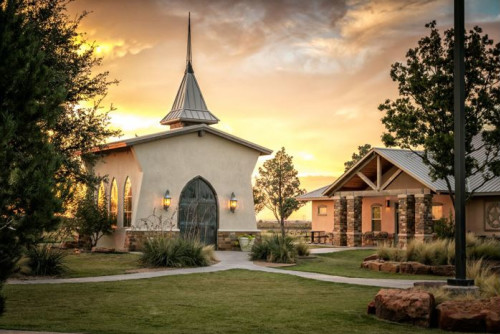
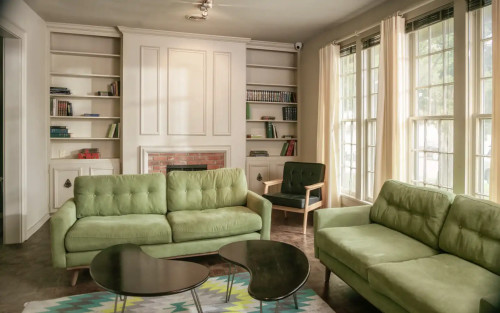
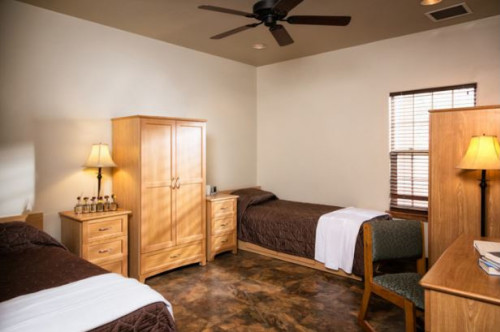
The Ranch at Dove Tree’s 15-acre campus has comfortable shared rooms, a fitness center, volleyball and basketball courts, a chapel, and an outdoor adventure program. Clients can also enjoy yoga, nutritional counseling, and nutritious meals/snacks throughout their stay.
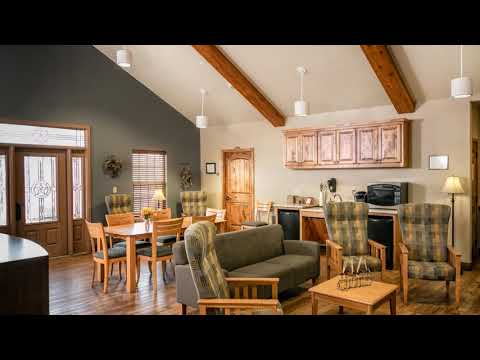
Center Overview
Treatment Focus
This center treats substance use disorders and co-occurring mental health conditions. Your treatment plan addresses each condition at once with personalized, compassionate care for comprehensive healing.
Joint Commission Accredited
The Joint Commission accreditation is a voluntary, objective process that evaluates and accredits healthcare organizations (like treatment centers) based on performance standards designed to improve quality and safety for patients. To be accredited means the treatment center has been found to meet the Commission's standards for quality and safety in patient care.

Insurance Accepted





Cash Pay Rates
Estimated Cash Pay Rate
Center pricing can vary based on program and length of stay. Contact the center for more information. Recovery.com strives for price transparency so you can make an informed decision.
Luxury rehab centers offer a unique blend of luxurious amenities and high-quality treatment. From private suites to gourmet dining, personal trainers to spa treatments, these facilities provide a high level of comfort and discretion.
Top 50 Rehabs in the World
Meet Your Care Team

Linda Pitman

Dr. Cherye Callegan
Medical Director
MD

Jeanette Franks
Director of Utilization Management
BA, LCDC

Vincent Sanchez
M.Ed., LPC
Katrina Toney

Mila Morris
Aicha Mahmoum
David Gainer
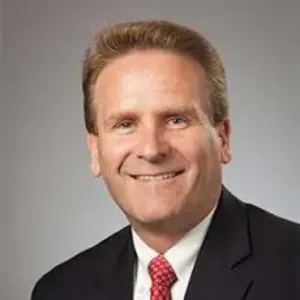
Sterling Shumway
Director of Family Programming
Ph.D., LMFT
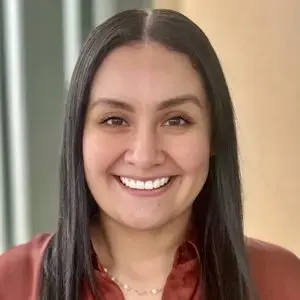
Amanda Sepeda


Levels of Care


Your Care Options
Specializations
Alcohol
Using alcohol as a coping mechanism, or drinking excessively throughout the week, signals an alcohol use disorder.
Cocaine
Cocaine is a stimulant with euphoric effects. Agitation, muscle ticks, psychosis, and heart issues are common symptoms of cocaine abuse.
Drug Addiction
Drug addiction is the excessive and repetitive use of substances, despite harmful consequences to a person's life, health, and relationships.
Veterans
Patients who completed active military duty receive specialized treatment focused on trauma, grief, loss, and finding a new work-life balance.
Trauma
Some traumatic events are so disturbing that they cause long-term mental health problems. Those ongoing issues can also be referred to as "trauma."
Who We Treat
LGBTQ+
Addiction and mental illnesses in the LGBTQ+ community must be treated with an affirming, safe, and relevant approach, which many centers provide.
Men and Women
Men and women attend treatment for addiction in a co-ed setting, going to therapy groups together to share experiences, struggles, and successes.
Veterans
Patients who completed active military duty receive specialized treatment focused on trauma, grief, loss, and finding a new work-life balance.
Approaches
Evidence-Based
A combination of scientifically rooted therapies and treatments make up evidence-based care, defined by their measured and proven results.
Gender-Specific
Separate treatment for men or women can create strong peer connections and remove barriers related to trauma, shame, and gender-specific nuances.
Holistic
A non-medicinal, wellness-focused approach that aims to align the mind, body, and spirit for deep and lasting healing.
Twelve Step
Incorporating spirituality, community, and responsibility, 12-Step philosophies prioritize the guidance of a Higher Power and a continuation of 12-Step practices.
Therapies
1-on-1 Counseling
Patient and therapist meet 1-on-1 to work through difficult emotions and behavioral challenges in a personal, private setting.
Equine Therapy
Guided interactions with trained horses, their handler, and a therapist can help patients improve their self-esteem, trust, empathy, and social skills.
Experiential Therapy
With this approach, patients heal by doing. Therapists help patients process difficult emotions to speak, using guided activities like art or dance.
Eye Movement Therapy (EMDR)
Lateral, guided eye movements help reduce the emotional reactions of retelling and reprocessing trauma, allowing intense feelings to dissipate.
Family Therapy
Family therapy addresses group dynamics within a family system, with a focus on improving communication and interrupting unhealthy relationship patterns.
Gestalt Therapy
This treatment teaches self-awareness, interrupts negative thought patterns, and gives patients insight into how their environment impacts mental health.
Hypnotherapy
A hypnotherapist guides patients through a trance-like state. This helps them identify and process subconscious emotions and regain inner control.
Languages
Conditions We Treat
Anxiety
Anxiety is a common mental health condition that can include excessive worry, panic attacks, physical tension, and increased blood pressure.
Depression
Symptoms of depression may include fatigue, a sense of numbness, and loss of interest in activities. This condition can range from mild to severe.
Stress
Stress is a natural reaction to challenges, and it can even help you adapt. However, chronic stress can cause physical and mental health issues.
Trauma
Some traumatic events are so disturbing that they cause long-term mental health problems. Those ongoing issues can also be referred to as "trauma."
Substances We Treat
Alcohol
Using alcohol as a coping mechanism, or drinking excessively throughout the week, signals an alcohol use disorder.
Benzodiazepines
Benzodiazepines are prescribed to treat anxiety and sleep issues. They are highly habit forming, and their abuse can cause mood changes and poor judgement.
Co-Occurring Disorders
A person with multiple mental health diagnoses, such as addiction and depression, has co-occurring disorders also called dual diagnosis.
Cocaine
Cocaine is a stimulant with euphoric effects. Agitation, muscle ticks, psychosis, and heart issues are common symptoms of cocaine abuse.
Drug Addiction
Drug addiction is the excessive and repetitive use of substances, despite harmful consequences to a person's life, health, and relationships.
Heroin
Heroin is a highly addictive and illegal opioid. It can cause insomnia, collapsed veins, heart issues, and additional mental health issues.
Methamphetamine
Methamphetamine, or meth, increases energy, agitation, and paranoia. Long-term use can result in severe physical and mental health issues.
Opioids
Opioids produce pain-relief and euphoria, which can lead to addiction. This class of drugs includes prescribed medication and the illegal drug heroin.
Prescription Drugs
It's possible to abuse any drug, even prescribed ones. If you crave a medication, or regularly take it more than directed, you may have an addiction.
Aftercare
Care Designed for Your Needs
Personal Amenities
Amenities
Special Considerations
Healthy Meals are provided
Great food meets great treatment, with providers serving healthy meals to restore nutrition, wellbeing, and health.
Gender-specific groups
Patients in gender-specific groups gain the opportunity to discuss challenges unique to their gender in a comfortable, safe setting conducive to healing.
First Responders Program
Paramedics, police officers, firefighters, and others join in a specific First Responders program, usually focused on trauma, grief, and work-life balance.
Activities
Yoga
Yoga is both a physical and spiritual practice. It includes a flow of movement, breathing techniques, and meditation.
What people are saying
Treatment
3.1
Accommodations
4.3
Food & Nutrition
4.2
Value
3.9
Stacey
Reviewed 01/24/25
Review from Rehabs.com
Jacob
Reviewed 01/03/25
Review from Rehabs.com
Kamie
Reviewed 06/17/24
Review from Rehabs.com
Shaun
Reviewed 11/04/19
Review from Rehabs.com
Anonymous
Reviewed 09/24/19
Review from Rehabs.com