- Addiction
- Mental Health
- About Us
Find Treatment By
Rehabs by Location


Find Treatment By
Learn
About Us
Recovery.com combines independent research with expert guidance on addiction and mental health treatment. Our mission is to help everyone find the best path to recovery through the most comprehensive, helpful network of treatment providers worldwide.
Advisory Council
Our advisory council brings together leaders in behavioral health, technology, and business. Their diverse expertise ensures our resources and product are innovative, evidence-based, and effective. They guide our mission as accomplished individuals dedicated to improving the landscape of addiction recovery and mental wellness.
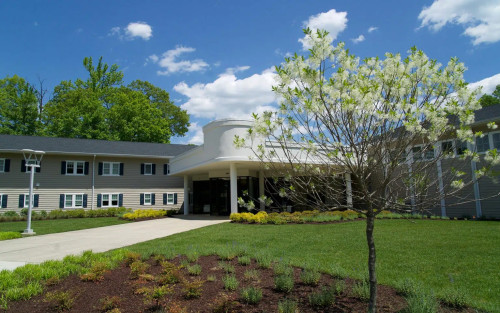

Recovery Centers of America at Capital Region
Verified Center
This provider's information has been quality-checked by Recovery.com's Research Team for accuracy and completeness, including center verification through appropriate third-party organizations.
Treatment Focus
This center treats substance use disorders and co-occurring mental health conditions. Your treatment plan addresses each condition at once with personalized, compassionate care for comprehensive healing.
Primary Level of Care
Offering intensive care with 24/7 monitoring, residential treatment is typically 30 days and can cover multiple levels of care. Length can range from 14 to 90 days typically.
Treatment Focus
This center treats substance use disorders and co-occurring mental health conditions. Your treatment plan addresses each condition at once with personalized, compassionate care for comprehensive healing.
Primary Level of Care
Offering intensive care with 24/7 monitoring, residential treatment is typically 30 days and can cover multiple levels of care. Length can range from 14 to 90 days typically.
Provider's Policy
We are in-network with many insurance providers.
Recovery Centers of America at Capital Region
Recovery Centers of America at Capital Region
About Recovery Centers of America at Capital Region
Ranked #6 in Maryland on Newsweek’s 2024 list of America’s Best Addiction Centers, RCA at Capital Region delivers clinically proven care with signature compassion. They treat substance use disorders and co-occurring mental health conditions through a full continuum of services, including medically monitored detox, residential, and day treatment and intensive outpatient programs (in-person or virtual). They also offer their Thrive program, providing specialized support for members of the LGBTQ+ community.
Navigate Recovery with 6 Guiding Principles
RCA applies six core tenets they’ve determined essential for every client to achieve sustained recovery. These include medications to reduce cravings and prevent relapse, daily 12-step meetings for peer support, and dialectical behavior therapy (DBT) skills training to manage emotions and cope with challenges. Clients also benefit from family involvement, strong alumni connections after discharge, and care that’s guided by real-time progress tracking to adapt and improve treatment along the way.
Recharge in a Restorative Setting
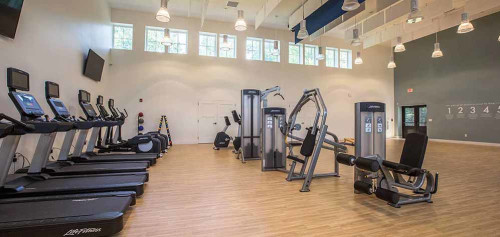
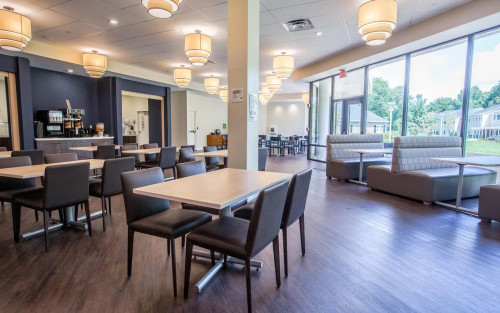
Just outside the Capital Beltway with direct access to Virginia and D.C., RCA’s Capital Region campus offers clients a modern, peaceful space to focus on recovery. Semi-private rooms provide comfort and quiet, while outdoor gazebos, picnic tables, and lawn games encourage connection. Clients can take advantage of the on-site gym and rec center, creating a balanced environment that blends rest, movement, and meaningful community during treatment.
Stay Supported with a Thriving Alumni Network
RCA’s alumni association helps clients stay supported and inspired long after treatment ends. They offer ongoing recovery meetings and sober events like movies, sports, and picnics to bring alumni together for fun, fellowship, and connection. Many events allow alumni to invite family and friends, so their support system can play an active role in recovery.

Highlights from the Center
Highlights
These highlights are provided by and paid for by the center.
Therapeutic Location
Perfect for Professionals
Private Rooms Available
Tech Friendly
Center Overview
Treatment Focus
This center treats substance use disorders and co-occurring mental health conditions. Your treatment plan addresses each condition at once with personalized, compassionate care for comprehensive healing.
Joint Commission Accredited
The Joint Commission accreditation is a voluntary, objective process that evaluates and accredits healthcare organizations (like treatment centers) based on performance standards designed to improve quality and safety for patients. To be accredited means the treatment center has been found to meet the Commission's standards for quality and safety in patient care.
Insurance Accepted





Cash Pay Rates
Estimated Cash Pay Rate
Center pricing can vary based on program and length of stay. Contact the center for more information. Recovery.com strives for price transparency so you can make an informed decision.
Meet Your Care Team

Robert Bunyon
Interim Chief Executive Officer, Recovery Centers of America at Capital Region | Corporate Vice President of Strategic Growth

Dr. Jeffrey Gall
Medical Director

Kent Alford
Director of Nursing
RN, BSN,MSN FNPc, B.C.

Thomas Jay Spears
Director of Admissions

Loreal Hamilton
Senior Alumni Coordinator for Capital Region

Craig Farrell
Interventionist


Levels of Care


Your Care Options
Specializations
Detox
Detox fully and safely removes toxic substances from the body, allowing the next steps in treatment to begin with a clean slate.
Co-Occurring Disorders
A person with multiple mental health diagnoses, such as addiction and depression, has co-occurring disorders also called dual diagnosis.
Flexible technology policies
Centers with flexible technology policies allow professionals to stay in touch with work and give patients a greater sense of connection and normalcy.
Intensive Outpatient Program
In an IOP, patients live at home or a sober living, but attend treatment typically 9-15 hours a week. Most programs include talk therapy, support groups, and other methods.
Residential
In a residential rehab program, patients live onsite, with access to daily treatment and 24-hour care. An average stay is 30-90 days.
Who We Treat
Executives
Executive treatment programs typically directly support the needs of people who manage businesses and may provide flexible schedules and office space to allow work during treatment.
Professionals
Busy, high-ranking professionals get the personalized treatment they need with greater accommodations for work, privacy, and outside communication.
Approaches
Evidence-Based
A combination of scientifically rooted therapies and treatments make up evidence-based care, defined by their measured and proven results.
Holistic
A non-medicinal, wellness-focused approach that aims to align the mind, body, and spirit for deep and lasting healing.
Therapies
1-on-1 Counseling
Patient and therapist meet 1-on-1 to work through difficult emotions and behavioral challenges in a personal, private setting.
Art Therapy
Visual art invites patients to examine the emotions within their work, focusing on the process of creativity and its gentle therapeutic power.
Family Therapy
Family therapy addresses group dynamics within a family system, with a focus on improving communication and interrupting unhealthy relationship patterns.
Medication-Assisted Treatment
Combined with behavioral therapy, prescribed medications can enhance treatment by relieving withdrawal symptoms and focus patients on their recovery.
Music Therapy
Singing, performing, and even listening to music can be therapeutic. Music therapy sessions are facilitated by certified counselors.
Psychoeducation
This method combines treatment with education, teaching patients about different paths toward recovery. This empowers them to make more effective decisions.
Languages
Conditions We Treat
Anxiety
Anxiety is a common mental health condition that can include excessive worry, panic attacks, physical tension, and increased blood pressure.
Codependency
Codependency is a pattern of emotional dependence and controlling behavior. It's most common among people with addicted loved ones.
Depression
Symptoms of depression may include fatigue, a sense of numbness, and loss of interest in activities. This condition can range from mild to severe.
Post Traumatic Stress Disorder
PTSD is a long-term mental health issue caused by a disturbing event or events. Symptoms include anxiety, dissociation, flashbacks, and intrusive thoughts.
Stress
Stress is a natural reaction to challenges, and it can even help you adapt. However, chronic stress can cause physical and mental health issues.
Trauma
Some traumatic events are so disturbing that they cause long-term mental health problems. Those ongoing issues can also be referred to as "trauma."
Substances We Treat
Alcohol
Using alcohol as a coping mechanism, or drinking excessively throughout the week, signals an alcohol use disorder.
Co-Occurring Disorders
A person with multiple mental health diagnoses, such as addiction and depression, has co-occurring disorders also called dual diagnosis.
Drug Addiction
Drug addiction is the excessive and repetitive use of substances, despite harmful consequences to a person's life, health, and relationships.
Aftercare
Care Designed for Your Needs
Personal Amenities
Special Considerations
LGBTQ group
Group therapy unites LGBTQ+ patients in a safe and culturally competent setting, encouraging peer support under the expert leadership of a therapist.
Flexible technology policies
Centers with flexible technology policies allow professionals to stay in touch with work and give patients a greater sense of connection and normalcy.
Activities
Off-Site Amenities
What people are saying
Treatment
4.3
Accommodations
4.1
Food & Nutrition
4.1
Value
4.2
Steve
Reviewed 11/18/21
Review from Rehabs.com
M.M.J.
Reviewed 11/13/19
Review from Rehabs.com
B.S.
Reviewed 05/30/19
Review from Rehabs.com
Jennifer
Reviewed 05/02/19
Review from Rehabs.com
Anonymous
Reviewed 06/16/16
Review from Rehabs.com