- Addiction
- Mental Health
- About Us
Find Treatment By
Rehabs by Location


Find Treatment By
Learn
About Us
Recovery.com combines independent research with expert guidance on addiction and mental health treatment. Our mission is to help everyone find the best path to recovery through the most comprehensive, helpful network of treatment providers worldwide.
Advisory Council
Our advisory council brings together leaders in behavioral health, technology, and business. Their diverse expertise ensures our resources and product are innovative, evidence-based, and effective. They guide our mission as accomplished individuals dedicated to improving the landscape of addiction recovery and mental wellness.


AMFM Mental Health Treatment
Treatment Focus
This center treats mental health conditions and co-occurring substance use. You receive collaborative, individualized treatment that addresses both issues for whole-person healing.
Primary Level of Care
Offering intensive care with 24/7 monitoring, residential treatment is typically 30 days and can cover multiple levels of care. Length can range from 14 to 90 days typically.
Claimed
Recovery.com has connected directly with this treatment provider to validate the information in their profile.
Treatment Focus
This center treats mental health conditions and co-occurring substance use. You receive collaborative, individualized treatment that addresses both issues for whole-person healing.
Primary Level of Care
Offering intensive care with 24/7 monitoring, residential treatment is typically 30 days and can cover multiple levels of care. Length can range from 14 to 90 days typically.
Provider's Policy
AMFM is in-network with many providers and works with most PPO insurance plans, which can cover 100% of treatment costs after deductibles are met. Our insurance experts offer a free, confidential benefit verification to provide you with a clear understanding of the potential costs at our facility and how to make the most of your insurance benefits.
AMFM Mental Health Treatment
AMFM Mental Health Treatment
About AMFM Mental Health Treatment
At AMFM Fallbrook RTC for Men, individuals with depression, anxiety, trauma, bipolar disorder, and other complex mental health challenges embark on a transformative recovery journey. This gender-specific residential center provides 24/7 care and proactive aftercare planning, creating a structured environment that promotes healing. Set in the tranquil Santa Margarita foothills, the program integrates small-group work, outdoor renewal, and exceptional clinical leadership to inspire meaningful, enduring change.
Achieve Lasting Recovery with Whole-Person Care
The AMFM care model combines individual therapy, group sessions, and wellness activities to address each client’s unique challenges and goals. Group settings create a space for shared experiences and community support, while therapies like yoga, art, mindfulness, and somatic experiencing nurture emotional balance. Clients also take part in adventure outings that enhance connection and growth. Weekly psychiatry sessions ensure thoughtful medication management, aligning with therapeutic plans to support overall recovery.
Recharge and Connect in Restorative Surroundings
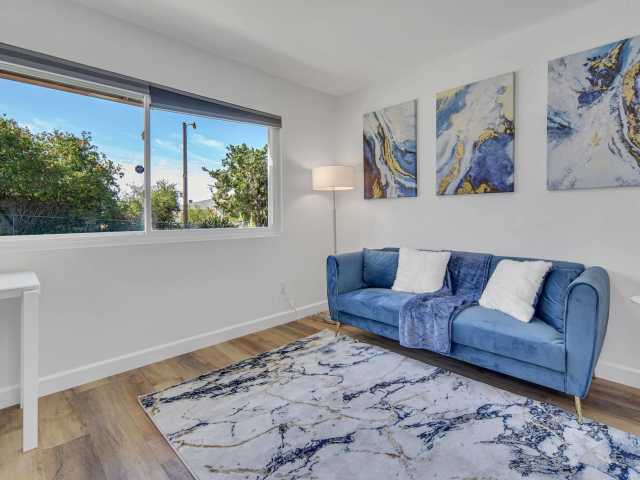
Residents at AMFM enjoy spacious double-occupancy rooms, offering a balance of privacy and peer connection. Chef-prepared meals cater to wellness and nourishment, while shared living areas like lounges, basketball courts, and the outdoor pool invite moments of reflection or social engagement. A private fitness center, guided by a personal trainer, and the peaceful garden spaces surrounded by foothill views create an inspiring atmosphere for restoration.
Sustain Recovery with Ongoing Support
The discharge planning process at AMFM begins in the first week of admission, underscoring its significance for long-term healing. Tailored outpatient therapy referrals, supportive housing arrangements, and comprehensive discharge planning ensure that no client leaves without a clear path forward. Alumni stay connected through in-person and virtual groups, social events, and workforce reintegration support, reinforcing the bonds and progress built during residential treatment.
Center Overview
Treatment Focus
This center treats mental health conditions and co-occurring substance use. You receive collaborative, individualized treatment that addresses both issues for whole-person healing.
Joint Commission Accredited
The Joint Commission accreditation is a voluntary, objective process that evaluates and accredits healthcare organizations (like treatment centers) based on performance standards designed to improve quality and safety for patients. To be accredited means the treatment center has been found to meet the Commission's standards for quality and safety in patient care.

Insurance Accepted






Cash Pay Rates
Estimated Cash Pay Rate
Center pricing can vary based on program and length of stay. Contact the center for more information. Recovery.com strives for price transparency so you can make an informed decision.
Meet Your Care Team

Angeleena Francis
Vice President of Operations
LMHC

Dr. William Dodge
Chief Medical Officer
MD

Dr. Geoffrey Phillips
Psychiatrist
ABPN

Dr. Meghan Marcum
Chief Psychologist
PsyD, ABPP
Christina Kayanan
Executive Director
LMFT, LAADC

Elisabeth Baer
Experiential Group Facilitator

Eric Schlothan
Clinical Director
LCSW

Fahdi Aboushameh
Clinical Case Manager

Rey-Phillip Genaldo
Clinical Director

Letissa Valentine-Celindro
Primary Therapist ll

Michael Woode
Primary Therapist ll

Rebecca Lazuka
Primary Therapist l

Vanessa Lopez
Primary Therapist l

Zeena Aljawad
Primary Therapist l
James Battles
Primary Therapist l

Andrea Moore
Primary Therapist l

Kelly Bello
Clinical Case Manager

Nicole Kirksey
Clinical Case Manager

Alyse Ballou
Clinical Case Manager

Reno Galassi
Clinical Group Facilitator

Ian Baer
Clinical Group Facilitator

James Johnson
Wellness Coordinator



Levels of Care


Your Care Options
Specializations
Schizophrenia
Schizophrenia is a serious mental health condition that causes hallucinations, delusions, and disordered thinking.
Anxiety
Anxiety is a common mental health condition that can include excessive worry, panic attacks, physical tension, and increased blood pressure.
Bipolar
This mental health condition is characterized by extreme mood swings between depression, mania, and remission.
Depression
Symptoms of depression may include fatigue, a sense of numbness, and loss of interest in activities. This condition can range from mild to severe.
Trauma
Some traumatic events are so disturbing that they cause long-term mental health problems. Those ongoing issues can also be referred to as "trauma."
Who We Treat
Executives
Executive treatment programs typically directly support the needs of people who manage businesses and may provide flexible schedules and office space to allow work during treatment.
Young Adults
Emerging adults ages 18-25 receive treatment catered to the unique challenges of early adulthood, like college, risky behaviors, and vocational struggles.
LGBTQ+
Addiction and mental illnesses in the LGBTQ+ community must be treated with an affirming, safe, and relevant approach, which many centers provide.
Midlife Adults
For adults ages 40+, treatment shifts to focus on the unique challenges, blocks, and risk factors of their age group, and unites peers in a similar community.
Professionals
Busy, high-ranking professionals get the personalized treatment they need with greater accommodations for work, privacy, and outside communication.
Veterans
Patients who completed active military duty receive specialized treatment focused on trauma, grief, loss, and finding a new work-life balance.
Approaches
Evidence-Based
A combination of scientifically rooted therapies and treatments make up evidence-based care, defined by their measured and proven results.
Family Involvement
Providers involve family in the treatment of their loved one through family therapy, visits, or both–because addiction is a family disease.
Medical
Medical addiction treatment uses approved medications to manage withdrawals and cravings, and to treat contributing mental health conditions.
Therapies
1-on-1 Counseling
Patient and therapist meet 1-on-1 to work through difficult emotions and behavioral challenges in a personal, private setting.
Acceptance and Commitment Therapy (ACT)
This cognitive behavioral therapy teaches patients to accept challenging feelings and make the appropriate changes to reach personal goals.
Art Therapy
Visual art invites patients to examine the emotions within their work, focusing on the process of creativity and its gentle therapeutic power.
Attachment-Based Family Therapy
ABFT is a trauma-focused therapy that teaches you to form healthy relationships by rebuilding trust and healing attachment issues formed in childhood.
Equine Therapy
Guided interactions with trained horses, their handler, and a therapist can help patients improve their self-esteem, trust, empathy, and social skills.
Experiential Therapy
With this approach, patients heal by doing. Therapists help patients process difficult emotions to speak, using guided activities like art or dance.
Expressive Arts
Creative processes like art, writing, or dance use inner creative desires to help boost confidence, emotional growth, and initiate change.
Languages
Conditions We Treat
ADHD, ADD
ADHD is a common mental health condition caused by dopamine imbalance. Common symptoms include inattention, hyperactivitiy, and impulsivity.
Anxiety
Anxiety is a common mental health condition that can include excessive worry, panic attacks, physical tension, and increased blood pressure.
Bipolar
This mental health condition is characterized by extreme mood swings between depression, mania, and remission.
Burnout
Burnout entails mental and physical exhaustion, and leads to a severe lack of fulfillment. This condition is often caused by overwork.
Codependency
Codependency is a pattern of emotional dependence and controlling behavior. It's most common among people with addicted loved ones.
Depression
Symptoms of depression may include fatigue, a sense of numbness, and loss of interest in activities. This condition can range from mild to severe.
Grief and Loss
Grief is a natural reaction to loss, but severe grief can interfere with your ability to function. You can get treatment for this condition.
Obsessive Compulsive Disorder (OCD)
OCD is characterized by intrusive and distressing thoughts that drive repetitive behaviors. This pattern disrupts daily life and relationships.
Substances We Treat
Co-Occurring Disorders
A person with multiple mental health diagnoses, such as addiction and depression, has co-occurring disorders also called dual diagnosis.
Aftercare
Care Designed for Your Needs
Personal Amenities
Amenities
Special Considerations
Gender-specific groups
Patients in gender-specific groups gain the opportunity to discuss challenges unique to their gender in a comfortable, safe setting conducive to healing.
Activities
Yoga
Yoga is both a physical and spiritual practice. It includes a flow of movement, breathing techniques, and meditation.