- Addiction
- Mental Health
- About Us
Find Treatment By
Rehabs by Location


Find Treatment By
Learn
About Us
Recovery.com combines independent research with expert guidance on addiction and mental health treatment. Our mission is to help everyone find the best path to recovery through the most comprehensive, helpful network of treatment providers worldwide.
Advisory Council
Our advisory council brings together leaders in behavioral health, technology, and business. Their diverse expertise ensures our resources and product are innovative, evidence-based, and effective. They guide our mission as accomplished individuals dedicated to improving the landscape of addiction recovery and mental wellness.
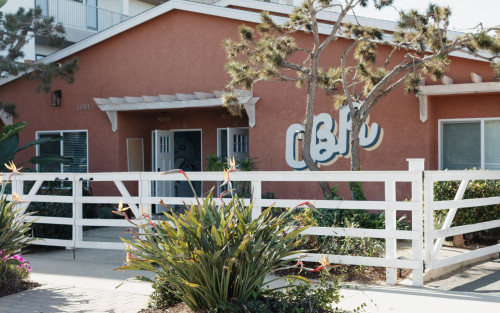


Carlsbad Beach Recovery
Verified Center
This provider's information has been quality-checked by Recovery.com's Research Team for accuracy and completeness, including center verification through appropriate third-party organizations.
Treatment Focus
This center treats substance use disorders and co-occurring mental health conditions. Your treatment plan addresses each condition at once with personalized, compassionate care for comprehensive healing.
Primary Level of Care
Treatment Focus
This center treats substance use disorders and co-occurring mental health conditions. Your treatment plan addresses each condition at once with personalized, compassionate care for comprehensive healing.
Primary Level of Care
Provider's Policy
We work with most insurances on an out-of-network basis including Anthem, BlueCross, Aetna, Cigna, Empire Blue, Regence, Premera, United Healthcare, UMR, GEHA, Sutter, Magellan, and Blue Shield. We do not accept HMOs, Medicaid, Medicare, or Medi-Cal. We'll help you understand what your plan covers.
Carlsbad Beach Recovery
Carlsbad Beach Recovery
About Carlsbad Beach Recovery
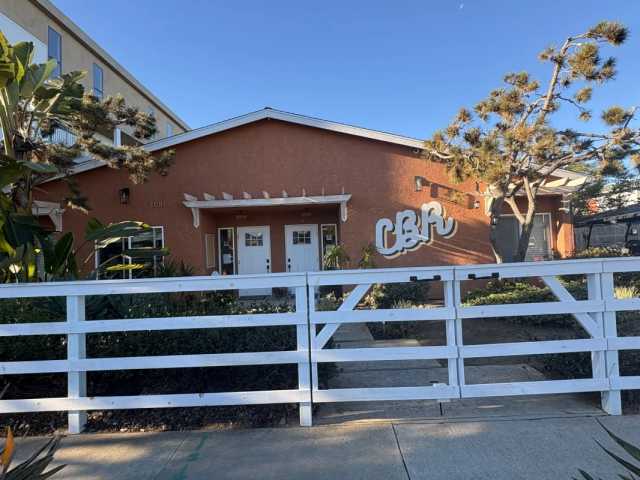
Carlsbad Beach Recovery combines clinical excellence, holistic therapies, and community engagement for clients facing substance use, co-occurring mental health challenges, and risk-taking behaviors like gambling, gaming, internet, and shopping addictions. They offer partial hospitalization (PHP) for those who require structure and immersive care, and an intensive outpatient program (IOP) with greater flexibility for those balancing treatment with daily responsibilities. Both programs are designed to be paired with sober housing.
Feel Empowered by Therapies & Life Skills
Carlsbad Beach Recovery integrates evidence-based and holistic therapies into every plan to address both addiction and mental health. Clients benefit from one-on-one sessions to explore personal challenges, as well as group counseling that builds community and combats isolation. Cognitive behavioral therapy (CBT) and dialectical behavior therapy (DBT) help clients change destructive thought patterns and develop healthier coping mechanisms. They also incorporate motivational interviewing to inspire commitment, as well as nutrition planning, mindfulness practices, and life-skills training.
Gain Confidence in Sober Housing
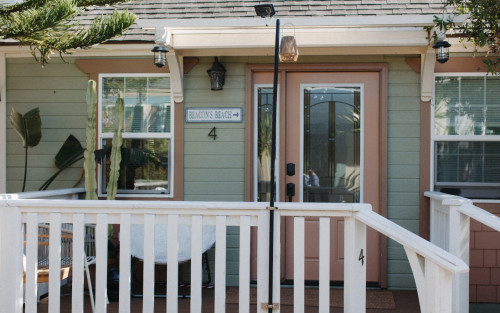
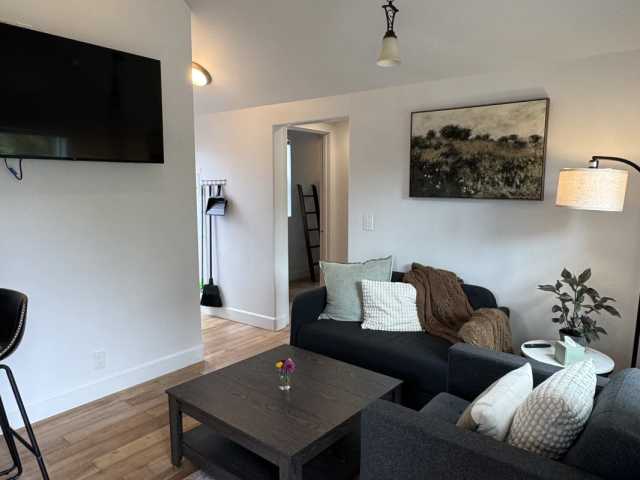
Clients are encouraged to pair their outpatient program with sober living in CBR’s contracted houses that are not like typical shared recovery homes. Located one block from the treatment center and two blocks from the beach in downtown Carlsbad, these individual, upscale beach bungalows each accommodate 2-4 guests. The downtown location provides an ideal setting for leisurely beach walks, meditation, and outdoor activities.
Stay Sober and Supported After Treatment
CBR’s aftercare services act as the bridge between treatment and daily life, helping clients take the tools they developed and apply them in the real world. They host monthly events that keep recovery social and fun—beach BBQs, sunset hikes, speaker nights, and community volunteering. A members-only digital community keeps alumni connected to resources and each other. One-on-one coaching and “refresher” outpatient care are available when life throws curveballs.
Highlights from the Center
Highlights
These highlights are provided by and paid for by the center.
1-on-1 Counseling
Holistic Approach
Beach Access
Tech Friendly
Center Overview
Treatment Focus
This center treats substance use disorders and co-occurring mental health conditions. Your treatment plan addresses each condition at once with personalized, compassionate care for comprehensive healing.
Recently helped 1 person via Recovery.com

Insurance Accepted








Cash Pay Rates
Estimated Cash Pay Rate
Center pricing can vary based on program and length of stay. Contact the center for more information. Recovery.com strives for price transparency so you can make an informed decision.


Recovery.com Verified Listing
Recovery.com verified that the name, location, contact information and license to operate for this treatment provider are valid and up-to-date.

Licensed by California DHCS
Recovery.com is an independent, third-party mental health resource. Verification does not imply endorsement and does not guarantee the quality of treatment services.
Meet Your Care Team

Bobby Nassiri
Executive Director

Rachel Querry
Clinical Director and Therapist
LCSW

Nima Ardehali
Program Director

Dr Warren Taff
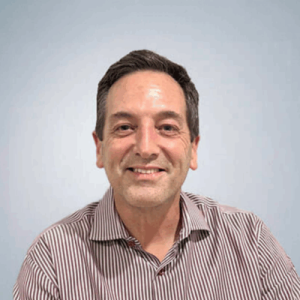
Mike Kelly
Nurse Practitioner

Melody Javid
Behavioral Health Technician

Yesmeen Mikhail
Associate Marriage and Family Therapist

Cayden Hoesch
Behavioral Health Technician
Your Care Options
Specializations
Day Treatment
In a PHP, patients live at home but follow an intensive schedule of treatment. Most programs require you to be on-site for about 40 hours per week.
Alcohol
Using alcohol as a coping mechanism, or drinking excessively throughout the week, signals an alcohol use disorder.
Intensive Outpatient Program
In an IOP, patients live at home or a sober living, but attend treatment typically 9-15 hours a week. Most programs include talk therapy, support groups, and other methods.
Opioids
Opioids produce pain-relief and euphoria, which can lead to addiction. This class of drugs includes prescribed medication and the illegal drug heroin.
Outpatient
During outpatient rehab, patients attend a structured treatment program while continuing to live at home.
Professionals
Busy, high-ranking professionals get the personalized treatment they need with greater accommodations for work, privacy, and outside communication.
Veterans
Patients who completed active military duty receive specialized treatment focused on trauma, grief, loss, and finding a new work-life balance.
Who We Treat
Executives
Executive treatment programs typically directly support the needs of people who manage businesses and may provide flexible schedules and office space to allow work during treatment.
Young Adults
Emerging adults ages 18-25 receive treatment catered to the unique challenges of early adulthood, like college, risky behaviors, and vocational struggles.
Men and Women
Men and women attend treatment for addiction in a co-ed setting, going to therapy groups together to share experiences, struggles, and successes.
Professionals
Busy, high-ranking professionals get the personalized treatment they need with greater accommodations for work, privacy, and outside communication.
Veterans
Patients who completed active military duty receive specialized treatment focused on trauma, grief, loss, and finding a new work-life balance.
Treatment Services
Accepts Patients with Prescribed Medications for Alcohol Use Disorder
The provider accepts patients with prescribed medications for addiction treatment, also known as Medication-Assisted Treatment (MAT), for alcohol use.
Accepts Patients with Prescribed Medications for Opioid Use Disorder
The provider accepts patients with prescribed medications for addiction treatment, also known as Medication-Assisted Treatment (MAT), for opioid use.
Day Treatment
In a PHP, patients live at home but follow an intensive schedule of treatment. Most programs require you to be on-site for about 40 hours per week.
Intensive Outpatient Program
In an IOP, patients live at home or a sober living, but attend treatment typically 9-15 hours a week. Most programs include talk therapy, support groups, and other methods.
Outpatient
During outpatient rehab, patients attend a structured treatment program while continuing to live at home.
Prescribes Medications for Alcohol Use Disorder
The provider prescribes medications for addiction treatment, also known as Medication-Assisted Treatment (MAT), for alcohol use.
Prescribes Medications for Opioid Use Disorder
The provider prescribes medications for addiction treatment, also known as Medication-Assisted Treatment (MAT), for opioid use.
Sober Living
These structured living environments help people transition out of rehab. Residents have more freedom than they do during rehab, but still follow certain rules.
Approaches
Evidence-Based
A combination of scientifically rooted therapies and treatments make up evidence-based care, defined by their measured and proven results.
Family Involvement
Providers involve family in the treatment of their loved one through family therapy, visits, or both–because addiction is a family disease.
Holistic
A non-medicinal, wellness-focused approach that aims to align the mind, body, and spirit for deep and lasting healing.
Individual Treatment
Individual care meets the needs of each patient, using personalized treatment to provide them the most relevant care and greatest chance of success.
Therapies
1-on-1 Counseling
Patient and therapist meet 1-on-1 to work through difficult emotions and behavioral challenges in a personal, private setting.
Eye Movement Therapy (EMDR)
Lateral, guided eye movements help reduce the emotional reactions of retelling and reprocessing trauma, allowing intense feelings to dissipate.
Family Therapy
Family therapy addresses group dynamics within a family system, with a focus on improving communication and interrupting unhealthy relationship patterns.
Life Skills
Teaching life skills like cooking, cleaning, clear communication, and even basic math provides a strong foundation for continued recovery.
Meditation & Mindfulness
A practiced state of mind that brings patients to the present. It allows them to become fully aware of themselves, their feelings, and the present moment.
Mindfulness Therapy
This ancient practice can be mental, emotional, and even spiritual. In meditation, you focus your attention on the present moment without judgement.
Languages
Conditions We Treat
ADHD, ADD
ADHD is a common mental health condition caused by dopamine imbalance. Common symptoms include inattention, hyperactivitiy, and impulsivity.
Anger
Although anger itself isn't a disorder, it can get out of hand. If this feeling interferes with your relationships and daily functioning, treatment can help.
Anxiety
Anxiety is a common mental health condition that can include excessive worry, panic attacks, physical tension, and increased blood pressure.
Bipolar
This mental health condition is characterized by extreme mood swings between depression, mania, and remission.
Chronic Pain Management
Long-term physical pain can have an affect on mental health. Without support, it can also impact your daily life and even lead to addiction.
Codependency
Codependency is a pattern of emotional dependence and controlling behavior. It's most common among people with addicted loved ones.
Depression
Symptoms of depression may include fatigue, a sense of numbness, and loss of interest in activities. This condition can range from mild to severe.
Gambling
Excessive, repetitive gambling causes financial and interpersonal problems. This addiction can interfere with work, friendships, and familial relationships.
Gaming
Compulsive gaming is most often a problem for children and teens. The disorder can affect physical health, sleep, and the ability to focus at school.
Substances We Treat
Alcohol
Using alcohol as a coping mechanism, or drinking excessively throughout the week, signals an alcohol use disorder.
Benzodiazepines
Benzodiazepines are prescribed to treat anxiety and sleep issues. They are highly habit forming, and their abuse can cause mood changes and poor judgement.
Chronic Relapse
Consistent relapse occurs repeatedly, after partial recovery from addiction. This condition requires long-term treatment.
Co-Occurring Disorders
A person with multiple mental health diagnoses, such as addiction and depression, has co-occurring disorders also called dual diagnosis.
Cocaine
Cocaine is a stimulant with euphoric effects. Agitation, muscle ticks, psychosis, and heart issues are common symptoms of cocaine abuse.
Drug Addiction
Drug addiction is the excessive and repetitive use of substances, despite harmful consequences to a person's life, health, and relationships.
Ecstasy
Ecstasy is a stimulant that causes intense euphoria and heightened awareness. Abuse of this drug can trigger depression, insomnia, and memory problems.
Heroin
Heroin is a highly addictive and illegal opioid. It can cause insomnia, collapsed veins, heart issues, and additional mental health issues.
Aftercare
Care Designed for Your Needs
Personal Amenities
Amenities
Special Considerations
Young Adults Program
Programs for young adults bring teens 18+ together to discuss age-specific challenges, vocational and educational progress, and successes in treatment.
Gender-specific groups
Patients in gender-specific groups gain the opportunity to discuss challenges unique to their gender in a comfortable, safe setting conducive to healing.
Flexible technology policies
Centers with flexible technology policies allow professionals to stay in touch with work and give patients a greater sense of connection and normalcy.
Executive Program
Addiction and mental health treatment for executives typically involves high discretion, greater technology access, and more private, 1-on-1 care.
Off-Site Activities
Off-Site Amenities
Smoking and Vaping Policy
Learn More About the Center
Unlocking the Power of Holistic Therapy
Discover how holistic therapy can deepen recovery through mind-body practices and daily rituals.
Partial Hospitalization
Explore what PHP includes and decide if structured daytime care fits current needs.
Intensive Outpatient Program
Learn how IOP supports recovery while balancing work, family, and real-world responsibilities.
Outpatient Rehab with a Bungalow
See how sober living can strengthen outpatient progress.