- Addiction
- Mental Health
- About Us
Find Treatment By
Rehabs by Location


Find Treatment By
Learn
About Us
Recovery.com combines independent research with expert guidance on addiction and mental health treatment. Our mission is to help everyone find the best path to recovery through the most comprehensive, helpful network of treatment providers worldwide.
Advisory Council
Our advisory council brings together leaders in behavioral health, technology, and business. Their diverse expertise ensures our resources and product are innovative, evidence-based, and effective. They guide our mission as accomplished individuals dedicated to improving the landscape of addiction recovery and mental wellness.
Cygnet Turls Hill Road
Treatment Focus
This center treats mental health conditions and co-occurring substance use. You receive collaborative, individualized treatment that addresses both issues for whole-person healing.
Primary Level of Care
Offering intensive care with 24/7 monitoring, residential treatment is typically 30 days and can cover multiple levels of care. Length can range from 14 to 90 days typically.
Claimed
Recovery.com has connected directly with this treatment provider to validate the information in their profile.
Treatment Focus
This center treats mental health conditions and co-occurring substance use. You receive collaborative, individualized treatment that addresses both issues for whole-person healing.
Primary Level of Care
Offering intensive care with 24/7 monitoring, residential treatment is typically 30 days and can cover multiple levels of care. Length can range from 14 to 90 days typically.
Provider's Policy
Please contact for inquiries.
Cygnet Turls Hill Road
Cygnet Turls Hill Road
About Cygnet Turls Hill Road
The team at Cygnet is dedicated to providing a positive and comfortable experience and atmosphere, with specialised high support inpatient rehabilitation for men experiencing mental illness, with a focus on achieving community reintegration. Ideal candidates for their Turls Hill Road location after completing a higher level of care from their Sedgley House and Lodge for men, and are looking for a lower level of transitional living support while maintaining access to the same multidisciplinary team of specialists.
Admission to Cygnet Health Care is not open to direct self-referral; the organization does not accept patients who contact the facilities directly to arrange their own treatment. As a primary partner to the NHS and local authorities, Cygnet Health Care operates almost exclusively through professional referrals funded by public health bodies. Prospective patients require a formal referral from a licensed healthcare provider, such as a General Practitioner (GP), social worker, or Community Mental Health Team (CMHT), to secure a placement. Individuals seeking care at a Cygnet facility must work with their existing medical team to facilitate an assessment and subsequent admission.
Community Rehabilitation
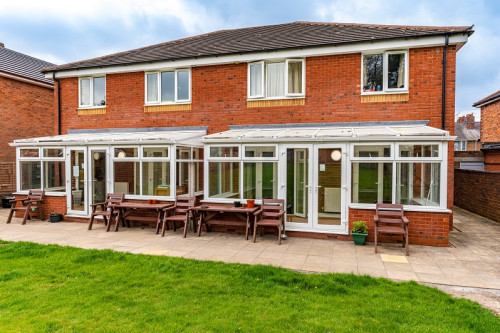
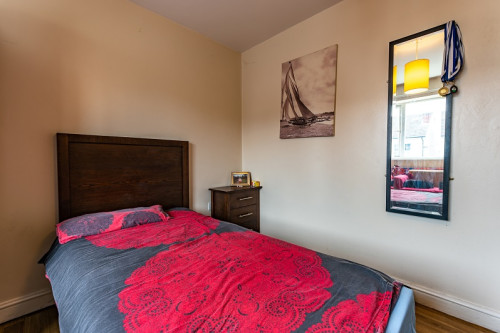
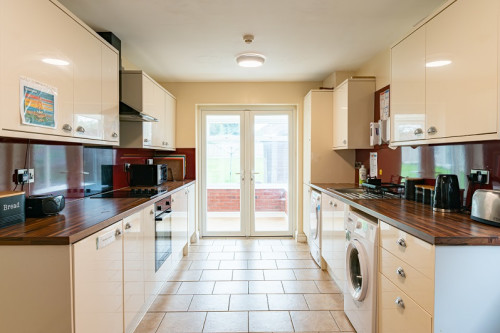
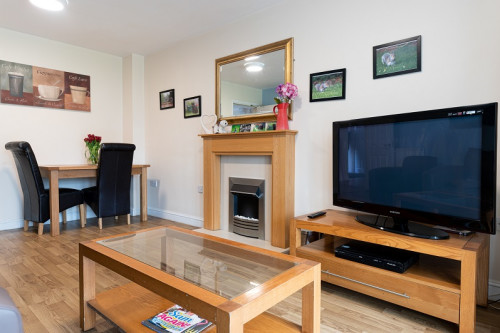
Cygnet Turls Hill Road is a 6-bed facility designed to provide a stimulating environment in an intimate setting for men who are ready to begin their transition into independent living. Their therapeutic setting allows clients to continue their recovery journeys with reduced intervention from staff as they transition back into an independent lifestyle. The home-like surroundings are equipped with ensuite bedrooms, access to a shared kitchen and living areas, and a large garden and outdoor area for clients to enjoy. Residents are given a weekly shopping budget to buy fresh, nutritious foods, and are encouraged to prepare and cook meals independently with help available 24/7 if necessary. The convenient location is strategically within close proximity of many amenities to aid in rehabilitation, such as libraries, vocational and educational training, shops, and sport and leisure, with easy access to public transport. Each client’s progress is monitored and reviewed once per month, with 1-on-1 weekly meetings with therapists offered additionally.
With a blend of occupational therapy, psychology and clinical interventions, Cygnet Turls Hill Road provides a balanced approach, helping men enhance their personal and professional skills and rebuild their lives.
Center Overview
Treatment Focus
This center treats mental health conditions and co-occurring substance use. You receive collaborative, individualized treatment that addresses both issues for whole-person healing.
Insurance Accepted

Cash Pay Rates
Estimated Cash Pay Rate
Center pricing can vary based on program and length of stay. Contact the center for more information. Recovery.com strives for price transparency so you can make an informed decision.
Levels of Care


Your Care Options
Specializations
Schizophrenia
Schizophrenia is a serious mental health condition that causes hallucinations, delusions, and disordered thinking.
Bipolar
This mental health condition is characterized by extreme mood swings between depression, mania, and remission.
Who We Treat
Approaches
Evidence-Based
A combination of scientifically rooted therapies and treatments make up evidence-based care, defined by their measured and proven results.
Gender-Specific
Separate treatment for men or women can create strong peer connections and remove barriers related to trauma, shame, and gender-specific nuances.
Therapeutic Community
Therapeutic communities allow patients to contribute to the success and progress of their community, through healthy behaviors or even basic chores.
Therapies
1-on-1 Counseling
Patient and therapist meet 1-on-1 to work through difficult emotions and behavioral challenges in a personal, private setting.
Family Therapy
Family therapy addresses group dynamics within a family system, with a focus on improving communication and interrupting unhealthy relationship patterns.
Life Skills
Teaching life skills like cooking, cleaning, clear communication, and even basic math provides a strong foundation for continued recovery.
Recreation Therapy
In recreation therapy, recovery can be joyful. Patients practice social skills and work through emotional triggers by engaging in fun activities.
Relapse Prevention Counseling
Relapse prevention counselors teach patients to recognize the signs of relapse and reduce their risk.
Languages
Conditions We Treat
Bipolar
This mental health condition is characterized by extreme mood swings between depression, mania, and remission.
Depression
Symptoms of depression may include fatigue, a sense of numbness, and loss of interest in activities. This condition can range from mild to severe.
Personality Disorders
Personality disorders destabilize the way a person thinks, feels, and behaves. If untreated, they can undermine relationships and lead to severe distress.
Schizophrenia
Schizophrenia is a serious mental health condition that causes hallucinations, delusions, and disordered thinking.
Substances We Treat
Co-Occurring Disorders
A person with multiple mental health diagnoses, such as addiction and depression, has co-occurring disorders also called dual diagnosis.
Drug Addiction
Drug addiction is the excessive and repetitive use of substances, despite harmful consequences to a person's life, health, and relationships.