- Addiction
- Mental Health
- About Us
Find Treatment By
Rehabs by Location


Find Treatment By
Learn
About Us
Recovery.com combines independent research with expert guidance on addiction and mental health treatment. Our mission is to help everyone find the best path to recovery through the most comprehensive, helpful network of treatment providers worldwide.
Advisory Council
Our advisory council brings together leaders in behavioral health, technology, and business. Their diverse expertise ensures our resources and product are innovative, evidence-based, and effective. They guide our mission as accomplished individuals dedicated to improving the landscape of addiction recovery and mental wellness.
Emmanuel House
Treatment Focus
This center treats substance use disorders and co-occurring mental health conditions. Your treatment plan addresses each condition at once with personalized, compassionate care for comprehensive healing.
Primary Level of Care
Offering intensive care with 24/7 monitoring, residential treatment is typically 30 days and can cover multiple levels of care. Length can range from 14 to 90 days typically.
This provider hasn't verified their profile's information. Are you the owner of this center? Claim your listing to better manage your presence on Recovery.com.
Treatment Focus
This center treats substance use disorders and co-occurring mental health conditions. Your treatment plan addresses each condition at once with personalized, compassionate care for comprehensive healing.
Primary Level of Care
Offering intensive care with 24/7 monitoring, residential treatment is typically 30 days and can cover multiple levels of care. Length can range from 14 to 90 days typically.
Private Pay
You pay directly for treatment out of pocket. This approach can offer enhanced privacy and flexibility, without involving insurance. Exact costs vary based on program and length of stay. Contact the center for specific details.
Emmanuel House
Emmanuel House
About Emmanuel House
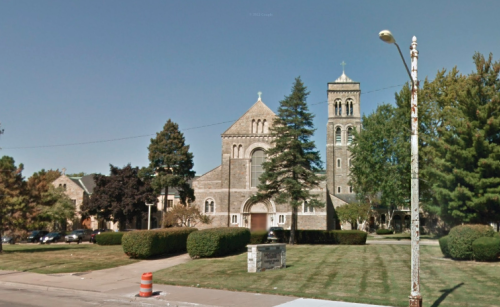
Located in Detroit, this faith-based non-profit residential center helps homeless male veterans facing substance use and mental health challenges. The program includes transitional housing, a recovery track, and emergency shelter. Veterans receive support with employment, resume writing, interview skills, and transportation to job opportunities. The center works closely with the VA to ensure each resident has access to consistent care, housing support, and a path toward stability.
Use Tools That Restore Direction
The program uses a structured, evidence-based approach rooted in 12-step recovery, cognitive behavioral therapy (CBT), and psychoeducation. Clients attend daily group sessions, life skills classes, and individual counseling. On-site nurses oversee medication management and collaborate with mental health providers to ensure treatment is effective. Each resident works closely with a case manager to set goals, build life skills, and address co-occurring mental health and substance use concerns.
Create Stability Through Shelter
Residents live in a drug-free, semi-independent housing setting that includes shared rooms, in-house dining, and access to faith-based services. The main campus operates from a restored stone church, with additional homes across Detroit for those ready to transition toward independence. Amenities include peer mentoring, family support services, transportation to jobs and appointments, and group activities focused on healing, growth, and connection.
Supporting Every Stage of Recovery
The center runs transitional, recovery, and emergency housing programs across Detroit. It offers 70 transitional beds, 20 recovery beds, and 20 emergency shelter beds to support veterans at different stages of recovery.
Center Overview
Treatment Focus
This center treats substance use disorders and co-occurring mental health conditions. Your treatment plan addresses each condition at once with personalized, compassionate care for comprehensive healing.

Pricing and Program Length
Estimated Center Costs
Center pricing can vary based on program and length of stay. Contact the center for more information. Recovery.com strives for price transparency so you can make an informed decision.
Levels of Care


Your Care Options
Specializations
Alcohol
Using alcohol as a coping mechanism, or drinking excessively throughout the week, signals an alcohol use disorder.
Co-Occurring Disorders
A person with multiple mental health diagnoses, such as addiction and depression, has co-occurring disorders also called dual diagnosis.
Drug Addiction
Drug addiction is the excessive and repetitive use of substances, despite harmful consequences to a person's life, health, and relationships.
Post Traumatic Stress Disorder
PTSD is a long-term mental health issue caused by a disturbing event or events. Symptoms include anxiety, dissociation, flashbacks, and intrusive thoughts.
Who We Treat
Veterans
Patients who completed active military duty receive specialized treatment focused on trauma, grief, loss, and finding a new work-life balance.
Approaches
Twelve Step
Incorporating spirituality, community, and responsibility, 12-Step philosophies prioritize the guidance of a Higher Power and a continuation of 12-Step practices.
Therapies
1-on-1 Counseling
Patient and therapist meet 1-on-1 to work through difficult emotions and behavioral challenges in a personal, private setting.
Couples Counseling
Partners work to improve their communication patterns, using advice from their therapist to better their relationship and make healthy changes.
Family Therapy
Family therapy addresses group dynamics within a family system, with a focus on improving communication and interrupting unhealthy relationship patterns.
Life Skills
Teaching life skills like cooking, cleaning, clear communication, and even basic math provides a strong foundation for continued recovery.
Psychoeducation
This method combines treatment with education, teaching patients about different paths toward recovery. This empowers them to make more effective decisions.
Relapse Prevention Counseling
Relapse prevention counselors teach patients to recognize the signs of relapse and reduce their risk.
Spiritual Care
Tending to spiritual health helps treatment become more effective, allowing patients to better cope with their emotions and rebuild their spiritual wellbeing.
Languages
Conditions We Treat
Bipolar
This mental health condition is characterized by extreme mood swings between depression, mania, and remission.
Depression
Symptoms of depression may include fatigue, a sense of numbness, and loss of interest in activities. This condition can range from mild to severe.
Post Traumatic Stress Disorder
PTSD is a long-term mental health issue caused by a disturbing event or events. Symptoms include anxiety, dissociation, flashbacks, and intrusive thoughts.
Schizophrenia
Schizophrenia is a serious mental health condition that causes hallucinations, delusions, and disordered thinking.
Suicidality
With suicidality, a person fantasizes about suicide, or makes a plan to carry it out. This is a serious mental health symptom.
Trauma
Some traumatic events are so disturbing that they cause long-term mental health problems. Those ongoing issues can also be referred to as "trauma."
Substances We Treat
Alcohol
Using alcohol as a coping mechanism, or drinking excessively throughout the week, signals an alcohol use disorder.
Co-Occurring Disorders
A person with multiple mental health diagnoses, such as addiction and depression, has co-occurring disorders also called dual diagnosis.
Cocaine
Cocaine is a stimulant with euphoric effects. Agitation, muscle ticks, psychosis, and heart issues are common symptoms of cocaine abuse.
Drug Addiction
Drug addiction is the excessive and repetitive use of substances, despite harmful consequences to a person's life, health, and relationships.
Aftercare
Care Designed for Your Needs
Personal Amenities
Special Considerations
Transition Program
Patients in a transition program gradually return to life outside treatment, helping lower chances of relapse and continue care in a less intense setting.
Gender-specific groups
Patients in gender-specific groups gain the opportunity to discuss challenges unique to their gender in a comfortable, safe setting conducive to healing.
Religion-Based Track
Patients can join faith-based recovery tracks to approach recovery with others in their faith, healing in a like-minded group with similar goals.