- Addiction
- Mental Health
- About Us
Find Treatment By
Rehabs by Location


Find Treatment By
Learn
About Us
Recovery.com combines independent research with expert guidance on addiction and mental health treatment. Our mission is to help everyone find the best path to recovery through the most comprehensive, helpful network of treatment providers worldwide.
Advisory Council
Our advisory council brings together leaders in behavioral health, technology, and business. Their diverse expertise ensures our resources and product are innovative, evidence-based, and effective. They guide our mission as accomplished individuals dedicated to improving the landscape of addiction recovery and mental wellness.
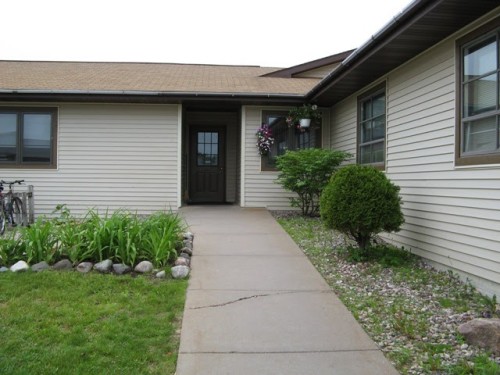
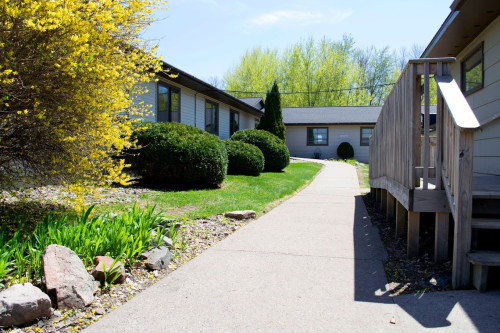
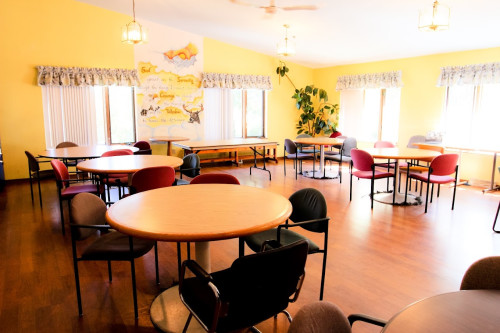
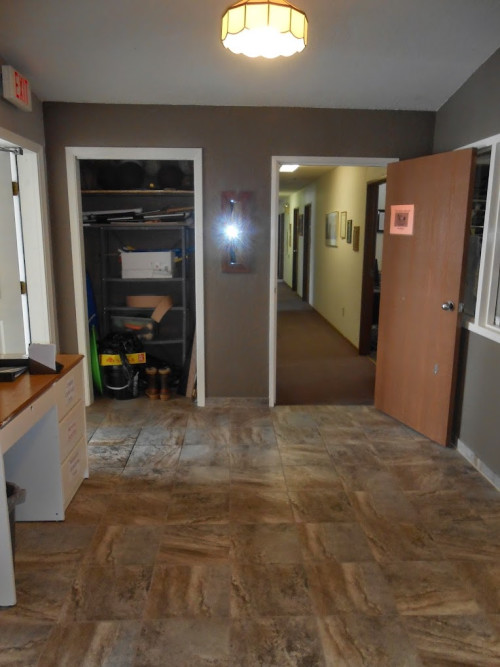
Great Lakes Recovery Adult Center
Treatment Focus
This center treats substance use disorders and co-occurring mental health conditions. Your treatment plan addresses each condition at once with personalized, compassionate care for comprehensive healing.
Primary Level of Care
Offering intensive care with 24/7 monitoring, residential treatment is typically 30 days and can cover multiple levels of care. Length can range from 14 to 90 days typically.
This provider hasn't verified their profile's information. Are you the owner of this center? Claim your listing to better manage your presence on Recovery.com.
Treatment Focus
This center treats substance use disorders and co-occurring mental health conditions. Your treatment plan addresses each condition at once with personalized, compassionate care for comprehensive healing.
Primary Level of Care
Offering intensive care with 24/7 monitoring, residential treatment is typically 30 days and can cover multiple levels of care. Length can range from 14 to 90 days typically.
Provider's Policy
GLRC's dedicated team of specialists can assist you in determining if your insurance carrier covers services.
Great Lakes Recovery Adult Center
Great Lakes Recovery Adult Center
About Great Lakes Recovery Adult Center
Integrated Care
Every patient at Great Lakes Recovery Center is evaluated by a physician upon intake. Medical providers are on-site 3 days per week to provide consultations or exams, with prescribed medications monitored by a licensed medication manager. They also offer a social detoxification program, providing clinically monitored withdrawal services assessing symptoms throughout the process and offering medication management.
Residential Treatment
While enrolled in their residential treatment program, clients will participate in regularly scheduled groups designed to cover a broad range of recovery materials and methods, encouraging individuals to explore their own path of recovery. Clients are also assigned an individual counselor to meet with regularly and work toward identifying personal strengths, goals, support systems, and resources. A communal living environment creates patient interaction and develops social-skills and relationships with community meals and daily living activities. Their program weaves in the principles of the 12-Step recovery model, encouraging clients to attend regular AA or NA meetings. They also incorporate Smart Recovery, and clients are encouraged to find what works best for them. A chaplain is available as part of a team of caregivers, theologically trained to offer spiritual care and guidance to patients, assisting clients and families of all faiths.
Great Lakes Recovery Adult Center also provides transitional and aftercare planning, assisting clients with finding community resources and continuing care support.
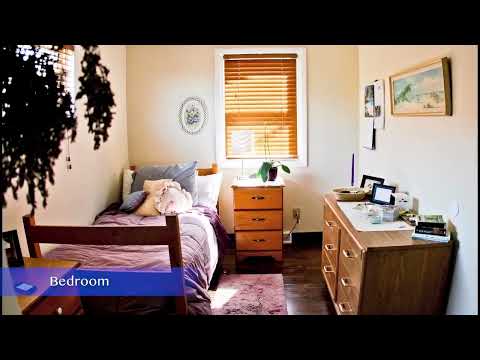
Center Overview
Treatment Focus
This center treats substance use disorders and co-occurring mental health conditions. Your treatment plan addresses each condition at once with personalized, compassionate care for comprehensive healing.
CARF Accredited
CARF stands for the Commission on Accreditation of Rehabilitation Facilities. It's an independent, non-profit organization that provides accreditation services for a variety of healthcare services. To be accredited means that the program meets their standards for quality, effectiveness, and person-centered care.
Insurance Accepted




Cash Pay Rates
Estimated Cash Pay Rate
Center pricing can vary based on program and length of stay. Contact the center for more information. Recovery.com strives for price transparency so you can make an informed decision.
Levels of Care


Your Care Options
Who We Treat
Men and Women
Men and women attend treatment for addiction in a co-ed setting, going to therapy groups together to share experiences, struggles, and successes.
Approaches
Evidence-Based
A combination of scientifically rooted therapies and treatments make up evidence-based care, defined by their measured and proven results.
Holistic
A non-medicinal, wellness-focused approach that aims to align the mind, body, and spirit for deep and lasting healing.
Spiritual Emphasis
Spirituality connects patients to a higher power and helps strengthen their recovery, hope, and compliance with other treatment modalities.
Twelve Step
Incorporating spirituality, community, and responsibility, 12-Step philosophies prioritize the guidance of a Higher Power and a continuation of 12-Step practices.
Therapies
1-on-1 Counseling
Patient and therapist meet 1-on-1 to work through difficult emotions and behavioral challenges in a personal, private setting.
Spiritual Care
Tending to spiritual health helps treatment become more effective, allowing patients to better cope with their emotions and rebuild their spiritual wellbeing.
Twelve Step Facilitation
12-Step groups offer a framework for addiction recovery. Members commit to a higher power, recognize their issues, and support each other in the healing process.
Languages
Substances We Treat
Alcohol
Using alcohol as a coping mechanism, or drinking excessively throughout the week, signals an alcohol use disorder.
Co-Occurring Disorders
A person with multiple mental health diagnoses, such as addiction and depression, has co-occurring disorders also called dual diagnosis.
Drug Addiction
Drug addiction is the excessive and repetitive use of substances, despite harmful consequences to a person's life, health, and relationships.