- Addiction
- Mental Health
- About Us
Find Treatment By
Rehabs by Location


Find Treatment By
Learn
About Us
Recovery.com combines independent research with expert guidance on addiction and mental health treatment. Our mission is to help everyone find the best path to recovery through the most comprehensive, helpful network of treatment providers worldwide.
Advisory Council
Our advisory council brings together leaders in behavioral health, technology, and business. Their diverse expertise ensures our resources and product are innovative, evidence-based, and effective. They guide our mission as accomplished individuals dedicated to improving the landscape of addiction recovery and mental wellness.
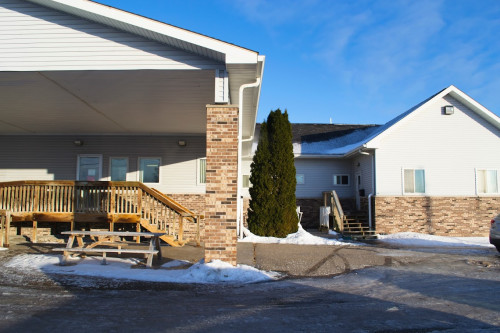
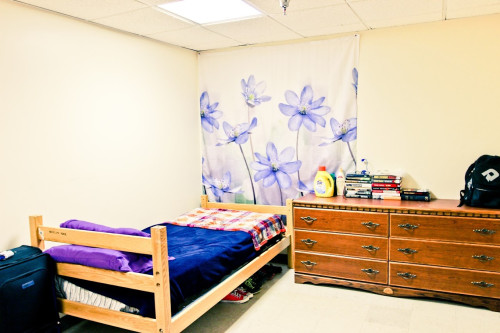
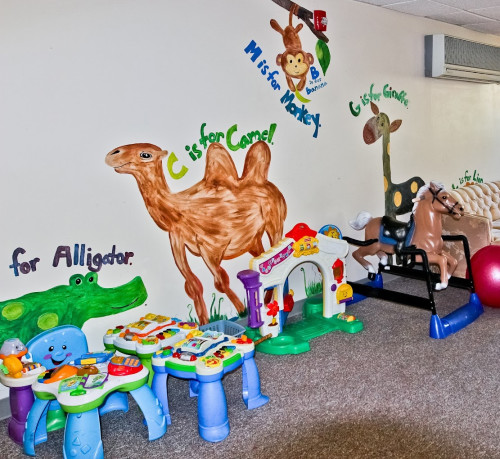
Great Lakes Recovery New Hope Women's
Treatment Focus
This center primarily treats substance use disorders, helping you stabilize, create relapse-prevention plans, and connect to compassionate support.
Primary Level of Care
Offering intensive care with 24/7 monitoring, residential treatment is typically 30 days and can cover multiple levels of care. Length can range from 14 to 90 days typically.
This provider hasn't verified their profile's information. Are you the owner of this center? Claim your listing to better manage your presence on Recovery.com.
Treatment Focus
This center primarily treats substance use disorders, helping you stabilize, create relapse-prevention plans, and connect to compassionate support.
Primary Level of Care
Offering intensive care with 24/7 monitoring, residential treatment is typically 30 days and can cover multiple levels of care. Length can range from 14 to 90 days typically.
Provider's Policy
GLRC's dedicated team of specialists can assist you in determining if your insurance carrier covers services.
Great Lakes Recovery New Hope Women's
Great Lakes Recovery New Hope Women's
About Great Lakes Recovery New Hope Women's
Great Lakes Recovery Women’s New Hope House is a residential facility offering evidence-based, gender-specific care with clinically managed withdrawal management and relapse prevention services since 1988. Women struggling with addiction are able to bring their children, ages 11 and under, into the Great Lakes Recovery Center to stay with them during treatment. An initial screening process determines the appropriate level for care, and upon admission clients will assist therapists in developing a personalized and holistic treatment plan, identifying and addressing any significant life challenges relating to the addiction.
Women and Families Program
Through the women and families program, clients are able to bring their children, up to age 11, into treatment with them. Childcare for pre-school aged children is available on-site while patients are participating in daily treatment, while staff can assist with school district options and placement for school-aged children. To help support mothers in early recovery and their families, children ages 5-11 will be enrolled in weekly therapy sessions, while mothers will attend group or individual weekly parenting classes and sessions. All mothers are provided with a women and families program assessment, identifying individual needs for families and making the appropriate referrals.
Great Lakes Recovery offers a safe, encouraging, and supportive home-like environment for mothers and their children. Rooms have a cozy feeling and families are able to room together in spaciously furnished suites. Hallways and common areas are decorative and bright, and clients share meals, daily chores, group therapy, and recreational activities together. The local school district is very supportive of GLRC’s clients and children, and the facility is low security with 24/7 staff monitoring.
Residential Treatment
While enrolled in their residential treatment program, clients will participate in regularly scheduled groups designed to cover a broad range of recovery materials and methods, encouraging individuals to explore their own path of recovery. Clients are also assigned an individual counselor to meet with regularly and work toward identifying personal strengths, goals, support systems, and resources. A communal living environment creates patient interaction and develops social-skills and relationships with community meals and daily living activities.
Along with regular individual therapy, staff members are trained and certified to lead daily group therapy sessions that focus on putting effective life and recovery skills into place and specializing in the care of women. Group therapy sessions involve mindful cognitive behavioral therapy (MCTB), living in balance, seeking safety, women’s health, parenting, exercise, change planning, nutrition, and spirituality.
Great Lakes Recovery also provides transitional and aftercare planning, assisting clients with finding community resources and continuing care support.
Center Overview
Treatment Focus
This center primarily treats substance use disorders, helping you stabilize, create relapse-prevention plans, and connect to compassionate support.
CARF Accredited
CARF stands for the Commission on Accreditation of Rehabilitation Facilities. It's an independent, non-profit organization that provides accreditation services for a variety of healthcare services. To be accredited means that the program meets their standards for quality, effectiveness, and person-centered care.
Insurance Accepted



Cash Pay Rates
Estimated Cash Pay Rate
Center pricing can vary based on program and length of stay. Contact the center for more information. Recovery.com strives for price transparency so you can make an informed decision.
Levels of Care


Your Care Options
Specializations
Gender-Specific
Separate treatment for men or women can create strong peer connections and remove barriers related to trauma, shame, and gender-specific nuances.
Who We Treat
Women only
Women attend treatment in a gender-specific facility, with treatment delivered in a safe, nourishing, and supportive environment for greater comfort.
Approaches
Evidence-Based
A combination of scientifically rooted therapies and treatments make up evidence-based care, defined by their measured and proven results.
Family Involvement
Providers involve family in the treatment of their loved one through family therapy, visits, or both–because addiction is a family disease.
Gender-Specific
Separate treatment for men or women can create strong peer connections and remove barriers related to trauma, shame, and gender-specific nuances.
Holistic
A non-medicinal, wellness-focused approach that aims to align the mind, body, and spirit for deep and lasting healing.
Personalized Treatment
The specific needs, histories, and conditions of individual patients receive personalized, highly relevant care throughout their recovery journey.
Therapeutic Community
Therapeutic communities allow patients to contribute to the success and progress of their community, through healthy behaviors or even basic chores.
Twelve Step
Incorporating spirituality, community, and responsibility, 12-Step philosophies prioritize the guidance of a Higher Power and a continuation of 12-Step practices.
Therapies
1-on-1 Counseling
Patient and therapist meet 1-on-1 to work through difficult emotions and behavioral challenges in a personal, private setting.
Experiential Therapy
With this approach, patients heal by doing. Therapists help patients process difficult emotions to speak, using guided activities like art or dance.
Family Therapy
Family therapy addresses group dynamics within a family system, with a focus on improving communication and interrupting unhealthy relationship patterns.
Life Skills
Teaching life skills like cooking, cleaning, clear communication, and even basic math provides a strong foundation for continued recovery.
Medication-Assisted Treatment
Combined with behavioral therapy, prescribed medications can enhance treatment by relieving withdrawal symptoms and focus patients on their recovery.
Mindfulness-Based Cognitive Therapy
MBCT combines mindfulness practices—like meditation—with cognitive therapy techniques to help patients work through negative thought patterns.
Languages
Substances We Treat
Alcohol
Using alcohol as a coping mechanism, or drinking excessively throughout the week, signals an alcohol use disorder.
Drug Addiction
Drug addiction is the excessive and repetitive use of substances, despite harmful consequences to a person's life, health, and relationships.
Aftercare
Care Designed for Your Needs
Personal Amenities
Amenities
Special Considerations
Family Member Stays
Treatment providers welcome family members to stay on-site to better the experience and success of patients and their families as a whole.
Activities
What people are saying
Treatment
5.0
Accommodations
5.0
Food & Nutrition
5.0
Value
5.0
Jeri H
Treatment in 2024 • (30 days) • Reviewed 05/29/24
Former Client
•Front Desk Clerk