- Addiction
- Mental Health
- About Us
Find Treatment By
Rehabs by Location


Find Treatment By
Learn
About Us
Recovery.com combines independent research with expert guidance on addiction and mental health treatment. Our mission is to help everyone find the best path to recovery through the most comprehensive, helpful network of treatment providers worldwide.
Advisory Council
Our advisory council brings together leaders in behavioral health, technology, and business. Their diverse expertise ensures our resources and product are innovative, evidence-based, and effective. They guide our mission as accomplished individuals dedicated to improving the landscape of addiction recovery and mental wellness.




Healthy Living
Verified Center
This provider's information has been quality-checked by Recovery.com's Research Team for accuracy and completeness, including center verification through appropriate third-party organizations.
Treatment Focus
This center treats substance use disorders and co-occurring mental health conditions. Your treatment plan addresses each condition at once with personalized, compassionate care for comprehensive healing.
Primary Level of Care
Offering intensive care with 24/7 monitoring, residential treatment is typically 30 days and can cover multiple levels of care. Length can range from 14 to 90 days typically.
Treatment Focus
This center treats substance use disorders and co-occurring mental health conditions. Your treatment plan addresses each condition at once with personalized, compassionate care for comprehensive healing.
Primary Level of Care
Offering intensive care with 24/7 monitoring, residential treatment is typically 30 days and can cover multiple levels of care. Length can range from 14 to 90 days typically.
Provider's Policy
We accept all PPO insurance policies with out-of-network benefits, and we are in-network providers for Blue Shield of California, Cigna, & Compsych. Many patients receive a significant number of days covered by their insurance, depending on their plan.
Healthy Living
Healthy Living
About Healthy Living
Set in the hills of Santa Clarita, Healthy Living offers a supportive and structured environment where clients can begin their recovery journey with medically supervised detox and comprehensive residential care. Their experienced clinical team serves a diverse range of clients, with specialized programming tailored to couples, professionals, and LGBTQ+ individuals, fostering meaningful connection and individualized support throughout each person’s recovery journey.
Develop Tools for Sustainable Long-Term Growth
At Healthy Living, treatment begins with either medically monitored detox or residential care. Clients entering detox receive a comprehensive medical evaluation to review their history and to create an individualized treatment plan, with medication-assisted treatment available to help manage withdrawal symptoms when appropriate. In residential care, clients participate in evidence-based therapies like cognitive behavioral therapy (CBT) and psychoeducation designed to deepen self-understanding and support lasting recovery.
Integrate Mind, Body, and Emotional Wellness
Alongside intensive clinical therapies, Healthy Living integrates experiential modalities such as breathwork, nature therapy, yoga, tai chi, and acupuncture to support holistic healing. Combined with evidence-based approaches, this balanced model provides residents with well-rounded, thoughtfully integrated care. Supported by relapse prevention and their alumni program, clients can continue to feel supported even after they leave.
Rest and Recharge in a Comfortable, Home-Like Setting
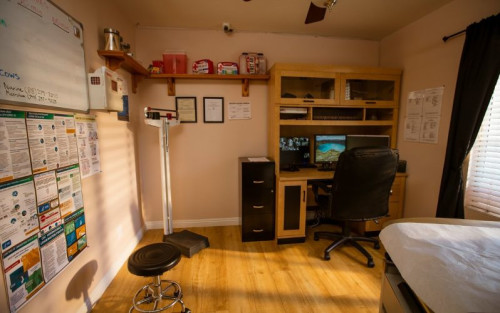
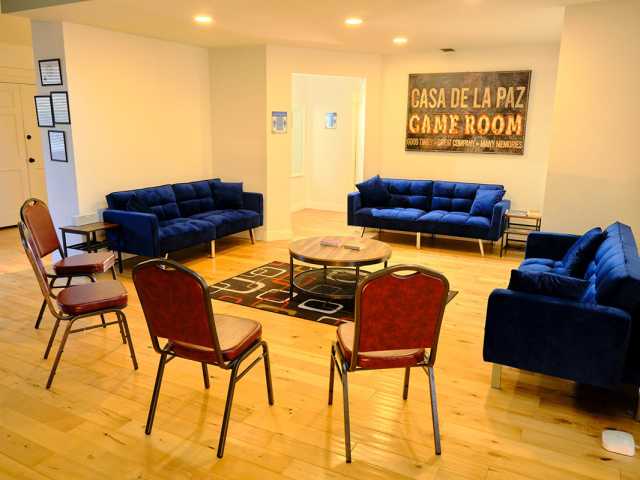
Clients stay in comfortable, home-like residences with both private and shared room options. Inviting common areas provide space to relax and connect, featuring games, television, and quiet nooks for reading or unwinding. Outdoor exercise equipment is available in the backyard, and 3 chef-prepared meals are served daily to support clients’ overall wellness. Additionally, clients can use their phones during their stay. Healthy Living’s goal is to foster an environment where individual growth is nurtured alongside a strong sense of community.
Center Overview
Treatment Focus
This center treats substance use disorders and co-occurring mental health conditions. Your treatment plan addresses each condition at once with personalized, compassionate care for comprehensive healing.
Joint Commission Accredited
The Joint Commission accreditation is a voluntary, objective process that evaluates and accredits healthcare organizations (like treatment centers) based on performance standards designed to improve quality and safety for patients. To be accredited means the treatment center has been found to meet the Commission's standards for quality and safety in patient care.
Insurance Accepted











Recovery.com Verified Listing
Recovery.com verified that the name, location, contact information and license to operate for this treatment provider are valid and up-to-date.
Licensed by California DHCS
Joint Commission Accredited
Recovery.com is an independent, third-party mental health resource. Verification does not imply endorsement and does not guarantee the quality of treatment services.
Meet Your Care Team

Dr. Narine Arutyounian
Medical Director
M.D.

Dr. Harout Mesrobian
CEO

Vardan Adjamian
CFO
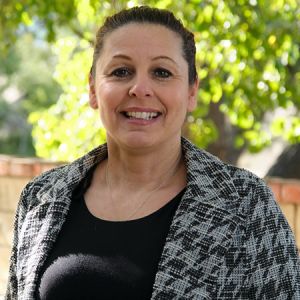
Ritsa Fistes
Clinical Director
LMFT
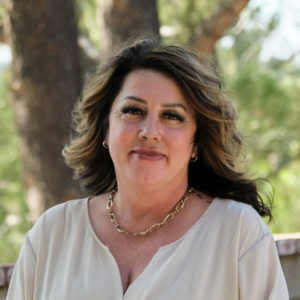
Tammy Albretsen
Clinical Supervisor

Naomi Barahona
Substance Use Disorder Counselor

Julie Tatian
Psychiatric Nurse Practitioner

Emil Adjamian
Admissions Coordinator

Meri Papikyan
HR Director

Angela Musisi
Registered Drug and Alcohol Technician

Dayanara Reyes
Registered Drug and Alcohol Technician

Isabel Garcia
Admissions/Registered Drug and Alcohol Technician

Jennifer Caballero
Registered Drug and Alcohol Technician
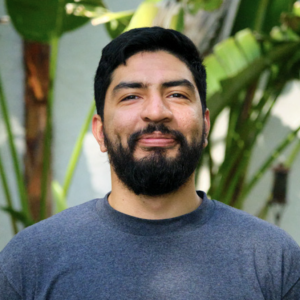
Jorge Salinas
Registered Drug and Alcohol Technician

Michelle Ferris
Registered Drug and Alcohol Technician

Nicholas Auchmoody
Registered Drug and Alcohol Technician

Sandy Hekking
Registered Drug and Alcohol Technician

Shawn Vargas
Registered Drug and Alcohol Technician

Luca Toumadi
Master Chef

Cody Scroggins
Digital Marketing

Jennifer Poynter
Yoga, Breathwork, Mindfulness Instructor

Max Venison
Music Therapy Group Facilitator
Your Care Options
Specializations
Family Therapy
Family therapy addresses group dynamics within a family system, with a focus on improving communication and interrupting unhealthy relationship patterns.
Co-Occurring Disorders
A person with multiple mental health diagnoses, such as addiction and depression, has co-occurring disorders also called dual diagnosis.
Drug Addiction
Drug addiction is the excessive and repetitive use of substances, despite harmful consequences to a person's life, health, and relationships.
Experiential Therapy
With this approach, patients heal by doing. Therapists help patients process difficult emotions to speak, using guided activities like art or dance.
Medication-Assisted Treatment
Combined with behavioral therapy, prescribed medications can enhance treatment by relieving withdrawal symptoms and focus patients on their recovery.
Couples program
Using gentle clinical care, therapists guide patients and their partner through guided sessions to address issues and work towards lasting solutions.
Detox
Detox fully and safely removes toxic substances from the body, allowing the next steps in treatment to begin with a clean slate.
Alcohol
Using alcohol as a coping mechanism, or drinking excessively throughout the week, signals an alcohol use disorder.
Who We Treat
LGBTQ+
Addiction and mental illnesses in the LGBTQ+ community must be treated with an affirming, safe, and relevant approach, which many centers provide.
Men and Women
Men and women attend treatment for addiction in a co-ed setting, going to therapy groups together to share experiences, struggles, and successes.
Professionals
Busy, high-ranking professionals get the personalized treatment they need with greater accommodations for work, privacy, and outside communication.
Treatment Services
Detox
Detox fully and safely removes toxic substances from the body, allowing the next steps in treatment to begin with a clean slate.
Detox (on-site with residential)
This is often the first step of addiction treatment. For many people, it's dangerous to detox without proper medical support.
Residential
In a residential rehab program, patients live onsite, with access to daily treatment and 24-hour care. An average stay is 30-90 days.
Approaches
Individual Treatment
Individual care meets the needs of each patient, using personalized treatment to provide them the most relevant care and greatest chance of success.
Medical
Medical addiction treatment uses approved medications to manage withdrawals and cravings, and to treat contributing mental health conditions.
Personalized Treatment
The specific needs, histories, and conditions of individual patients receive personalized, highly relevant care throughout their recovery journey.
Wellness
Wellness philosophies focus on the physical, mental, and spiritual wellness of each patient, helping them restore purpose with natural remedies.
Therapies
1-on-1 Counseling
Patient and therapist meet 1-on-1 to work through difficult emotions and behavioral challenges in a personal, private setting.
Acceptance and Commitment Therapy (ACT)
This cognitive behavioral therapy teaches patients to accept challenging feelings and make the appropriate changes to reach personal goals.
Adventure Therapy
This experiential approach uses the physical and emotional challenges of outdoor activities as tools for personal growth.
Animal Therapy
Animals can inspire trust and self-worth. In this experiential therapy, guided interactions are used to improve social skills and emotion regulation.
Aromatherapy
Inhaling or topically applying essential oils can help relieve stress, soothe pains, and relieve emotional distress.
Art Therapy
Visual art invites patients to examine the emotions within their work, focusing on the process of creativity and its gentle therapeutic power.
Canine Therapy
Friendly dogs provide a pleasant therapeutic experience, helping patients who've experienced trauma or separations build social and communication skills.
Languages
Substances We Treat
Alcohol
Using alcohol as a coping mechanism, or drinking excessively throughout the week, signals an alcohol use disorder.
Benzodiazepines
Benzodiazepines are prescribed to treat anxiety and sleep issues. They are highly habit forming, and their abuse can cause mood changes and poor judgement.
Chronic Relapse
Consistent relapse occurs repeatedly, after partial recovery from addiction. This condition requires long-term treatment.
Co-Occurring Disorders
A person with multiple mental health diagnoses, such as addiction and depression, has co-occurring disorders also called dual diagnosis.
Cocaine
Cocaine is a stimulant with euphoric effects. Agitation, muscle ticks, psychosis, and heart issues are common symptoms of cocaine abuse.
Drug Addiction
Drug addiction is the excessive and repetitive use of substances, despite harmful consequences to a person's life, health, and relationships.
Ecstasy
Ecstasy is a stimulant that causes intense euphoria and heightened awareness. Abuse of this drug can trigger depression, insomnia, and memory problems.
Heroin
Heroin is a highly addictive and illegal opioid. It can cause insomnia, collapsed veins, heart issues, and additional mental health issues.
Aftercare
Care Designed for Your Needs
Personal Amenities
Amenities
Special Considerations
Pet Friendly
For greater comfort and healing, pet-friendly treatment centers welcome dogs and animal companions to stay with their owners while they attend treatment.
Flexible technology policies
Centers with flexible technology policies allow professionals to stay in touch with work and give patients a greater sense of connection and normalcy.
Couples program
Using gentle clinical care, therapists guide patients and their partner through guided sessions to address issues and work towards lasting solutions.
Center Pets
Addiction and mental health facilities with pets allow patients to interact with friendly dogs, cats, horses, and in some cases, even dolphins.
LGBTQ group
Group therapy unites LGBTQ+ patients in a safe and culturally competent setting, encouraging peer support under the expert leadership of a therapist.
Clients can bring their own pet(s)
For greater comfort and healing, pet-friendly treatment centers welcome dogs and animal companions to stay with their owners while they attend treatment.
Activities
Yoga
Yoga is both a physical and spiritual practice. It includes a flow of movement, breathing techniques, and meditation.
Off-Site Activities
Off-Site Amenities
Smoking and Vaping Policy
Learn More About the Center
Recognizing When Professional Help is Needed
Discover how substance use may be impacting daily life and relationships.
What a Typical Day Looks Like
Explore how each day is structured to promote stability and growth.
Why Supervised Alcohol Detox Matters
Understand how clinical oversight lowers risks during alcohol withdrawal.
What Addictions the Facility Can Treat
Gain insight into conditions commonly supported through their residential treatment.