- Addiction
- Mental Health
- About Us
Find Treatment By
Rehabs by Location


Find Treatment By
Learn
About Us
Recovery.com combines independent research with expert guidance on addiction and mental health treatment. Our mission is to help everyone find the best path to recovery through the most comprehensive, helpful network of treatment providers worldwide.
Advisory Council
Our advisory council brings together leaders in behavioral health, technology, and business. Their diverse expertise ensures our resources and product are innovative, evidence-based, and effective. They guide our mission as accomplished individuals dedicated to improving the landscape of addiction recovery and mental wellness.

Johannelund Korttidsboende
Treatment Focus
At this center, you receive personalized care for mental health conditions. They provide therapy and tailor treatment to your unique needs, diagnoses, and preferences.
Primary Level of Care
Offering intensive care with 24/7 monitoring, residential treatment is typically 30 days and can cover multiple levels of care. Length can range from 14 to 90 days typically.
This provider hasn't verified their profile's information. Are you the owner of this center? Claim your listing to better manage your presence on Recovery.com.
Treatment Focus
At this center, you receive personalized care for mental health conditions. They provide therapy and tailor treatment to your unique needs, diagnoses, and preferences.
Primary Level of Care
Offering intensive care with 24/7 monitoring, residential treatment is typically 30 days and can cover multiple levels of care. Length can range from 14 to 90 days typically.
Private Pay
You pay directly for treatment out of pocket. This approach can offer enhanced privacy and flexibility, without involving insurance. Exact costs vary based on program and length of stay. Contact the center for specific details.
Johannelund Korttidsboende
Johannelund Korttidsboende
About Johannelund Korttidsboende
Johannelund Korttidsboende is a service run by Humana, located in Bromma—a suburb of Stockholm, Sweden. The facility supports adult men and women aged 21 to 60 who have psychiatric disabilities and require temporary housing and daily support. The facility focuses on providing a structured and supportive environment that promotes autonomy and well-being for all clients.
Personalized and Thorough Care
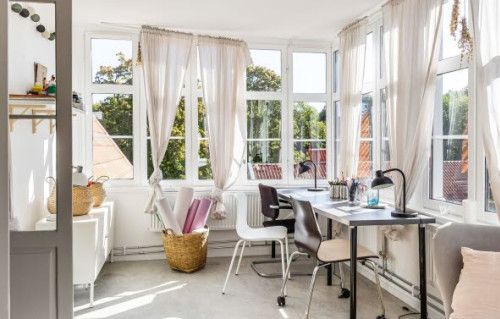
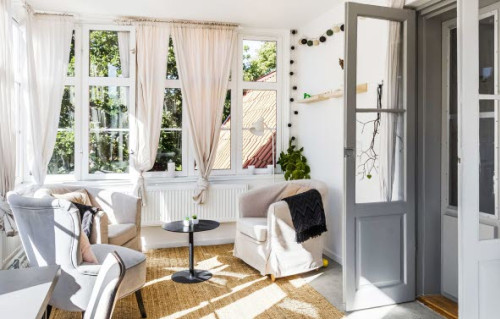
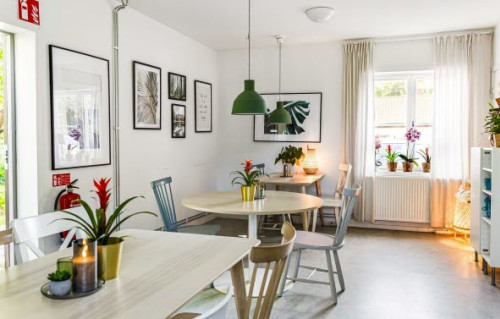
Residents at Johannelund each have a private, furnished apartment with a kitchen and bathroom. In addition, they have access to shared spaces like a dining room, living area, and a garden. Staff are present 24/7 to assist with daily living tasks, provide companionship, and offer additional services outside the residence. The team uses evidence-based methods such as low-arousal approaches and structured methods, documenting according to the IBIC (Individual-Based Care and Support) model.
Heal with a Compassionate Staff
The facility is located in a park-like setting near the water, with easy access to local shops, restaurants, and public transportation. Staff also help residents coordinate healthcare appointments. Their overall goal is to support each individual toward greater independence, with a daily routine that includes tailored activities and meaningful engagement based on their personal needs and interests.
Center Overview
Treatment Focus
At this center, you receive personalized care for mental health conditions. They provide therapy and tailor treatment to your unique needs, diagnoses, and preferences.
Pricing and Program Length
Estimated Center Costs
Center pricing can vary based on program and length of stay. Contact the center for more information. Recovery.com strives for price transparency so you can make an informed decision.
Levels of Care


Your Care Options
Specializations
Schizophrenia
Schizophrenia is a serious mental health condition that causes hallucinations, delusions, and disordered thinking.
Anxiety
Anxiety is a common mental health condition that can include excessive worry, panic attacks, physical tension, and increased blood pressure.
Who We Treat
Young Adults
Emerging adults ages 18-25 receive treatment catered to the unique challenges of early adulthood, like college, risky behaviors, and vocational struggles.
Men and Women
Men and women attend treatment for addiction in a co-ed setting, going to therapy groups together to share experiences, struggles, and successes.
Midlife Adults
For adults ages 40+, treatment shifts to focus on the unique challenges, blocks, and risk factors of their age group, and unites peers in a similar community.
Approaches
Evidence-Based
A combination of scientifically rooted therapies and treatments make up evidence-based care, defined by their measured and proven results.
Individual Treatment
Individual care meets the needs of each patient, using personalized treatment to provide them the most relevant care and greatest chance of success.
Therapies
1-on-1 Counseling
Patient and therapist meet 1-on-1 to work through difficult emotions and behavioral challenges in a personal, private setting.
Experiential Therapy
With this approach, patients heal by doing. Therapists help patients process difficult emotions to speak, using guided activities like art or dance.
Life Skills
Teaching life skills like cooking, cleaning, clear communication, and even basic math provides a strong foundation for continued recovery.
Psychoeducation
This method combines treatment with education, teaching patients about different paths toward recovery. This empowers them to make more effective decisions.
Recreation Therapy
In recreation therapy, recovery can be joyful. Patients practice social skills and work through emotional triggers by engaging in fun activities.
Stress Management
Patients learn specific stress management techniques, like breathing exercises and how to safely anticipate triggers.
Languages
Conditions We Treat
Anxiety
Anxiety is a common mental health condition that can include excessive worry, panic attacks, physical tension, and increased blood pressure.
Bipolar
This mental health condition is characterized by extreme mood swings between depression, mania, and remission.
Depression
Symptoms of depression may include fatigue, a sense of numbness, and loss of interest in activities. This condition can range from mild to severe.
Personality Disorders
Personality disorders destabilize the way a person thinks, feels, and behaves. If untreated, they can undermine relationships and lead to severe distress.
Schizophrenia
Schizophrenia is a serious mental health condition that causes hallucinations, delusions, and disordered thinking.
Self-Harm
The act of intentionally harming oneself, also called self-injury, is associated with mental health issues like depression.
Suicidality
With suicidality, a person fantasizes about suicide, or makes a plan to carry it out. This is a serious mental health symptom.