- Addiction
- Mental Health
- About Us
Find Treatment By
Rehabs by Location


Find Treatment By
Learn
About Us
Recovery.com combines independent research with expert guidance on addiction and mental health treatment. Our mission is to help everyone find the best path to recovery through the most comprehensive, helpful network of treatment providers worldwide.
Advisory Council
Our advisory council brings together leaders in behavioral health, technology, and business. Their diverse expertise ensures our resources and product are innovative, evidence-based, and effective. They guide our mission as accomplished individuals dedicated to improving the landscape of addiction recovery and mental wellness.
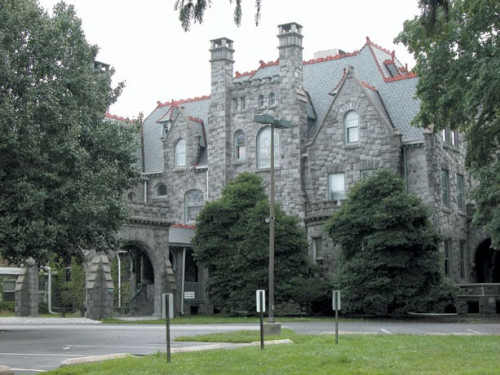


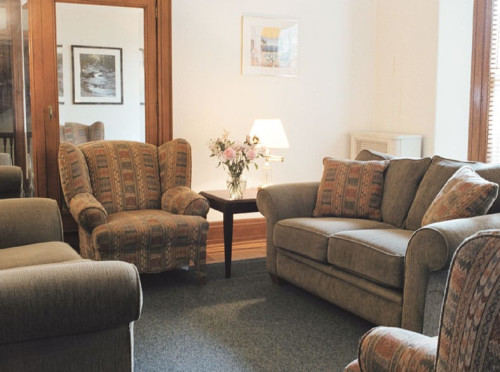
KeyStone Center
Treatment Focus
This center treats substance use disorders and co-occurring mental health conditions. Your treatment plan addresses each condition at once with personalized, compassionate care for comprehensive healing.
Primary Level of Care
Offering intensive care with 24/7 monitoring, residential treatment is typically 30 days and can cover multiple levels of care. Length can range from 14 to 90 days typically.
Claimed
Recovery.com has connected directly with this treatment provider to validate the information in their profile.
Treatment Focus
This center treats substance use disorders and co-occurring mental health conditions. Your treatment plan addresses each condition at once with personalized, compassionate care for comprehensive healing.
Primary Level of Care
Offering intensive care with 24/7 monitoring, residential treatment is typically 30 days and can cover multiple levels of care. Length can range from 14 to 90 days typically.
Private Pay
You pay directly for treatment out of pocket. This approach can offer enhanced privacy and flexibility, without involving insurance. Exact costs vary based on program and length of stay. Contact the center for specific details.
KeyStone Center
KeyStone Center
About KeyStone Center
KeyStone Center offers a wide range of programs to address both substance use disorders and behavioral addictions. Their services include medically monitored detoxification, intensive inpatient rehabilitation, and flexible outpatient options, ensuring continuous support throughout the recovery journey. Specialized programs are available for compulsive gambling and sex addiction, providing tailored care for these specific challenges.
Personalized Care for Adolescents and Adults
Recognizing that different age groups face unique challenges, KeyStone Center tailors its programs to meet the distinct needs of adolescents and adults. For teens, the focus is on addressing early signs of substance use and mental health disorders, equipping them with tools for long-term wellness. Adults benefit from therapies designed to navigate the complexities of co-occurring disorders and the impact of addiction on relationships, careers, and self-identity.
Empowering Recovery Through the Freedom Program
The Freedom Program at KeyStone Center is an intensive inpatient program designed for individuals grappling with severe substance use disorders. It combines medically monitored care, evidence-based therapies, and holistic support to address the root causes of addiction. This structured environment helps patients develop the skills necessary for sustained recovery, offering a compassionate and individualized approach to treatment.
Patient Satisfaction and Quality Care
KeyStone Center is committed to providing compassionate care that respects the dignity of each individual. Recent surveys indicate high levels of patient satisfaction, with 4.45 out of 5 patients feeling treated with dignity and respect, and 4.32 out of 5 reporting improvement after treatment. These results reflect the center's dedication to delivering quality care and achieving meaningful outcomes for those on their recovery journey.

Center Overview
Treatment Focus
This center treats substance use disorders and co-occurring mental health conditions. Your treatment plan addresses each condition at once with personalized, compassionate care for comprehensive healing.
Joint Commission Accredited
The Joint Commission accreditation is a voluntary, objective process that evaluates and accredits healthcare organizations (like treatment centers) based on performance standards designed to improve quality and safety for patients. To be accredited means the treatment center has been found to meet the Commission's standards for quality and safety in patient care.

Pricing and Program Length
Estimated Center Costs
Center pricing can vary based on program and length of stay. Contact the center for more information. Recovery.com strives for price transparency so you can make an informed decision.
Meet Your Care Team

Elizabeth Conlin
Chief Operating Officer
PsyD

Al Coppola
Chief Financial Officer

Cari Pelc
Director of Admissions
MA

Amanda Lafferty
Director of Utilization Review
LPN

Badia Brown
Director of Nursing
MSN, RN

Candis Breen
Director of Quality Assurance and Programming
MA, LPC, ATR-BC

Jeff Grazier
Director of Clinical Services
MHS-C, MBA

Jennifer East
Director of Business Development

Laynette Walker
Director of Risk Management
LPN

Lindsey Harvilla
Medical Director
DO

Michael Kaizar
Director of Plant Operations

Michelle Westerfer
Director of Human Resources

Shannon O’Sullivan
Director of Outpatient Services




Levels of Care


Your Care Options
Specializations
Alcohol
Using alcohol as a coping mechanism, or drinking excessively throughout the week, signals an alcohol use disorder.
Drug Addiction
Drug addiction is the excessive and repetitive use of substances, despite harmful consequences to a person's life, health, and relationships.
Veterans
Patients who completed active military duty receive specialized treatment focused on trauma, grief, loss, and finding a new work-life balance.
Who We Treat
Adolescents
Teens receive the treatment they need for mental health disorders and addiction, with the added support of educational and vocational services.
LGBTQ+
Addiction and mental illnesses in the LGBTQ+ community must be treated with an affirming, safe, and relevant approach, which many centers provide.
Men and Women
Men and women attend treatment for addiction in a co-ed setting, going to therapy groups together to share experiences, struggles, and successes.
Veterans
Patients who completed active military duty receive specialized treatment focused on trauma, grief, loss, and finding a new work-life balance.
Approaches
Evidence-Based
A combination of scientifically rooted therapies and treatments make up evidence-based care, defined by their measured and proven results.
Holistic
A non-medicinal, wellness-focused approach that aims to align the mind, body, and spirit for deep and lasting healing.
Individual Treatment
Individual care meets the needs of each patient, using personalized treatment to provide them the most relevant care and greatest chance of success.
Medical
Medical addiction treatment uses approved medications to manage withdrawals and cravings, and to treat contributing mental health conditions.
Therapies
1-on-1 Counseling
Patient and therapist meet 1-on-1 to work through difficult emotions and behavioral challenges in a personal, private setting.
Family Therapy
Family therapy addresses group dynamics within a family system, with a focus on improving communication and interrupting unhealthy relationship patterns.
Interpersonal Therapy
This brief and structured therapy addresses present relationships and improves overall communication at work, home, and other social settings.
Life Skills
Teaching life skills like cooking, cleaning, clear communication, and even basic math provides a strong foundation for continued recovery.
Medication-Assisted Treatment
Combined with behavioral therapy, prescribed medications can enhance treatment by relieving withdrawal symptoms and focus patients on their recovery.
Mindfulness-Based Cognitive Therapy
MBCT combines mindfulness practices—like meditation—with cognitive therapy techniques to help patients work through negative thought patterns.
Languages
Conditions We Treat
Gambling
Excessive, repetitive gambling causes financial and interpersonal problems. This addiction can interfere with work, friendships, and familial relationships.
Obsessive Compulsive Disorder (OCD)
OCD is characterized by intrusive and distressing thoughts that drive repetitive behaviors. This pattern disrupts daily life and relationships.
Post Traumatic Stress Disorder
PTSD is a long-term mental health issue caused by a disturbing event or events. Symptoms include anxiety, dissociation, flashbacks, and intrusive thoughts.
Sex Addiction
Compulsively seeking out sex can easily become a problem. This addiction is detrimental to relationships, physical health, and self-esteem.
Stress
Stress is a natural reaction to challenges, and it can even help you adapt. However, chronic stress can cause physical and mental health issues.
Trauma
Some traumatic events are so disturbing that they cause long-term mental health problems. Those ongoing issues can also be referred to as "trauma."
Substances We Treat
Alcohol
Using alcohol as a coping mechanism, or drinking excessively throughout the week, signals an alcohol use disorder.
Benzodiazepines
Benzodiazepines are prescribed to treat anxiety and sleep issues. They are highly habit forming, and their abuse can cause mood changes and poor judgement.
Co-Occurring Disorders
A person with multiple mental health diagnoses, such as addiction and depression, has co-occurring disorders also called dual diagnosis.
Cocaine
Cocaine is a stimulant with euphoric effects. Agitation, muscle ticks, psychosis, and heart issues are common symptoms of cocaine abuse.
Drug Addiction
Drug addiction is the excessive and repetitive use of substances, despite harmful consequences to a person's life, health, and relationships.
Ecstasy
Ecstasy is a stimulant that causes intense euphoria and heightened awareness. Abuse of this drug can trigger depression, insomnia, and memory problems.
Heroin
Heroin is a highly addictive and illegal opioid. It can cause insomnia, collapsed veins, heart issues, and additional mental health issues.
Methamphetamine
Methamphetamine, or meth, increases energy, agitation, and paranoia. Long-term use can result in severe physical and mental health issues.
Care Designed for Your Needs
Personal Amenities
What people are saying
Treatment
3.9
Accommodations
3.8
Food & Nutrition
3.7
Value
3.9
Sharon
Reviewed 04/29/24
Review from Rehabs.com
Kathleen
Reviewed 01/29/23
Review from Rehabs.com
Richard
Reviewed 04/20/16
Review from Rehabs.com
Anonymous
Reviewed 04/20/16
Review from Rehabs.com
Anonymous
Reviewed 09/10/15
Review from Rehabs.com